Belfast’s Lingering Nightmare: Witness Heard Back Door Handle Rattled in Dead of Night After Noah Donohoe Vanished – Fresh Testimony Fuels Unanswered Questions in Heartbreaking Inquest
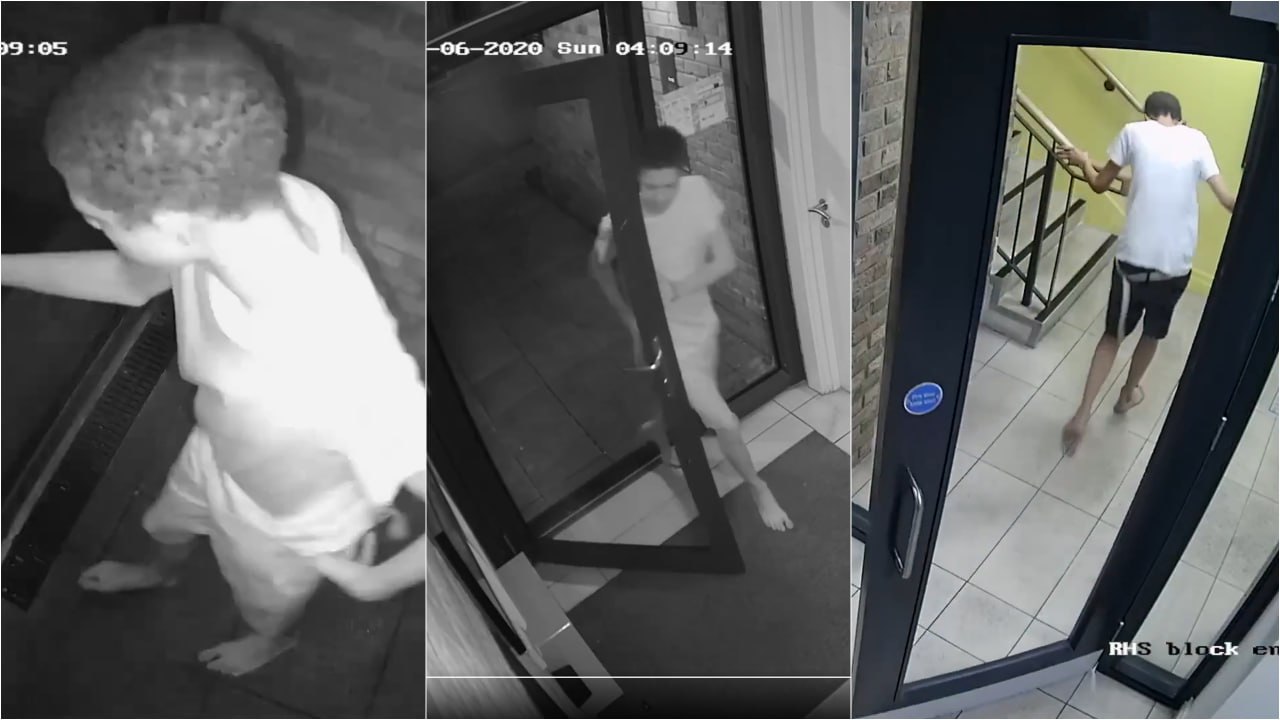
The quiet residential streets of north Belfast hide secrets that refuse to stay buried. More than five years after 14-year-old Noah Donohoe disappeared on a summer evening bike ride, the inquest into his death continues to unearth chilling details that keep the wound raw for his family and a city still searching for closure. On February 2, 2026, the Laganside Courthouse heard testimony that sent a fresh shiver through those following the case: a resident living just a short distance from where Noah was last seen reported hearing someone forcefully trying her back door handle around 3 a.m. on the night following his disappearance. Sandra Semple’s account, delivered with visible distress from her seat supported by a zimmer frame, described a loud, insistent rattling that convinced her an intruder was attempting to break in. She froze in fear, hiding under blankets until dawn, unaware at the time that a missing teenager’s fate might have been unfolding nearby. Coupled with another witness’s recollection of a piercing, high-pitched scream cutting through the calm night, these new pieces add layers of unease to a mystery that has already gripped Northern Ireland with its blend of the inexplicable and the deeply human.
Noah Donohoe was a bright, introspective boy whose life ended in circumstances that defy simple explanation. A pupil at St Malachy’s College, he loved reading philosophy, particularly Jordan Peterson’s “12 Rules for Life,” a book he studied obsessively in the months before his death. His mother, Fiona Donohoe, has spoken movingly of a son whose moods had become unpredictable, his behavior “so out of character” in the lead-up to that fateful day. On Sunday, June 21, 2020—Father’s Day—Noah left home off the Ormeau Road in south Belfast around 5:40 p.m. on his black Apollo bicycle. He carried a backpack with his laptop, phone, and that cherished book, planning to meet friends near Cavehill. CCTV captured him cycling steadily at first, passing through familiar areas without apparent distress.
But as he moved northward, the journey turned surreal. Witnesses saw him cycling naked, clothes discarded along the way—trainers neatly placed side by side on a street, a jacket draped over a garden wall. His bicycle was abandoned near Northwood Road, the last confirmed location. Six days later, on June 27, search teams found his naked body in a storm drain culvert near the M2 motorway, drowned according to postmortem findings. Forensic pathologists, including Dr. Marjorie Turner and Dr. Nathaniel Cary, have described the case as one of the most extraordinary in their careers: no drugs, no alcohol, no evidence of assault or third-party involvement. Drowning was confirmed, with major bruising to the forehead possibly from a bike fall earlier in the evening. Yet the how and why remain elusive—paradoxical undressing, disorientation from injury, or something more profound in Noah’s mind?

The inquest, presided over by coroner Joe McCrisken, has methodically dissected every angle since opening in January 2026. Witnesses have recounted the eerie scene on Northwood Road: Lauren Russell spotting the neatly arranged trainers and jacket, Chris Morrow noticing the bicycle on a driveway edge and later a black helmet nearby, which he reported to police. Morrow expressed unease about the area’s overgrown waste ground and the culvert’s accessibility, noting broken fences and gaps that local children sometimes used as shortcuts. He emphasized he would have warned his own kids away from such places had he known the risks.
Then came the nighttime accounts that have intensified speculation. Sandra Semple, living on Premier Drive—a stone’s throw from Northwood Road—testified she was alone, watching television from her downstairs sofa around 3 a.m. on June 22. The sound started as a loud handle being tried on her back door—”really, really loud and hard.” It escalated, convincing her of a break-in attempt. Terrified, she didn’t investigate or call authorities; she simply hid until morning. Her home backs onto gardens leading to overgrown land with entrances from Premier Drive. While a Department for Infrastructure lawyer stated it’s “not possible” to walk directly from the culvert to Premier Drive, the proximity raises haunting possibilities: Could someone—disoriented, desperate, or otherwise—have wandered there in the darkness?
Jemma McMullen, from nearby Northwood Parade, added another chilling element. Reading in bed on that calm night, she heard a single high-pitched scream “totally out of the blue.” Loud enough to make her look out the window, yet she saw nothing. She described it as likely from a young person or female, though when pressed by a PSNI barrister about animal calls like a fox, she admitted uncertainty. In a quiet suburb, such a sound stands out starkly—could it have been Noah in his final moments, or something unrelated?

These testimonies arrive amid broader scrutiny of the investigation. The Police Service of Northern Ireland (PSNI) has defended its response, with missing persons expert Chief Inspector Philip Robinson calling the search “very good” overall, though noting areas for improvement. Early challenges included hostile public behavior delaying park searches and evidence-handling issues like unsealed bags. Fiona Donohoe’s barristers have highlighted alleged failings, from incomplete logging of calls to overlooked CCTV angles. Public fascination has spawned murals, vigils, and online campaigns, with some fueling conspiracy theories despite forensic consensus ruling out foul play.
The storm drain itself looms large in the narrative. Described as “easy to get into,” with an unsecured grate, it formed part of Belfast’s ageing drainage system. Noah likely entered alive, succumbing to drowning downstream. Pathologists agreed no third party was involved, yet the undressing, the six-day delay in discovery, and these nocturnal disturbances keep questions alive. Was the door-rattling an unrelated opportunist? Did the scream belong to a startled animal or a terrified boy? Or do they hint at movements in the shadows that night?
Fiona Donohoe has endured unimaginable pain, attending hearings alone, listening to graphic details of her son’s recovery and condition. Her quiet strength has inspired widespread support, with calls for better mental health resources for youth and improved protocols for missing persons cases. Noah’s neurodiversity, though not formally diagnosed, has been discussed as a possible factor in any acute episode that night.
As the inquest presses on—potentially into spring 2026—the coroner faces the task of a narrative verdict that captures known facts while acknowledging enduring mysteries. The Department for Infrastructure’s clarifications on access routes offer some reassurance, but the emotional geography of north Belfast remains altered. Overgrown lots, broken fences, hidden culverts—these ordinary features now carry extraordinary weight.
Noah’s story transcends one family’s grief; it probes societal blind spots: how we respond to the unusual, the overlooked vulnerabilities of young minds, the safety of urban infrastructure. Witnesses like Semple and McMullen acted within the bounds of normal caution, yet their recollections now form part of a mosaic that refuses full resolution. In a city scarred by history, this modern enigma reminds us that tragedy can unfold silently amid everyday life.
The courtroom lights burn late as evidence unfolds. Fiona’s fight for transparency continues, ensuring Noah is remembered not just for how he died, but for the vibrant boy he was—curious, kind, forever seeking answers in the pages of a book. Until the inquest concludes, Belfast waits, listens, and remembers.
News
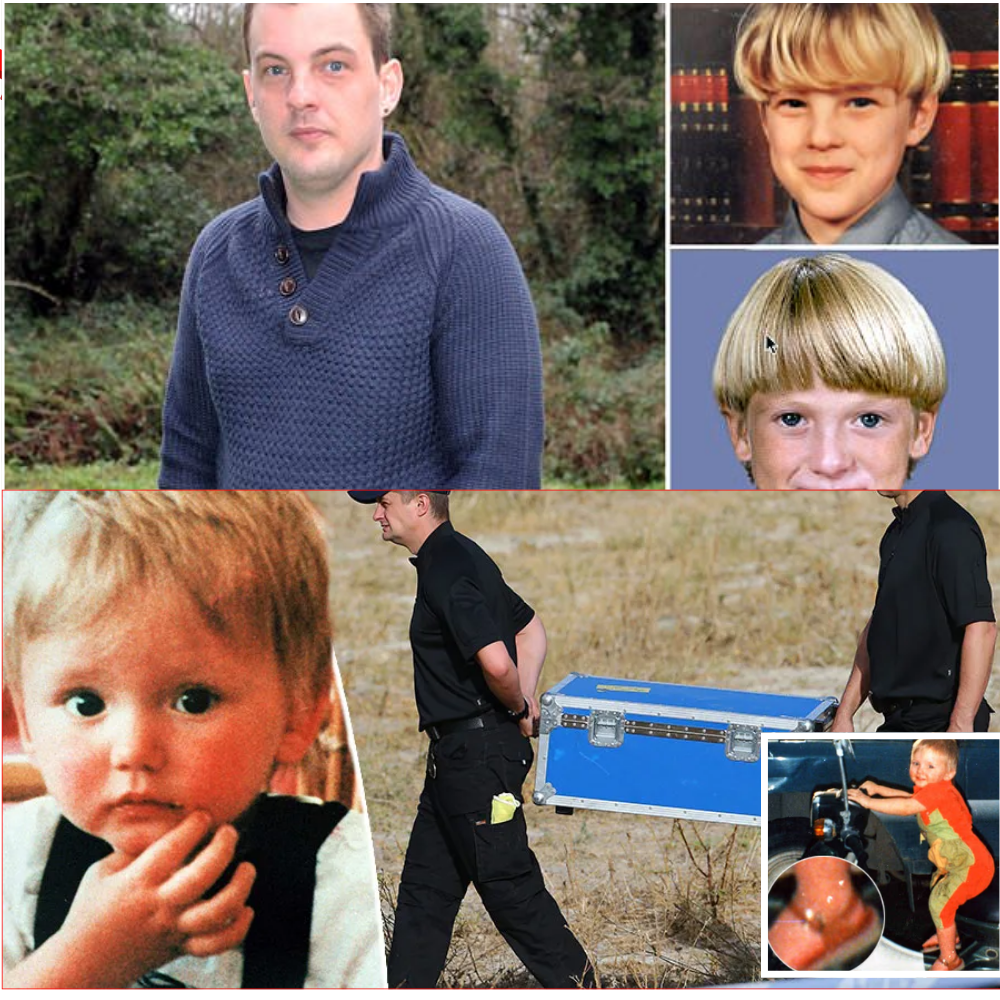
😢 “She’s Waited 35 Years… Now One DNA Test Could Bring Her Baby Home – Or Break Her Again” 🩸 New Photos & Adoption Mystery Explode Online
Ben Needham Latest Update: New Photos and DNA Test Spark Fresh Hope in One of the Longest Toddler Missing Mysteries; What We Know So Far The disappearance of Ben Needham remains one of Britain’s most enduring and heartbreaking unsolved cases. In July 1991, the 21-month-old toddler vanished without a trace from a family farm on […]
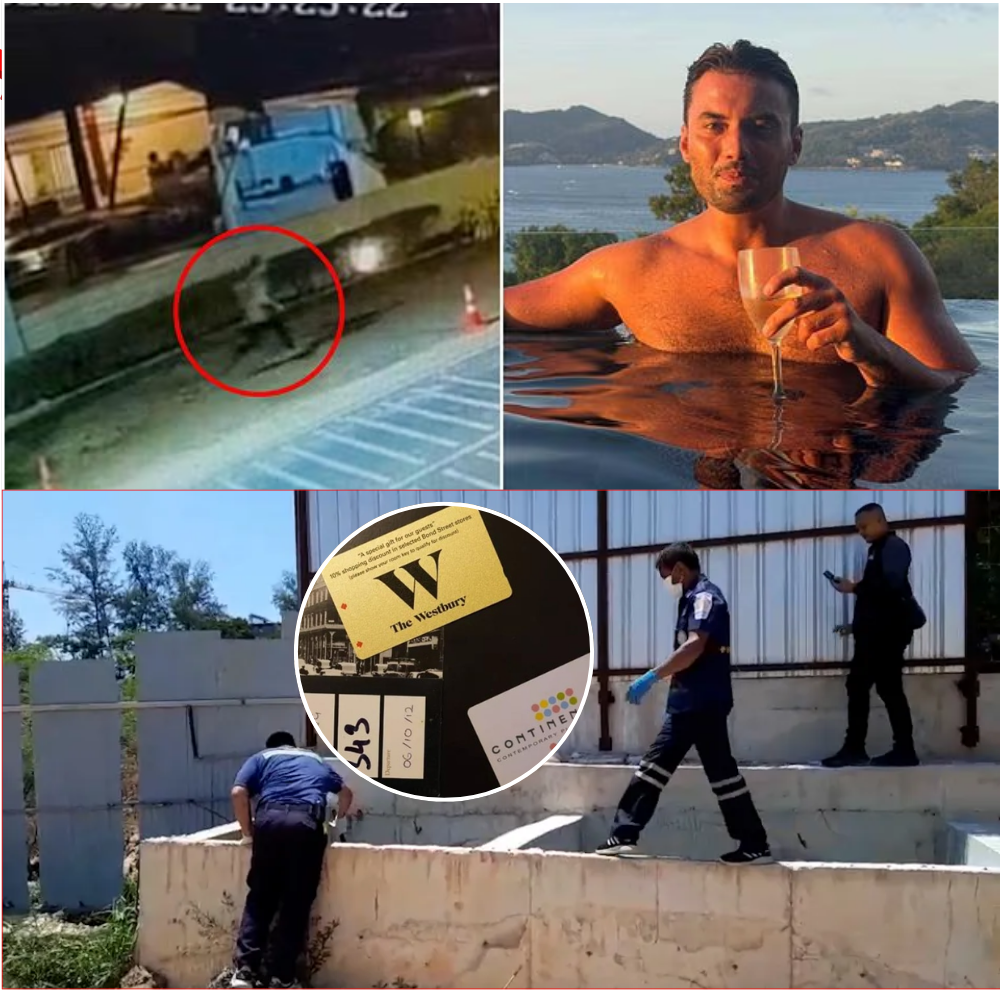
Shocking Footage Emerges: Ex-TOWIE Jordan Wright Desperately Sprinting, Clutching Truck in Fear – Hours Later His Body Lies in Thailand’s Murky Drain
The paradise of Phuket’s Bangtao Beach area, with its luxury resorts, infinity pools overlooking the Andaman Sea, and vibrant nightlife, turned sinister in the early hours of March 13, 2026. Grainy black-and-white CCTV footage, now haunting viewers worldwide, captures the final documented moments of 33-year-old Jordan Wright—a former star of The Only Way Is Essex […]
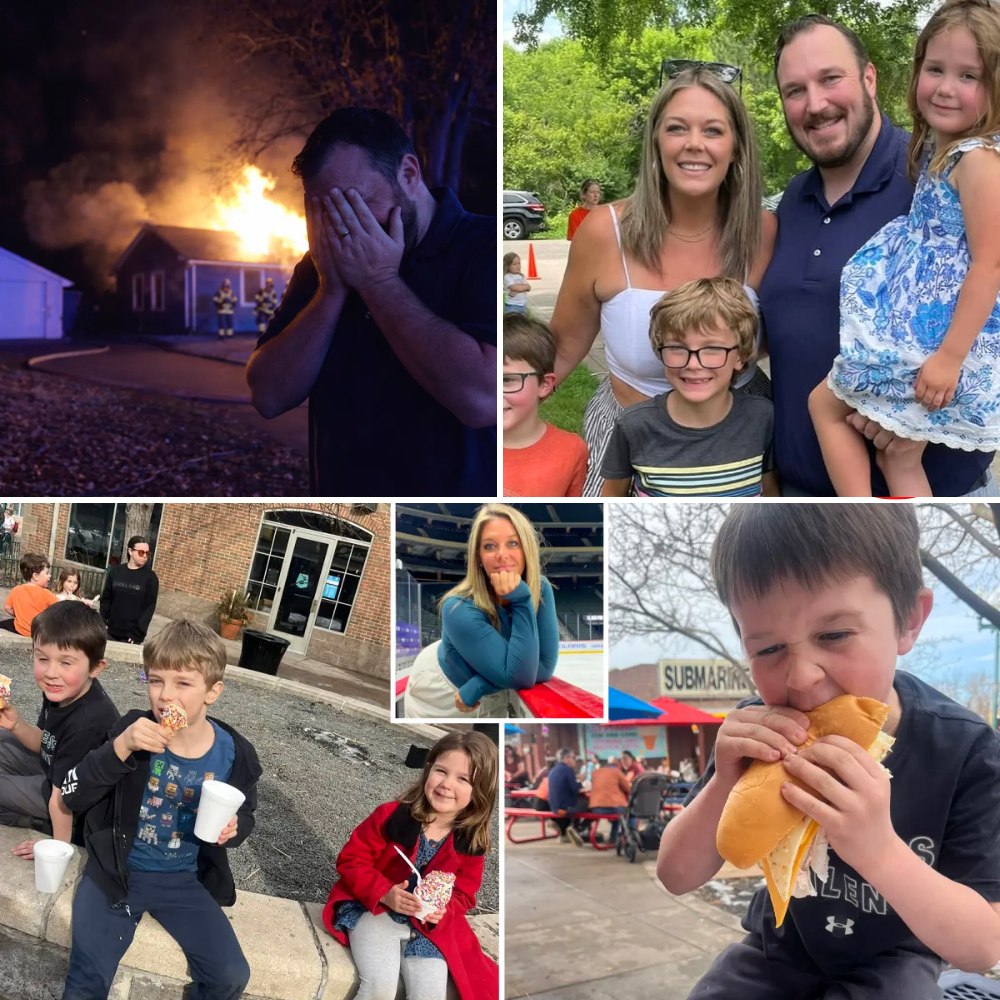
Heartbreaking & Suspicious 😱 Jessi Pierce & 3 Adorable Kids Die in Minnesota House Fire – Husband Miraculously Away…
The early morning silence in White Bear Lake, Minnesota, was brutally shattered on March 21, 2026, when a ferocious blaze erupted from the modest single-family home on the 2100 block of Richard Avenue. Around 5:25 a.m., neighbors were jolted awake by the roar of flames and the thick, choking smoke that poured into the frigid […]

“UMBRELLA” BUT MAKE IT SOUL-CRUSHING! 😍 Braden Rumfelt delivers the most emotional Idol performance ever… from whisper to chills in seconds! Who’s replaying? 🔁💥
“HE DIDN’T JUST SING… HE MADE EVERYONE FEEL IT.” When Braden Rumfelt stepped onto the American Idol stage, no one expected the kind of moment that followed. Covering a hit by Rihanna, he delivered a smooth, emotional performance that instantly shifted the energy in the room. From the first note, it felt different. His voice […]

THE HIDDEN SIDE OF AMERICAN IDOL NO ONE SEES! 😢 Missouri mom Hannah Harper opens up about guilt, exhaustion & rising pressure in Top 14 👶🎤 Who’s Team Hannah?
Missouri native Hannah Harper is opening up about the reality behind her American Idol journey, admitting the challenge of balancing life as a stay-at-home mom while stepping into the spotlight. As she competes for America’s vote in the Top 14, the pressure is only growing. Behind the scenes, Hannah revealed the demanding schedule, emotional weight, […]

19 YEARS LATER… REBA CAST REUNITED & IT FEELS LIKE NO TIME PASSED! 🔥 Hugs, laughs, & epic prank call to JoAnna! This healed my 2000s heart 😍
After 19 Years… The Reba Family Is Finally Back Together. Time may pass, shows may end, but some bonds never fade. Nearly two decades after the beloved sitcom Reba left our screens, the cast reunited for the first time on the set of Happy’s Place. The moment they saw each other again, it felt like […]
End of content
No more pages to load