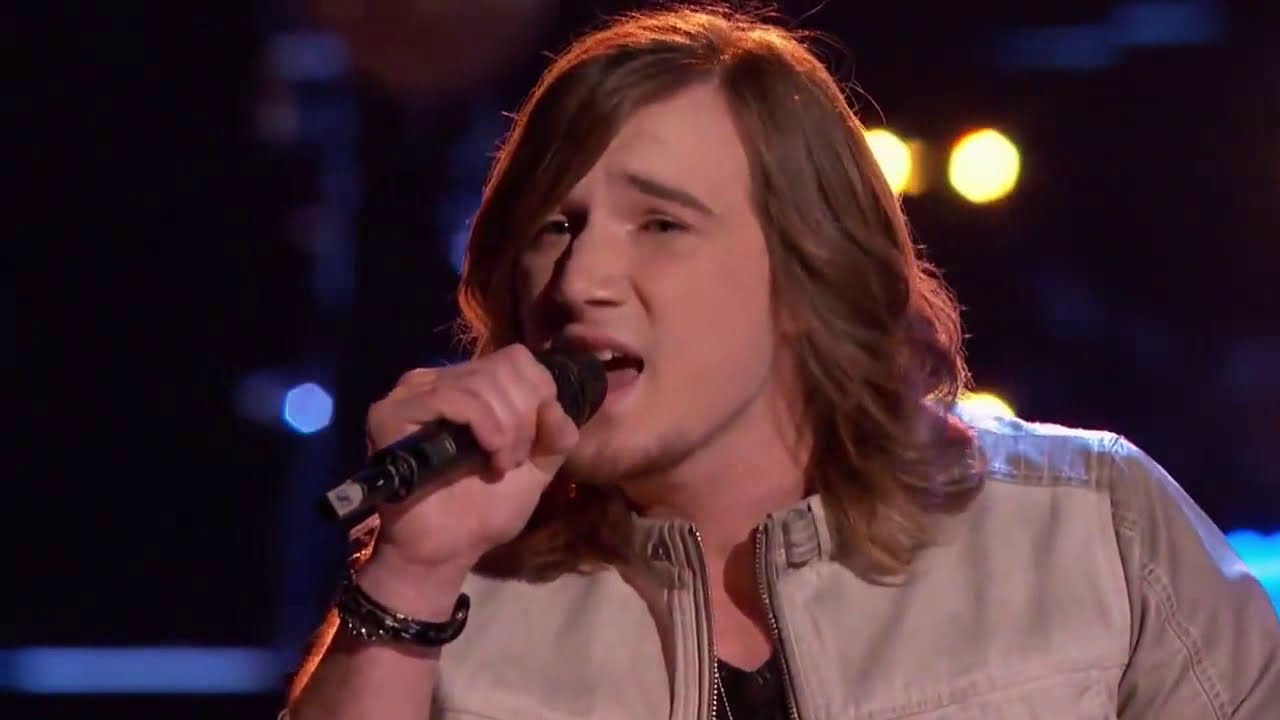
Few moments in music history capture the irony of fate quite like Morgan Wallen’s 2014 run on The Voice. A fresh-faced 20-year-old from the hills of Sneedville, Tennessee, stepped onto that glittering stage with a raspy voice that turned heads—and chairs. Shakira spun first, followed by Usher, both captivated by his raw rendition of Howie Day’s “Collide.” He joined Team Usher, got stolen by Adam Levine, battled through rounds with pop-heavy tracks like Avicii’s “Hey Brother” and One Direction’s “Story of My Life.” Fans loved his unique twang-infused delivery. Yet when he finally leaned into his roots with Florida Georgia Line’s “Stay”—his first outright country performance—the audience votes sent him home in the playoffs.
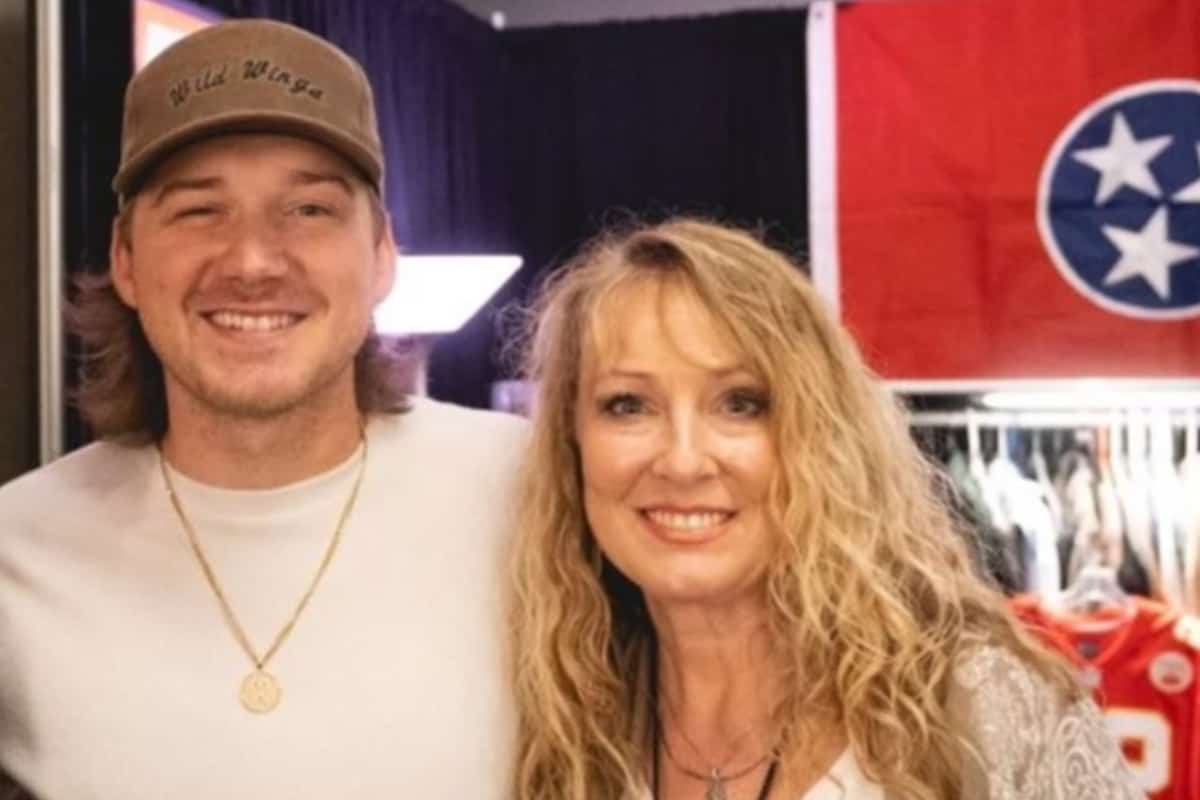
What the judges and America didn’t know? That elimination wasn’t a defeat. It was destiny in disguise. Behind the scenes, Wallen’s mother, Lesli, had secretly signed him up for the show, seeing a spark others missed while he drifted post a career-ending baseball injury. She believed in his talent deeply, but perhaps intuitively knew pop’s bright lights weren’t his lane. The rejection stung, but it propelled him straight to Nashville, where his authentic country soul exploded into one of the genre’s biggest phenomenons. Today, with billions of streams, record-shattering albums, and sold-out stadiums, Wallen’s story is a testament to how sometimes, the greatest breakthroughs come from doors slamming shut.
Morgan Cole Wallen entered the world on May 13, 1993, in the small town of Sneedville, nestled in Tennessee’s Appalachian foothills. Raised by parents Tommy, a Baptist pastor with a love for classic rock, and Lesli, a teacher immersed in contemporary Christian music, young Morgan grew up surrounded by diverse sounds. Church choirs were his first stage—he started singing at age three alongside his sisters. Piano and violin lessons followed, instilling discipline and melody. But sports dominated his youth. A standout pitcher and shortstop at Gibbs High School, Wallen was college-bound for baseball until a torn ulnar collateral ligament in his senior year shattered those dreams.
Adrift in his early 20s, Wallen landscaped yards and pondered his future. Music simmered on the back burner. He idolized hard rock bands like Breaking Benjamin, but country whispers grew louder—Keith Whitley, Eric Church, the raw honesty of small-town life. Lesli saw it clearly. People at church raved about his voice: “He’s a star.” Watching The Voice, she secretly submitted his application. “I thought, ‘Morgan needs to try this,'” she later recalled. When he learned of it, Wallen was skeptical—he didn’t even know the show—but agreed. With mom and grandmother in the audience, he auditioned in St. Louis, earning his spot.
Season 6 of The Voice thrust Wallen into the spotlight. His blind audition wowed: Shakira called his voice “as manly as it gets,” Usher praised its uniqueness. Choosing Usher, Wallen navigated battles with pop flair. Producers nudged him toward mainstream sounds; he later admitted, “They wanted me to sing pop music, and I wanted to sing country.” Clashes arose, but he advanced—stolen by Levine after a strong showing. The playoffs brought his bold move: “Stay,” a heartfelt country ballad. It showcased his twang, his emotion, his truth. Yet viewers, primed for pop polish, voted him out.
Wall reflected years later: Getting eliminated was “the best thing that ever happened to me.” It kick-started his drive, connected him to industry pros, and clarified his path. No pop compromises—just pure country. He packed up and headed to Nashville in 2015, hungry and focused.

soaps.sheknows.com
youtube.com
cheatsheet.com
Nashville embraced him quickly. While in L.A. for The Voice, Wallen met vocal coach Sergio Sanchez, who introduced him to Big Loud Records’ Bill Ray and Paul Trust. Signing with Panacea initially, he released the Stand Alone EP in 2015, featuring early gems like “Spin You Around.” By 2016, Big Loud scooped him up. His debut single “The Way I Talk” highlighted that unmistakable East Tennessee drawl—gravelly, heartfelt, unapologetic.
Breakthrough came with 2018’s If I Know Me. Tracks like “Up Down” (with Florida Georgia Line) went platinum, blending bro-country energy with personal storytelling. “Whiskey Glasses” became his first No. 1, a rowdy anthem of heartbreak. The album showcased versatility: swampy grooves, rock edges, vulnerable ballads. Critics noted his voice’s evolution—deeper, more commanding, honed from relentless practice post-Voice.
But it was 2021’s Dangerous: The Double Album that catapulted him to superstardom. A sprawling 30-track beast, it spent weeks atop the Billboard 200, spawning smashes like “More Than My Hometown,” “7 Summers” (a nostalgic retro hit), and “Sand in My Boots.” “Wasted on You” captured post-breakup ache. The album’s success defied genres, blending country roots with pop-leaning production and hip-hop rhythms—proving Wallen’s hybrid appeal.
Controversies tested him. In 2021, a video surfaced of him using a racial slur, leading to temporary industry backlash: radio pulls, label suspension. Wallen apologized, sought growth, and returned stronger. Fans stood by; streams soared. His 2023 follow-up, One Thing at a Time, dominated longer—36 tracks, all charting on the Hot 100, a record. “Last Night” became the year’s biggest song, crossing to pop radio. “Thought You Should Know,” a tender ode to Lesli, touched hearts.
:max_bytes(150000):strip_icc():focal(999x0:1001x2)/morgan-wallen-lesli-wallen-052824-4bff3b3af9ce4bebbcd5866232752cb0.jpg)
people.com
countrynow.com
Lesli’s role looms large. She nurtured his talent from church solos to violin recitals. Signing him up for The Voice wasn’t about fame—it was exposure, a nudge toward purpose after baseball’s loss. “People would come up to me and be like, ‘He’s a star,'” she said. That “failure” forced clarity: pop wasn’t home. Country was. Nashville waited, with its honky-tonks, songwriting rooms, and fans craving authenticity.
Wall credits the rejection for sharpening him. “I practiced harder,” he told Billboard. It built resilience. Post-elimination, he formed temporary band Morgan Wallen & Them Shadows, gigged relentlessly, refined his craft. Big Loud saw the diamond: a voice like aged whiskey, lyrics from real life—small-town struggles, love, loss, redemption.
His sound evolved yet stayed rooted. Influences span classic rock (dad’s Led Zeppelin), nu-metal teens, rap flows, but country anchors it. That raspy drawl, lagging phrasing—hallmarks from The Voice days—now define hits. Collaborations with Eric Church, HARDY, Post Malone bridge worlds, but Wallen remains country’s king.
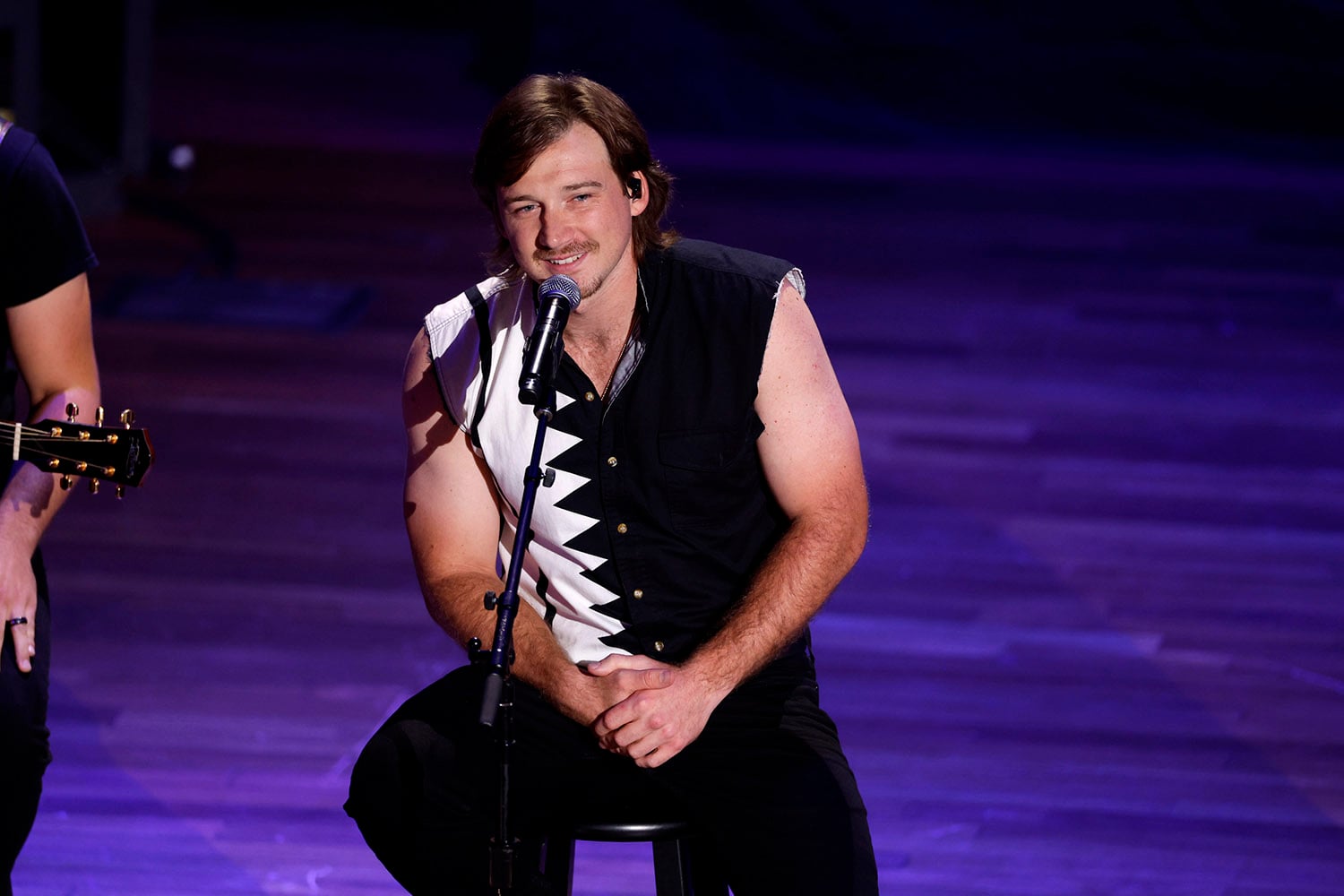
In 2025, Wallen reigns supreme. His “I’m the Problem” tour sells out stadiums; a new album looms. Father to son Indigo, he balances fame with family. Lesli and Tommy attend shows, beaming as crowds sing every word.
The Voice judges never knew Lesli’s quiet push—or how rejection forged a legend. Wallen didn’t win the show, but he won country. His story thrills because it’s real: a mom’s faith, a son’s grit, a genre’s embrace. From playoffs exit to chart domination, it’s proof that sometimes, the wrong door closing opens the perfect one.
As Wallen sings in “Thought You Should Know”: “I got a lot of good in my life… thanks to you.” Lesli’s secret entry sparked it all. And country music—and millions of fans—are forever grateful.

latimes.com

tasteofcountry.com

countrynow.com

billboard.c