Joy Unleashed on Ice: Alysa Liu’s Electrifying Exhibition Gala Caps Historic Olympic Gold with Pure Fun and Fan Frenzy
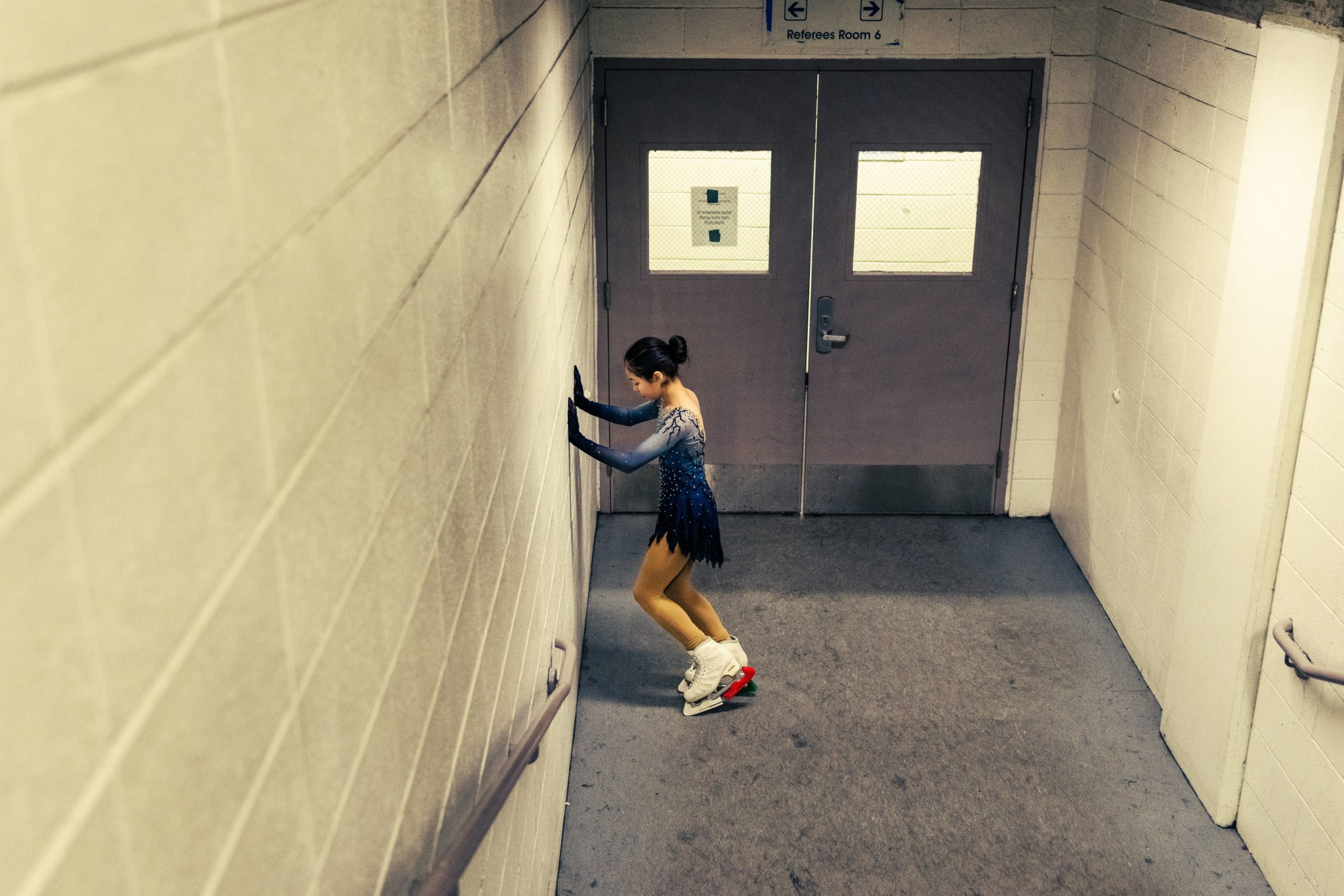
The Milano Ice Skating Arena still hummed with the afterglow of competition when Alysa Liu glided back onto the ice on February 21, 2026, just two days after claiming the women’s singles gold medal at the Milan Cortina Winter Olympics. No pressure of scores, no judges’ scrutiny—just freedom. The 20-year-old American champion, fresh off ending a 24-year U.S. drought in women’s figure skating gold, chose a vibe shift that electrified the crowd. She skated to the infectious remix of “Stateside” by PinkPantheress featuring Zara Larsson, transforming the exhibition gala into what felt like an impromptu club night on blades.
Dressed in a sparkling blue outfit that shimmered under the lights—some fans noted its anime-inspired flair reminiscent of Madoka Magica—Alysa moved with effortless swagger. The beat dropped, and she launched into playful footwork, sharp edges, and joyful spins that had the audience roaring. She popped small jumps with theatrical flair, threw in cheeky hip shakes, and even flashed a grin mid-element that screamed pure delight. Commentators fell silent at points, letting the music and her energy speak. Zara Larsson herself reacted on TikTok: “You know it’s good when the commentators are quiet.” Social media exploded—viewers called it “a concert on ice,” “club vibes but make it Olympic,” and “the most fun I’ve seen in figure skating.” The crowd erupted in cheers, whistles, and standing ovations, turning a post-competition showcase into one of the Games’ most memorable moments. Alysa closed the gala, leaving fans chanting her name long after the lights dimmed.

This wasn’t just entertainment; it was a declaration. After years of intense pressure, a shocking retirement at 16, and a triumphant comeback, Alysa proved she skates for joy now. Her Olympic free skate to Donna Summer’s “MacArthur Park” had already delivered technical mastery—seven clean triples, including combinations that showcased her signature power—and emotional depth, earning 226.79 points to overtake Japan’s Kaori Sakamoto (silver) and Ami Nakai (bronze). But the gala performance stripped away competition’s weight, revealing the artist beneath the athlete. “It feels like I’m really just doing what I want to do,” she had said earlier. That night, she embodied it.
Alysa Liu’s journey to this pinnacle reads like a redemption arc scripted for the ages. Born August 8, 2005, in Clovis, California, and raised in the Bay Area’s Richmond, she entered the world as the eldest of five siblings in an unconventional family. Her father, Arthur Liu, a Chinese dissident who fled to the U.S. in 1989 via Operation Yellowbird after participating in pro-democracy protests tied to Tiananmen Square, built their life from scratch. Arriving in Oakland with nothing, he worked as a busboy before earning an MBA and law degree, eventually becoming an attorney. As a single father, Arthur used surrogacy and anonymous egg donors to welcome Alysa, sister Selina, and triplet siblings Julia, Jaylin, and Justin. He raised them with help from his mother, who immigrated from China, instilling values of resilience and freedom.
Arthur introduced Alysa to skating at age five after seeing Michelle Kwan on television. What began as fun quickly turned prodigious. By 12, she landed a triple Axel in international competition—the youngest American to do so. At 13, she became the youngest U.S. national champion ever, hoisting the trophy with childlike glee while her coach helped her reach the top podium step. She repeated as champion the next year, adding groundbreaking feats: the first U.S. woman to land a quad Lutz in competition and combinations blending triple Axels with quads. Her technical arsenal stunned—triple Axel-triple toe, spins that blurred into art. Commentators dubbed her the future of American ladies’ skating, the one to end decades without major Olympic hardware.

The 2022 Beijing Olympics arrived when she was just 16. Alysa contributed to the team event and placed seventh in singles, smiling through braces amid global scrutiny. Yet privately, the sport had consumed her. Endless training, controlled diets, prescribed music and costumes left little room for normalcy. “There was a time where I wasn’t confident in myself or I didn’t know I could step out of the lane,” she later shared. Burnout hit hard. Weeks after earning World bronze in Montpellier, she posted a simple Instagram announcement: retirement at 16. No fanfare, just choice.
She enrolled at UCLA to study psychology, skied for the first time, hung out with friends, and rediscovered life off-ice. Two seasons passed without competition. Then, in early 2024, a ski trip sparked adrenaline. She tried a double Axel casually—and nailed it. Love returned, not as duty but desire. By March 2024, she declared her comeback, training remotely with Phillip DiGuglielmo and Massimo Scali while balancing college in Lakewood, California.
The resurgence stunned. She won Challenger Series events, took silver at 2025 U.S. Nationals, fourth at Four Continents, then captured World gold—the first American woman since Kimmie Meissner in 2006. Grand Prix Final victory followed. At 2026 U.S. Championships, silver behind Amber Glenn secured her Olympic spot. In Milan, she added team gold with Ilia Malinin and others before her singles triumph. Two golds at one Games—the first U.S. woman to achieve that feat.
Her style sets her apart. The signature “halo” hairstyle—bands added yearly like growth rings—featured brown and gold stripes for Olympics, symbolizing her evolution. She picks upbeat, quirky music, rejects classical norms, and infuses programs with personality. “There needs to be more individuality,” she insists. “Success looks different on everybody.” Her frenulum piercing, bold fashion choices, and visible joy challenge skating’s traditional mold. Partnerships like Gillette Venus highlight self-care rituals that keep her grounded.
Family remains central. Arthur watched every moment from the stands with her siblings cheering wildly. His escape from oppression adds poetic weight—Alysa’s victory broadcasts freedom to billions, including in China where his story remains censored. Federal charges once revealed Chinese spies targeting Arthur and even young Alysa, underscoring the stakes. Yet she skates with lightness, hugging rivals like Ami Nakai post-medal and fist-pumping with abandon.
The gala performance crystallized her evolution. To PinkPantheress—her “favorite artist”—she channeled club energy: quick footwork syncing beats, playful expressions, and jumps that felt celebratory rather than obligatory. Fans online raved: “She’s having fun at the club but on ice skates—love it!” “The joyful sunshine spirit from Alysa!” It wasn’t flawless technically—no quads here—but perfection wasn’t the point. Joy was. Commentators noted how she brought personality back to a sport often criticized for rigidity.

Post-Games, Alysa eyes balance. She’ll resume UCLA studies, explore fashion design (inspired by her costumes and creative ideas), and share stories through potential podcasts or projects. “I have creative ideas,” she emphasized. “I love storytelling.” Psychology studies inform her focus on mental health, burnout prevention, and authenticity. She tours with Stars on Ice, performs galas, and collaborates with brands like Nike and Ralph Lauren.
Her impact ripples. Young skaters see technical brilliance paired with individuality—no more conformity. Teammates praise her mental-wellness priority. Olympians call her gold “healing,” proof that stepping away can lead to greater heights. In an era of youth burnout, Alysa models sustainable passion: retire at 16, live, return stronger at 20 because she wants to.
As she returns to California, Alysa vows to protect her peace. “I like my life, so I don’t want it to be too chaotic.” Yet the gala showed chaos can be beautiful—when chosen. The crowd’s roars echoed long after she exited the ice, a testament to how one skater’s joy can ignite thousands.
Alysa Liu didn’t just win gold; she redefined winning. From prodigy to retiree to double Olympic champion, her path proves resilience, authenticity, and fun can coexist at the highest level. The exhibition wasn’t an encore—it was a promise: this is who she is now. Free, fierce, and forever changing the game. Figure skating’s new era sparkles brighter because of her.
News
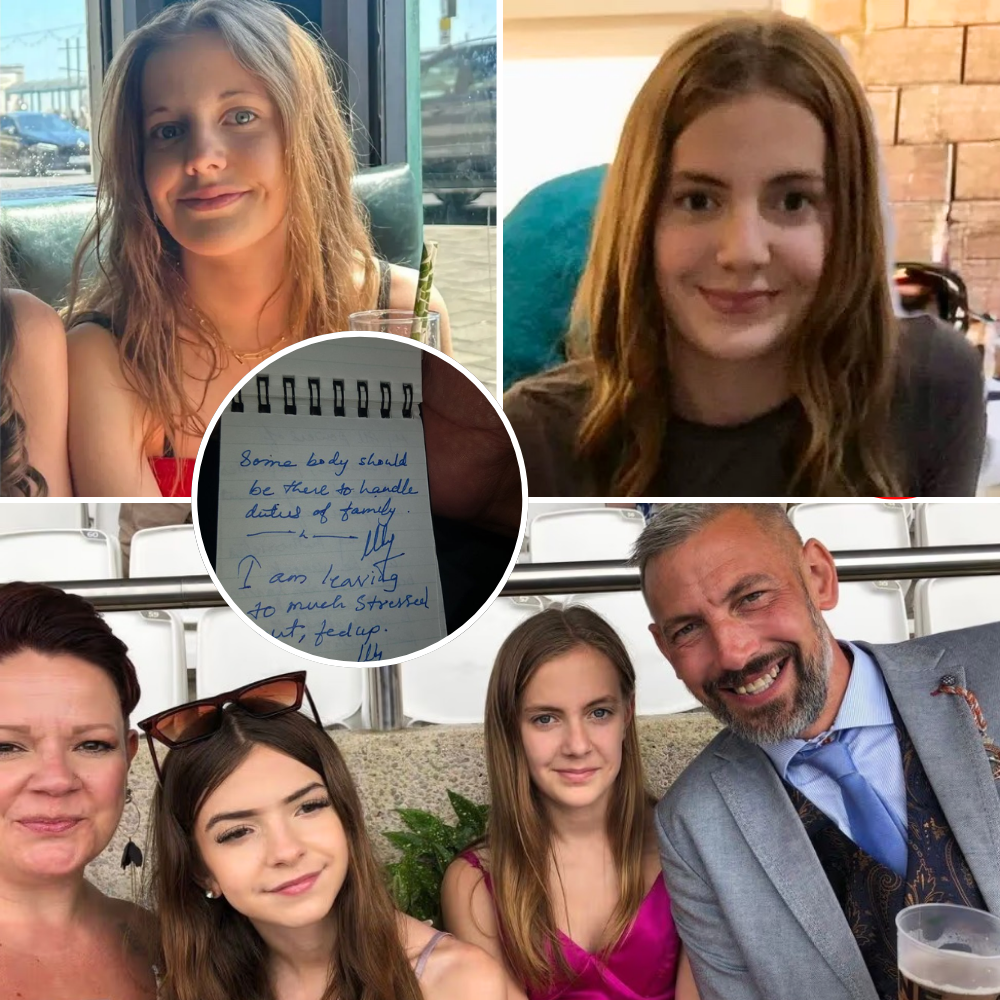
Mum Went to Wake Her 12-Year-Old for School… Instead Found Amelia Dead After Relentless Snapchat Torment 😭 Last Night She Was Happy & Laughing – The Devastating Details Inside
A cheerful 12-year-old girl with a smile that warmed every room spent her final evening wrapped in the simple joys of family life, laughing freely while sharing fish and chips at her grandparents’ house. No one could have predicted that the next morning would bring the kind of silence no parent should ever endure. On […]

👀 American Idol Judges Stunned by Braden Rumfelt’s Voice After Two Major Surgeries Destroyed His Baseball Career — His Comeback Story Is Unbelievable! 😱
The spotlights in the American Idol audition room pulsed with that familiar electric hum as 22-year-old Braden Rumfelt stepped forward, guitar slung over his shoulder, his twin brother Kellen right beside him with fingers poised on the strings. Murphy, North Carolina, felt a world away in that moment—the small-town life of substitute teaching, quiet family […]

😲 She Wrote “String Cheese” While Battling Postpartum Depression… Now Hannah Harper Is Stealing American Idol! Her Incredible Journey Will Inspire You ❤️
The Hawaiian stage lights bathed the Aulani Resort in a golden glow as 25-year-old Hannah Harper, a stay-at-home mom from the tiny town of Bunker, Missouri, gripped the microphone with the same quiet determination she once used to wrangle three rambunctious boys through a long day of laundry and snacks. Her homemade patchwork dress shimmered […]
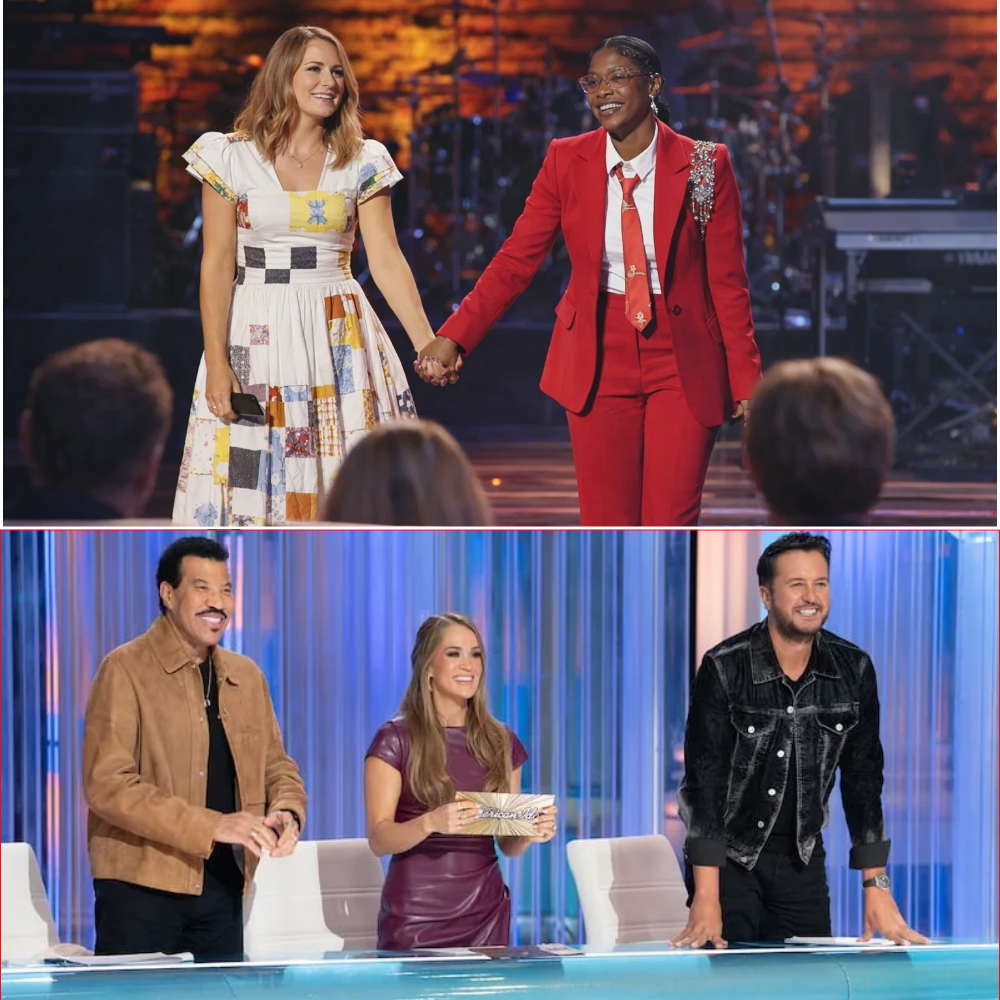
😱 American Idol Top 20 Poll SHOCK: Hannah Harper & Keyla Richardson Dominate… But Who’s Going HOME Next? 😭 Who’s in Danger?
Hawaii’s sun-drenched shores at Disney’s Aulani Resort became the unlikely battlefield where American Idol Season 24’s Top 20 delivered heart-stopping performances that have left fans divided, judges stunned, and Gold Derby readers casting their clearest verdict yet on who might not survive America’s vote. With the first live results episode looming on March 30, the […]
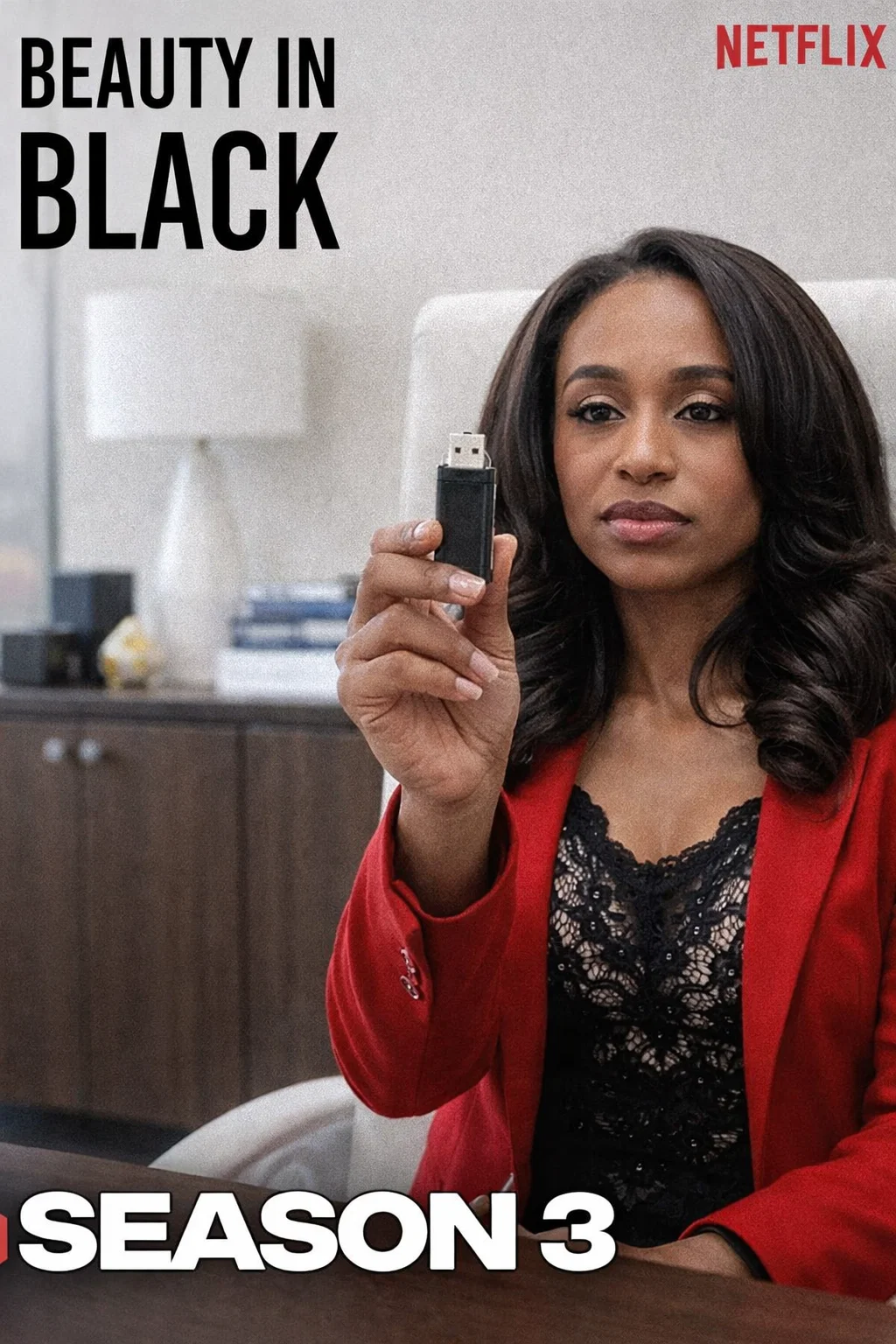
😱💔 Kimmie Standing On The Rooftop With That USB Drive Has Fans Terrified — Is She About To Destroy The Entire Bellarie Empire? 👀
The first explosive trailer for Beauty in Black Season 2 Part 2 is here — and everything shifts fast. The new footage shows Kimmie stepping fully into her power with zero hesitation, but one bold move has fans in total shock. Is she protecting herself… or setting something much bigger in motion? The stakes feel […]

💥 “Is The Baby Okay?” — Virgin River Season 7 Finale Left One Devastating Clue About Mel & Jack’s Child That Changes Everything 😭
Netflix just dropped the news everyone has been waiting for: Virgin River is officially returning for Season 7 — and fans are already bracing for another emotional chapter. The release date and exact drop time are now confirmed, meaning the next wave of romance, heartbreak, and small-town secrets is closer than expected. But one storyline […]
End of content
No more pages to load