Eileen Gu has once again proven why she remains one of the most polarizing figures in modern sports. Fresh off claiming three more Olympic medals—including a dominant gold in the halfpipe—at the 2026 Milan Cortina Winter Games, the 22-year-old freestyle skiing sensation has catapulted herself to the title of the most decorated freestyle skier in Olympic history with a staggering six medals total. Yet amid the champagne celebrations and fashion-week appearances in Milan, a familiar storm of controversy swirls around her: the decision she made at just 15 years old to abandon Team USA and compete for China, her mother’s homeland.
Born Eileen Feng Gu on September 3, 2003, in San Francisco, California, Gu grew up immersed in American culture. She attended a prestigious high school, later enrolled at Stanford University (majoring in quantum physics and international relations while juggling elite athletics), and built her early career on the U.S. freeski team. She spent weekends shredding Tahoe’s slopes, listened to American hip-hop and blues legends like Metro Boomin, A$AP Rocky, and B.B. King, and dreamed big in the land of opportunity. Her mother, Yan Gu, originally from Beijing, introduced her to China early—Gu spent summers there since age eight, even establishing youth skiing camps to spark interest in a country where the sport was virtually unknown.
At 15, after one promising season with the U.S. team—where she met idols and formed lasting bonds—she made the bombshell announcement: she would represent China internationally. The move was framed as cultural bridge-building, a chance to “uplift others through sport” and introduce freeskiing to hundreds of millions who had never seen a terrain park. Ahead of the 2022 Beijing Winter Olympics, her choice positioned her as a symbol of China’s rising soft power in winter sports. She delivered spectacularly: two golds and a silver in Beijing, becoming an instant global icon and helping explode participation rates among Chinese girls and worldwide.
Fast-forward to Milan 2026. Gu competed in all three women’s freeski disciplines—slopestyle, big air, and halfpipe—delivering a grueling schedule that tested her endurance. She claimed silver in slopestyle and big air before sealing her legacy with a commanding halfpipe gold, defending her title and pushing her career Olympic tally to three golds and three silvers. No female freeskier has ever achieved more. Off the slopes, she pivoted seamlessly to her lucrative modeling career, strutting Milan Fashion Week runways through early March while reflecting on her journey.
Yet triumph came laced with venom. The backlash that erupted in 2022 resurfaced fiercer than ever, amplified by heightened U.S.-China geopolitical tensions. Vice President JD Vance, in a Fox News interview during the Games, didn’t mince words: “Somebody who grew up in the United States of America, who benefited from our education system, from the freedoms and liberties that make this country a great place, I would hope they would want to compete with the United States of America. So, I will root for American athletes and I think part of that is people who identify themselves as Americans.”
Gu fired back with characteristic poise and defiance. In a viral Instagram post shortly after the Olympics wrapped, she addressed critics head-on: “A lot of people won’t understand or believe that I made a decision to create the greatest amount of positive impact on the world stage that I could, at this age, given my interests and passions.” She continued: “Three golds and six medals later, I can confidently say what was once a dream is now a reality.” Reflecting on her 15-year-old self, she wrote of inspiring “terrain parks full of little girls who will never doubt their place in the sport” and millions of new skiers in China and beyond.
The vitriol has been relentless. Conservative pundits branded her “ungrateful” and “shameful,” with some calling her a “traitor” for choosing what they see as America’s authoritarian rival. Former NBA player Enes Kanter Freedom publicly labeled her one. Reports surfaced of physical assaults on Stanford’s campus—Gu claimed she was “physically assaulted on the street,” with police called—and her dorm robbed. Death threats poured in. In interviews, she told The Athletic she felt like “a punching bag for a certain strand of American politics,” enduring experiences “no one should ever have to endure” at 22.
Critics point to financial incentives. A Wall Street Journal report revealed that Gu and another American-born athlete competing for China received a combined $6.6 million from Beijing’s sports bureau in 2025—funds quickly scrubbed from public records after exposure. Megan Rapinoe, no stranger to controversy, called it an “excellent business decision.” Gu has denied money drove her choice, insisting it was about passion, impact, and cultural connection. Her annual earnings top $23 million, with only a fraction from skiing—the rest from endorsements, fashion deals with brands like Louis Vuitton and Tiffany & Co., and her modeling empire gracing covers of Vogue, Harper’s Bazaar, and more in both the U.S. and China.
The double standard stings her supporters. Eight other U.S.-born athletes represented different nations at Milan 2026 without comparable outrage—only China’s star drew the fire. Some argue the backlash masks Sinophobia amid trade wars, tech rivalries, and human-rights concerns over Uyghur repression and Hong Kong. China, meanwhile, hailed her as a national hero, using her Western polish for “sports-washing” optics. Gu navigates both worlds deftly: still a Stanford student balancing online classes and exams, still tied to American friends and culture, yet proudly waving China’s flag.
Her resilience shines through. In post-Games reflections, she emphasized growth: “Things don’t get easier. You just get stronger.” She clapped back at a reporter questioning her “two golds lost” after silvers in early events, laughing: “I’m the most decorated female freeskier in history… I think it’s kind of a ridiculous perspective to take.” Lindsey Vonn, the skiing legend, publicly supported her, praising the “rising tide” of talent she inspires.
Gu’s story transcends sport—it’s a mirror to identity, loyalty, and globalization in the 21st century. Born in America, raised with dual heritage, she chose a path that maximized her platform. Critics see betrayal; admirers see courage and vision. She introduced freeskiing to a massive new audience, built parks for girls who once had none, and proved elite performance possible amid chaos.
As she steps off the Olympic stage—perhaps for good, with whispers of retirement after six medals—she heads to new horizons: more fashion weeks, continued studies, and the quiet satisfaction of knowing she changed lives. The backlash may never fully fade in an era of polarized nationalism, but Gu’s legacy is secure. She’s not just the most successful freeskier ever—she’s proof that one young woman’s bold choice can ripple across continents, inspiring millions while forcing the world to confront uncomfortable questions about belonging, opportunity, and what it truly means to represent a nation.
In the end, Eileen Gu stands tall on the podium she built herself—six medals gleaming, critics shouting, and a generation of young skiers looking up in awe. Whether you cheer her or condemn her, one truth is undeniable: she didn’t just compete. She redefined what victory looks like in a divided world.
News
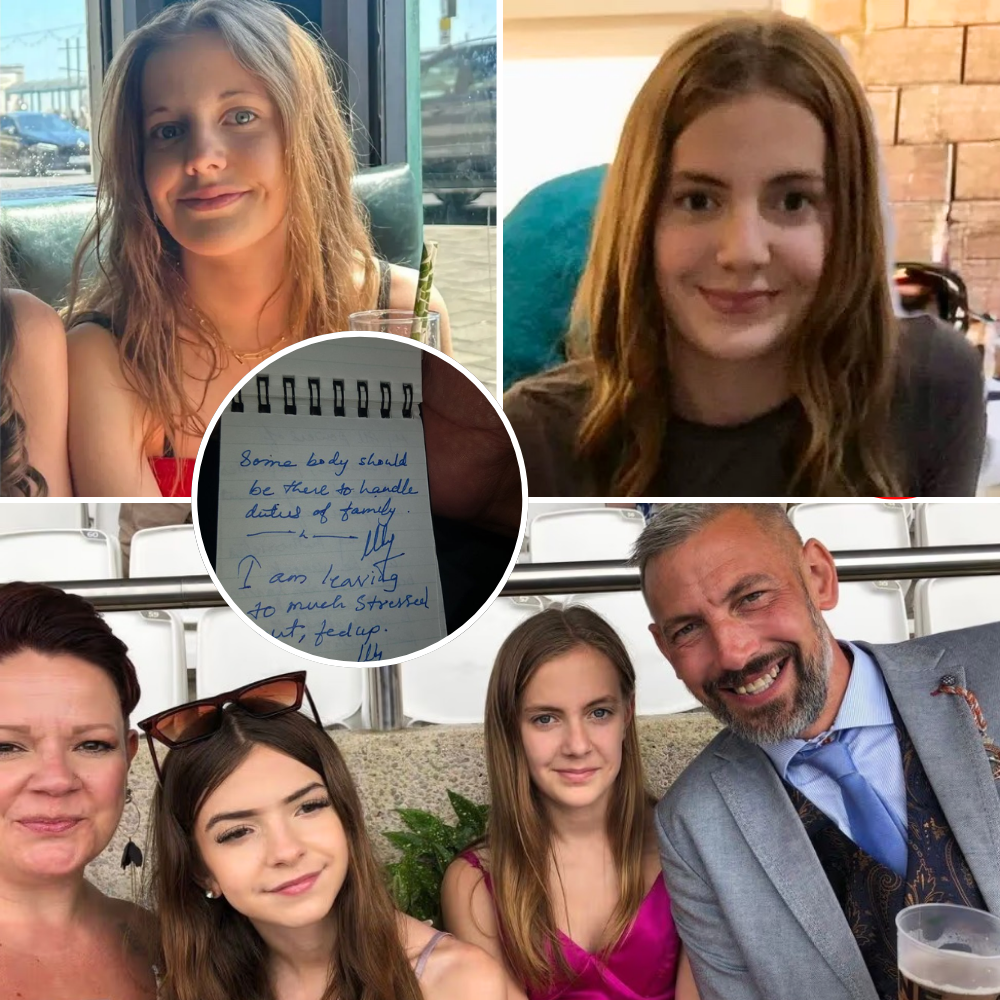
Mum Went to Wake Her 12-Year-Old for School… Instead Found Amelia Dead After Relentless Snapchat Torment 😭 Last Night She Was Happy & Laughing – The Devastating Details Inside
A cheerful 12-year-old girl with a smile that warmed every room spent her final evening wrapped in the simple joys of family life, laughing freely while sharing fish and chips at her grandparents’ house. No one could have predicted that the next morning would bring the kind of silence no parent should ever endure. On […]

👀 American Idol Judges Stunned by Braden Rumfelt’s Voice After Two Major Surgeries Destroyed His Baseball Career — His Comeback Story Is Unbelievable! 😱
The spotlights in the American Idol audition room pulsed with that familiar electric hum as 22-year-old Braden Rumfelt stepped forward, guitar slung over his shoulder, his twin brother Kellen right beside him with fingers poised on the strings. Murphy, North Carolina, felt a world away in that moment—the small-town life of substitute teaching, quiet family […]

😲 She Wrote “String Cheese” While Battling Postpartum Depression… Now Hannah Harper Is Stealing American Idol! Her Incredible Journey Will Inspire You ❤️
The Hawaiian stage lights bathed the Aulani Resort in a golden glow as 25-year-old Hannah Harper, a stay-at-home mom from the tiny town of Bunker, Missouri, gripped the microphone with the same quiet determination she once used to wrangle three rambunctious boys through a long day of laundry and snacks. Her homemade patchwork dress shimmered […]

😱 American Idol Top 20 Poll SHOCK: Hannah Harper & Keyla Richardson Dominate… But Who’s Going HOME Next? 😭 Who’s in Danger?
Hawaii’s sun-drenched shores at Disney’s Aulani Resort became the unlikely battlefield where American Idol Season 24’s Top 20 delivered heart-stopping performances that have left fans divided, judges stunned, and Gold Derby readers casting their clearest verdict yet on who might not survive America’s vote. With the first live results episode looming on March 30, the […]
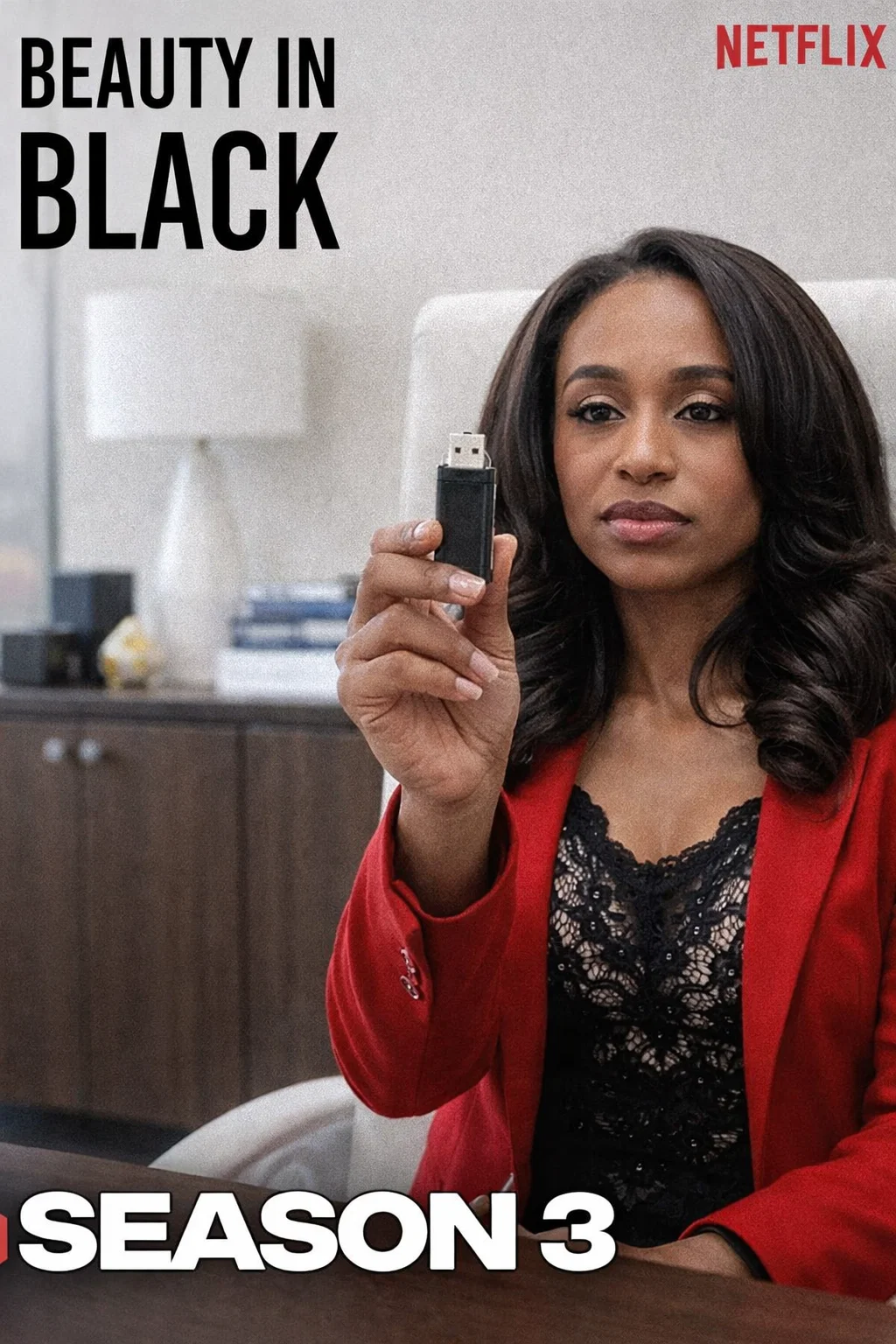
😱💔 Kimmie Standing On The Rooftop With That USB Drive Has Fans Terrified — Is She About To Destroy The Entire Bellarie Empire? 👀
The first explosive trailer for Beauty in Black Season 2 Part 2 is here — and everything shifts fast. The new footage shows Kimmie stepping fully into her power with zero hesitation, but one bold move has fans in total shock. Is she protecting herself… or setting something much bigger in motion? The stakes feel […]

💥 “Is The Baby Okay?” — Virgin River Season 7 Finale Left One Devastating Clue About Mel & Jack’s Child That Changes Everything 😭
Netflix just dropped the news everyone has been waiting for: Virgin River is officially returning for Season 7 — and fans are already bracing for another emotional chapter. The release date and exact drop time are now confirmed, meaning the next wave of romance, heartbreak, and small-town secrets is closer than expected. But one storyline […]
End of content
No more pages to load