Tristyn Bailey had everything ahead of her—a special Mother’s Day breakfast she was excitedly planning for her mom, Stacey, complete with pancakes, fresh fruit, and flowers from the yard. The 13-year-old cheerleader, always glowing in her aqua-blue uniform (her absolute favorite color), had spent the previous evening hanging out with friends at the Durbin Amenity Centre in northwest St. Johns County, Florida. Surveillance footage captured her last carefree moments at 1:15 a.m. on May 9, 2021, walking alongside her classmate Aiden Fucci. What started as an ordinary Saturday night spiraled into one of the most chilling crimes in recent memory, leaving a family shattered and a community forever haunted.

By dawn, Tristyn was missing. Her absence ripped through the Bailey home—father Forrest, mother Stacey, sister Sophia, and the rest of the devoted “Bailey 7” clan. Sophia began preparing the breakfast alone, unaware of the horror unfolding. The family reported her missing, launching an urgent search by the St. Johns County Sheriff’s Office. Sheriff Rob Hardwick later called it “our worst nightmare.” Hours later, Tristyn’s body was discovered near a retention pond south of Jacksonville—stabbed 114 times, with 49 defensive wounds on her arms and right hand proving she fought ferociously for her life against her attacker.
The killer was Aiden Fucci, 14 at the time, her classmate and neighbor. CCTV footage showed the pair walking together before Fucci fled alone. Evidence accumulated with terrifying speed: a Buck knife recovered from the nearby pond matched the fatal wounds, a sheath was found in his bedroom, blood-stained white Nike trainers, a bloodied T-shirt, and traces of blood on a scrap of paper. Fucci’s mother, Crystal Smith, faced charges of evidence tampering after surveillance captured her washing blood from his jeans, with residue discovered in a sink drain.
What elevated this tragedy from brutal to profoundly disturbing was the chilling prelude. Friends told investigators Fucci had been vocal about his dark fantasies for months. He openly discussed slitting throats, practiced stabbing motions with a knife, and described how “satisfying” it would be to watch someone die. One friend recounted to deputies: “He said he wanted to slit someone’s throat, he said it’d be satisfying.” Another testified he warned of killing someone that month, nicknaming knives “Picker” and “Poker” while pretending to stab people as a twisted game. Heavy cannabis use and a reportedly neglectful home environment were mentioned, but the red flags went unheeded. Judge R. Lee Smith later ruled the murder had “no other reason than to satisfy this defendant’s internal desire to feel what it was like to kill someone.” No greed, no revenge, no passion, no rejection—just a cold, premeditated thrill kill. The sheer number of wounds—114—became the state’s strongest evidence of planning and depravity.
Fucci’s post-arrest behavior only deepened the revulsion. Arrested the same night as the search intensified, he posted Snapchat selfies from the back of a police car—grinning widely, eyes gleaming, one captioned: “Hey guys has anybody seen Tristyn lately?” Others read: “We’re having fun, in a fing cop car” and “Guess who’s in a fing cop car… tripping, dude.” The images spread like wildfire, fueling public outrage as the community grieved.
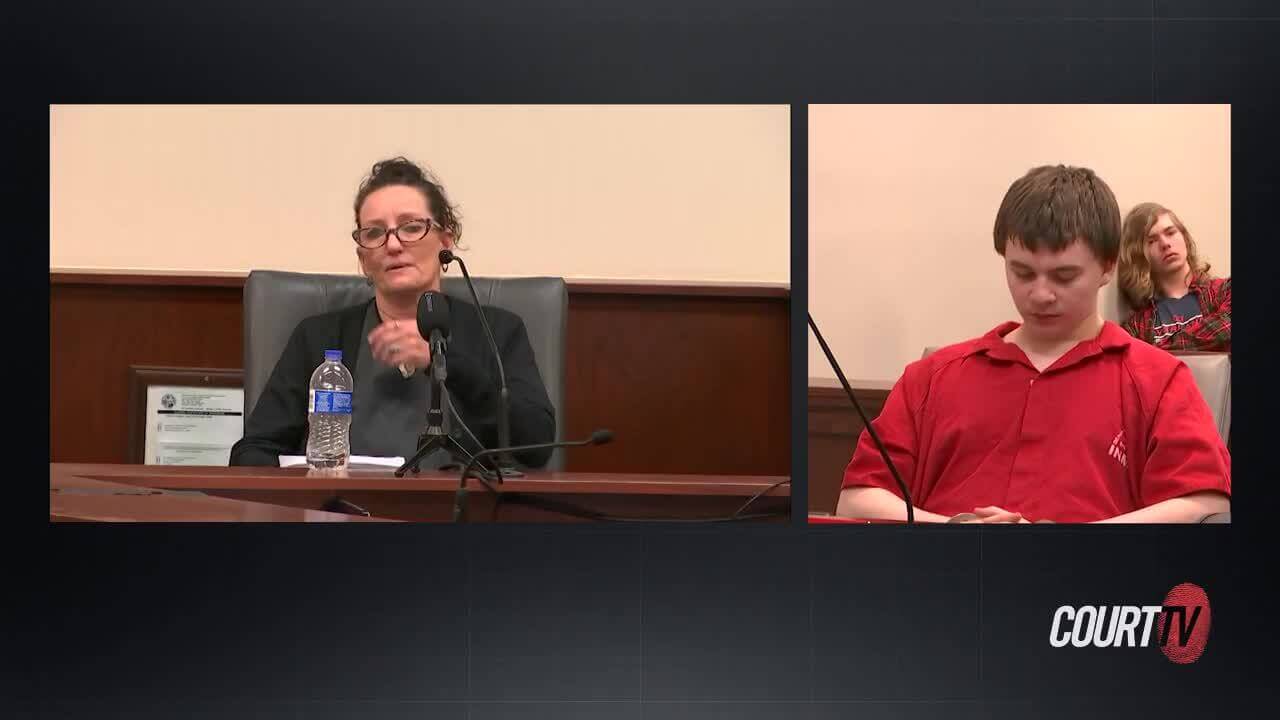
The legal journey was exhausting and emotional. Initially charged with second-degree murder and held without bail, the charges escalated to first-degree premeditated murder within three weeks, with Prosecutor RJ Larizza citing the overwhelming number of stab wounds as proof of intent. Fucci rejected multiple plea deals during his 20 months in Duval County Jail, where he clashed with inmates—threatening to “stab a b**** face to face,” involved in altercations, and even pepper-sprayed by guards.
On February 6, 2023, days before jury selection, Fucci—now 16—pleaded guilty to first-degree murder. The March 2023 sentencing hearings became a flood of heartbreak. Hundreds of victim-impact statements poured in. Tristyn’s father, Forrest, recalled how “our day was shattered” after the breakfast plans vanished. Mother Stacey described visions of her daughter’s terror: “The anxiety of imagining the fear she must have felt with each stab of your knife is too much to bear.” Siblings spoke of fractured childhoods; friends remembered Tristyn’s joy that inspired them to live fuller lives.
Judge Smith called the crime “heinous, atrocious and cruel,” with no redeeming motive. He sentenced Fucci to life in prison, reviewable after 25 years under Florida juvenile laws—no death penalty possible due to his age. Fucci’s apology—“I just want to apologise to the Bailey family”—rang hollow to many.
The Bailey family channeled unimaginable pain into purpose. They launched #BaileyStrong, wore aqua ribbons at every court date, held candlelight vigils, and created the Tristyn Bailey Memorial Fund for scholarships, youth safety initiatives, and mental-health awareness in schools. Sheriff Hardwick praised their resilience: “Their strength and grace throughout this case has been incredible. This agency will forever be connected to the Bailey Family and this community will forever be #BaileyStrong.”
Fucci, now 18, has bounced between facilities—Suwannee Correctional, Reception and Medical Center West Unit in Lake Butler (as of January 2025), then Cross City Correctional Institution. His 2025 appeal, contesting sentencing details like psychologist testimony, was denied by the Fifth District Court of Appeal, upholding the life sentence with only a minor clerical correction.

As February 26, 2026, marks yet another painful milestone, Tristyn’s story lingers in the public consciousness. Documentaries like Murder Gone Viral (aired November 4, 2025, on Channel 4) revisit the Snapchat posts, the pre-crime fantasies, and the overkill. The case has sparked relentless debate: How do we detect danger in troubled teens? What duty do schools, parents, and communities have when violent talk surfaces? In seemingly perfect suburbs, how do we shield the innocent from the darkness next door?
Tristyn was far more than a tragic headline. She was a daughter planning a loving surprise for her mom, a cheerleader whose flips and smiles electrified gyms, a little sister whose hugs meant the world. Her murder stole everyday joys—high-school cheers, first loves, future milestones. Yet her legacy fights back: every scholarship granted, every vigil illuminated, every parent who now pays closer attention to quiet warnings.
The Baileys’ grief remains profound—“our family was destroyed,” as Stacey has shared—but they have forged strength from ashes. Tristyn’s light refuses to be extinguished completely. In a world that can overlook brewing darkness in youth, her memory insists we confront it, name it, and stop it before another child pays the ultimate price.
She was only 13. Planning pancakes on Mother’s Day. Instead, she became a symbol—of lost innocence, pursued justice, and a family’s unyielding love.
News
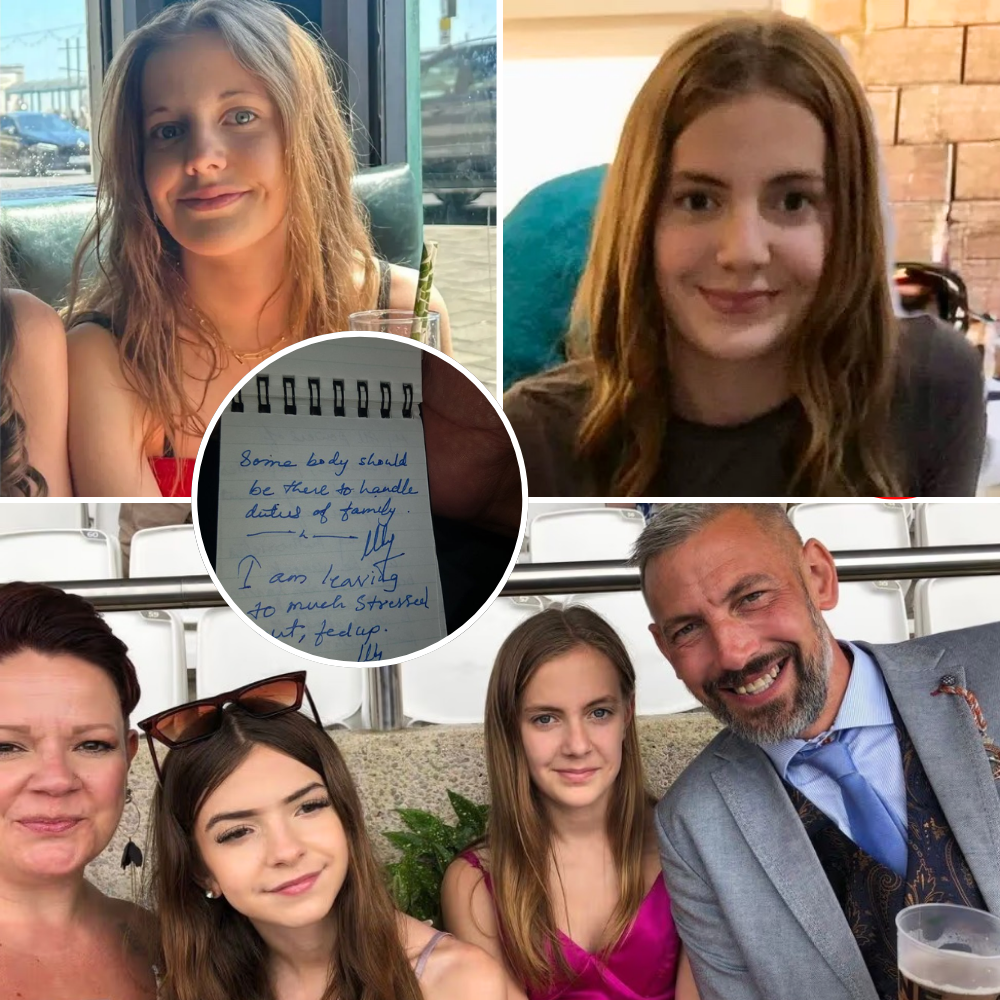
Mum Went to Wake Her 12-Year-Old for School… Instead Found Amelia Dead After Relentless Snapchat Torment 😭 Last Night She Was Happy & Laughing – The Devastating Details Inside
A cheerful 12-year-old girl with a smile that warmed every room spent her final evening wrapped in the simple joys of family life, laughing freely while sharing fish and chips at her grandparents’ house. No one could have predicted that the next morning would bring the kind of silence no parent should ever endure. On […]

👀 American Idol Judges Stunned by Braden Rumfelt’s Voice After Two Major Surgeries Destroyed His Baseball Career — His Comeback Story Is Unbelievable! 😱
The spotlights in the American Idol audition room pulsed with that familiar electric hum as 22-year-old Braden Rumfelt stepped forward, guitar slung over his shoulder, his twin brother Kellen right beside him with fingers poised on the strings. Murphy, North Carolina, felt a world away in that moment—the small-town life of substitute teaching, quiet family […]

😲 She Wrote “String Cheese” While Battling Postpartum Depression… Now Hannah Harper Is Stealing American Idol! Her Incredible Journey Will Inspire You ❤️
The Hawaiian stage lights bathed the Aulani Resort in a golden glow as 25-year-old Hannah Harper, a stay-at-home mom from the tiny town of Bunker, Missouri, gripped the microphone with the same quiet determination she once used to wrangle three rambunctious boys through a long day of laundry and snacks. Her homemade patchwork dress shimmered […]

😱 American Idol Top 20 Poll SHOCK: Hannah Harper & Keyla Richardson Dominate… But Who’s Going HOME Next? 😭 Who’s in Danger?
Hawaii’s sun-drenched shores at Disney’s Aulani Resort became the unlikely battlefield where American Idol Season 24’s Top 20 delivered heart-stopping performances that have left fans divided, judges stunned, and Gold Derby readers casting their clearest verdict yet on who might not survive America’s vote. With the first live results episode looming on March 30, the […]
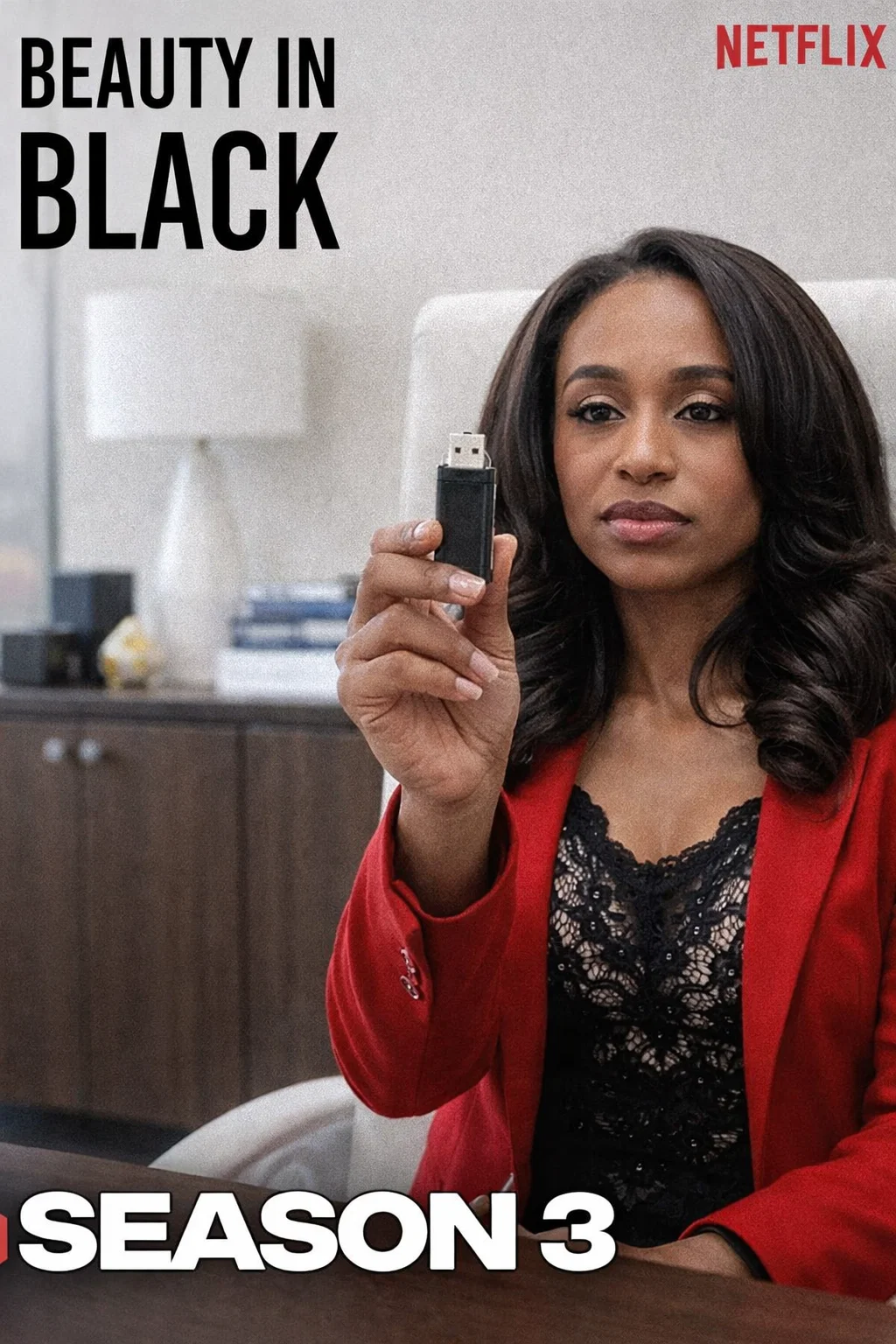
😱💔 Kimmie Standing On The Rooftop With That USB Drive Has Fans Terrified — Is She About To Destroy The Entire Bellarie Empire? 👀
The first explosive trailer for Beauty in Black Season 2 Part 2 is here — and everything shifts fast. The new footage shows Kimmie stepping fully into her power with zero hesitation, but one bold move has fans in total shock. Is she protecting herself… or setting something much bigger in motion? The stakes feel […]

💥 “Is The Baby Okay?” — Virgin River Season 7 Finale Left One Devastating Clue About Mel & Jack’s Child That Changes Everything 😭
Netflix just dropped the news everyone has been waiting for: Virgin River is officially returning for Season 7 — and fans are already bracing for another emotional chapter. The release date and exact drop time are now confirmed, meaning the next wave of romance, heartbreak, and small-town secrets is closer than expected. But one storyline […]
End of content
No more pages to load