A desperate 911 call pierced the predawn quiet of a suburban cul-de-sac in Tipp City, Ohio, on a Monday morning that would forever scar a small Midwestern community. “Somebody broke into my home and shot my wife,” a man’s voice trembled over the line, raw with apparent panic. “She’s been shot multiple times in the head. There’s blood everywhere. Oh my God, oh my God, oh my God.” The caller, Caleb Flynn, 39, described an intruder who had vanished into the night, leaving behind a scene of unimaginable violence while two young daughters slept undisturbed in nearby rooms. What sounded like every family’s worst nightmare quickly unraveled into something far more sinister, thrusting a former American Idol hopeful into the center of a murder investigation that has shattered illusions of small-town perfection and ignited fierce debate about justice, faith, and hidden darkness.
By Thursday, February 19, 2026, authorities in this tight-knit community north of Dayton had seen enough. Flynn, once a golden-ticket dreamer on national television, was arrested at the family home on Cunningham Court and charged with one count of murder, two counts of felonious assault, and two counts of tampering with evidence. Prosecutors allege he shot his 37-year-old wife, Ashley Flynn, in the head—possibly with a 9mm handgun—then meticulously staged the scene to resemble a botched burglary or home invasion. The alleged cover-up involved manipulating evidence to point fingers at a phantom intruder, all while their children remained asleep under the same roof. Flynn pleaded not guilty the following day during a video arraignment, his voice steady as he told the judge, “I just want to take care of my daughters—I’m not a risk.” Bond was set at a staggering $2 million, keeping him behind bars in the Miami County Jail as the case hurtles toward trial.
The arrest sent shockwaves through Tipp City, a picture-postcard town of roughly 10,000 residents where neighbors still wave from porches and Friday night high school football games feel like family reunions. One longtime neighbor, speaking to TMZ, captured the collective disbelief: the family had “appeared to be a perfect couple,” always polite, always smiling. Flynn was a familiar face at church services, a devoted music pastor and worship leader at Christian Life Center who used his voice to lift congregations. Ashley, meanwhile, was the heart of the local school scene—a warm, radiant substitute teacher and middle school volleyball coach at Tippecanoe Middle School who poured her energy into students and her own daughters. The couple hosted backyard barbecues, walked their dogs through tree-lined streets, and seemed to embody the wholesome American dream. “Most residents here know one another,” the neighbor added, noting that overwhelming evidence had quickly convinced many locals of Flynn’s involvement despite the outward facade of domestic bliss.
Ashley’s death, discovered after Flynn’s frantic emergency call, left the community reeling. Tipp City Schools posted a heartfelt tribute on Facebook, remembering her “beautiful smile, warmth, kindness, and the positive impact she had on so many—both in and out of the classroom and on the court.” Colleagues described a woman who lit up gymnasiums with encouragement and classrooms with patience, a devoted mother who balanced coaching schedules with family life. She would have turned 38 in the coming days; instead, loved ones gathered privately for an emotional birthday celebration “with broken hearts,” according to family statements. Public funeral plans were canceled amid the unfolding tragedy, a quiet acknowledgment of the pain rippling outward. Fundraisers and prayer vigils sprang up almost immediately, with supporters rallying to shield the two young daughters from further trauma while questions about their future hung heavy in the air.
Flynn’s journey to this dark chapter began more than a decade earlier on a much brighter stage. In 2013, during the glitter and drama of American Idol Season 12—judged by the likes of Mariah Carey, Nicki Minaj, Keith Urban, and Randy Jackson—the then-aspiring singer from Braham, Minnesota, auditioned in Chicago. A standout high school athlete who had excelled in basketball and football, Flynn had traded Midwestern courts for a microphone, drawn by a passion he described as innate. In his “Road to Hollywood” interview, later posted to the show’s YouTube channel, a teary-eyed Flynn beamed with gratitude. “I absolutely love the Lord and I love my wife more than anything,” he declared, crediting Ashley with nudging him to audition. “She is very, very pretty. I love her. I’m just a normal person who absolutely loves to sing more than anything in the world.” He recalled crying tears of pure joy upon receiving his golden ticket, calling himself a “music pastor” born to perform. The couple, already married by then and both graduates of Lee University, a private Christian college in Tennessee, seemed destined for inspiration—faith, family, and music intertwined.
Though Flynn advanced past the initial auditions and joined the roughly 286 golden-ticket holders that season, he did not progress to the live shows or the final 20 male contestants. The season ultimately crowned R&B powerhouse Candice Glover, but Flynn’s brief brush with fame lingered in highlight reels and local pride back home. After Idol, he settled into life in Tipp City, channeling his vocal talent into worship leadership at church and community events. Friends remembered a man who quoted scripture, led powerful praise sessions, and presented as the ideal father—attentive, involved, and rooted in faith. That polished image now stands in stark contrast to the criminal complaint, which details how investigators, aided by the FBI and the Ohio Bureau of Criminal Investigation, uncovered signs of staging at the crime scene. Blood spatter patterns, entry-point inconsistencies, and other forensic clues allegedly pointed inward rather than to an outside attacker. Police Chief Greg Adkins defended the probe’s pace in an email statement, insisting it “has progressed at a pace dictated by a thorough and deliberate investigative process” rather than any rush to judgment.
Flynn’s defense attorney, Patrick Mulligan, pushed back sharply. In a statement released Saturday, he expressed disappointment over the “short timeline and seeming rush to judgment.” He warned that in cases involving a surviving spouse, “when the government runs out of leads or can’t develop leads… the chance of a wrongful conviction increases.” The attorney’s comments tapped into a broader conversation about high-profile domestic cases where initial narratives of random violence give way to intimate betrayal. Legal experts following the story note that tampering charges often hinge on subtle scene alterations—moved objects, wiped surfaces, or inconsistent timelines—that forensic teams can unravel with modern technology. Here, the presence of the couple’s sleeping children adds another layer of horror: authorities emphasize the girls were unharmed physically, but the psychological scars of losing their mother under such circumstances will likely endure a lifetime.

The 911 audio, released by the Miami County Prosecutor’s Office, has only intensified public fascination and heartbreak. Listeners hear Flynn’s voice escalate from urgency to near-hysteria as he describes the blood-soaked scene and pleads for help, unsure if the supposed intruder lingered. Dispatchers calmly guided him through safety checks while first responders raced to the address. Body-camera and Ring doorbell footage from neighbors captured the subsequent police response: a fleet of 20 marked and unmarked vehicles converging on the cul-de-sac in the early hours, turning an ordinary street into a crime-scene tableau. That visual, shared widely, crystallized the shift from presumed tragedy to suspected betrayal for many residents.
Tipp City’s collective grief mirrors larger patterns seen in small communities rocked by unthinkable violence. Once known for its historic downtown, annual festivals, and strong church networks, the town now grapples with whispers in grocery aisles and sidelong glances at familiar faces. Pastors across denominations have addressed congregations, urging prayer for the Flynn daughters and reflection on the fragility of public personas. Some draw parallels to other reality-TV figures whose polished on-screen lives later collided with off-camera darkness, raising uncomfortable questions about fame’s fleeting spotlight and the pressures it leaves behind. Flynn’s Idol appearance, though short-lived, had once symbolized hope—a Minnesota kid chasing a dream with his wife’s support. Now it serves as a haunting footnote, replayed in news montages alongside mugshots and crime-scene tape.
As the legal process unfolds, details about motive remain sealed, fueling speculation while investigators maintain silence on specifics. Prosecutors have not publicly addressed why a man who professed profound love for his wife on national television might allegedly turn to violence. Domestic homicide statistics, sobering in their familiarity, show that intimate partners commit a significant percentage of female murders in the United States, often in moments of escalated conflict hidden from outsiders. Yet in this case, the alleged staging elevates the charges to calculated deception, potentially adding years to any eventual sentence if convicted. Ohio law treats murder as an unclassified felony carrying 15 years to life, with tampering and assault counts compounding penalties.

Community leaders and school officials have mobilized support systems for students and staff affected by Ashley’s loss. Counselors remain on standby at Tippecanoe Middle School, where her volleyball players—many of whom viewed her as a mentor—struggle to process the void. Vigils have featured candlelight and shared stories of Ashley’s infectious laugh and tireless coaching style, painting a portrait of a woman who gave endlessly. One parent told local reporters the tragedy “feels like the town lost its sunshine.” Meanwhile, Flynn’s own family and supporters have stayed largely silent in public, respecting the ongoing case and the daughters’ privacy.
The broader ripple effects extend beyond Ohio. American Idol alumni networks, still active on social media, expressed stunned disbelief, with some posting old clips of Flynn’s audition alongside prayers for justice and healing. True-crime enthusiasts and legal analysts dissect every released detail—the 911 timing, forensic discrepancies, the speed of arrest—on podcasts and forums. The case underscores how quickly public perception can pivot when evidence mounts against someone once celebrated. Where Flynn once cried joyful tears on television, he now faces a courtroom battle that could redefine his legacy from worship leader to convicted killer.
Yet amid the outrage and sorrow, voices call for measured justice. Police Chief Adkins’ insistence on a deliberate investigation reassures some that corners were not cut. Flynn’s attorney’s warnings about wrongful convictions echo in a justice system still haunted by past errors. The two young daughters, innocent bystanders in every sense, remain the unspoken priority—protected by child services, surrounded by extended family, their futures forever altered. Questions linger about warning signs that may have gone unnoticed in a community that prided itself on knowing everyone’s business. Did the barbecues and church smiles conceal cracks? Or did a sudden, inexplicable snap shatter an otherwise stable home?
As February fades into March, Tipp City prepares for what promises to be a lengthy court battle. Preliminary hearings will test the strength of the prosecution’s forensic narrative against the defense’s claims of haste. Evidence lists may reveal cell-phone records, financial trails, or digital footprints that either bolster or undermine the staging theory. For now, the home on Cunningham Court stands empty, a silent monument to lives interrupted. Yellow tape long removed, but memories linger in every driveway conversation and school hallway whisper.
This tragedy forces uncomfortable introspection about the masks people wear—on reality television, in church pews, behind suburban doors. Caleb Flynn’s golden-ticket moment once represented aspiration; today it serves as a cautionary tale about the chasm between public image and private reality. Ashley Flynn’s light, extinguished far too soon, continues to inspire tributes from those she taught and coached, her smile preserved in yearbook photos and team snapshots. The daughters she cherished will grow up carrying both her legacy and the weight of unimaginable loss.
In the end, Tipp City’s shock runs deeper than any single headline. It is the betrayal of trust in a place where neighbors were family, where faith promised protection, and where a former Idol singer’s voice once lifted spirits rather than raising alarms. Justice, when it arrives, may bring answers but never closure for those who knew the warmth of Ashley’s presence or the gentle guidance of her coaching whistle. For a town forever changed, the real work begins now—supporting the children left behind, honoring a life cut short, and confronting the uncomfortable truth that monsters sometimes hide in plain sight, singing hymns on Sunday and shattering worlds on Monday. The cul-de-sac lights may flicker on again each evening, but the shadows cast by this case will stretch long into the Ohio night, reminding everyone that safety is never guaranteed, even in the quietest corners of America.
News
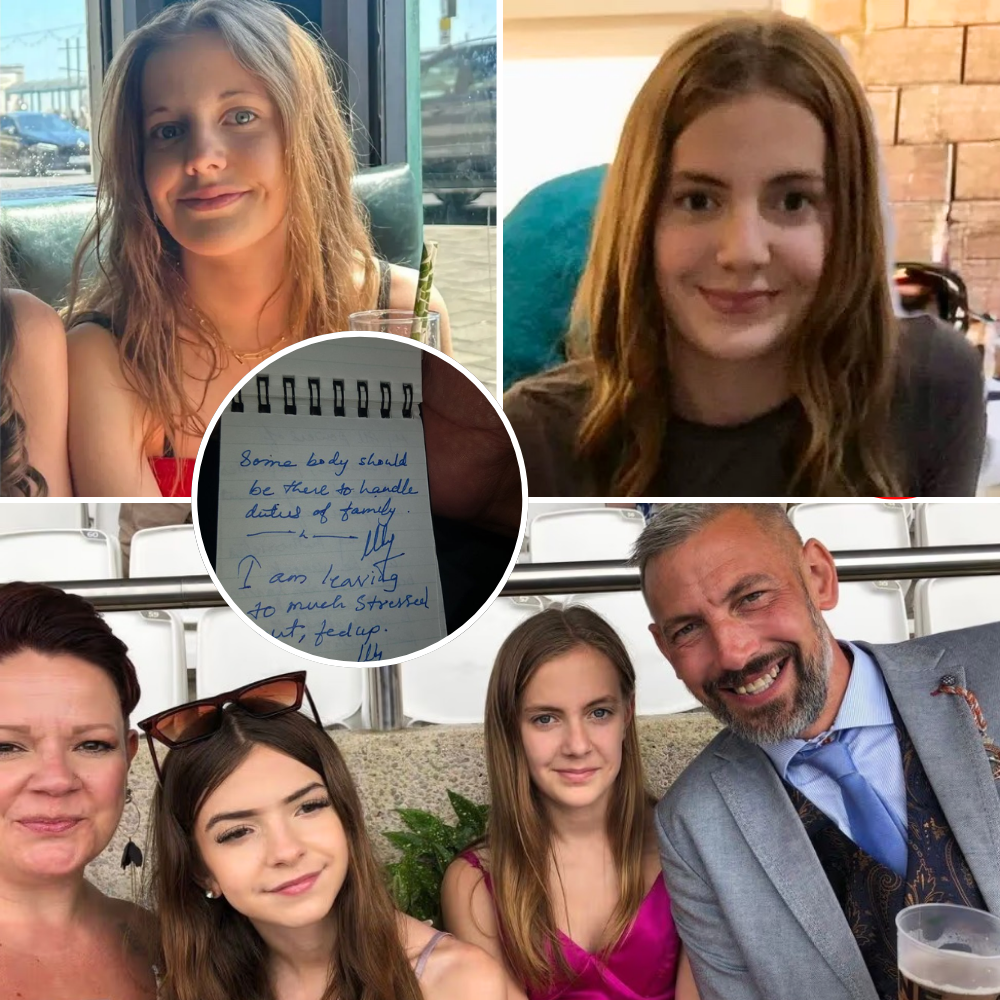
Mum Went to Wake Her 12-Year-Old for School… Instead Found Amelia Dead After Relentless Snapchat Torment 😭 Last Night She Was Happy & Laughing – The Devastating Details Inside
A cheerful 12-year-old girl with a smile that warmed every room spent her final evening wrapped in the simple joys of family life, laughing freely while sharing fish and chips at her grandparents’ house. No one could have predicted that the next morning would bring the kind of silence no parent should ever endure. On […]

👀 American Idol Judges Stunned by Braden Rumfelt’s Voice After Two Major Surgeries Destroyed His Baseball Career — His Comeback Story Is Unbelievable! 😱
The spotlights in the American Idol audition room pulsed with that familiar electric hum as 22-year-old Braden Rumfelt stepped forward, guitar slung over his shoulder, his twin brother Kellen right beside him with fingers poised on the strings. Murphy, North Carolina, felt a world away in that moment—the small-town life of substitute teaching, quiet family […]

😲 She Wrote “String Cheese” While Battling Postpartum Depression… Now Hannah Harper Is Stealing American Idol! Her Incredible Journey Will Inspire You ❤️
The Hawaiian stage lights bathed the Aulani Resort in a golden glow as 25-year-old Hannah Harper, a stay-at-home mom from the tiny town of Bunker, Missouri, gripped the microphone with the same quiet determination she once used to wrangle three rambunctious boys through a long day of laundry and snacks. Her homemade patchwork dress shimmered […]

😱 American Idol Top 20 Poll SHOCK: Hannah Harper & Keyla Richardson Dominate… But Who’s Going HOME Next? 😭 Who’s in Danger?
Hawaii’s sun-drenched shores at Disney’s Aulani Resort became the unlikely battlefield where American Idol Season 24’s Top 20 delivered heart-stopping performances that have left fans divided, judges stunned, and Gold Derby readers casting their clearest verdict yet on who might not survive America’s vote. With the first live results episode looming on March 30, the […]

😱💔 Kimmie Standing On The Rooftop With That USB Drive Has Fans Terrified — Is She About To Destroy The Entire Bellarie Empire? 👀
The first explosive trailer for Beauty in Black Season 2 Part 2 is here — and everything shifts fast. The new footage shows Kimmie stepping fully into her power with zero hesitation, but one bold move has fans in total shock. Is she protecting herself… or setting something much bigger in motion? The stakes feel […]

💥 “Is The Baby Okay?” — Virgin River Season 7 Finale Left One Devastating Clue About Mel & Jack’s Child That Changes Everything 😭
Netflix just dropped the news everyone has been waiting for: Virgin River is officially returning for Season 7 — and fans are already bracing for another emotional chapter. The release date and exact drop time are now confirmed, meaning the next wave of romance, heartbreak, and small-town secrets is closer than expected. But one storyline […]
End of content
No more pages to load