The shooting of San Francisco 49ers defensive lineman Keion White in the early hours of February 9, 2026, sent shockwaves through the NFL world and beyond. Just hours after Super Bowl LX concluded at Levi’s Stadium—where White’s former team, the New England Patriots, fell to the Seattle Seahawks in a thrilling but ultimately disappointing contest—the 27-year-old found himself fighting for more than just a championship ring. He was battling to recover from a gunshot wound to his ankle, sustained during what authorities described as a verbal altercation inside a San Francisco business.
White, a powerful defensive end known for his explosive athleticism and versatility along the line, underwent successful surgery later that Monday. The injury, while non-life-threatening and not believed to be career-ending, marked a grim and surreal end to what should have been a celebratory weekend in the Bay Area. For the 49ers, it represented the second time in 18 months that one of their players had become a victim of gun violence in the city—following wide receiver Ricky Pearsall’s near-fatal shooting during a robbery attempt in August 2024.
The incident unfolded around 4:06 a.m. on the 1700 block of Mission Street, in the heart of San Francisco’s vibrant but sometimes volatile nightlife district. San Francisco Police Department officers responded to reports of a shooting at a business—later described in various reports as a nightclub or club hosting a private event. Initial police statements indicated that a verbal dispute had erupted between two groups inside the venue. At some point during the confrontation, an unknown suspect fired shots, striking White in the ankle.
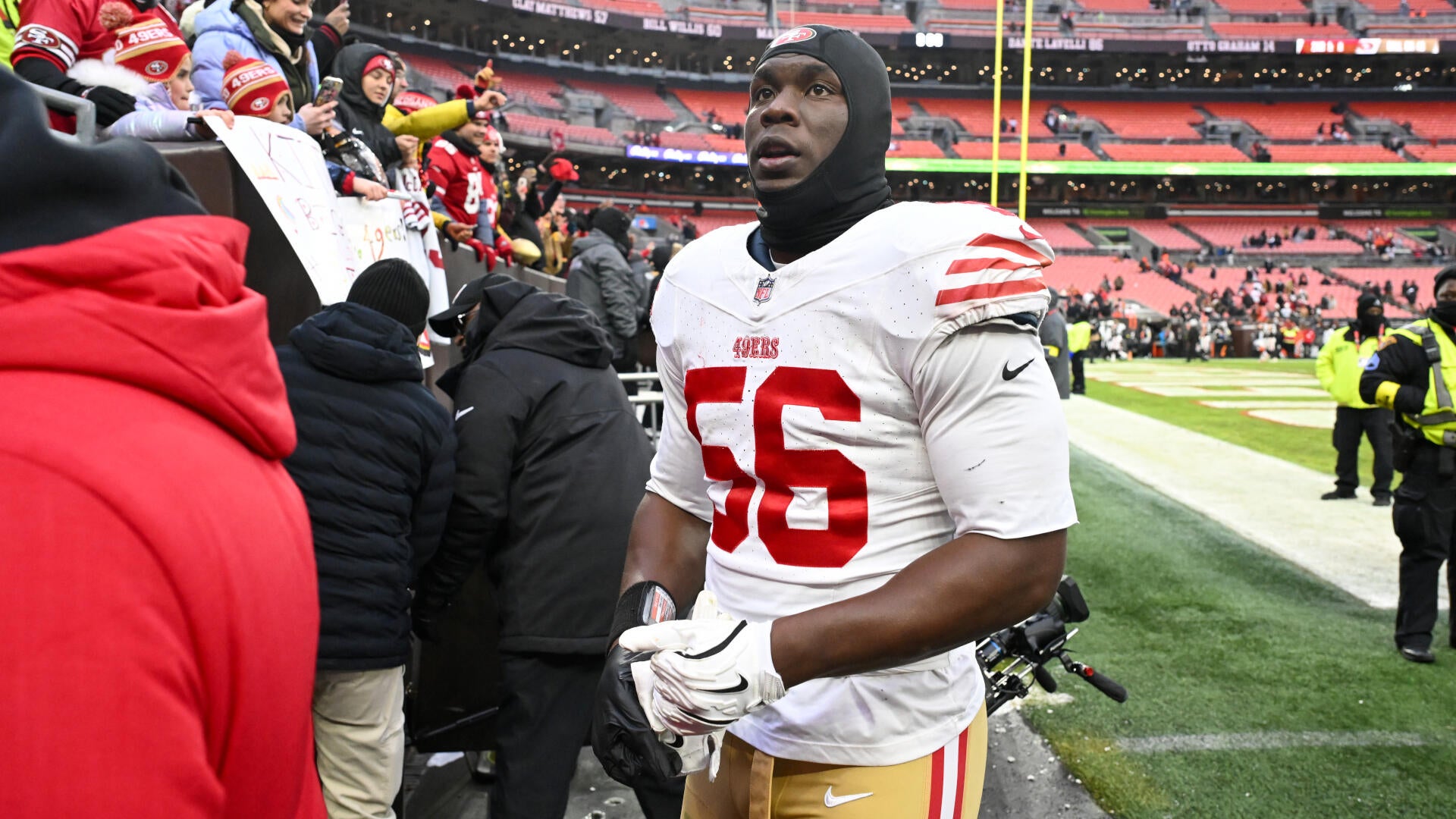
Officers provided immediate aid to the wounded player before paramedics transported him to a nearby hospital. By afternoon, the 49ers released a measured statement confirming the basics: “Keion White was a victim of a shooting and sustained a bullet wound to his ankle this morning in San Francisco. He is currently undergoing surgery at a local hospital. We will provide further updates when appropriate.”
As details slowly emerged from witnesses, police reports, and media sources, a more complex—and troubling—picture began to form. Multiple outlets, including ESPN and local publications like The San Francisco Standard, reported that the altercation involved rapper Lil Baby. White was reportedly hosting or attending a private post-Super Bowl party at the location, described by some as a “stripper party” or adult entertainment venue where some attendees were topless performers. According to a witness account cited in police documents, White got into an argument with Lil Baby. When a witness went upstairs to seek help from management, two gunshots rang out. Downstairs, White was found wounded in his left leg/ankle. No suspect was immediately identified or arrested, and the investigation remained active and preliminary.
The timing could hardly have been more dramatic. Super Bowl LX had just wrapped up on February 8, with the Seahawks defeating the Patriots in what many called a passing-of-the-torch game. White, drafted by New England in the second round (46th overall) of the 2023 NFL Draft out of Georgia Tech and Old Dominion, had spent his first two-plus seasons with the Pats before being traded to San Francisco midway through the 2025 campaign. He attended the big game as a spectator, perhaps reflecting on his roots with the losing side, only to become front-page news for an entirely different reason.
Keion White’s journey to the NFL had always been one of resilience and raw talent. Standing at 6-foot-5 and weighing around 285 pounds, he possessed the rare combination of size, speed, and power that made him a disruptive force on the defensive front. At Old Dominion, he transitioned from tight end to defensive end, showcasing the versatility that NFL scouts coveted. His breakout moments came with the Patriots, where he recorded sacks, forced fumbles, and established himself as a rising star. The trade to the 49ers was seen as a homecoming of sorts—White grew up in the region and had long dreamed of playing for a contending team like San Francisco. In his limited time with the Niners, he contributed to a stout defensive line rotation, bringing energy and physicality.

Now, that promising trajectory faced an unexpected detour. Ankle injuries can be notoriously tricky for linemen, who rely on explosive bursts, leverage, and stability to win battles in the trenches. Recovery timelines vary, but optimism surrounded White’s prognosis. The surgery was deemed successful, and sources indicated the wound did not involve major structural damage to bones or ligaments that would require extensive reconstruction. Still, the psychological toll—coupled with the physical—could linger. Being shot, even in a non-life-threatening manner, is a traumatic event that no athlete prepares for.
The broader implications ripple far beyond one player. San Francisco has grappled with persistent concerns over gun violence, particularly in nightlife areas like the Mission District. Pearsall’s 2024 shooting, where the young receiver was hit in the chest while being robbed, highlighted the vulnerability even high-profile athletes face in urban settings. That a second 49ers player fell victim so soon afterward raised uncomfortable questions about player safety during off-field activities, especially in the euphoric haze following the league’s biggest event.
The NFL has long emphasized player conduct and safety protocols, but incidents like this underscore how quickly celebrations can turn chaotic. Post-Super Bowl parties—often lavish, celebrity-filled affairs—carry inherent risks. Lil Baby’s reported involvement added another layer of intrigue. The Atlanta rapper, known for his chart-topping hits and massive following, has faced scrutiny in the past over legal matters, though no charges have been linked to this incident. Witnesses and reports suggested the dispute escalated rapidly, but details remained sparse as authorities withheld suspect information pending further investigation.
Fans and analysts reacted with a mix of concern, frustration, and calls for accountability. Social media platforms buzzed with well-wishes for White, alongside commentary on the dangers of nightlife in major cities. Some pointed to the irony: White had just watched his old team fall short in the Super Bowl, then became the story himself in a far more serious way. Others expressed relief that the injury appeared manageable, hoping White could return stronger for the 2026 season.
For the 49ers organization, the episode served as a sobering reminder of the thin line between triumph and tragedy. The team had not reached the Super Bowl themselves in 2026, but they were building toward contention with a mix of young talent and veteran additions like White. His presence on the defensive front was expected to be key. Now, the focus shifted to rehabilitation, team support, and navigating the media storm.
As days passed, more questions emerged: What exactly sparked the argument? Was White directly targeted, or was he an unintended victim caught in crossfire? Why did the situation escalate to gunfire so quickly? Police emphasized that White was not believed to have been part of the initial altercation between the two groups, suggesting he may have been a bystander or incidental casualty.
In the NFL, where off-field incidents can overshadow on-field achievements, stories like this force reflection. Players are human—celebrating victories, attending events, mingling with celebrities—but the spotlight amplifies every misstep or misfortune. White’s shooting, coming on the heels of one of the league’s signature nights, reminded everyone that danger can lurk even in moments of joy.
Keion White now faces a different kind of battle—one of recovery, both physical and mental. His ankle will heal with time, therapy, and determination. The scar from that early-morning gunshot may fade, but the experience will shape him. For a young man who has already overcome position changes, draft scrutiny, and a mid-season trade, this chapter adds another layer of grit to his story.
The San Francisco 49ers, the NFL, and the city itself will move forward, but February 9, 2026, will remain etched as the day when a post-Super Bowl glow turned into a nightmare for one of football’s rising talents. As White begins rehab, the hope is not just for a full return to the field, but for a safer environment where athletes can enjoy their hard-earned moments without fear.
News
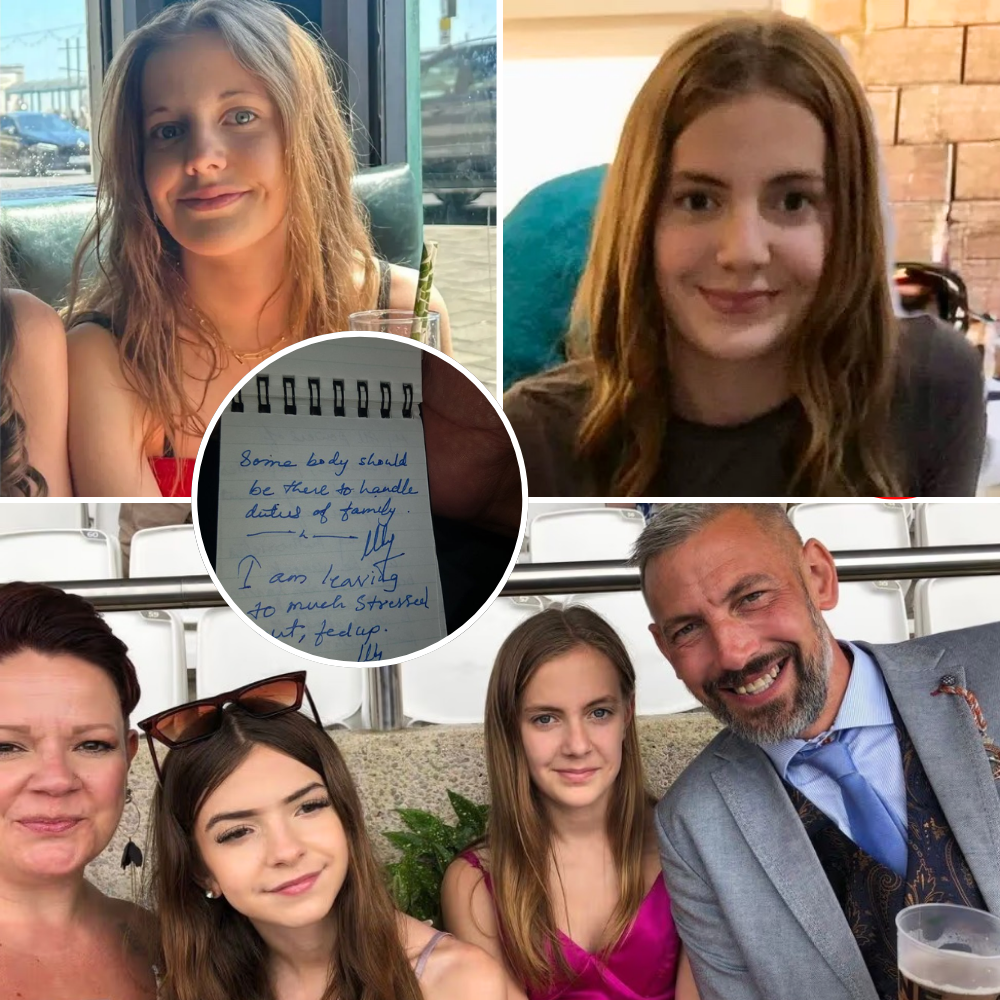
Mum Went to Wake Her 12-Year-Old for School… Instead Found Amelia Dead After Relentless Snapchat Torment 😭 Last Night She Was Happy & Laughing – The Devastating Details Inside
A cheerful 12-year-old girl with a smile that warmed every room spent her final evening wrapped in the simple joys of family life, laughing freely while sharing fish and chips at her grandparents’ house. No one could have predicted that the next morning would bring the kind of silence no parent should ever endure. On […]
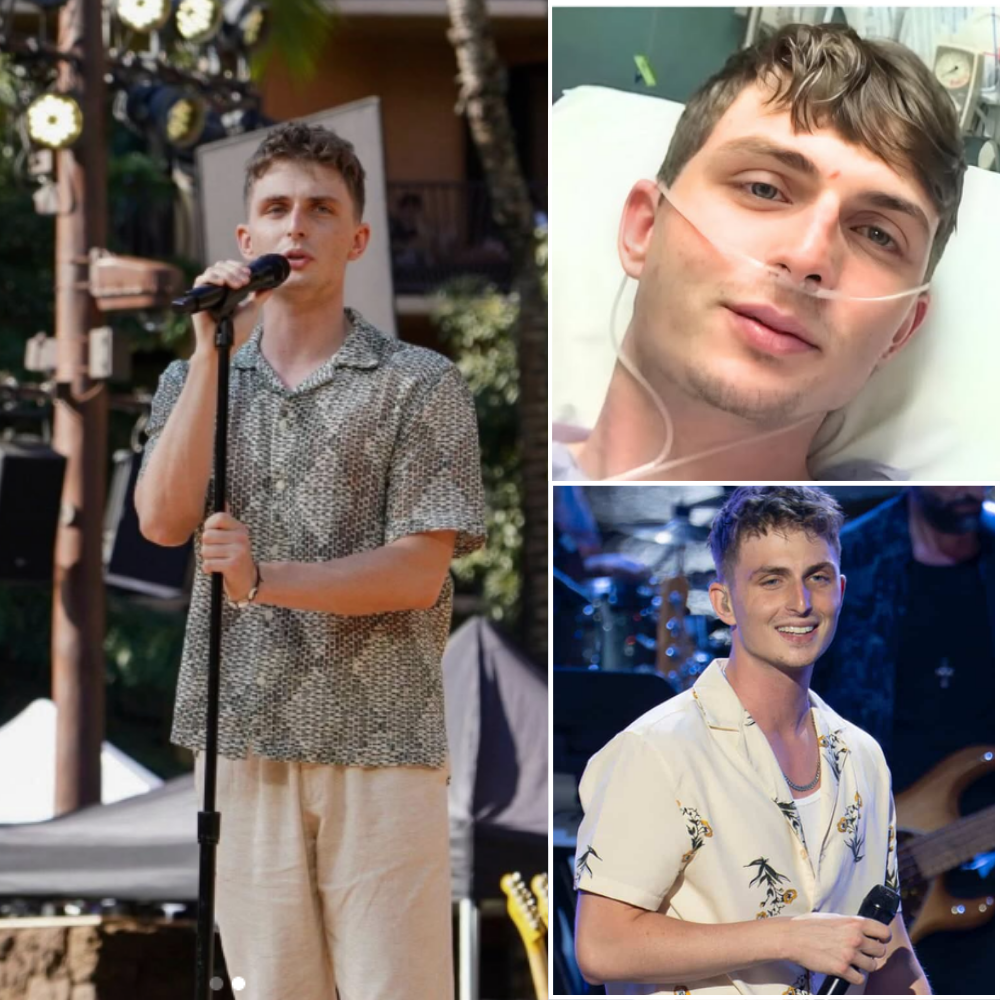
👀 American Idol Judges Stunned by Braden Rumfelt’s Voice After Two Major Surgeries Destroyed His Baseball Career — His Comeback Story Is Unbelievable! 😱
The spotlights in the American Idol audition room pulsed with that familiar electric hum as 22-year-old Braden Rumfelt stepped forward, guitar slung over his shoulder, his twin brother Kellen right beside him with fingers poised on the strings. Murphy, North Carolina, felt a world away in that moment—the small-town life of substitute teaching, quiet family […]

😲 She Wrote “String Cheese” While Battling Postpartum Depression… Now Hannah Harper Is Stealing American Idol! Her Incredible Journey Will Inspire You ❤️
The Hawaiian stage lights bathed the Aulani Resort in a golden glow as 25-year-old Hannah Harper, a stay-at-home mom from the tiny town of Bunker, Missouri, gripped the microphone with the same quiet determination she once used to wrangle three rambunctious boys through a long day of laundry and snacks. Her homemade patchwork dress shimmered […]
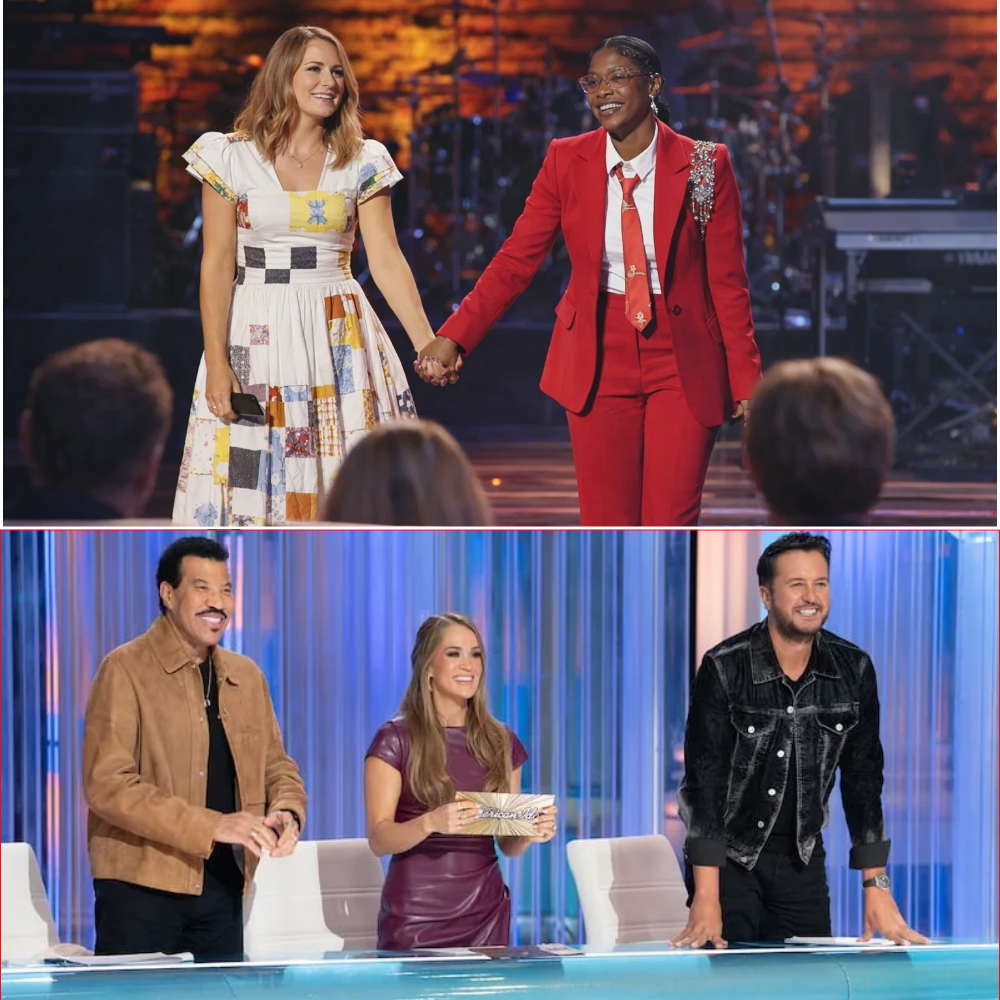
😱 American Idol Top 20 Poll SHOCK: Hannah Harper & Keyla Richardson Dominate… But Who’s Going HOME Next? 😭 Who’s in Danger?
Hawaii’s sun-drenched shores at Disney’s Aulani Resort became the unlikely battlefield where American Idol Season 24’s Top 20 delivered heart-stopping performances that have left fans divided, judges stunned, and Gold Derby readers casting their clearest verdict yet on who might not survive America’s vote. With the first live results episode looming on March 30, the […]
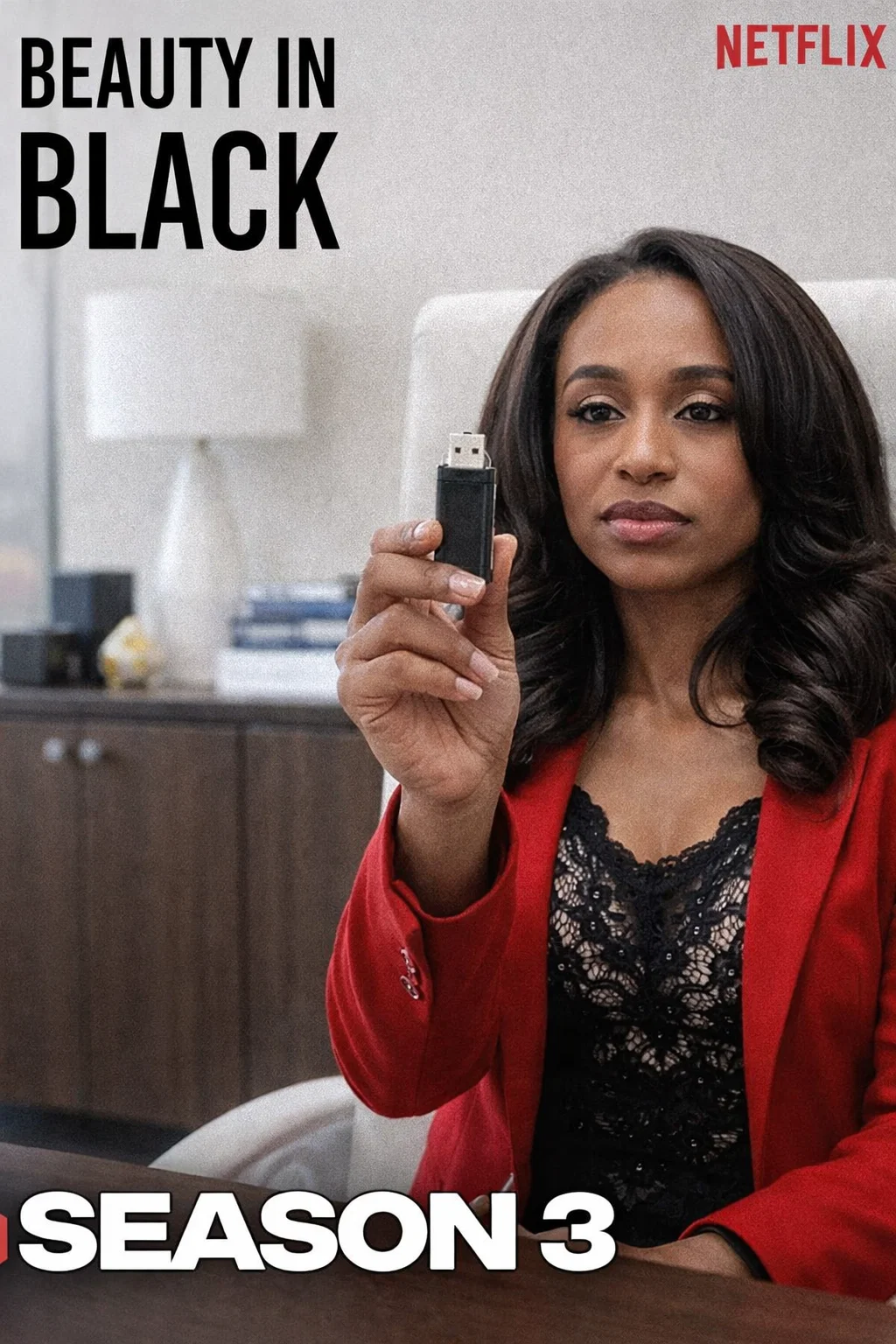
😱💔 Kimmie Standing On The Rooftop With That USB Drive Has Fans Terrified — Is She About To Destroy The Entire Bellarie Empire? 👀
The first explosive trailer for Beauty in Black Season 2 Part 2 is here — and everything shifts fast. The new footage shows Kimmie stepping fully into her power with zero hesitation, but one bold move has fans in total shock. Is she protecting herself… or setting something much bigger in motion? The stakes feel […]

💥 “Is The Baby Okay?” — Virgin River Season 7 Finale Left One Devastating Clue About Mel & Jack’s Child That Changes Everything 😭
Netflix just dropped the news everyone has been waiting for: Virgin River is officially returning for Season 7 — and fans are already bracing for another emotional chapter. The release date and exact drop time are now confirmed, meaning the next wave of romance, heartbreak, and small-town secrets is closer than expected. But one storyline […]
End of content
No more pages to load