The heavy metal world is mourning the loss of one of its most enduring and influential guitarists: Phil Campbell, the Welsh-born axeman who powered Motörhead through three transformative decades, has died at the age of 64. His family announced the heartbreaking news on March 14, 2026, revealing that Campbell passed away peacefully on the night of March 13 following a “long and courageous battle in intensive care after a complex major operation.” The statement, shared across social media by his band Phil Campbell and the Bastard Sons, painted a picture of a devoted family man who fought valiantly until the end, leaving behind a legacy of blistering riffs, unbreakable stage presence, and a life dedicated to the raw, unrelenting spirit of rock ‘n’ roll.

Born Philip Anthony Campbell on May 7, 1961, in Pontypridd, Wales—a small town better known for rugby than rock—Campbell grew up in a working-class environment that fueled his early passion for music. As a teenager in the late 1970s, he picked up the guitar and quickly immersed himself in the emerging new wave of British heavy metal. His first major break came with Persian Risk, a local heavy metal outfit that blended NWOBHM aggression with melodic hooks. Though the band never achieved massive commercial success, it honed Campbell’s skills and caught the attention of bigger players in the scene. Tracks like “Breaking the Silence” showcased his early talent for lightning-fast solos and tight rhythm work—qualities that would soon define his career.
Everything changed in 1984 when Motörhead, the ferocious trio led by the legendary Ian “Lemmy” Kilmister, decided to expand their sound. Lemmy, ever the contrarian, wanted dual guitars to thicken the band’s attack without losing its punk-metal edge. Campbell auditioned alongside Michael “Würzel” Burston, and both were hired on the spot. The “two-guitar era” of Motörhead began, and Campbell’s arrival marked a pivotal shift. He brought technical precision and melodic flair to a band that had always prioritized speed, volume, and attitude over virtuosity. His debut with the group came on the 1986 album Orgasmatron, produced by Bill Laswell in a bold experiment that pushed Motörhead into experimental territory. Campbell’s solos on tracks like “Deaf Forever” and “Built for Speed” injected fresh energy, proving he could match Lemmy’s intensity while adding his own Welsh fire.
Over the next three decades, Campbell became the longest-serving guitarist in Motörhead history after Lemmy himself. He appeared on 16 studio albums, from the thrash-infused Rock ‘n’ Roll (1987) to the late-period masterpieces like Bad Magic (2015). Songs such as “Stone Dead Forever,” “Killed by Death,” “Ace of Spades” (in live reinventions), and later gems like “Going to Brazil” and “Rock Out” bear his unmistakable stamp—sharp, aggressive leads that cut through the wall of sound like a chainsaw through butter. Fans often credit Campbell with helping Motörhead evolve without ever betraying their core ethos. He wasn’t there to show off; he was there to serve the song, the groove, and Lemmy’s unbreakable vision.
Lemmy, the indomitable frontman who defined bad-assery until his death in 2015, once described Campbell as “the quiet one who just gets on with it.” In interviews, Lemmy praised his reliability and creativity, noting how Campbell’s dual-guitar interplay with Würzel created a sonic assault that few bands could match. When Würzel left in 1995, Campbell became the sole lead guitarist, shouldering even more responsibility. He navigated the band’s turbulent later years—lineup changes, health scares, relentless touring—with grace and grit. Motörhead’s 2015 Rock and Roll Hall of Fame nomination (though they weren’t inducted) underscored their enduring impact, and Campbell’s three-decade tenure placed him among the most loyal soldiers in heavy metal history.
Offstage, Campbell was the antithesis of the rock-star cliché. Described by family and friends as kind, funny, and deeply humble, he remained grounded even as Motörhead achieved legendary status. He married his wife and raised three sons—Todd, Dane, and Tyla—who later joined him in his post-Motörhead project, Phil Campbell and the Bastard Sons. The band formed in 2016 as a way to keep playing after Motörhead’s dissolution following Lemmy’s death from cancer. Their debut album Old Lions Still Roar (2019) featured hard-hitting originals and covers that honored Campbell’s roots, with his sons providing vocals and rhythm sections that kept the family flame alive. The group toured extensively, earning praise for their high-energy shows and Campbell’s still-ferocious playing.
Tragically, health challenges emerged in recent years. Reports indicate Campbell had been privately battling serious issues, culminating in a “complex major operation” that landed him in intensive care. His sons’ statement captured the anguish and admiration: “It is with great sadness that we announce the passing of our beloved father, Philip Anthony Campbell, who passed away peacefully last night following a long and courageous battle in intensive care after a complex major operation.” They described him as “a devoted husband, a wonderful father, and a proud and loving grandfather, known affectionately as ‘Bampi.’” The family emphasized that “his legacy, music and the memories he created with so many will live on forever,” and requested privacy during their grief.
The cancellation of Phil Campbell and the Bastard Sons’ planned 2026 European tour had already hinted at serious health concerns, but the news of his passing still hit the metal community like a thunderbolt. Tributes poured in from across the globe. Fellow musicians, fans, and former bandmates remembered a player whose riffs were as iconic as they were ferocious. Metallica’s James Hetfield, Anthrax members, and countless others shared memories of shared stages and mutual respect. Online forums overflowed with clips of Campbell’s blistering solos, live footage from Motörhead’s heyday, and personal stories of how his music provided solace or inspiration.
Campbell’s influence extends beyond Motörhead. His work inspired generations of guitarists who admired his no-nonsense approach—fast, precise, and always in service of the song. In an era when shredders dominated headlines, Campbell proved that feel and attitude mattered more than flash. His tone—often achieved with simple setups like Marshall amps and Gibson Les Pauls—became a benchmark for heavy rock guitar. Post-Motörhead, the Bastard Sons kept his spirit alive, blending classic metal with modern edge and family chemistry that made every show feel personal.
As the heavy metal world processes this loss, one thing is clear: Phil Campbell wasn’t just a guitarist—he was a survivor, a family man, and a true believer in the power of loud, honest rock ‘n’ roll. From the smoky clubs of Wales to stadiums worldwide, his fingers flew across the fretboard, delivering the kind of raw energy that made Motörhead immortal. Though his battle ended too soon, the music he created will roar on forever.
Rest in power, Phil Campbell. The road may be quieter without you, but the echoes of your riffs will never fade.
News
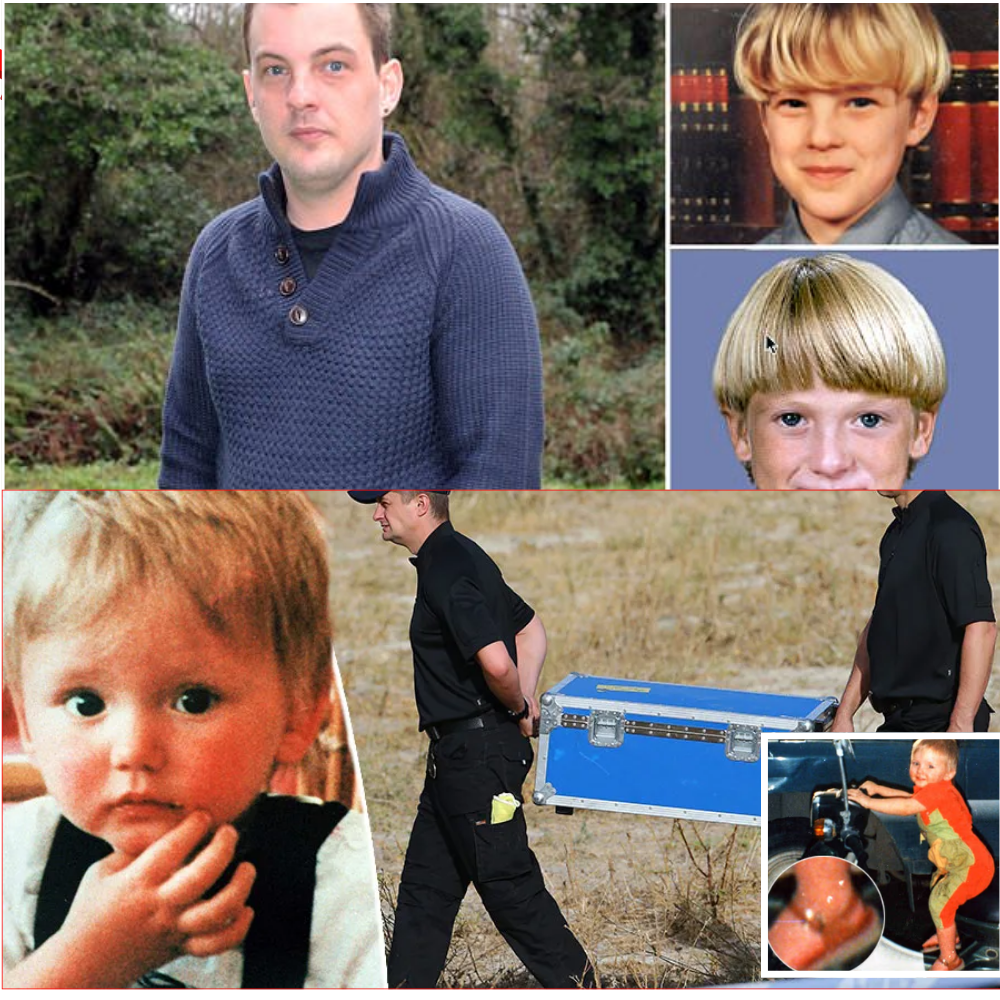
😢 “She’s Waited 35 Years… Now One DNA Test Could Bring Her Baby Home – Or Break Her Again” 🩸 New Photos & Adoption Mystery Explode Online
Ben Needham Latest Update: New Photos and DNA Test Spark Fresh Hope in One of the Longest Toddler Missing Mysteries; What We Know So Far The disappearance of Ben Needham remains one of Britain’s most enduring and heartbreaking unsolved cases. In July 1991, the 21-month-old toddler vanished without a trace from a family farm on […]
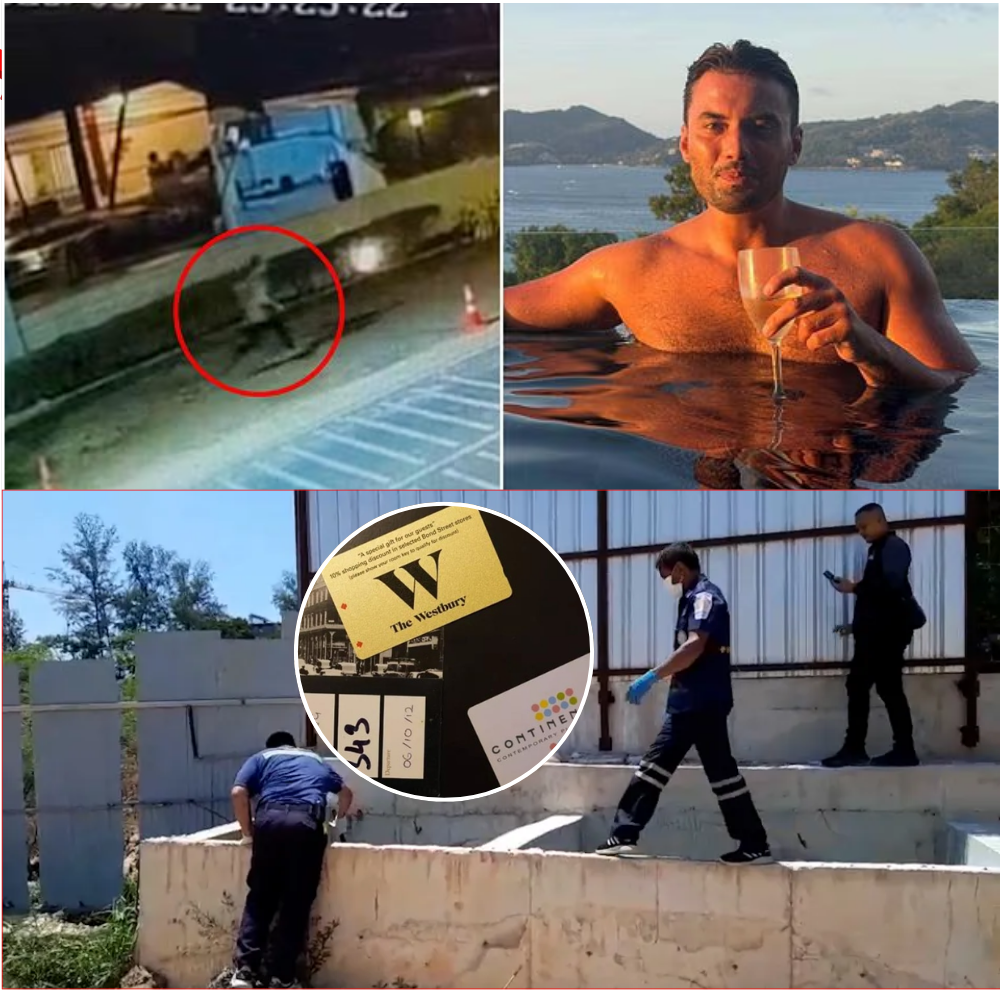
Shocking Footage Emerges: Ex-TOWIE Jordan Wright Desperately Sprinting, Clutching Truck in Fear – Hours Later His Body Lies in Thailand’s Murky Drain
The paradise of Phuket’s Bangtao Beach area, with its luxury resorts, infinity pools overlooking the Andaman Sea, and vibrant nightlife, turned sinister in the early hours of March 13, 2026. Grainy black-and-white CCTV footage, now haunting viewers worldwide, captures the final documented moments of 33-year-old Jordan Wright—a former star of The Only Way Is Essex […]
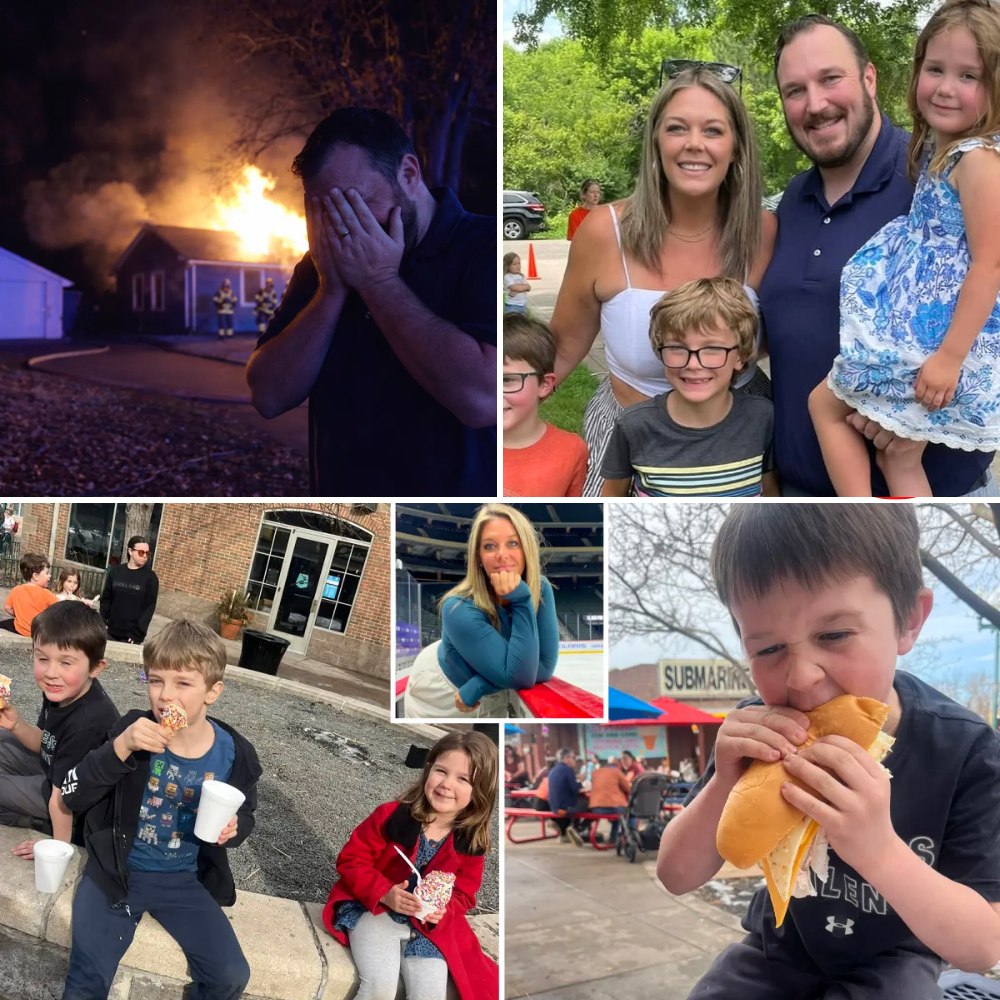
Heartbreaking & Suspicious 😱 Jessi Pierce & 3 Adorable Kids Die in Minnesota House Fire – Husband Miraculously Away…
The early morning silence in White Bear Lake, Minnesota, was brutally shattered on March 21, 2026, when a ferocious blaze erupted from the modest single-family home on the 2100 block of Richard Avenue. Around 5:25 a.m., neighbors were jolted awake by the roar of flames and the thick, choking smoke that poured into the frigid […]

“UMBRELLA” BUT MAKE IT SOUL-CRUSHING! 😍 Braden Rumfelt delivers the most emotional Idol performance ever… from whisper to chills in seconds! Who’s replaying? 🔁💥
“HE DIDN’T JUST SING… HE MADE EVERYONE FEEL IT.” When Braden Rumfelt stepped onto the American Idol stage, no one expected the kind of moment that followed. Covering a hit by Rihanna, he delivered a smooth, emotional performance that instantly shifted the energy in the room. From the first note, it felt different. His voice […]

THE HIDDEN SIDE OF AMERICAN IDOL NO ONE SEES! 😢 Missouri mom Hannah Harper opens up about guilt, exhaustion & rising pressure in Top 14 👶🎤 Who’s Team Hannah?
Missouri native Hannah Harper is opening up about the reality behind her American Idol journey, admitting the challenge of balancing life as a stay-at-home mom while stepping into the spotlight. As she competes for America’s vote in the Top 14, the pressure is only growing. Behind the scenes, Hannah revealed the demanding schedule, emotional weight, […]
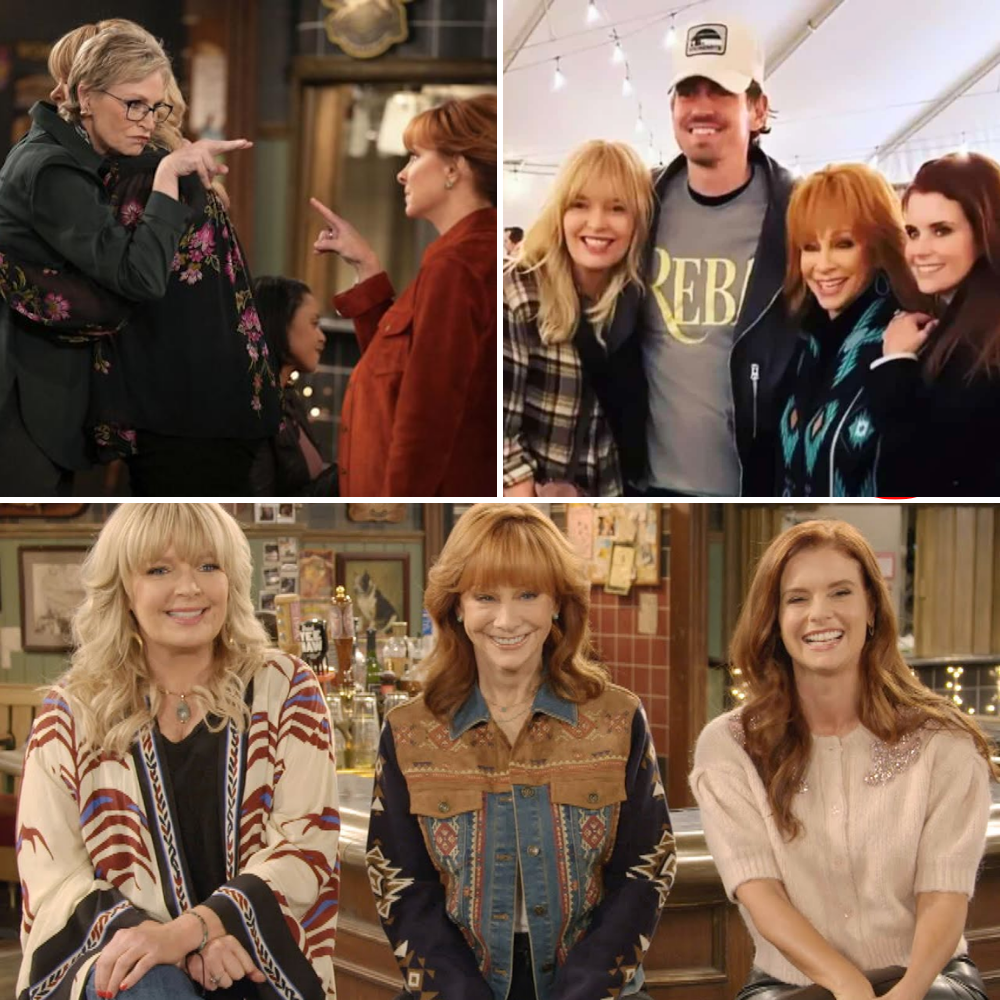
19 YEARS LATER… REBA CAST REUNITED & IT FEELS LIKE NO TIME PASSED! 🔥 Hugs, laughs, & epic prank call to JoAnna! This healed my 2000s heart 😍
After 19 Years… The Reba Family Is Finally Back Together. Time may pass, shows may end, but some bonds never fade. Nearly two decades after the beloved sitcom Reba left our screens, the cast reunited for the first time on the set of Happy’s Place. The moment they saw each other again, it felt like […]
End of content
No more pages to load