Voicemails for Isabelle Blends Big Laughs and Big Emotions in a Modern Romantic Comedy
Romantic comedies have always succeeded when they balance humor with heartfelt emotion, creating stories that leave audiences laughing one moment and unexpectedly emotional the next. Voicemails for Isabelle embraces that tradition while adding a contemporary premise centered on grief, unexpected connection, and the healing power of vulnerability. Built around witty dialogue, memorable performances, and an emotionally layered story, the film explores how two strangers become connected through a series of deeply personal messages. Rather than relying solely on familiar romantic comedy conventions, it combines humor with an honest examination of loss, reminding viewers that even life’s most painful moments can eventually make room for hope.
One of the film’s most distinctive elements is its unusual premise. Jill, a talented pastry chef struggling to cope with the death of her sister Isabelle, continues leaving emotional voicemail messages on Isabelle’s former phone number as a way of processing grief. Unknown to her, the number has been reassigned to Wes, who gradually begins listening to the recordings. What initially appears to be an accidental misunderstanding slowly develops into an unexpected emotional connection, allowing the story to examine how genuine empathy can emerge between two people who have never truly met. That unconventional setup gives the romance a fresh emotional perspective while preserving the warmth audiences expect from the genre.
Jill serves as the emotional heart of the narrative. Rather than presenting grief through constant sadness, the film allows her personality to remain vibrant, humorous, and deeply relatable even while she struggles to move forward. Characters navigating profound loss often become especially compelling when their resilience exists alongside vulnerability instead of replacing it. Jill’s voicemail messages capture moments of frustration, laughter, reflection, and longing, creating an intimate portrait of someone gradually learning that healing is not about forgetting the people we love but finding new ways to carry them forward.
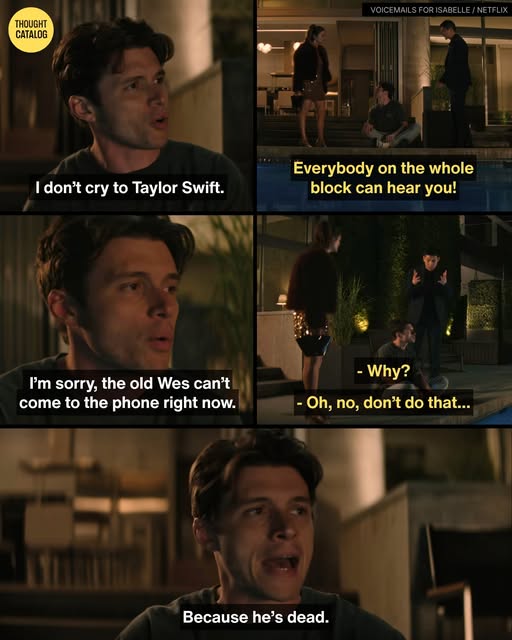
Wes provides the perfect emotional counterpart. Initially becoming part of Jill’s story entirely by chance, he evolves from an anonymous listener into someone genuinely invested in her happiness. Instead of portraying romance as instant attraction, the film emphasizes curiosity, compassion, and emotional understanding. Wes comes to know Jill through her most honest, unfiltered thoughts long before meeting her face-to-face, creating a relationship built upon empathy rather than appearance. That gradual emotional development gives the romance authenticity while allowing both characters to grow naturally throughout the story.
Another notable strength of Voicemails for Isabelle is its ability to combine comedy with emotionally meaningful storytelling. The screenplay frequently balances sharp humor with quieter moments of introspection, ensuring that laughter never undermines the emotional weight of the narrative. Friends, family members, and supporting characters contribute to this balance by providing comic relief while also reinforcing the importance of community during difficult periods of life. The result is a story that feels uplifting without ignoring the complexity of grief, allowing humor and heartbreak to coexist naturally rather than compete for attention.
Beyond its romance, the film ultimately becomes a reflection on second chances and emotional courage. Jill and Wes each arrive carrying unresolved fears, personal disappointments, and uncertainty about the future. Their growing connection encourages both to confront those emotions rather than continue avoiding them. Instead of suggesting that love erases pain, the story proposes something gentler and perhaps more meaningful—that genuine human connection can help people rediscover joy even while honoring the memories that continue shaping who they are. That message gives the film emotional resonance extending well beyond its romantic storyline.
Visually and emotionally, Voicemails for Isabelle offers audiences an engaging combination of heartfelt performances, witty dialogue, charming romance, emotional vulnerability, and moments of genuine optimism. But its greatest strength extends beyond memorable comedic scenes or touching romantic moments. Not simply whether two strangers fall in love. Not simply whether grief eventually becomes easier to carry. Instead, the story asks whether opening one’s heart again is sometimes the bravest act of healing a person can choose. If viewers are searching for a romantic comedy that balances laughter with emotional sincerity, Voicemails for Isabelle presents a thoughtful reminder that life’s most unexpected connections often arrive precisely when they are needed most.