Book-to-Screen Romance Is Having a Moment—and Its Leading Men Are Driving the Phenomenon
Romance adaptations have become one of the most successful trends in modern streaming, introducing audiences to memorable characters who first captured readers’ imaginations on the page before finding new life on screen. From elite boarding schools and prestigious universities to luxurious estates and small-town escapes, today’s adaptations continue proving that compelling love stories begin with unforgettable characters. As more bestselling novels make the transition to television and film, viewers are becoming just as invested in the leading men as they are in the romances themselves. Each brings a different personality, emotional journey, and relationship dynamic, creating a generation of protagonists who have helped redefine contemporary romantic storytelling.
One of the reasons these characters resonate so strongly is that they rarely fit into a single stereotype. Some appear confident and charismatic from the moment they are introduced, while others hide vulnerability beneath carefully guarded exteriors. Some are driven by ambition, others by family expectations, and many spend their stories learning that emotional honesty is far more difficult than professional success. Rather than presenting idealized perfection, modern romance adaptations increasingly focus on characters who grow through mistakes, communication, and self-discovery. That emotional realism helps audiences connect with them long after individual storylines conclude.
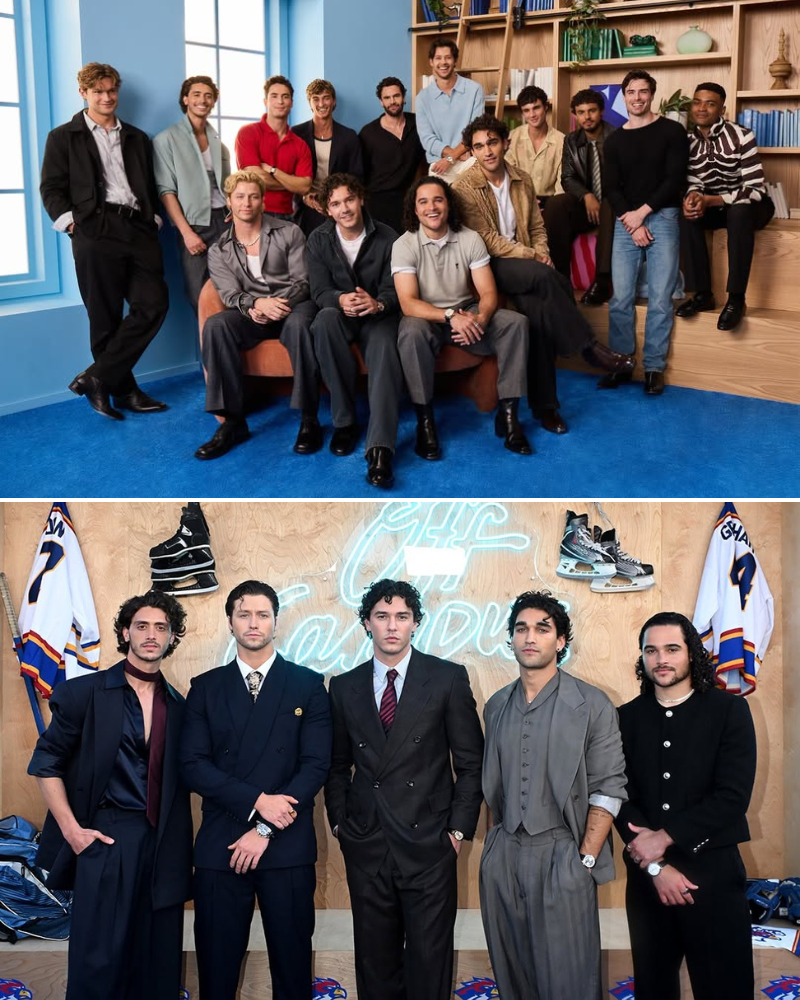
College romance has become one of the genre’s defining settings, introducing viewers to emotionally layered characters navigating adulthood for the first time. Competitive athletes, ambitious students, and lifelong friends often discover that personal growth and romantic relationships develop side by side. The university environment naturally creates opportunities for humor, friendship, rivalry, and meaningful emotional evolution, allowing relationships to unfold gradually through shared experiences instead of relying solely on dramatic twists. Those stories continue attracting audiences because they balance youthful energy with authentic emotional development.
At the same time, elite family dramas have expanded the romantic landscape by exploring relationships shaped by wealth, legacy, and expectation. Characters raised inside influential families often struggle to reconcile personal happiness with responsibilities inherited from previous generations. Love becomes intertwined with reputation, business, and social hierarchy, creating stories where every emotional decision carries consequences extending far beyond the central couple. That combination of intimacy and high-stakes drama has produced some of streaming’s most recognizable romantic protagonists, each bringing a unique perspective to themes of loyalty, ambition, and identity.
Another reason these leading characters have captured such passionate fan communities is the diversity of personalities represented across different adaptations. Some embody quiet dependability, offering stability during life’s most uncertain moments. Others rely on wit and confidence before gradually revealing hidden insecurities. Still others challenge expectations entirely, demonstrating that emotional strength often comes from empathy rather than dominance. This variety allows audiences to connect with different relationship dynamics based on personal preferences rather than a single formula for romance, making every adaptation feel distinct despite sharing familiar themes.
Beyond the characters themselves, the popularity of book-to-screen adaptations reflects the growing influence of reading communities in shaping modern entertainment. Readers who spent years imagining favorite scenes and relationships now have the opportunity to experience those moments through performances, cinematography, and carefully crafted adaptations. Meanwhile, new viewers frequently discover the original novels after watching the series, creating a continuous conversation between literature and television. That relationship has transformed romance adaptations into cultural events that extend well beyond the screen, encouraging discussion about casting, storytelling, and character development across multiple generations of fans.
Visually and emotionally, today’s book-to-screen romances continue offering audiences everything that has made the genre so enduring: unforgettable chemistry, emotionally layered protagonists, meaningful personal growth, enduring friendships, and relationships shaped by vulnerability as much as attraction. But the biggest questions extend beyond deciding which leading man deserves the title of the ultimate fictional boyfriend. Not simply who is the funniest. Not simply who is the most charming. Instead, these stories continue asking why certain characters remain unforgettable long after the credits roll. More often than not, the answer has little to do with perfection and everything to do with watching flawed, complicated people learn that the greatest love stories begin when they finally allow themselves to become completely authentic.