Belfast Beheading Route Exposed: Sudanese Asylum Seeker Charged After Brutal Attack
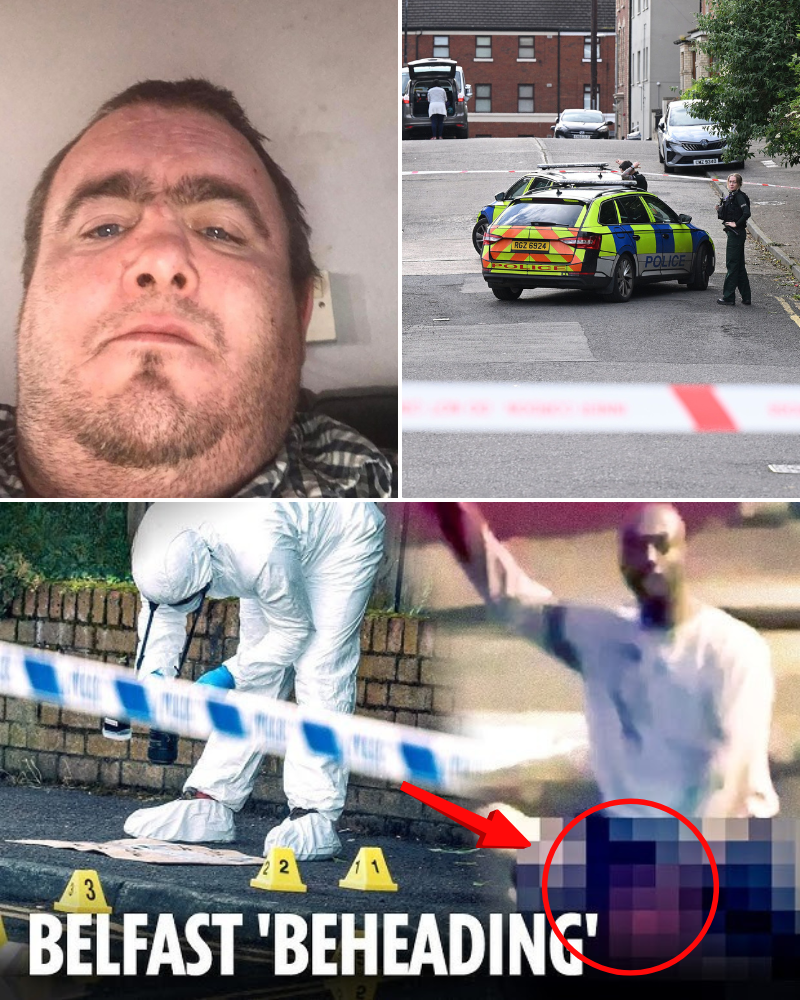
A 30-year-old Sudanese asylum seeker is facing serious charges following a brutal attempted beheading incident in Belfast. The suspect, who entered the United Kingdom illegally, is accused of carrying out the savage attack on a man in his 40s, leaving the victim with severe neck and back wounds. The case has sparked outrage across Northern Ireland as details emerge about how the attacker allegedly navigated into the country undetected. Police investigations have uncovered a carefully planned route and support network that enabled the suspect to reach Belfast, raising fresh concerns about border security and asylum processing.
The suspect reportedly traveled via a specific transit route from Dublin before crossing into Northern Ireland. Border security teams, while examining his personal effects after the arrest, discovered a hidden electronic logbook containing encrypted instructions. This digital evidence has become central to the investigation, revealing detailed guidance on movement, timing, and evasion tactics. Authorities believe the logbook was not created by the suspect alone but points to external assistance in facilitating his journey. The encrypted files have provided investigators with critical leads as they work to dismantle the support system that helped him enter the UK.
According to sources close to the probe, a local network provided the suspect with cash and a vehicle to cross undetected. This assistance allegedly enabled him to avoid standard checkpoints and blend into the flow of cross-border traffic. The discovery has intensified scrutiny on how individuals with potentially dangerous intentions can exploit existing transit routes between the Republic of Ireland and Northern Ireland. Police are now tracing the origins of the encrypted instructions and identifying members of the support network who may have played a role in the operation.
The victim of the attempted beheading suffered life-threatening injuries and remains in hospital under heavy guard. The attack, which occurred in a residential area of Belfast, has heightened tensions in communities already strained by sporadic violence. Eyewitnesses described a chaotic scene as emergency services responded to reports of a serious assault. The rapid escalation from the initial incident to widespread protests, including the torching of homes, cars, and a public bus, has left many residents fearful for their safety. Authorities have deployed additional officers to prevent further disorder while focusing on the core investigation.
The electronic logbook recovered from the suspect has provided investigators with a clearer timeline of his movements in the days leading up to the attack. Encrypted messages reportedly included specific locations, contact points, and instructions for maintaining a low profile after crossing the border. This evidence suggests a level of organization that extends beyond a lone individual. Detectives are examining whether the network that assisted his entry had any prior knowledge of or involvement in the planned violence. The case has prompted calls for tighter cooperation between UK and Irish authorities on border intelligence sharing.
As the suspect appears in court, the people of Belfast continue to process the shock of both the original attack and the subsequent unrest. Community leaders have urged calm while acknowledging deep frustrations over immigration controls and public safety. The revelation of a coordinated support network has fueled debates about asylum processing procedures and the risks posed by undocumented entries. Police have appealed for anyone with information about the suspect’s movements or the individuals who provided him with cash and transport to come forward immediately.
The attempted beheading and the exposed route into the UK have placed renewed pressure on authorities to strengthen border monitoring along key transit paths. As the investigation expands to include the local network that aided the suspect, residents hope for swift justice for the victim and accountability for those who enabled the attacker’s journey. The encrypted logbook stands as a critical piece of evidence that could unravel a broader support system operating across borders. Belfast remains tense but determined to see the full truth emerge from this disturbing case.