The 68th Annual Grammy Awards on February 1, 2026, at Crypto.com Arena in Los Angeles was already shaping up to be a historic night, with Kendrick Lamar leading nominations and dominating the rap categories. But one of the evening’s most viral and hilarious moments came early, during host Trevor Noah’s signature roaming monologue. In a cheeky, self-deprecating jab that had the audience roaring and Kendrick himself cracking up, Noah delivered a line that perfectly encapsulated the lingering cultural impact of one of hip-hop’s most explosive feuds: “I actually thought about roasting you, and then I remembered what you can do to light-skinned men from other countries.”
Noah, hosting the Grammys for the sixth and final time, stuck to his usual format—wandering through the star-studded crowd, microphone in hand, delivering personalized zingers while keeping the energy light and playful. When he reached Kendrick Lamar’s table, the mood shifted to playful caution. Congratulating the Compton rapper for being the most-nominated artist of the night with nine nods (including heavy favorites in rap categories for his album GNX and tracks like “tv off,” “Chains & Whips,” and “luther”), Noah paused for effect. He admitted he’d considered crafting some roast-style jokes at Kendrick’s expense but quickly reconsidered. The punchline landed with precision: a direct nod to Kendrick’s 2024 diss track “Not Like Us,” the scathing anthem aimed at Drake that became a cultural phenomenon.
The line referenced the core themes of “Not Like Us,” where Kendrick positioned himself as the authentic voice of West Coast hip-hop and Black American street culture, contrasting sharply with Drake’s Canadian roots, lighter complexion, and perceived outsider status in certain rap circles. By calling himself out as a “light-skinned man from another country” (Noah hails from South Africa), the host cleverly inserted himself into the narrative, turning potential roast material into self-aware humor. He even added a follow-up about “me and my delegation still recovering from the pain,” amplifying the joke’s layers and showing he was fully in on the cultural context.
Kendrick’s reaction was priceless—he burst into laughter, shaking his head in amusement while the crowd erupted in cheers and applause. The moment felt spontaneous yet perfectly timed, highlighting Noah’s skill as a host who knows how to read the room and tap into current pop culture without crossing into meanness. Social media exploded immediately, with clips of the exchange racking up millions of views across platforms. Fans praised it as one of the night’s best jokes, calling it “savage yet wholesome” and noting how it underscored Kendrick’s undisputed victory in his high-profile beef with Drake. Comments flooded in: “Trevor knows better than to test K.Dot,” “Self-roast of the year,” and “Kendrick just sat there like the king he is.”

The joke’s brilliance lay in its subtlety and timeliness. “Not Like Us,” released in 2024 amid a back-and-forth diss series between Kendrick and Drake, dominated headlines, playlists, and even dance challenges. The track’s infectious beat, sharp lyrics accusing Drake of inauthenticity, and repeated “certified pedophile” bar (a controversial escalation) made it a summer anthem and a critical darling. It earned multiple Grammy nominations the following year, including Record of the Year, and became a staple in discussions about hip-hop’s competitive spirit. By 2026, the feud had cooled, but its shadow remained—especially with Kendrick’s continued success and Drake’s quieter presence in recent award seasons.
Noah’s reference didn’t name Drake outright, which kept the tone celebratory rather than divisive. It acknowledged the beef’s legacy while pivoting to praise Kendrick’s dominance. Earlier in the monologue, Noah had poked fun at other artists and even touched on politics (drawing some backlash elsewhere), but this segment stood out for its precision and relevance to hip-hop fans. It reinforced Kendrick’s status as untouchable in certain arenas—lyrically lethal, culturally rooted, and now the rapper with the most Grammy wins after sweeping the rap categories that night.
The moment also highlighted Trevor Noah’s evolution as a Grammy host. Known for his global perspective, quick wit, and ability to navigate sensitive topics, Noah has made audience walkabouts a signature element of his hosting gigs. This final appearance allowed him to lean into hip-hop’s biggest stories of the era, blending humor with respect. By turning the joke inward—acknowledging his own “outsider” status as a South African-born comedian—he avoided any real shade toward Kendrick while paying homage to the track’s themes of authenticity and belonging.
For Kendrick, the night was already monumental. Entering as the frontrunner, he claimed victories in Best Rap Album (GNX), Best Rap Song (“tv off”), Best Rap Performance (“Chains & Whips”), Best Melodic Rap Performance (“luther”), and the prestigious Record of the Year (“luther”). These wins pushed his career total past JAY-Z’s, solidifying his place as the most decorated rapper in Grammy history. The Drake reference, rather than detracting, added a layer of fun to his triumph—proof that even in victory, the cultural conversation around his work remains lively.
Fans and commentators alike hailed the exchange as peak awards-show entertainment. It captured the spirit of the Grammys: a celebration of music where humor, history, and artistry intersect. In an era where rap feuds can define careers, Noah’s light touch reminded everyone that laughter can honor the intensity without reigniting it.
As the ceremony continued with performances, speeches, and more wins, this early monologue moment lingered as a standout. Trevor Noah didn’t just host—he delivered a masterclass in clever commentary, ensuring the 2026 Grammys would be remembered not only for the trophies but for the laughs that came with them.
News
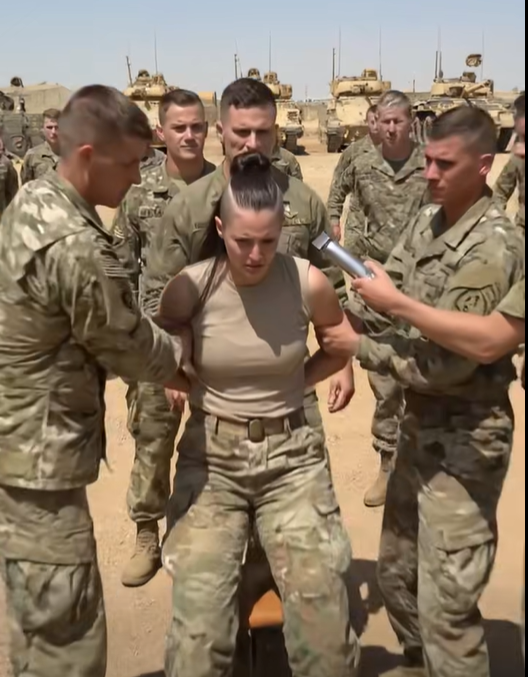
“Shave Her Head,” the Sergeant Ordered Coldly. “If Discipline Won’t Break Her, Maybe Humiliation Will.” But What They Didn’t Know Was That the Woman They Underestimated Would Bring Their Entire Base to Its Knees.
General Alexander Vance had heard the whispers for months: Fort Blackwood was rotting from within. Soldiers spoke in hushed tones of systematic humiliation disguised as “discipline,” falsified training records, missing supply funds that somehow vanished into private accounts, and a toxic command climate built on fear and intimidation. Every official inspection came back sparkling clean […]
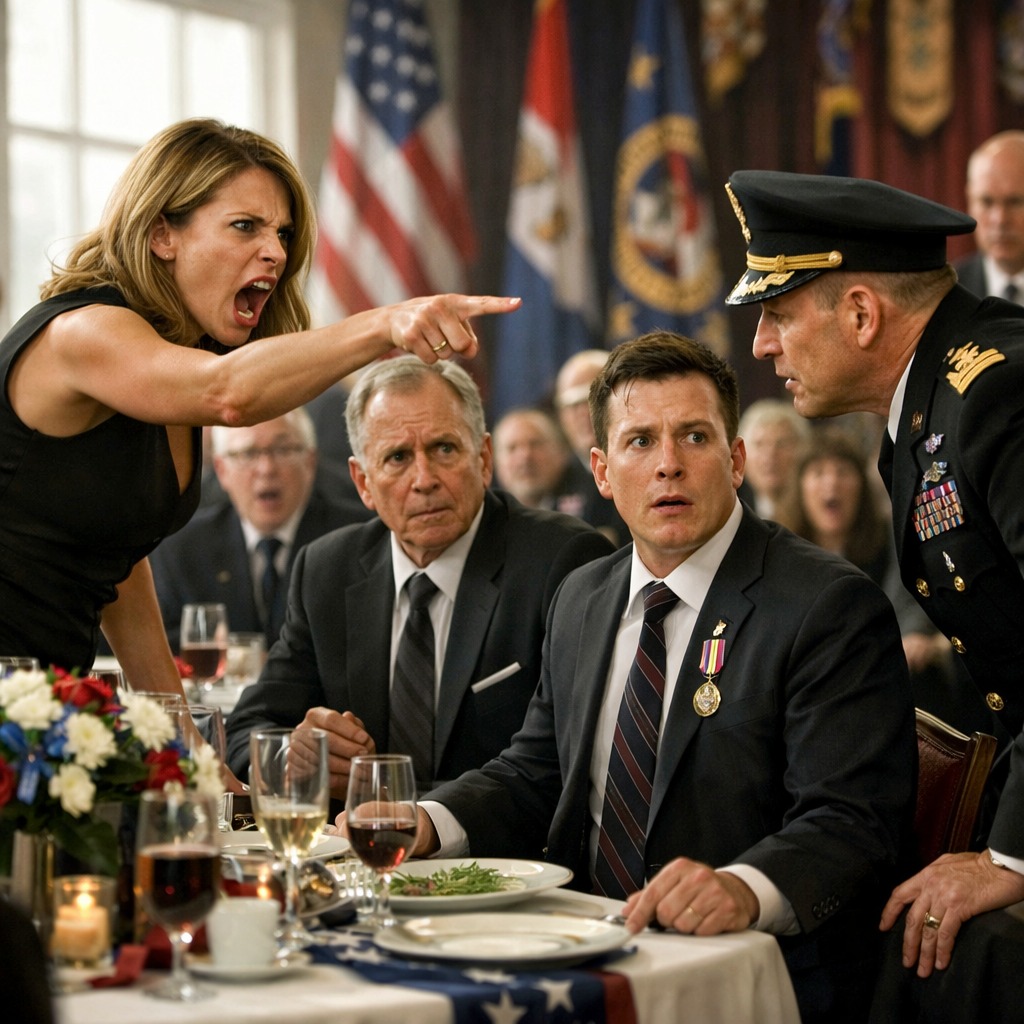
At A Veterans’ Dinner, The Colonel Leaned Toward My Brother And Asked One Simple Question: “Can You Tell Me How You Earned This Decoration, Son?” His Face Turned White. He Pointed At My Father And Said: “He Told Me It Belonged To Our Uncle.” The Uncle Never Existed.
The Ridgewood Armory smelled like every other veterans’ event I’d ever attended: floor wax, overcooked chicken, old coffee, and the faint metallic tang of too many American flags. Fluorescent lights buzzed overhead, casting a harsh glow on rows of folding tables and men in ill-fitting blazers trying to look like they still belonged in uniform. […]
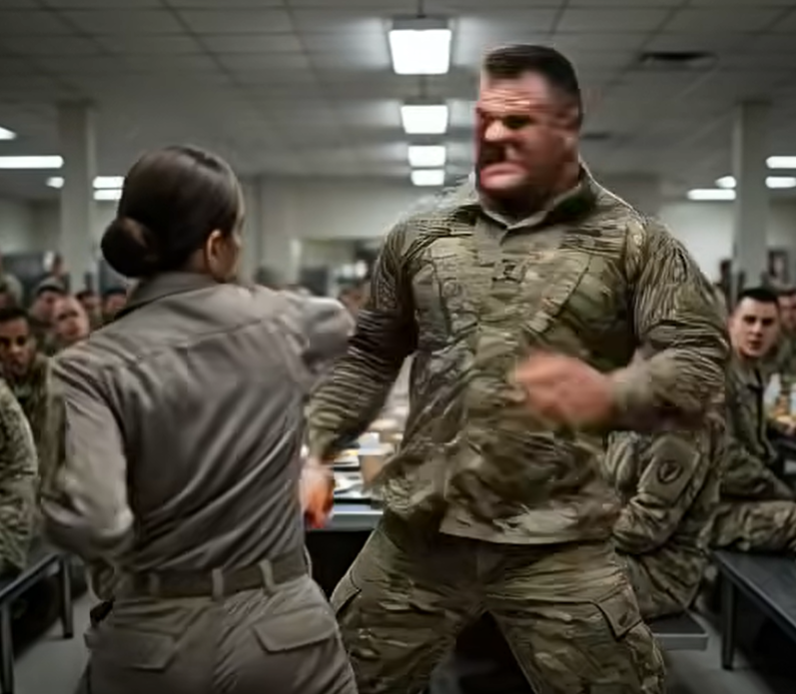
“Die, B*tch,” He Spat, Swinging a Massive Fist in the Mess Hall. He Thought I Was an Easy Target — He Had No Idea He Just Attacked a Classified SEAL Shadow Operative.
I was running on fumes. Seventy-two hours of off-the-books reconnaissance in the frozen Alaskan wilderness had left every muscle screaming. My joints ached from crawling through ice-crusted snow, my eyes burned from staring through night-vision gear, and the only thing keeping me upright was the promise of a hot meal and twelve hours of blackout […]
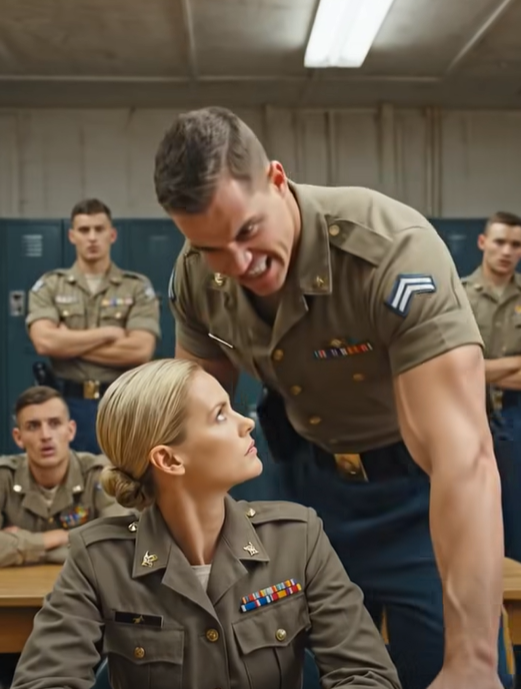
“Do You Know Who I Am?” He Pushed Her — Seconds Later, One ID Card Ended His Career
The dim lights of Rusty’s Bar flickered like dying stars just outside Camp Pendleton. It was a Friday night, the kind where Marines came to forget the sand and the screams they carried home from deployment. I had come here for the opposite reason — to disappear. My name is Commander Thalia Renwick. Highly decorated […]
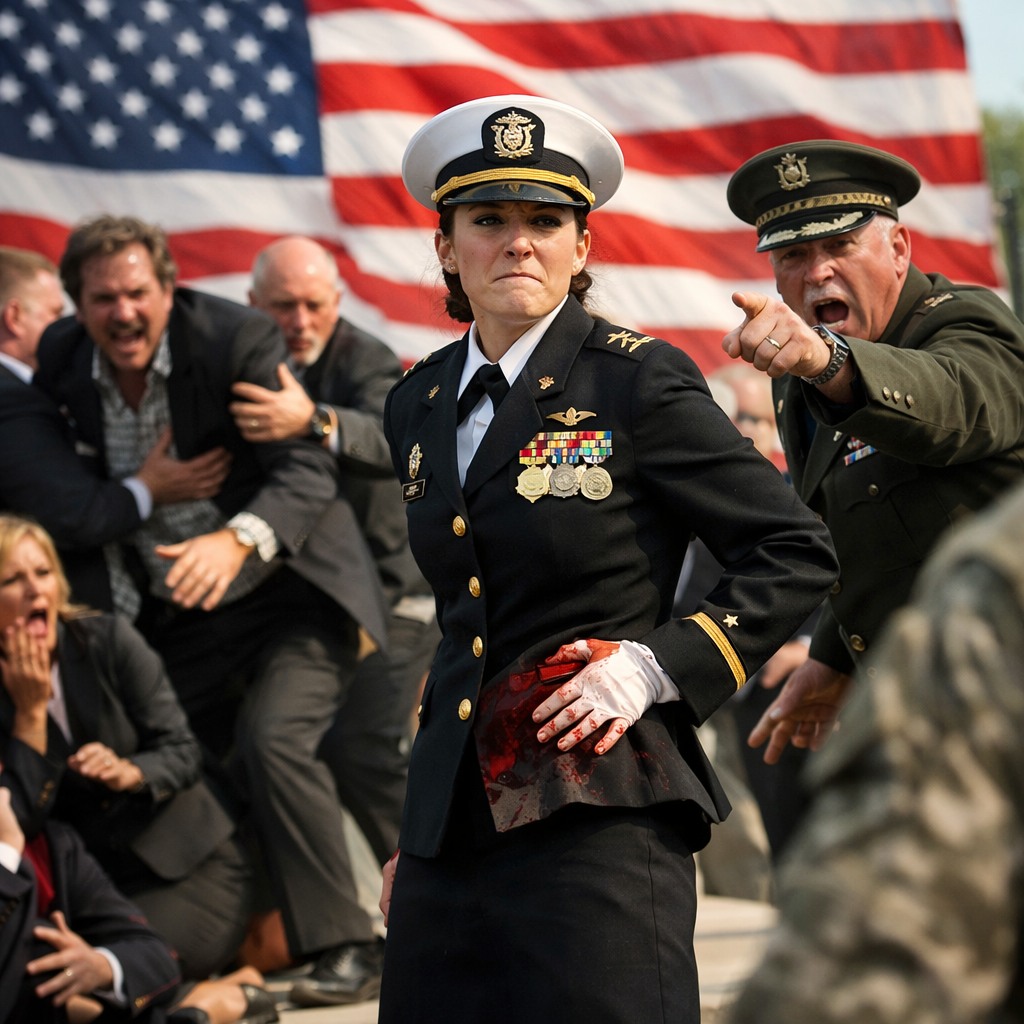
15 Years After My Dad Kicked Me Out, I Saw Him At My Sister’s Wedding. He Sneered: “If It Wasn’t For Pity, No One Would’ve Invited You.” I Just Smiled And Sipped My Wine. Then The Bride Took The Mic And Changed Everything.
The South Carolina sun was merciless that June afternoon, turning the outdoor wedding venue into a glittering oven. I stood near the back in my crisp Army dress uniform, the brass buttons and medals catching the light with every breath. At 34 years old, I had come home for my little sister’s wedding — the […]
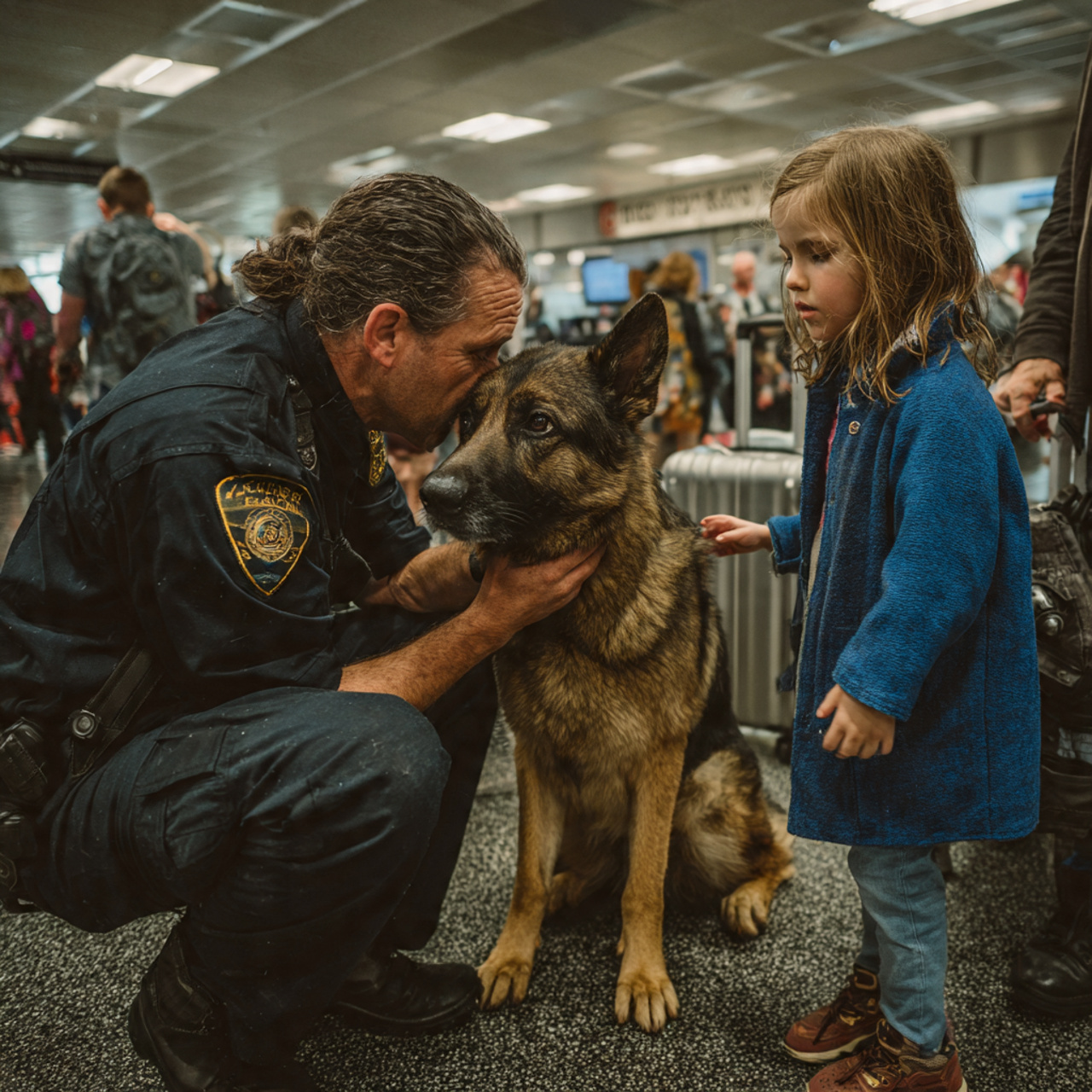
“A POLICE DOG FROZE IN THE AIRPORT. THEN A LITTLE GIRL TAPPED HIS HEAD. WHAT HAPPENED NEXT MADE EVERY TRAVELER STOP. HAVE YOU EVER WITNESSED A SILENT CRY FOR HELP?
The bustling international airport was a whirlwind of rolling suitcases, hurried announcements, and weary travelers rushing to their gates. Officer Liam Mercer patrolled the terminal with his loyal K9 partner, Rex — a highly trained German Shepherd known for his sharp instincts in detection and child safety operations. Everything seemed routine until Rex suddenly froze […]
End of content
No more pages to load