NBC’s long-running singing competition The Voice has officially returned for its 29th season, rebranded as The Voice: Battle of Champions, and it’s clear the show is no longer content to coast on nostalgia. Premiering on Monday, February 23, 2026, at 8/7c (with episodes streaming the next day on Peacock), this cycle ditches the familiar four-coach setup for a fiercely competitive three-coach showdown that amps up strategy, risk, and raw intensity. What once felt like cozy, feel-good television now resembles a high-stakes survival game, where every blind audition, battle, knockout, and vote can shift alliances and fates in seconds. Fans and critics alike are calling it the most ruthless and unpredictable format the series has ever attempted—less about pure vocal discovery and more about outsmarting opponents under relentless pressure.
The centerpiece of the overhaul is the return of three powerhouse coaches who are all past winners: Kelly Clarkson (four-time champion), Adam Levine (three-time champion), and John Legend (one-time champion). This marks the first time in The Voice history that the panel consists exclusively of victorious coaches, creating a “Battle of Champions” dynamic where egos, experience, and legacy collide. Carson Daly remains host, guiding the proceedings with his signature charm, but the reduced coach count eliminates four-chair turns entirely. Instead, the Blind Auditions introduce the “Triple Turn Competition”: coaches vie to secure the most three-chair turns from artists, with the winner earning a massive advantage in the Battles—a “Super Steal” that overrides any other coach’s attempt to recruit a performer, guaranteeing a win for that round.

Each of the four main rounds brings a groundbreaking first for the show, injecting fresh tension and unpredictability:
Blind Auditions: Beyond the Triple Turn race, coaches build teams of 10 artists each, but the emphasis on three-chair turns forces strategic song choices and bold risks early on. The winner’s Super Steal becomes a game-changer, allowing them to snatch top talent without opposition.
Battles: The Super Steal elevates the stakes, turning head-to-head matchups into calculated power plays. Coaches must think several moves ahead, knowing one lost steal could cost them a frontrunner.
Knockouts: For the first time, each coach brings back two fan-favorite artists from their past teams for an “In-Season All-Star Competition.” These returning alums—six in total—compete in separate head-to-head sing-offs representing their former coaches. The coach whose all-stars win the most battles secures an extra finalist spot in the finale. Adding intrigue, original Season 1 coach CeeLo Green returns as a special guest judge to decide the outcomes of these showdowns, injecting nostalgia and potential bias into the mix.
Live Shows (Semi-Finals and Finale): The Top 9 advances to the Semi-Finals, narrowing to a Top 4 Finale. A revolutionary voting twist introduces a new in-studio block of super-fans and past Voice artists who vote in real time alongside the home audience. This hybrid system adds immediate pressure—performers face instant feedback from dedicated viewers and alumni who know the competition inside out. No longer is the outcome solely in the hands of distant viewers; the live environment turns every performance into a pressure cooker.
These changes transform The Voice from a relatively predictable talent showcase into a strategic battlefield. Coaches must adapt on the fly—choosing songs that trigger multiple turns, deploying advantages wisely, and leveraging past champions for an edge. Artists face heightened scrutiny: not only do they compete against peers, but returning all-stars raise the bar, forcing newcomers to prove themselves against proven talent. The in-studio real-time voting introduces an element of immediacy and unpredictability—performers get instant audience reactions, and a single off-note could sway the superfans.
Fan reactions have been polarized but overwhelmingly engaged. Many longtime viewers celebrate the shake-up as overdue evolution: “Finally, something fresh—those Super Steals and all-star battles are going to be insane!” Others praise the return of Clarkson, Levine, and Legend as a dream panel, noting their combined wins (eight total) and chemistry from past seasons. Clarkson’s infectious energy, Levine’s sharp instincts, and Legend’s thoughtful mentoring create a dynamic trio that promises heated exchanges and bold decisions. Social media buzz highlights excitement over CeeLo Green’s cameo and the real-time voting, with fans speculating how alumni votes could favor underdogs or create dramatic swings.
Critics of the format argue it shifts focus too heavily toward coaches and gimmicks, potentially overshadowing the artists. Some worry the reduced panel and pre-recorded elements (with live voting only in later rounds) dilute the show’s original blind-audition purity. Yet the consensus leans positive: this isn’t comfort viewing anymore—it’s a high-pressure gauntlet where strategy and survival matter as much as singing. Early buzz suggests the changes could boost ratings after recent dips, drawing viewers eager for a revitalized competition.
As The Voice: Battle of Champions unfolds, expect intense rivalries, surprise advantages flipping outcomes, and performances pushed to new limits. Returning all-stars like Girl Named Tom (Team Kelly), Maelyn Jarmon (Team Legend), and Jordan Smith (Team Adam) add star power and nostalgia, while fresh contestants battle for their shot. In a landscape of singing shows, Season 29 stands out as the most ruthless iteration yet—where no one is safe, every choice counts, and the path to victory demands more than just a great voice. This isn’t just another season; it’s a full-throttle battle where champions clash, and only the strongest survive.
News

15 Years After My Dad Kicked Me Out, I Saw Him At My Sister’s Wedding. He Sneered: “If It Wasn’t For Pity, No One Would’ve Invited You.” I Just Smiled And Sipped My Wine. Then The Bride Took The Mic And Changed Everything.
The South Carolina sun was merciless that June afternoon, turning the outdoor wedding venue into a glittering oven. I stood near the back in my crisp Army dress uniform, the brass buttons and medals catching the light with every breath. At 34 years old, I had come home for my little sister’s wedding — the […]

“A POLICE DOG FROZE IN THE AIRPORT. THEN A LITTLE GIRL TAPPED HIS HEAD. WHAT HAPPENED NEXT MADE EVERY TRAVELER STOP. HAVE YOU EVER WITNESSED A SILENT CRY FOR HELP?
“A POLICE DOG FROZE IN THE AIRPORT. THEN A LITTLE GIRL TAPPED HIS HEAD. WHAT HAPPENED NEXT MADE EVERY TRAVELER STOP. HAVE YOU EVER WITNESSED A SILENT CRY FOR HELP? “The airport was a blur of rolling suitcases and muffled announcements until the world stopped. My partner, Rex, went rigid beside me, a statue of […]
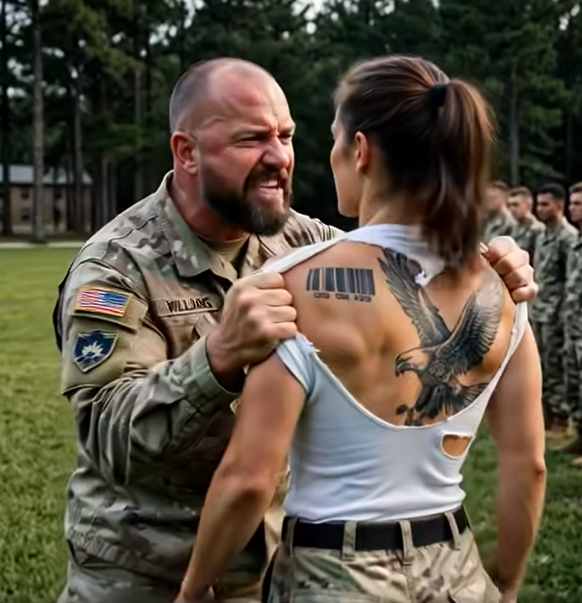
‘DEADWEIGHT?’ — THEY TORE THE SEAL GIRL’S SHIRT, AND THE GENERAL FROZE WHEN HE SAW HER KILL-CODE TATTOO
My name is Rebecca Kane. By the time I stepped off the Black Hawk at Fort Carson, Colorado, I already knew the first rule of special operations: men don’t fear a woman until she stops asking for permission. Twenty-eight years old. Special operations qualified. Transferred under sealed orders into the most brutal inter-branch advanced combat […]

HARRY SHATTERED? Chelsy Davy’s Baby #3 News Hits Prince Harry at His Most Vulnerable Moment!
In a twist no one saw coming, Prince Harry is rumored to be struggling behind closed doors after discovering that his ex, Chelsy Davy, has just welcomed her third child. Insiders claim the news has resurfaced old dreams of the life he once imagined — and the contrast is said to be hitting harder than […]
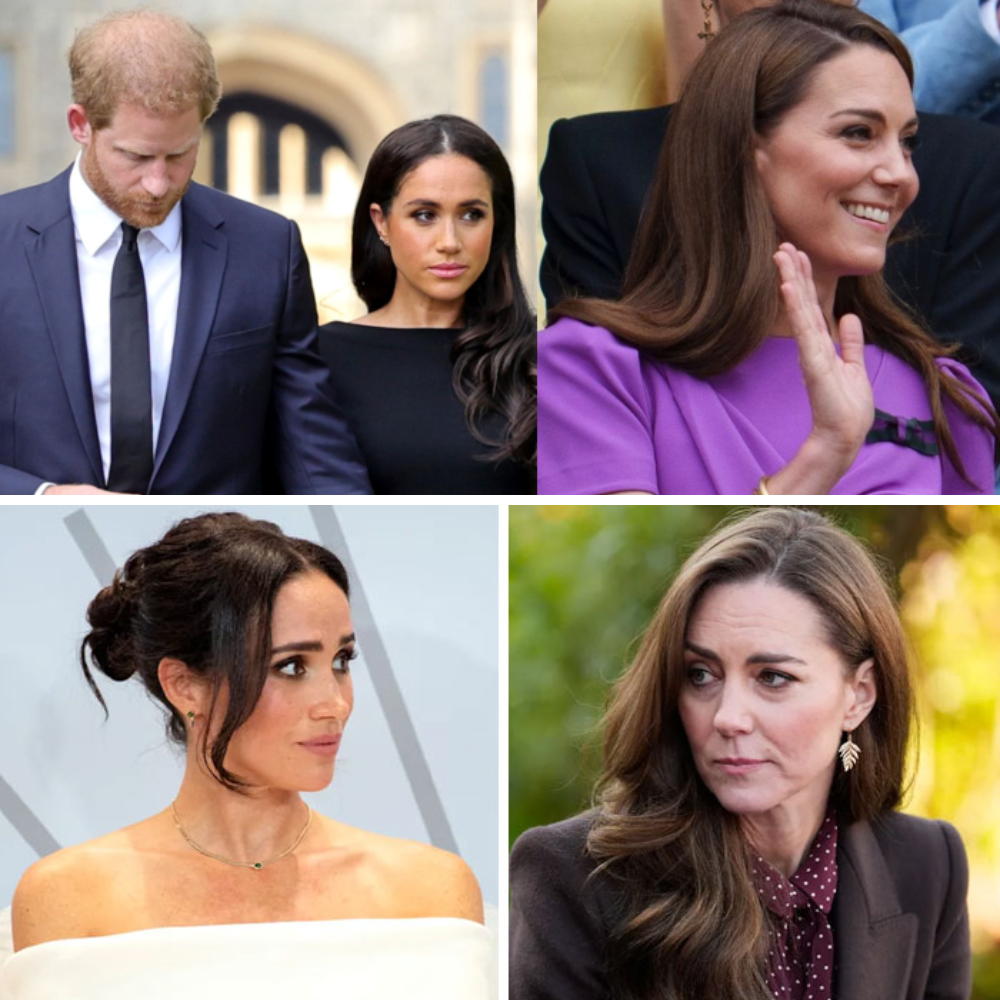
Kate Middleton’s Blunt Warning to Prince Harry: “This Needs to Stop” After Meghan Markle’s Latest ‘Disrespectful’ Move
Tensions within the British royal family have simmered for years, but a new flashpoint has emerged that reportedly pushed the Princess of Wales to take decisive action. According to well-placed insiders, Kate Middleton is preparing to deliver a direct and firm warning to her brother-in-law Prince Harry regarding what many in royal circles view as […]
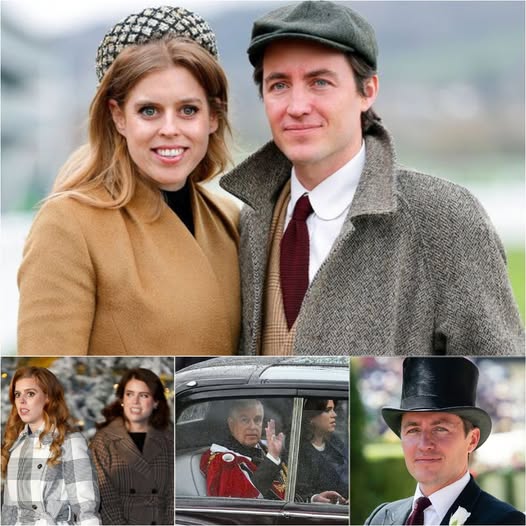
The Quiet Church Service That Turned Heads: Edoardo Mapelli Mozzi’s Unexpected Behavior Sparks Debate
The atmosphere inside the Cotswolds church was exactly as one would expect for a traditional service — calm, respectful, and steeped in centuries-old decorum. Guests sat quietly, the soft murmur of prayers and hymns filling the sacred space. Princess Beatrice and her sister Princess Eugenie were present alongside their husbands, Edoardo Mapelli Mozzi and Jack […]
End of content
No more pages to load