What began as a routine royal walkabout in the heart of Scotland took an unexpected turn on Tuesday, January 20, 2026, when shouts referencing Andrew Mountbatten-Windsor cut through the cheers in Fallin, near Falkirk. Prince William and Princess Catherine, known in Scotland as the Duke and Duchess of Rothesay, were arriving at The Gothenburg pub—a historic community venue in a former mining village—for the final engagement of their day-long visit to Stirling and Falkirk. The couple had spent the morning and early afternoon engaging with locals, curling enthusiasts, and heritage craftspeople, fostering a warm, positive atmosphere centered on Scottish traditions and community spirit.
As William and Catherine stepped out of their vehicle and approached the pub, surrounded by well-wishers and a small media contingent, a lone voice rose above the greetings. A man shouted, loud enough to carry across the crowd: “How long have you known about Andrew and Epstein? Have you been covering up for Andrew?” The reference was unmistakable—Andrew Mountbatten-Windsor, formerly Prince Andrew, whose association with the late financier and convicted sex offender Jeffrey Epstein has cast a long shadow over the royal family since the scandal broke in the late 2010s. The shouts referenced ongoing public questions about what members of the royal family knew and when, and whether there had been efforts to shield Andrew from scrutiny.
Witnesses described the heckling as sharp and sudden, momentarily shifting the mood. The crowd, largely supportive and enthusiastic, reacted quickly—some shouted back at the protester to “shut up,” others called him an “idiot,” and security personnel moved in to calm the situation. No arrests were made, and police spoke briefly with the individual. William and Catherine, however, remained unfazed. They continued walking forward, smiling and shaking hands with those who had gathered to greet them. Video footage captured Catherine offering a polite “Very nice to meet you” as she reached out to supporters, while William maintained his composed demeanor, ignoring the interruption and focusing on the positive interactions.
The moment did not go unnoticed. Within minutes, clips circulated online, shared by onlookers, media outlets, and campaign groups such as Republic, which advocates for the abolition of the monarchy. Reactions poured in across social media platforms. Some expressed frustration that past scandals continue to shadow royal appearances, even those focused on positive community work. Others defended the couple, pointing out their professionalism in the face of provocation and arguing that the heckler represented a minority view amid widespread support. Still others reignited fierce debate about the monarchy, accountability, transparency regarding Andrew’s past associations, and whether unresolved questions from the Epstein case still linger over the institution.

The incident stood in stark contrast to the rest of the day’s engagements, which had been warm and engaging. Earlier in Stirling, William and Catherine visited the National Curling Academy, where they met Team GB and Paralympics GB athletes and tried their hand at the sport in a friendly match. Catherine, dressed in a tailored navy kilt and Fair Isle knit, emerged victorious in the impromptu contest, earning cheers and laughter. They then stopped at Radical Weavers, a charity preserving traditional Scottish weaving techniques, where Catherine tried her hand at a loom as part of a community project to create a record-breaking tartan scarf. An impromptu stop at The Kelpies, the iconic horse-head sculptures in Falkirk, provided a scenic photo opportunity before the final pub visit.
The couple’s approach throughout was characteristically human—quiet warmth, shared laughter, and genuine interest in the people they met. William accepted a pint and shares in The Gothenburg pub as part of its community-owned model, while Catherine politely declined a drink but engaged warmly with locals. These interactions underscored why royal visits matter beyond the schedule: they shine a light on grassroots efforts, celebrate heritage, and foster connection in communities that might otherwise feel overlooked.
Yet the heckler’s shout served as a stark reminder that public anger tied to royal controversies hasn’t fully faded. Andrew Mountbatten-Windsor stepped back from public duties in 2019 amid scrutiny over his friendship with Epstein and settled a civil lawsuit in 2022 with Virginia Giuffre, who accused him of sexual abuse (claims he has denied). King Charles III stripped him of his military titles and royal patronages in 2022, and Andrew has since lived a largely private life. Questions about what senior royals knew—and when—have persisted in public discourse, occasionally resurfacing during royal engagements.
William and Catherine’s composure in the face of the interruption was widely noted. They did not acknowledge the shouts, nor did they alter their plans. They continued inside the pub, meeting patrons and hearing about the venue’s unique Gothenburg system, which reinvests profits into the community. The moment highlighted their training and professionalism—remaining calm, focused on the positive, and refusing to let a single voice derail the day’s purpose.
Online, the clips sparked polarized reactions. Supporters praised the couple’s grace under pressure, noting that such interruptions are rare and do not reflect widespread sentiment. Critics argued the questions were legitimate and overdue, reflecting ongoing calls for transparency. Campaigners used the moment to renew demands for reform and accountability within the monarchy.
The visit otherwise succeeded in its goals—highlighting Scottish heritage, supporting local initiatives, and showcasing the couple’s approachable style. Catherine’s thoughtful tartan outfit paid homage to the region, while William’s willingness to engage directly with people reinforced their commitment to duty with humanity.
As clips continue to circulate, the incident serves as a reminder that even carefully planned royal appearances can intersect with lingering public questions. William and Catherine handled it with poise, letting their actions—listening, connecting, and celebrating community—speak louder than any shout. The day in Stirling and Falkirk ultimately belonged to the people and traditions they came to honor, not the brief disruption that briefly shadowed it.
News
“Shave Her Head,” the Sergeant Ordered Coldly. “If Discipline Won’t Break Her, Maybe Humiliation Will.” But What They Didn’t Know Was That the Woman They Underestimated Would Bring Their Entire Base to Its Knees.
General Alexander Vance had heard the whispers for months: Fort Blackwood was rotting from within. Soldiers spoke in hushed tones of systematic humiliation disguised as “discipline,” falsified training records, missing supply funds that somehow vanished into private accounts, and a toxic command climate built on fear and intimidation. Every official inspection came back sparkling clean […]
At A Veterans’ Dinner, The Colonel Leaned Toward My Brother And Asked One Simple Question: “Can You Tell Me How You Earned This Decoration, Son?” His Face Turned White. He Pointed At My Father And Said: “He Told Me It Belonged To Our Uncle.” The Uncle Never Existed.
The Ridgewood Armory smelled like every other veterans’ event I’d ever attended: floor wax, overcooked chicken, old coffee, and the faint metallic tang of too many American flags. Fluorescent lights buzzed overhead, casting a harsh glow on rows of folding tables and men in ill-fitting blazers trying to look like they still belonged in uniform. […]
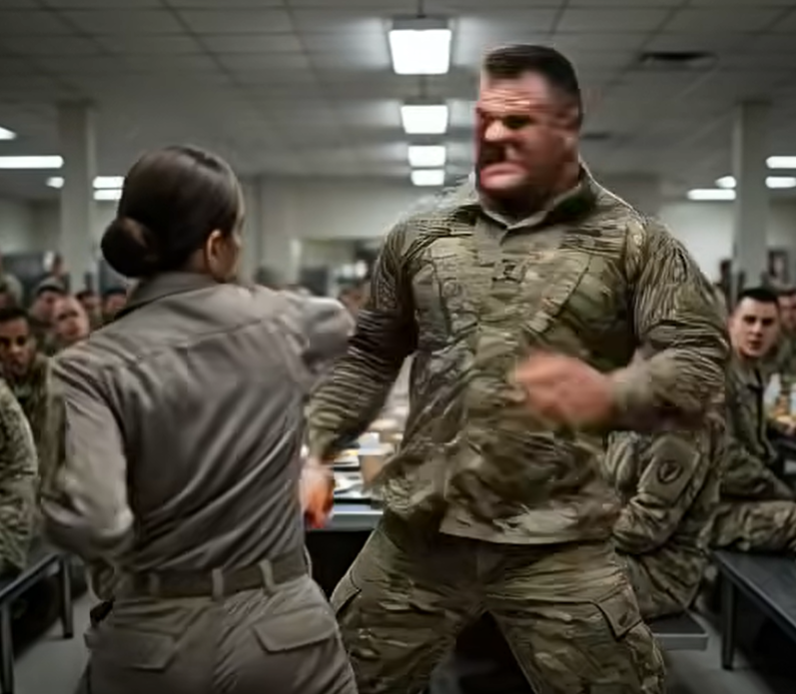
“Die, B*tch,” He Spat, Swinging a Massive Fist in the Mess Hall. He Thought I Was an Easy Target — He Had No Idea He Just Attacked a Classified SEAL Shadow Operative.
I was running on fumes. Seventy-two hours of off-the-books reconnaissance in the frozen Alaskan wilderness had left every muscle screaming. My joints ached from crawling through ice-crusted snow, my eyes burned from staring through night-vision gear, and the only thing keeping me upright was the promise of a hot meal and twelve hours of blackout […]
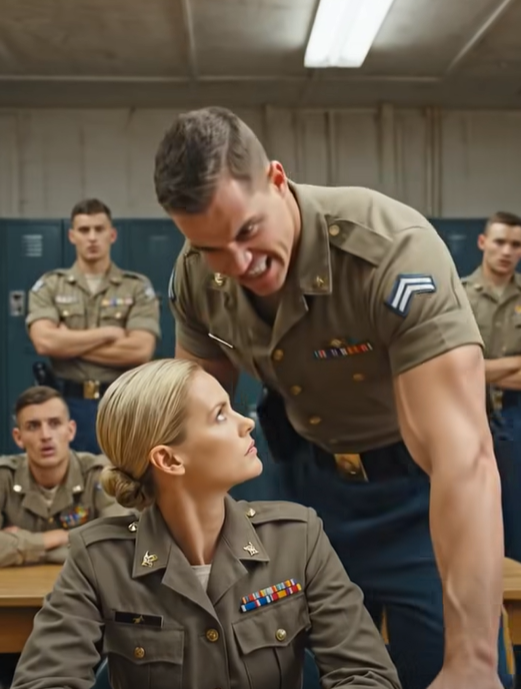
“Do You Know Who I Am?” He Pushed Her — Seconds Later, One ID Card Ended His Career
The dim lights of Rusty’s Bar flickered like dying stars just outside Camp Pendleton. It was a Friday night, the kind where Marines came to forget the sand and the screams they carried home from deployment. I had come here for the opposite reason — to disappear. My name is Commander Thalia Renwick. Highly decorated […]
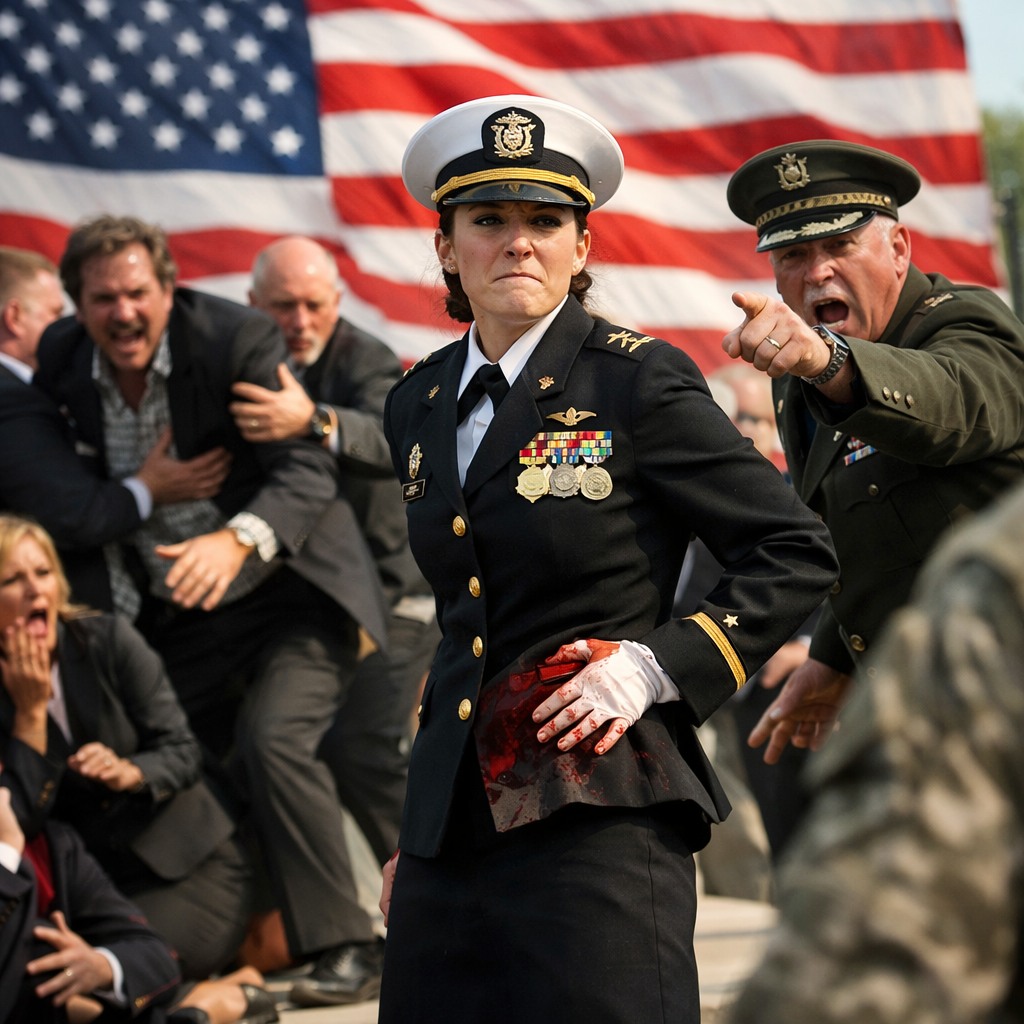
15 Years After My Dad Kicked Me Out, I Saw Him At My Sister’s Wedding. He Sneered: “If It Wasn’t For Pity, No One Would’ve Invited You.” I Just Smiled And Sipped My Wine. Then The Bride Took The Mic And Changed Everything.
The South Carolina sun was merciless that June afternoon, turning the outdoor wedding venue into a glittering oven. I stood near the back in my crisp Army dress uniform, the brass buttons and medals catching the light with every breath. At 34 years old, I had come home for my little sister’s wedding — the […]
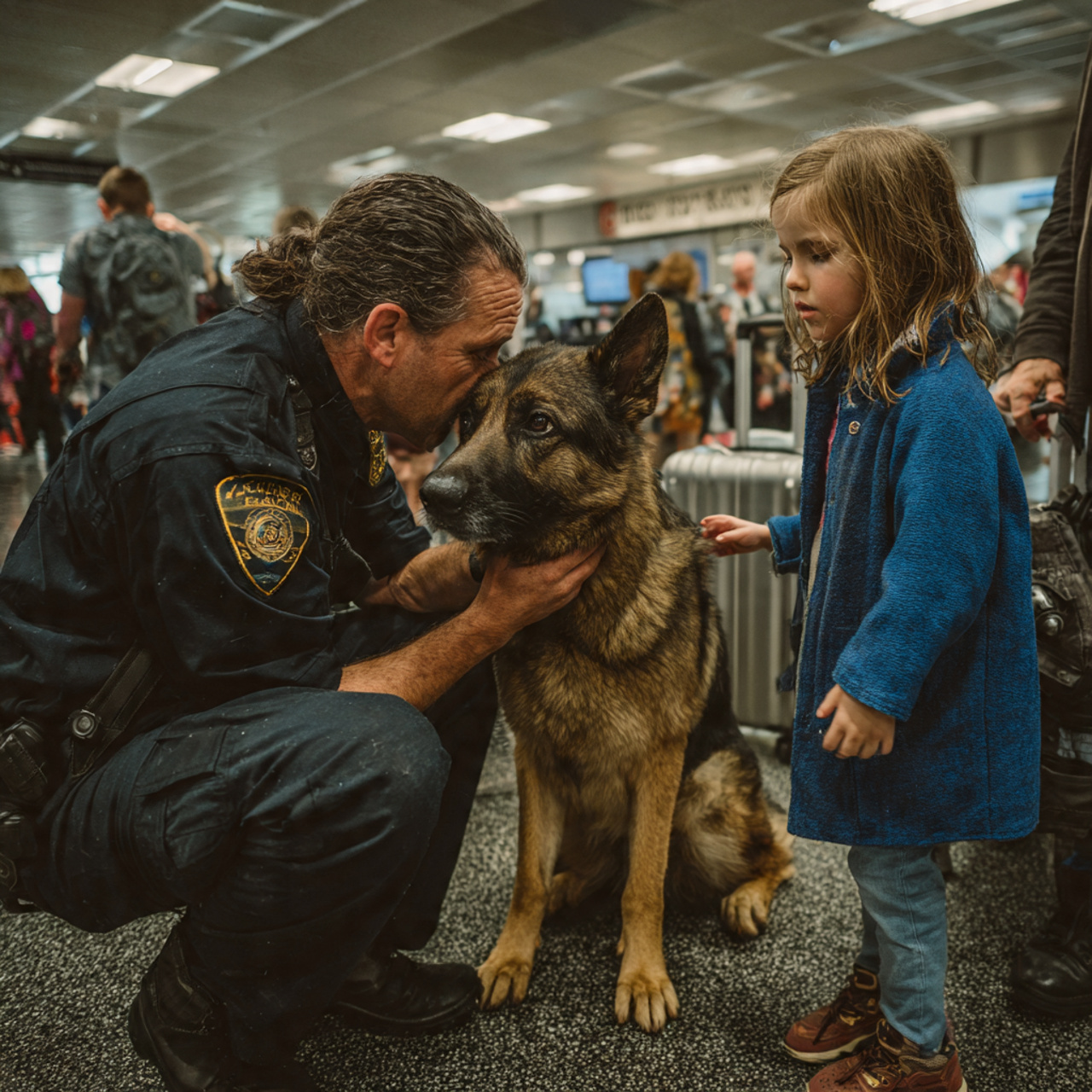
“A POLICE DOG FROZE IN THE AIRPORT. THEN A LITTLE GIRL TAPPED HIS HEAD. WHAT HAPPENED NEXT MADE EVERY TRAVELER STOP. HAVE YOU EVER WITNESSED A SILENT CRY FOR HELP?
The bustling international airport was a whirlwind of rolling suitcases, hurried announcements, and weary travelers rushing to their gates. Officer Liam Mercer patrolled the terminal with his loyal K9 partner, Rex — a highly trained German Shepherd known for his sharp instincts in detection and child safety operations. Everything seemed routine until Rex suddenly froze […]
End of content
No more pages to load