Season 29 of The Voice, officially titled The Voice: Battle of Champions, premieres Monday, February 23, 2026, at 9/8c on NBC and streaming the next day on Peacock. This landmark cycle is designed to be the most unpredictable, high-stakes, and strategically intense season in the show’s history. With a radically revamped format, game-changing new advantages, surprise returns from past artists, and a voting system that introduces real-time in-studio input from super fans and alumni, the competition is built to unsettle expectations at every turn.
For the first time ever, The Voice drops from four coaches to three, creating a pure, head-to-head showdown among powerhouse veterans who have all previously won the title. Kelly Clarkson returns for her tenth season after a one-season hiatus, Adam Levine comes back for his eighteenth, and John Legend rejoins for his eleventh after sitting out Season 28. These three OGs—each a multiple-time champion—bring legacy, rivalry, and personal stakes into the red chairs. With no fourth coach to dilute the tension, every blind audition, battle, knockout, and live show becomes a direct battle for supremacy.
The season kicks off with a revamped Blind Auditions phase that introduces the Triple Turn Competition. Coaches compete head-to-head to earn the most three-chair turns from contestants. The winner of this mini-race gains a powerful edge: a Super Steal that can be used once during the Battles. This Super Steal overrides any other coach’s attempt to steal an artist, guaranteeing the winning coach keeps the talent. The change instantly raises the stakes in the blinds—no longer just about filling teams, but about outmaneuvering opponents in real time.

The Battles round gets even more dangerous with the In-Season All-Star Competition. During the Knockouts phase, each coach selects two former artists from their past teams to return and compete in head-to-head sing-offs. A returning original coach—CeeLo Green—judges these matchups. The coach who wins the most sing-offs earns a guaranteed second artist in the Season 29 finale. This twist brings back fan-favorite alumni, injects surprise and nostalgia, and forces coaches to strategize about which veterans to bring back and how those performances could swing momentum.
Perhaps the most radical shift comes in the live shows. For the first time, voting is no longer solely in the hands of home viewers. During the semi-finals (Top 9) and finale (Top 4), a new voting block of super fans and past Voice artists joins the in-studio audience and votes in real time alongside the public. The exact weight of this block’s votes compared to home voting remains undisclosed, but the addition introduces unpredictability: a last-second surge from insiders or superfans could flip eliminations or crownings without warning. This hybrid voting system adds a layer of danger—familiar faces can influence outcomes directly, and no lead is safe.
The format overhaul aligns with NBC’s “Legendary February” programming block, infusing the season with fast-paced, competitive energy inspired by sports and championship battles. Every round delivers a first-ever element: the Triple Turn in Blinds, Super Steal in Battles, In-Season All-Stars in Knockouts, and the new voting block in lives. Coaches build teams of 10 artists each during Blinds, then navigate a gauntlet where advantages, returns, and real-time voting can erase momentum in seconds.
The three-coach structure intensifies personal rivalries. Kelly Clarkson, Adam Levine, and John Legend have deep histories with the show—wins, signature styles, and loyal fanbases. Their return creates a legacy showdown: Kelly’s emotional mentorship and powerhouse vocals, Adam’s rock edge and artist development, John’s soulful guidance and musicality. Without a fourth coach to dilute focus, every decision, steal, and advantage feels magnified.
The surprise returns and new voting block also raise the stakes for contestants. Artists now face not just judges and viewers, but potentially former champions and superfans who know the game intimately. A well-liked alum in the audience could sway a close call, while a strategic Super Steal could snatch a breakout talent away at the last moment.
Season 29’s deliberate danger lies in its unpredictability. Advantages can flip battles, surprise returns can shift momentum, and altered voting can rewrite outcomes live. No lead is safe, no strategy is foolproof. Every episode is built to unsettle expectations, forcing coaches and artists to adapt on the fly.
With a premiere date of February 23, 2026, The Voice: Battle of Champions arrives ready to redefine the competition. Familiar faces step back into the spotlight, but only one coach can truly win this battle. The rules have changed. The stakes are higher. And the road to the title has never felt more dangerous.
News

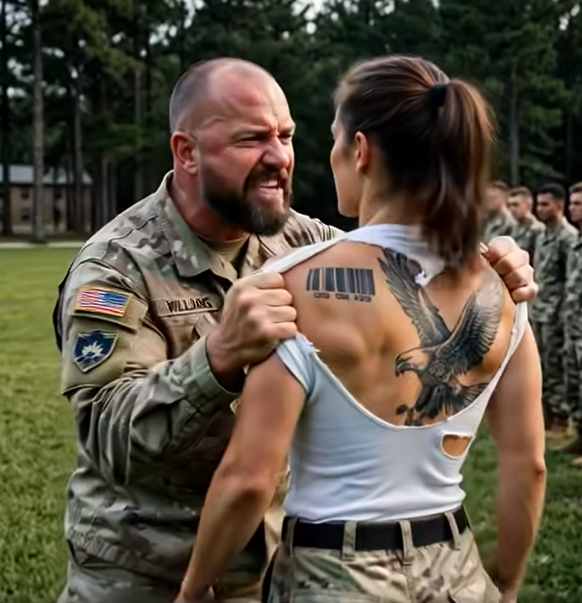
“Shave Her Head,” the Sergeant Ordered Coldly. “If Discipline Won’t Break Her, Maybe Humiliation Will.” But What They Didn’t Know Was That the Woman They Underestimated Would Bring Their Entire Base to Its Knees.
General Alexander Vance had heard the whispers for months: Fort Blackwood was rotting from within. Soldiers spoke in hushed tones of systematic humiliation disguised as “discipline,” falsified training records, missing supply funds that somehow vanished into private accounts, and a toxic command climate built on fear and intimidation. Every official inspection came back sparkling clean […]
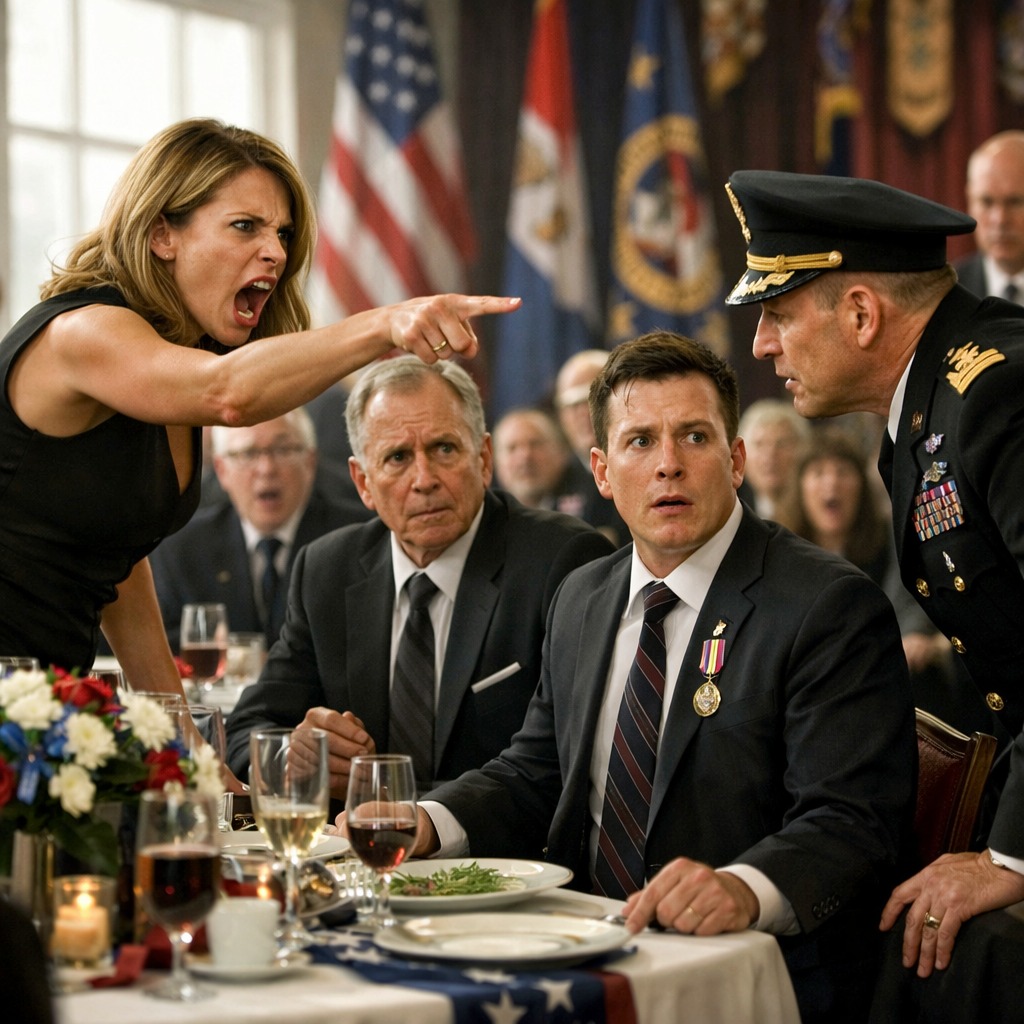
At A Veterans’ Dinner, The Colonel Leaned Toward My Brother And Asked One Simple Question: “Can You Tell Me How You Earned This Decoration, Son?” His Face Turned White. He Pointed At My Father And Said: “He Told Me It Belonged To Our Uncle.” The Uncle Never Existed.
The Ridgewood Armory smelled like every other veterans’ event I’d ever attended: floor wax, overcooked chicken, old coffee, and the faint metallic tang of too many American flags. Fluorescent lights buzzed overhead, casting a harsh glow on rows of folding tables and men in ill-fitting blazers trying to look like they still belonged in uniform. […]
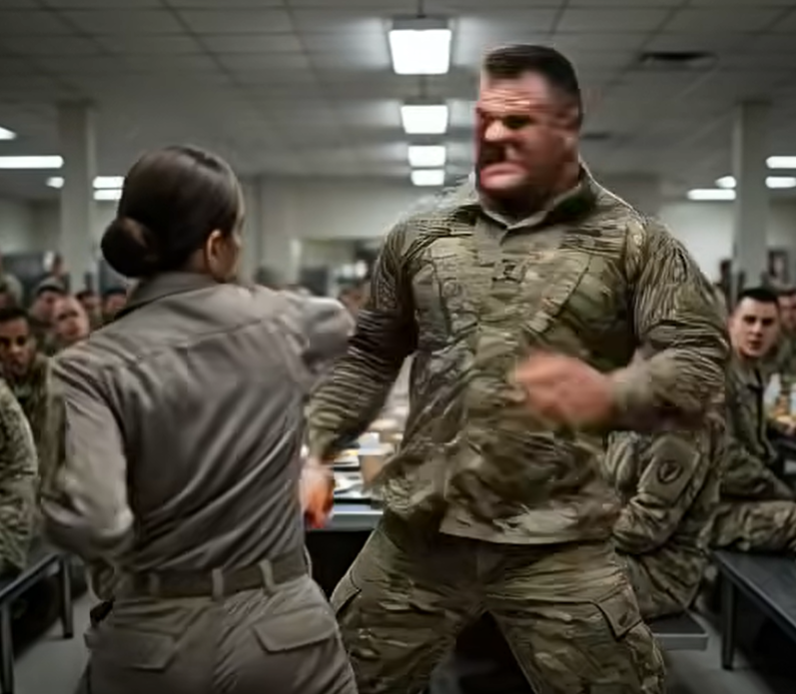
“Die, B*tch,” He Spat, Swinging a Massive Fist in the Mess Hall. He Thought I Was an Easy Target — He Had No Idea He Just Attacked a Classified SEAL Shadow Operative.
I was running on fumes. Seventy-two hours of off-the-books reconnaissance in the frozen Alaskan wilderness had left every muscle screaming. My joints ached from crawling through ice-crusted snow, my eyes burned from staring through night-vision gear, and the only thing keeping me upright was the promise of a hot meal and twelve hours of blackout […]
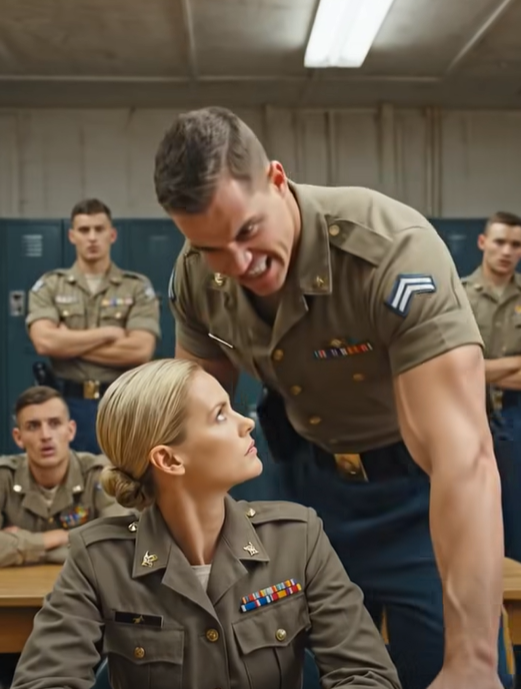
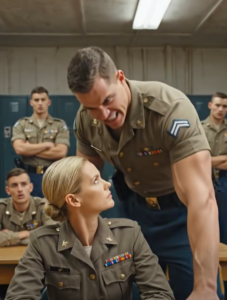
“Do You Know Who I Am?” He Pushed Her — Seconds Later, One ID Card Ended His Career
The dim lights of Rusty’s Bar flickered like dying stars just outside Camp Pendleton. It was a Friday night, the kind where Marines came to forget the sand and the screams they carried home from deployment. I had come here for the opposite reason — to disappear. My name is Commander Thalia Renwick. Highly decorated […]
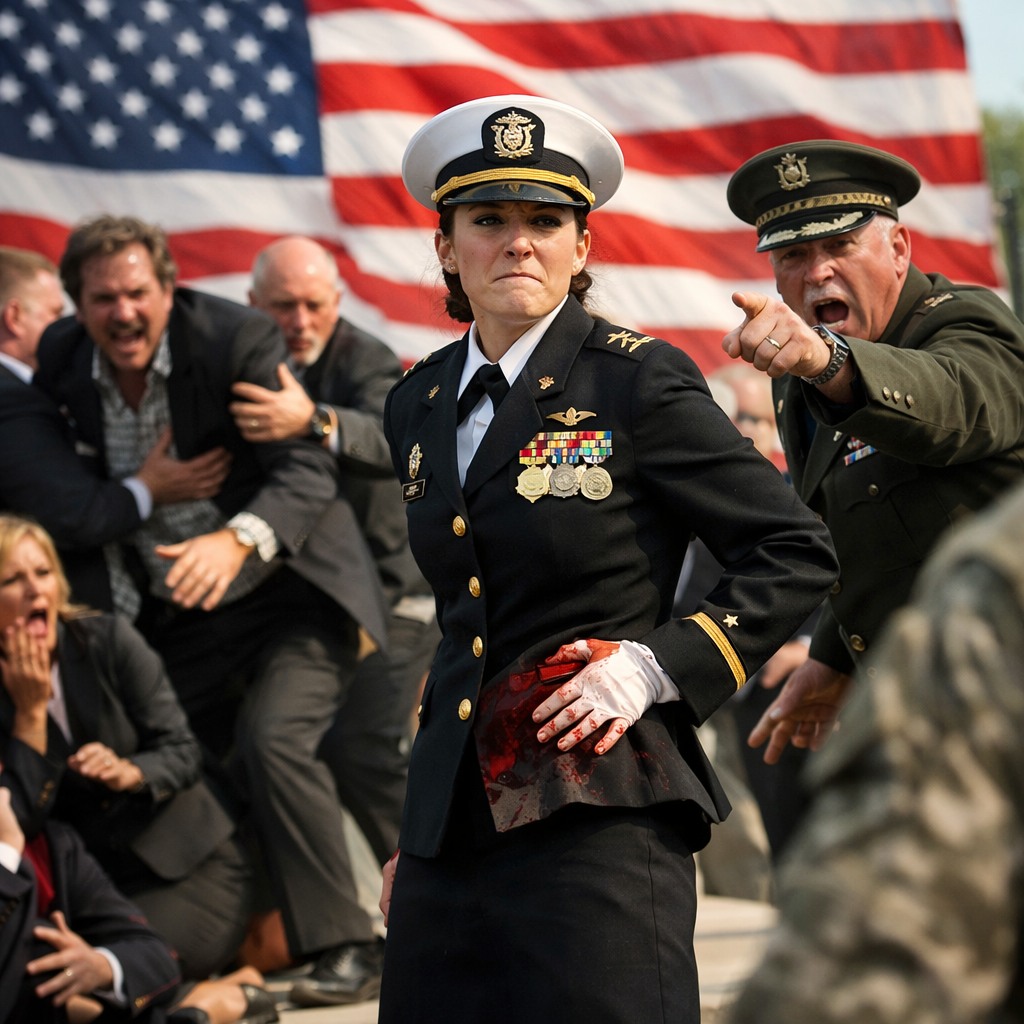
15 Years After My Dad Kicked Me Out, I Saw Him At My Sister’s Wedding. He Sneered: “If It Wasn’t For Pity, No One Would’ve Invited You.” I Just Smiled And Sipped My Wine. Then The Bride Took The Mic And Changed Everything.
The South Carolina sun was merciless that June afternoon, turning the outdoor wedding venue into a glittering oven. I stood near the back in my crisp Army dress uniform, the brass buttons and medals catching the light with every breath. At 34 years old, I had come home for my little sister’s wedding — the […]
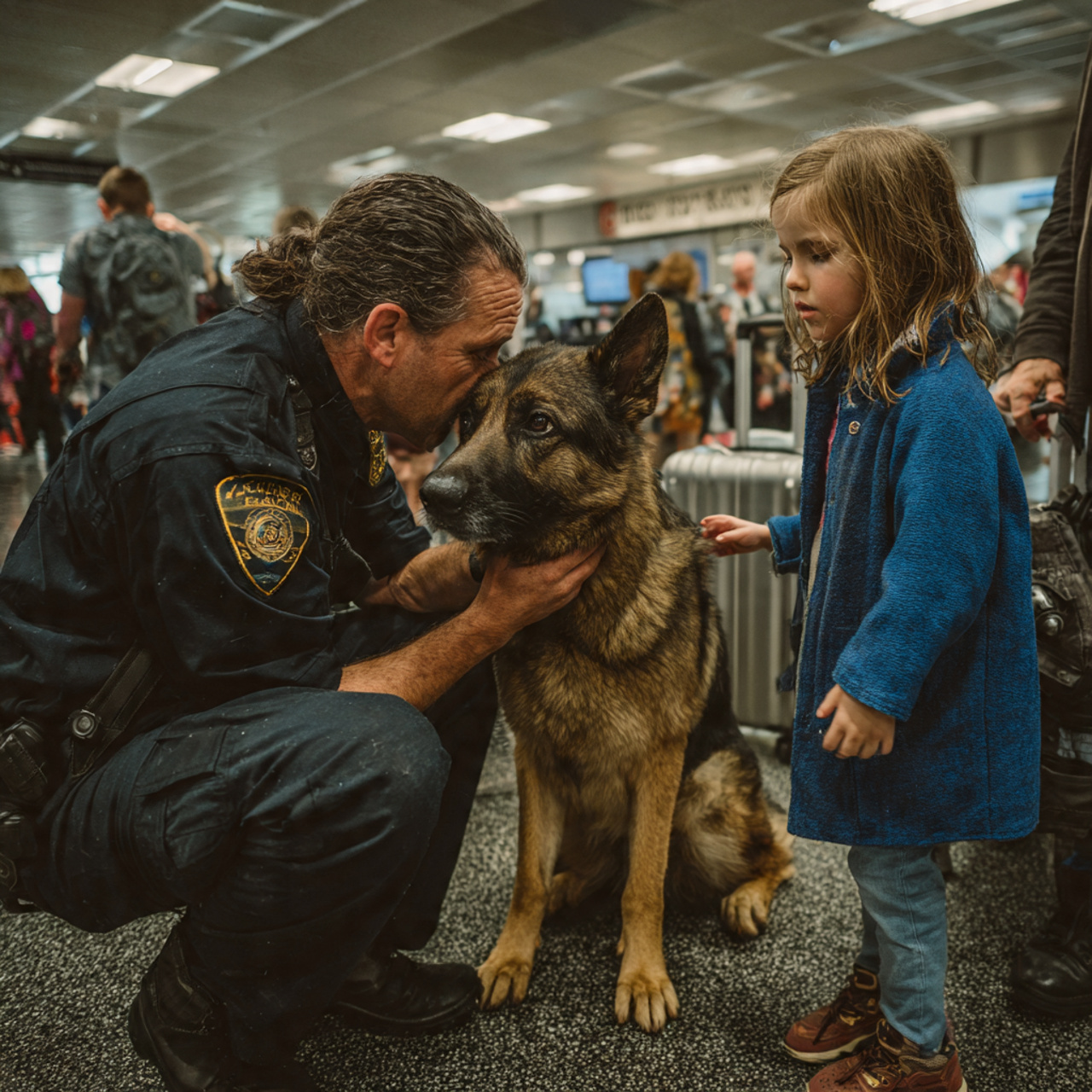
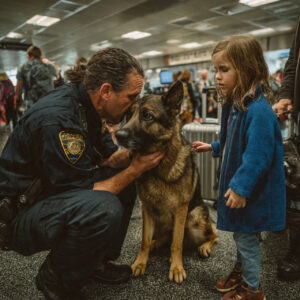
“A POLICE DOG FROZE IN THE AIRPORT. THEN A LITTLE GIRL TAPPED HIS HEAD. WHAT HAPPENED NEXT MADE EVERY TRAVELER STOP. HAVE YOU EVER WITNESSED A SILENT CRY FOR HELP?
The bustling international airport was a whirlwind of rolling suitcases, hurried announcements, and weary travelers rushing to their gates. Officer Liam Mercer patrolled the terminal with his loyal K9 partner, Rex — a highly trained German Shepherd known for his sharp instincts in detection and child safety operations. Everything seemed routine until Rex suddenly froze […]
End of content
No more pages to load