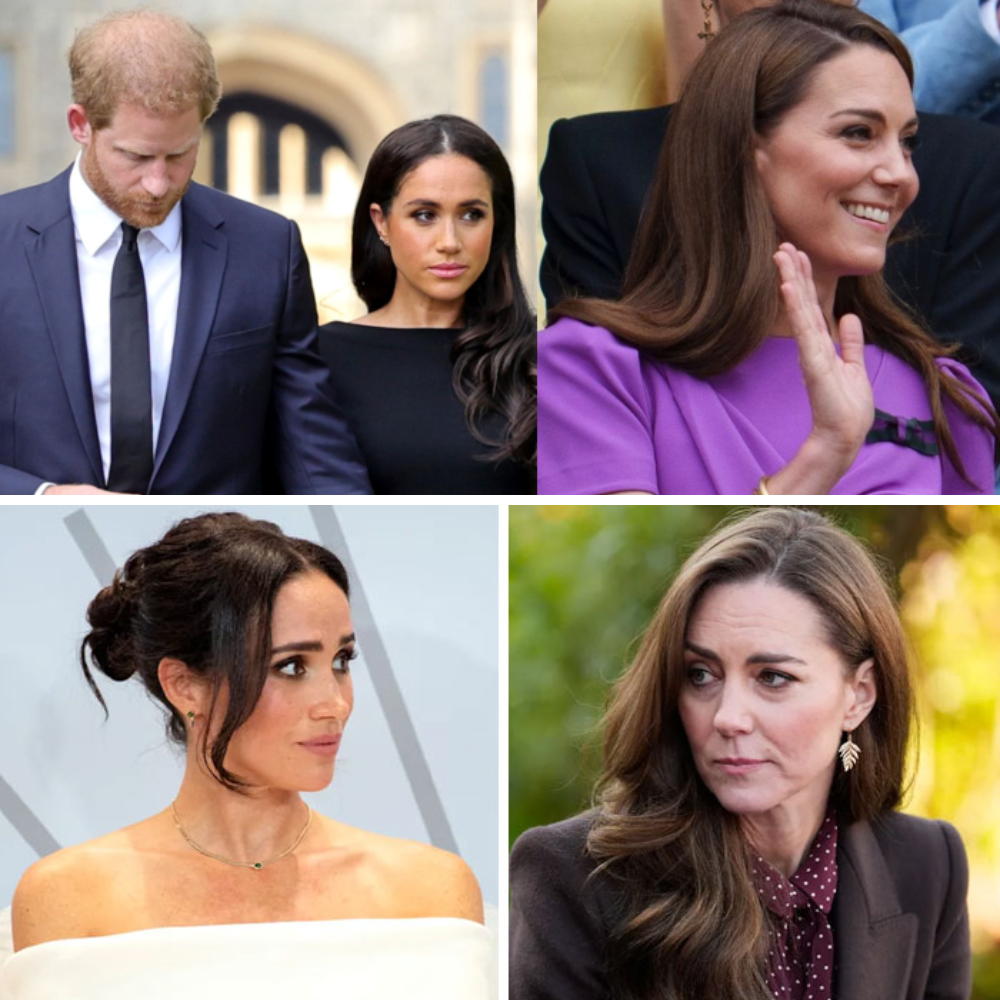
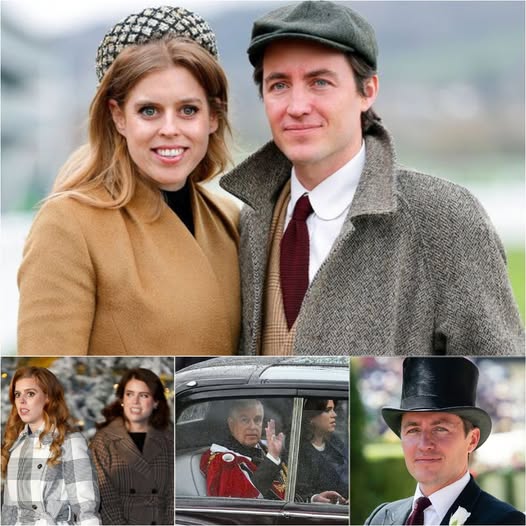
Prince William’s move into his new Forest Lodge residence hasn’t been smooth sailing — and now locals are saying he’s even been banned from something he used to enjoy around the property. Due to strict Windsor Great Park rules, William has reportedly been banned from riding his e-scooter on the estate near the home, much to his chagrin and neighbour complaints about disruption and safety policies — a rule he has to follow despite living there now.
The changes around the ever-talked-about Forest Lodge have also sparked broader anger, with parts of Windsor Great Park turned into a no-go zone for locals, blocking paths and access that residents used for years.
The Prince and Princess of Wales officially settled into Forest Lodge in November 2025, marking a significant upgrade from their previous residence at Adelaide Cottage. This historic Georgian mansion, tucked away in a secluded corner of the sprawling 4,800-acre Windsor Great Park, offers the family far more space and privacy. Built in the 1770s and later enlarged, the Grade II-listed property features eight bedrooms, a chandelier-lit ballroom, a tennis court, and extensive grounds surrounded by woodlands. Formerly known as Holly Grove before Edward VIII renamed it in 1936, Forest Lodge has hosted notable residents over the centuries, from royal equerries to private secretaries. William and Catherine reportedly pay market rent for the home, covering renovations and relocation costs privately rather than drawing on public funds.
The relocation promised a quieter, more family-oriented life for the couple and their three children—Prince George, Princess Charlotte, and Prince Louis—while keeping them close to Lambrook School and Windsor Castle. Yet the move has stirred controversy among nearby residents, who have voiced frustration over new security measures and restrictions that have reshaped their daily routines in the park.
:max_bytes(150000):strip_icc()/KateLead-68d41583f1b1497cbe3bfc3a2d3d1f1c.jpg)
Central to the complaints is a security cordon established around Forest Lodge. To accommodate the heightened protection required for the future king and his family, approximately 150 acres of surrounding parkland were fenced off last September, ahead of the family’s arrival. This exclusion zone, spanning roughly 2.3 miles in perimeter, includes newly installed fencing, CCTV cameras, “no entry” signs, and increased police patrols. For locals who have long enjoyed the park—dog walkers, ramblers, and families—the changes have meant losing access to familiar paths, a popular car park at Cranbourne Gate (where residents paid an annual fee for entry), and even routes to nearby amenities like a Christmas tree shop.
Residents describe the measures as excessive and imposed without adequate consultation. Many have walked or exercised in the area for decades, contributing to park upkeep through fees or community involvement. One longtime resident called the restrictions “a kick in the teeth,” noting that the closure forces them to drive farther for similar outings. Others expressed dismay at warnings of arrest for trespassing in areas they once roamed freely. The Crown Estate, which manages Windsor Great Park, justifies the zone as necessary for safety and security, reserving roads primarily for residents, estate workers, and cyclists while prohibiting unauthorized access.
Adding to the tension is the irony of the e-scooter ban affecting Prince William himself. The Prince of Wales has long been a fan of electric scooters, often seen zipping around Windsor Castle grounds on his device for quick commutes. He was famously filmed riding one during an episode of the Apple TV+ series The Reluctant Traveler in 2025, charming viewers with his casual, eco-friendly approach to getting around. At Adelaide Cottage, within the Windsor Castle estate, no such restrictions applied, allowing him to enjoy the convenience without issue.
Forest Lodge’s location changes everything. Windsor Great Park’s official rules explicitly prohibit motorized personal transport—including e-scooters, hoverboards, and one-wheels—for reasons of safety and traffic management. The park’s website states that roads are reserved for residents, estate workers, and cyclists, with all other motorized vehicles banned. While some locals on nearby lanes might use scooters discreetly, high-profile areas like the Long Walk and routes near Forest Lodge remain off-limits. An insider close to the prince noted that William “used to love his e-scooter to get around the castle as there was no ban,” but he is “more than happy and prepared to adhere to the rules” in the park.
The ban, while minor in the grand scheme, highlights the trade-offs of royal life—even for the future king. William’s willingness to comply underscores his respect for estate policies, despite the personal inconvenience. Royal experts praise his grounded approach, noting he shows “no diva behavior” in accepting the restriction. Instead of challenging the rule, he has reportedly adjusted to walking or using other means to navigate the grounds.
Broader resident anger stems from a sense of lost access to public land. Windsor Great Park, a cherished natural space enjoyed by locals and visitors alike, has long symbolized openness. The new cordon disrupts that, forcing some to reroute daily walks or find alternative parks. Critics argue the measures prioritize one family’s security over community enjoyment, especially given the park’s Crown Estate management and partial public funding through fees. While security needs are understood—particularly after past incidents—the scale of the exclusion zone has left many feeling sidelined.
The Crown Estate maintains that the restrictions are proportionate and necessary, with roads still accessible to residents and workers. Yet the controversy persists, fueling debates about royal privilege and public land use. Some residents accept the changes as inevitable for high-profile protection, while others see it as overreach.
For William and Catherine, Forest Lodge represents a fresh start—a larger, more private “forever home” where their children can grow up amid nature. The property’s historic charm, with its red brick facade, ornate interiors, and surrounding woodlands, offers a peaceful retreat. Yet the early months have brought unexpected challenges: adapting to park rules, navigating local sentiment, and balancing royal duties with family life.
The e-scooter ban, though small, symbolizes the constraints that come with the move. William, known for his environmental advocacy and practical habits, must now find new ways to enjoy the estate. Perhaps he’ll embrace walking the trails or cycling instead—options still permitted under the rules. His compliance sends a message: even the heir to the throne follows the same guidelines as everyone else in the park.
As the Wales family settles in, the hope is that time will ease tensions. The park remains a shared treasure, and with careful management, coexistence is possible. For now, the row highlights the delicate balance between royal security and community rights. Forest Lodge may be a dream home, but its surroundings come with real-world rules—and real neighbors watching closely.
News

“Shave Her Head,” the Sergeant Ordered Coldly. “If Discipline Won’t Break Her, Maybe Humiliation Will.” But What They Didn’t Know Was That the Woman They Underestimated Would Bring Their Entire Base to Its Knees.
General Alexander Vance had heard the whispers for months: Fort Blackwood was rotting from within. Soldiers spoke in hushed tones of systematic humiliation disguised as “discipline,” falsified training records, missing supply funds that somehow vanished into private accounts, and a toxic command climate built on fear and intimidation. Every official inspection came back sparkling clean […]
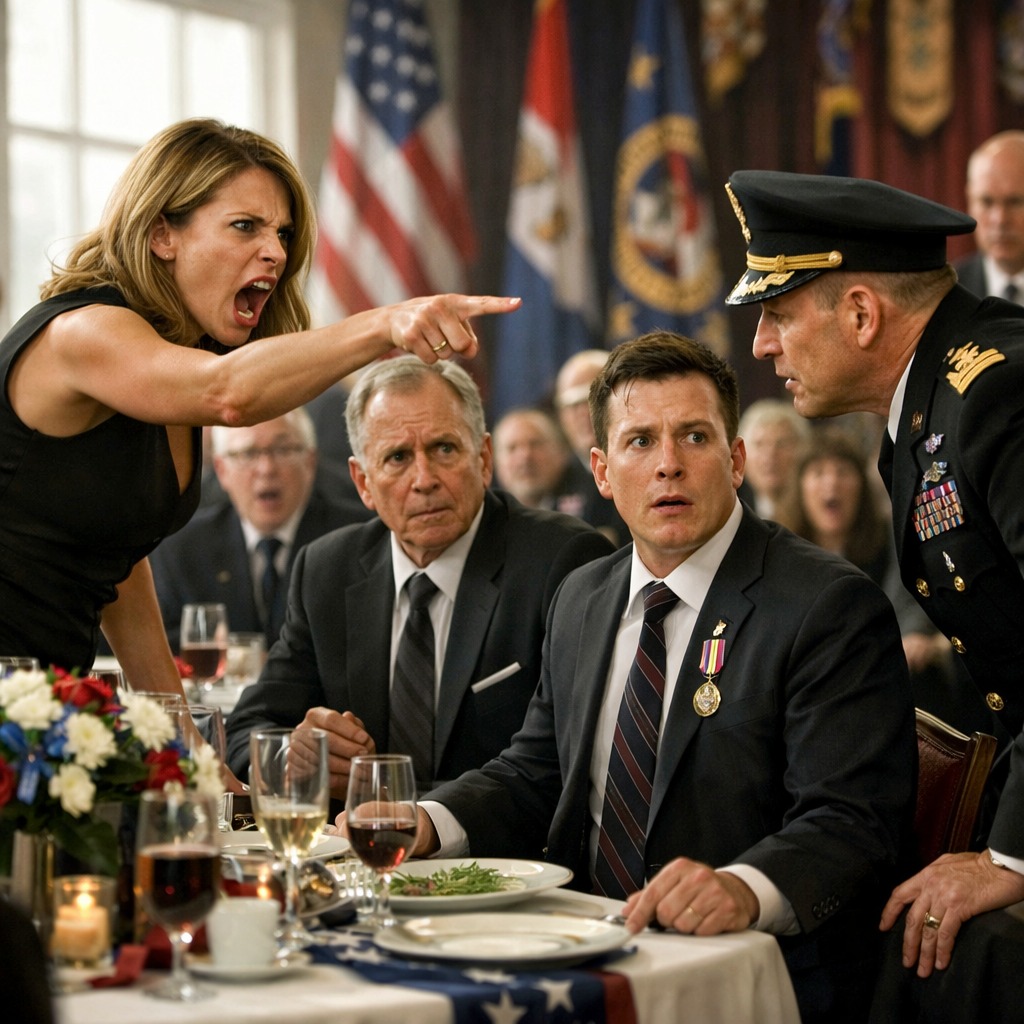
At A Veterans’ Dinner, The Colonel Leaned Toward My Brother And Asked One Simple Question: “Can You Tell Me How You Earned This Decoration, Son?” His Face Turned White. He Pointed At My Father And Said: “He Told Me It Belonged To Our Uncle.” The Uncle Never Existed.
The Ridgewood Armory smelled like every other veterans’ event I’d ever attended: floor wax, overcooked chicken, old coffee, and the faint metallic tang of too many American flags. Fluorescent lights buzzed overhead, casting a harsh glow on rows of folding tables and men in ill-fitting blazers trying to look like they still belonged in uniform. […]

“Die, B*tch,” He Spat, Swinging a Massive Fist in the Mess Hall. He Thought I Was an Easy Target — He Had No Idea He Just Attacked a Classified SEAL Shadow Operative.
I was running on fumes. Seventy-two hours of off-the-books reconnaissance in the frozen Alaskan wilderness had left every muscle screaming. My joints ached from crawling through ice-crusted snow, my eyes burned from staring through night-vision gear, and the only thing keeping me upright was the promise of a hot meal and twelve hours of blackout […]

“Do You Know Who I Am?” He Pushed Her — Seconds Later, One ID Card Ended His Career
The dim lights of Rusty’s Bar flickered like dying stars just outside Camp Pendleton. It was a Friday night, the kind where Marines came to forget the sand and the screams they carried home from deployment. I had come here for the opposite reason — to disappear. My name is Commander Thalia Renwick. Highly decorated […]

15 Years After My Dad Kicked Me Out, I Saw Him At My Sister’s Wedding. He Sneered: “If It Wasn’t For Pity, No One Would’ve Invited You.” I Just Smiled And Sipped My Wine. Then The Bride Took The Mic And Changed Everything.
The South Carolina sun was merciless that June afternoon, turning the outdoor wedding venue into a glittering oven. I stood near the back in my crisp Army dress uniform, the brass buttons and medals catching the light with every breath. At 34 years old, I had come home for my little sister’s wedding — the […]
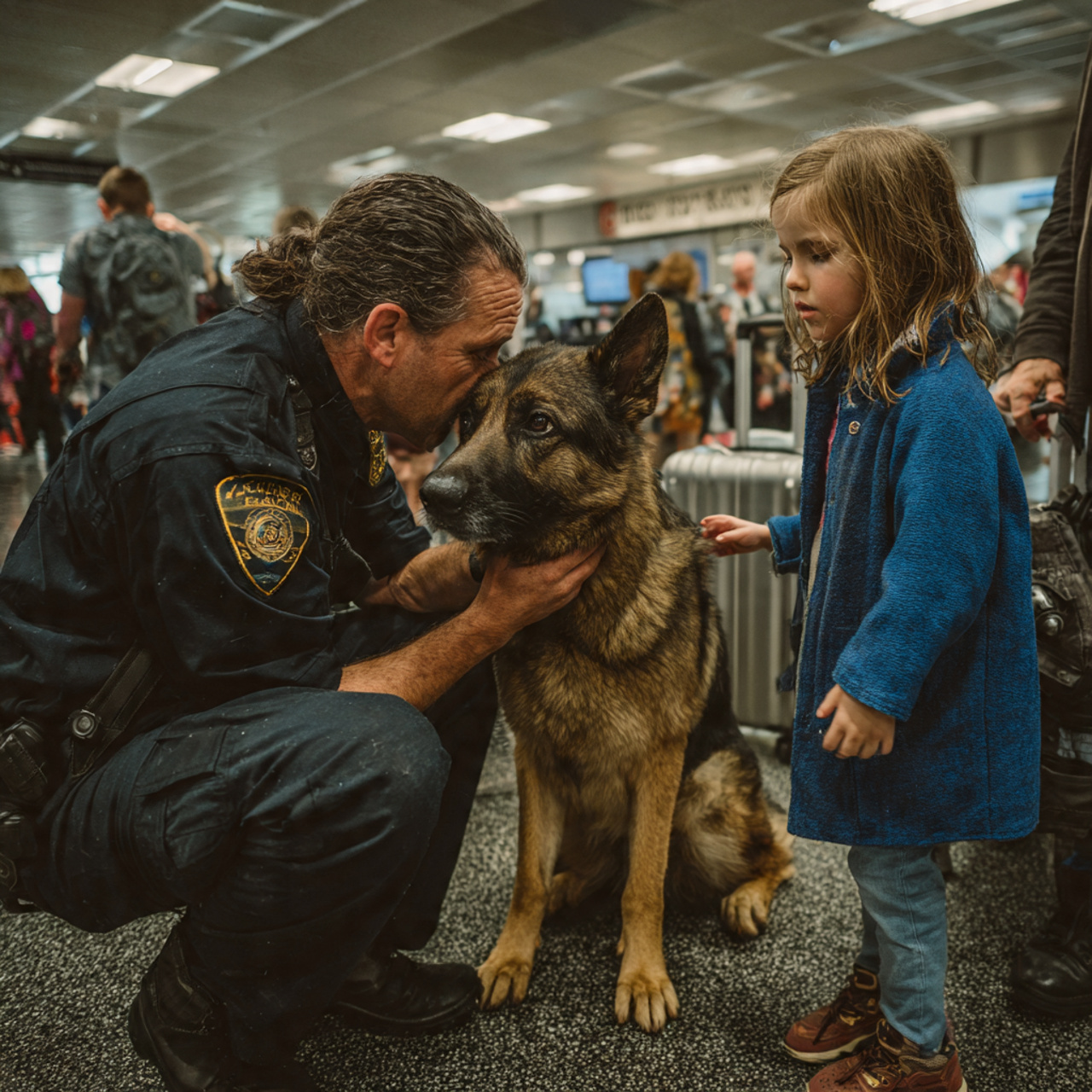
“A POLICE DOG FROZE IN THE AIRPORT. THEN A LITTLE GIRL TAPPED HIS HEAD. WHAT HAPPENED NEXT MADE EVERY TRAVELER STOP. HAVE YOU EVER WITNESSED A SILENT CRY FOR HELP?
The bustling international airport was a whirlwind of rolling suitcases, hurried announcements, and weary travelers rushing to their gates. Officer Liam Mercer patrolled the terminal with his loyal K9 partner, Rex — a highly trained German Shepherd known for his sharp instincts in detection and child safety operations. Everything seemed routine until Rex suddenly froze […]
End of content
No more pages to load