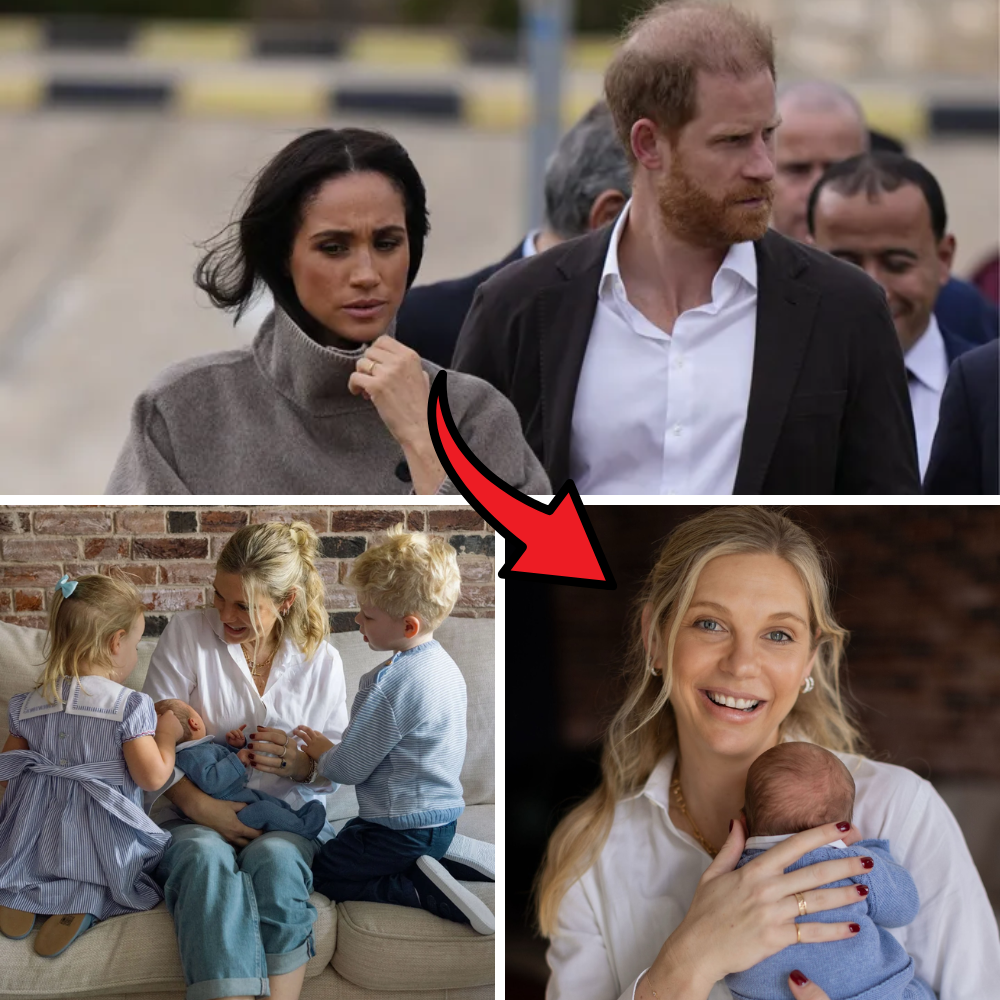
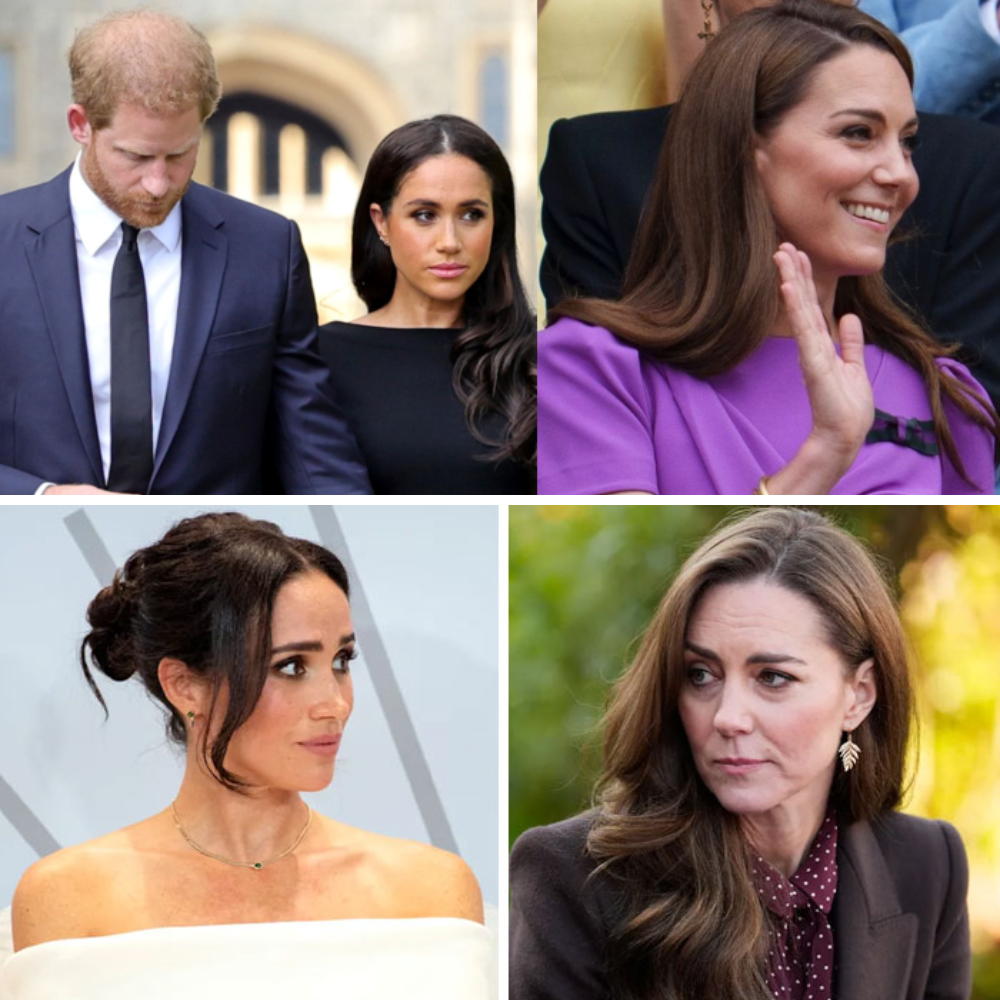
On the second and final day of their surprise humanitarian visit to Jordan, Prince Harry and Meghan Markle immersed themselves in the country’s frontline health and recovery efforts, joining World Health Organization delegations to highlight critical work supporting vulnerable populations amid regional crises. The Duke and Duchess of Sussex, partnering closely with WHO Director-General Dr. Tedros Adhanom Ghebreyesus, toured two landmark facilities in Amman: the renowned King Hussein Cancer Centre and the National Centre for Rehabilitation of Addicts. Their engagements underscored Jordan’s pivotal role as a regional hub for medical leadership, refugee support, and mental health advocacy, while drawing global attention to ongoing humanitarian challenges.
The day began at the Amman office of World Central Kitchen, where the couple learned about coordinated food aid deliveries into Gaza. The visit set a tone of practical compassion, as Harry and Meghan engaged with staff handling logistics for one of the most urgent food insecurity crises in the region. From there, they transitioned to the National Centre for Rehabilitation of Addicts (NCRA), a Ministry of Health facility providing short-term residential and outpatient treatment for substance use disorders. Services include medical withdrawal support, psychological counseling, and social reintegration programs, addressing a growing need in Jordan where mental health resources remain stretched by conflict-related displacement.
At the NCRA, the Sussexes accompanied a WHO delegation, including Dr. Tedros, to meet patients and staff in a series of intimate conversations. Prince Harry, drawing from his long-standing advocacy for mental health through initiatives like Heads Together and his own public reflections on personal struggles, spoke directly to recovering individuals. “I want you guys to know there’s no shame in having an addiction—it stems from something else which is emotional pain,” he told a group of patients. “You’re very, very brave to come here into hospital.” He encouraged them to use their experiences to support others upon returning to their communities, emphasizing recovery as a cycle of healing and giving back. The couple left handwritten messages of encouragement on sticky notes, including the simple but powerful phrase “It’s OK not to be OK,” a sentiment that resonated deeply and quickly spread across social media.

Meghan joined in the exchanges with warmth and attentiveness, offering hugs and words of solidarity to those sharing their journeys. The visit highlighted the intersection of addiction, trauma, and displacement—issues amplified in Jordan, which hosts millions of refugees from Syria, Palestine, and beyond. By focusing on mental health stigma reduction, the engagement aligned with the couple’s broader commitment to wellbeing, a cause they have championed since stepping back from senior royal duties in 2020.
The afternoon brought an equally poignant stop at the King Hussein Cancer Centre, Jordan’s leading specialized hospital for oncology care. The facility treats patients from across the region, including many evacuated from Gaza and other conflict zones. Harry and Meghan met young cancer patients and their families, offering comfort amid difficult circumstances. In one moving encounter, Meghan held hands with a mother who broke down while recounting her son’s leukemia battle, rubbing her arm in quiet support. Harry bonded with a teenage girl who shared how she learned English from watching Peppa Pig cartoons ahead of her chemotherapy sessions; he embraced her warmly, praising her resilience.
The couple’s interactions were marked by genuine empathy—hugs, attentive listening, and moments of levity that eased the heavy atmosphere. They toured wards, spoke with medical staff about innovative treatments and the strain of serving displaced populations, and expressed admiration for the center’s role in providing hope amid adversity. Dr. Tedros praised the Sussexes’ involvement, noting their commitment had brought visibility, resources, and hope to vulnerable communities. “Their collaboration is helping to advance WHO’s mission to ensure health for all,” he stated, underscoring the trip’s broader impact.
The Jordan visit, announced abruptly on February 25, 2026, and lasting just two days, focused on humanitarian health responses, mental health, and support for those affected by conflict and displacement. Jordan’s partnership with WHO and its frontline role in regional crises made it an ideal location. The Sussexes’ Sussex.com website described the country as standing tall in “humanitarian and moral leadership,” supporting refugees while strengthening domestic care systems. The couple also met female leaders at the Jordanian Hashemite Fund for Human Development, celebrating sustainable community efforts.
Public response has been overwhelmingly positive, with images of the compassionate exchanges circulating widely. Supporters praised the Sussexes for shining a light on underreported issues, while critics acknowledged the authenticity of their engagement. The trip reinforced their post-royal focus on global causes through Archewell Foundation and personal advocacy.
As they departed Amman, Harry and Meghan carried forward messages of resilience and hope. In a region marked by profound challenges, their presence amplified voices often overlooked, reminding the world that healing—whether from addiction, cancer, or conflict—begins with empathy and collective action. Jordan’s health heroes continue their vital work, now with renewed international attention thanks to two visitors who chose compassion over ceremony.
News
“Shave Her Head,” the Sergeant Ordered Coldly. “If Discipline Won’t Break Her, Maybe Humiliation Will.” But What They Didn’t Know Was That the Woman They Underestimated Would Bring Their Entire Base to Its Knees.
General Alexander Vance had heard the whispers for months: Fort Blackwood was rotting from within. Soldiers spoke in hushed tones of systematic humiliation disguised as “discipline,” falsified training records, missing supply funds that somehow vanished into private accounts, and a toxic command climate built on fear and intimidation. Every official inspection came back sparkling clean […]
At A Veterans’ Dinner, The Colonel Leaned Toward My Brother And Asked One Simple Question: “Can You Tell Me How You Earned This Decoration, Son?” His Face Turned White. He Pointed At My Father And Said: “He Told Me It Belonged To Our Uncle.” The Uncle Never Existed.
The Ridgewood Armory smelled like every other veterans’ event I’d ever attended: floor wax, overcooked chicken, old coffee, and the faint metallic tang of too many American flags. Fluorescent lights buzzed overhead, casting a harsh glow on rows of folding tables and men in ill-fitting blazers trying to look like they still belonged in uniform. […]
“Die, B*tch,” He Spat, Swinging a Massive Fist in the Mess Hall. He Thought I Was an Easy Target — He Had No Idea He Just Attacked a Classified SEAL Shadow Operative.
I was running on fumes. Seventy-two hours of off-the-books reconnaissance in the frozen Alaskan wilderness had left every muscle screaming. My joints ached from crawling through ice-crusted snow, my eyes burned from staring through night-vision gear, and the only thing keeping me upright was the promise of a hot meal and twelve hours of blackout […]
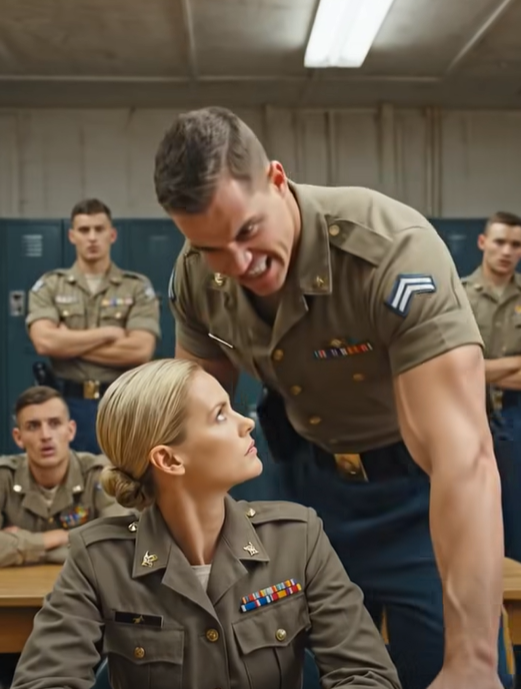
“Do You Know Who I Am?” He Pushed Her — Seconds Later, One ID Card Ended His Career
The dim lights of Rusty’s Bar flickered like dying stars just outside Camp Pendleton. It was a Friday night, the kind where Marines came to forget the sand and the screams they carried home from deployment. I had come here for the opposite reason — to disappear. My name is Commander Thalia Renwick. Highly decorated […]
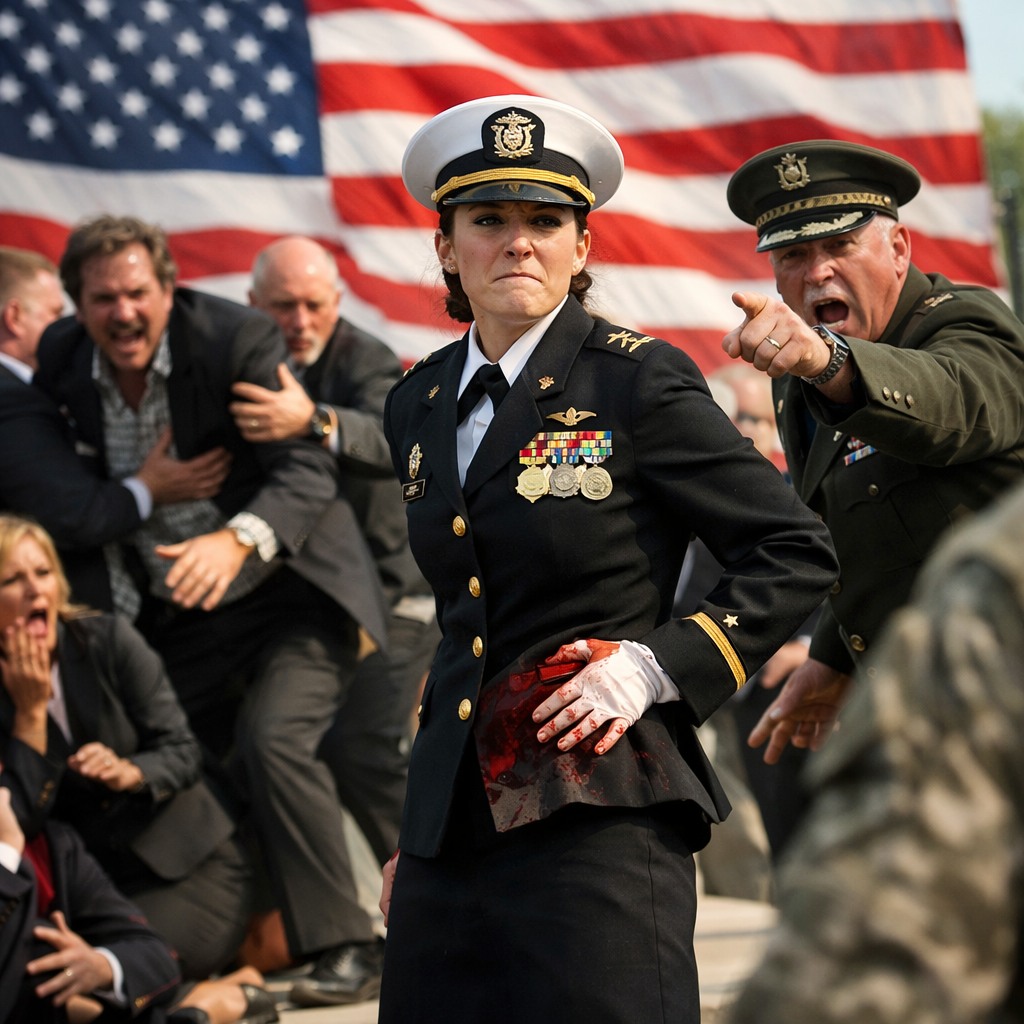
15 Years After My Dad Kicked Me Out, I Saw Him At My Sister’s Wedding. He Sneered: “If It Wasn’t For Pity, No One Would’ve Invited You.” I Just Smiled And Sipped My Wine. Then The Bride Took The Mic And Changed Everything.
The South Carolina sun was merciless that June afternoon, turning the outdoor wedding venue into a glittering oven. I stood near the back in my crisp Army dress uniform, the brass buttons and medals catching the light with every breath. At 34 years old, I had come home for my little sister’s wedding — the […]
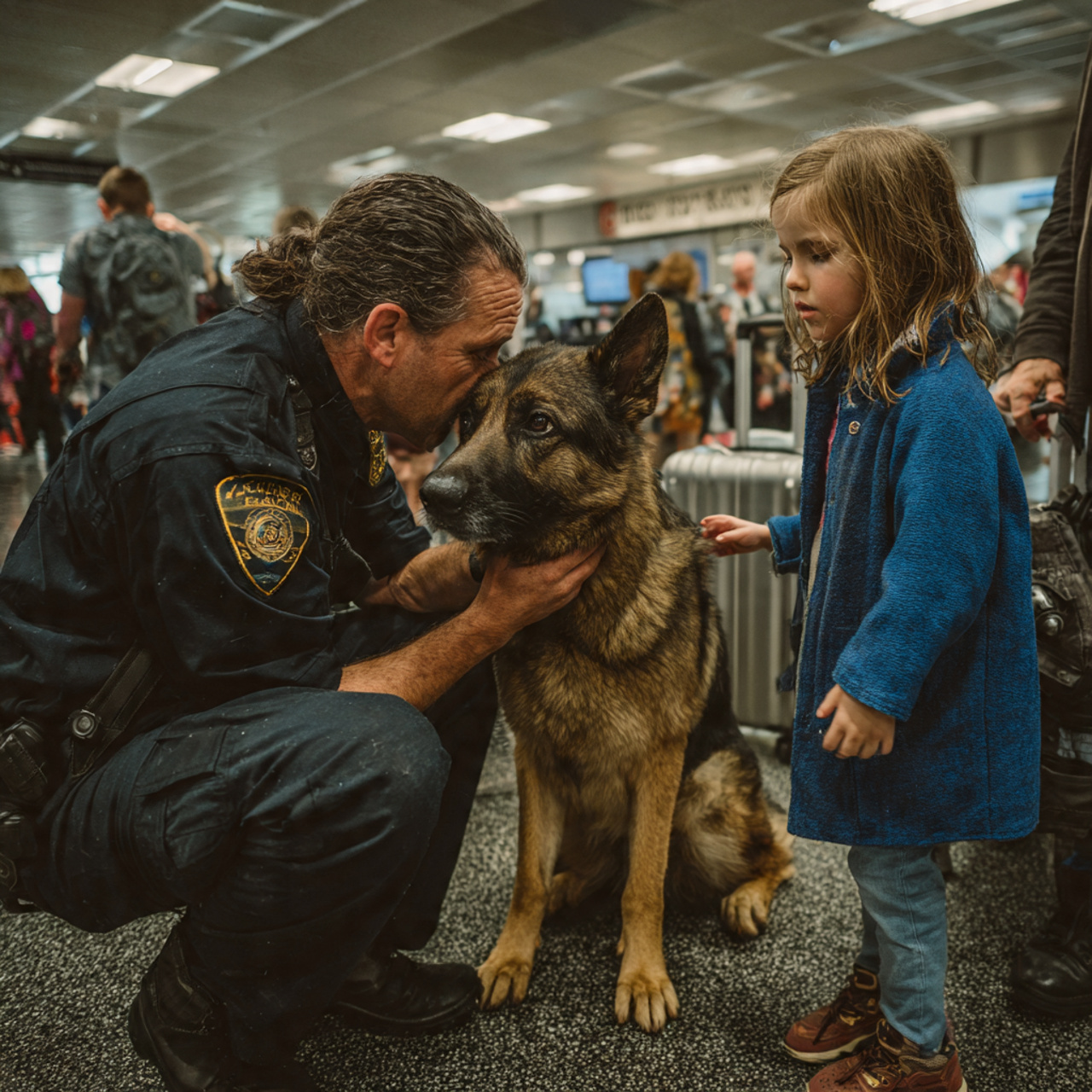
“A POLICE DOG FROZE IN THE AIRPORT. THEN A LITTLE GIRL TAPPED HIS HEAD. WHAT HAPPENED NEXT MADE EVERY TRAVELER STOP. HAVE YOU EVER WITNESSED A SILENT CRY FOR HELP?
The bustling international airport was a whirlwind of rolling suitcases, hurried announcements, and weary travelers rushing to their gates. Officer Liam Mercer patrolled the terminal with his loyal K9 partner, Rex — a highly trained German Shepherd known for his sharp instincts in detection and child safety operations. Everything seemed routine until Rex suddenly froze […]
End of content
No more pages to load