The long-awaited Peaky Blinders film The Immortal Man has finally arrived on Netflix, delivering the cinematic closure fans have demanded since the series wrapped its sixth season in 2022. Directed by Steven Knight and starring Cillian Murphy in his final turn as Thomas Shelby, the movie arrives amid sky-high expectations—yet it has left the fanbase sharply divided. While many praise its atmospheric intensity, emotional depth, and faithful recreation of the show’s signature style, a vocal chorus of viewers has slammed the ending as “weak,” “unsatisfying,” and even “ruinous” to the franchise’s legacy. Social media platforms like Reddit, X, and TikTok are ablaze with heated arguments, memes, and breakdowns, turning the film’s finale into one of the most polarizing conclusions in recent prestige television history.
Set during World War II, The Immortal Man picks up years after the ambiguous close of Season 6, where Tommy faked his death and rode off on a white horse, seemingly at peace. The film finds him in self-imposed exile as a reclusive writer, haunted by grief and guilt. His estranged son Duke (Barry Keoghan) becomes entangled in a Nazi plot involving counterfeit money aimed at destabilizing the British economy. Tommy is pulled back into the fray, reuniting with surviving family members and old allies to thwart the scheme and confront his past.
The story retains the dark, brooding atmosphere that defined the series: smoky Birmingham streets, razor-sharp dialogue, and a soundtrack blending rock anthems with period-appropriate grit. Murphy delivers a performance many critics call one of his finest, portraying an older, more broken Tommy—exhausted by power, prophecy, and loss. Supporting turns from Natasha O’Keeffe as Lizzie, Paul Anderson as Arthur (in flashbacks), and Stephen Graham as a new antagonist add weight, while Keoghan’s Duke serves as the emotional bridge to the next generation.
Yet it’s the ending that has ignited the firestorm.

Without major spoilers for those yet to watch, the climax involves a high-stakes confrontation where Tommy faces betrayal, mortal wounds, and a final act of mercy from Duke. The film culminates in a pyre scene—Tommy’s body burned in a ritual send-off—surrounded by family and the ghosts of his past. His last words and the passing of the “crown” to Duke aim to deliver poetic closure: a man who once sought immortality through power finally finding it in legacy and release.
For some fans, this is a fitting, tragic capstone. They praise the emotional beats, the intergenerational torch-passing, and Murphy’s raw farewell. “It’s everything I wanted in a Peaky Blinders movie,” one viewer posted. “Cillian gave Tommy the send-off he deserved—brutal, tender, and true to the character.”
Critics have been largely positive, with the film earning strong scores on Rotten Tomatoes and praise for its style, performances, and rock-driven soundtrack. Reviews call it a “satisfying epilogue” and “a gift to fans,” highlighting its muscular action, atmospheric visuals, and the sense of finality Steven Knight brings to the saga.
But for a significant portion of the audience, the conclusion falls flat. Complaints center on unresolved threads from the series, perceived character inconsistencies, and a rushed feel that undermines the slow-burn tension that made Peaky Blinders iconic. Many argue Tommy’s arc feels “out of character”—a man defined by cunning strategy reduced to action-hero antics in places. The absence of certain family members and the handling of key relationships have drawn ire, with one Reddit thread calling it “a weak ending to a legendary series.” Others lament the film’s pacing: too much crammed into 112 minutes without letting moments breathe.
The most divisive element is the mercy killing and the symbolic burning. Some see it as profound—a father passing the curse to his son, ending the cycle of violence. Others call it “another Game of Thrones situation,” arguing it undercuts years of buildup and leaves too many questions unanswered. “Where was Charles? Why kill Arthur like that? Why does Tommy feel so different?” are common refrains. One fan summed it up bluntly: “Weak film, weak ending, and it will ruin the franchise with two new seasons coming.”
Social media has turned the debate into a battlefield. Reddit threads dissect every scene, TikTok edits mourn Tommy’s final ride, and X is flooded with memes contrasting the show’s peak moments with the film’s supposed missteps. Hashtags like #PeakyBlindersEnding and #ImmortalManSpoilers trend as viewers argue over whether the movie honors the legacy or betrays it. Some express heartbreak: “13 years with Tommy Shelby, and now I don’t know what to do.” Others defend the choices, insisting the tragedy fits Tommy’s arc perfectly.
Creator Steven Knight has addressed the backlash in interviews, standing by the ending he envisioned from the start: a son killing the father in mercy, closing the cycle of trauma. Cillian Murphy, fresh off his Oscar win for Oppenheimer, has called the shoot emotional, noting they filmed the death scene early in production for closure.
Despite the split, The Immortal Man has sparked massive engagement. Viewership numbers are strong on Netflix, and the film has become a cultural talking point. For many, it’s a bittersweet farewell to one of television’s most iconic anti-heroes. For others, it’s a reminder that even legends can stumble at the finish line.
As the dust settles, one thing is clear: Peaky Blinders may be over, but the conversation—and the controversy—will rage on.
News
15 Years After My Dad Kicked Me Out, I Saw Him At My Sister’s Wedding. He Sneered: “If It Wasn’t For Pity, No One Would’ve Invited You.” I Just Smiled And Sipped My Wine. Then The Bride Took The Mic And Changed Everything.
The South Carolina sun was merciless that June afternoon, turning the outdoor wedding venue into a glittering oven. I stood near the back in my crisp Army dress uniform, the brass buttons and medals catching the light with every breath. At 34 years old, I had come home for my little sister’s wedding — the […]
“A POLICE DOG FROZE IN THE AIRPORT. THEN A LITTLE GIRL TAPPED HIS HEAD. WHAT HAPPENED NEXT MADE EVERY TRAVELER STOP. HAVE YOU EVER WITNESSED A SILENT CRY FOR HELP?
“A POLICE DOG FROZE IN THE AIRPORT. THEN A LITTLE GIRL TAPPED HIS HEAD. WHAT HAPPENED NEXT MADE EVERY TRAVELER STOP. HAVE YOU EVER WITNESSED A SILENT CRY FOR HELP? “The airport was a blur of rolling suitcases and muffled announcements until the world stopped. My partner, Rex, went rigid beside me, a statue of […]
‘DEADWEIGHT?’ — THEY TORE THE SEAL GIRL’S SHIRT, AND THE GENERAL FROZE WHEN HE SAW HER KILL-CODE TATTOO
My name is Rebecca Kane. By the time I stepped off the Black Hawk at Fort Carson, Colorado, I already knew the first rule of special operations: men don’t fear a woman until she stops asking for permission. Twenty-eight years old. Special operations qualified. Transferred under sealed orders into the most brutal inter-branch advanced combat […]
HARRY SHATTERED? Chelsy Davy’s Baby #3 News Hits Prince Harry at His Most Vulnerable Moment!
In a twist no one saw coming, Prince Harry is rumored to be struggling behind closed doors after discovering that his ex, Chelsy Davy, has just welcomed her third child. Insiders claim the news has resurfaced old dreams of the life he once imagined — and the contrast is said to be hitting harder than […]
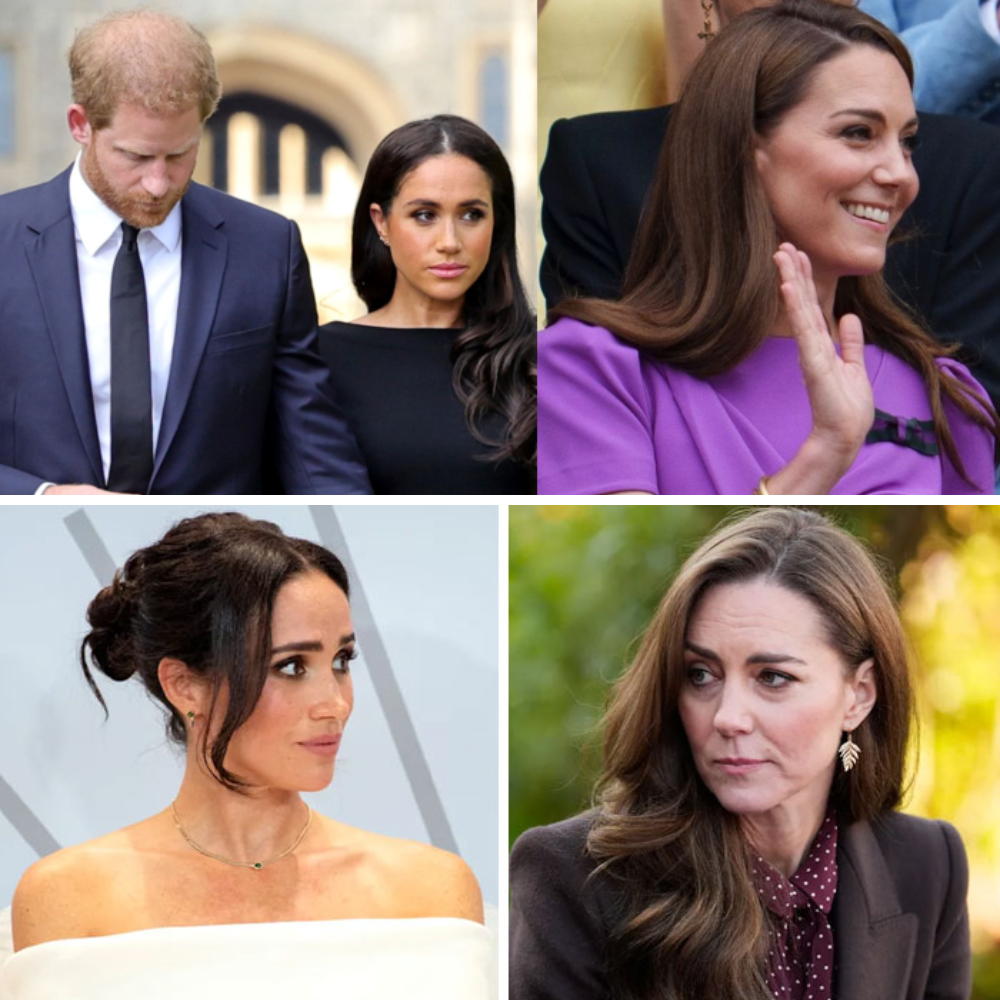
Kate Middleton’s Blunt Warning to Prince Harry: “This Needs to Stop” After Meghan Markle’s Latest ‘Disrespectful’ Move
Tensions within the British royal family have simmered for years, but a new flashpoint has emerged that reportedly pushed the Princess of Wales to take decisive action. According to well-placed insiders, Kate Middleton is preparing to deliver a direct and firm warning to her brother-in-law Prince Harry regarding what many in royal circles view as […]
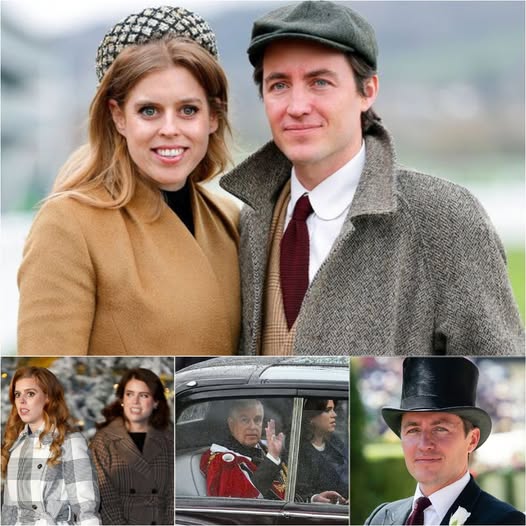
The Quiet Church Service That Turned Heads: Edoardo Mapelli Mozzi’s Unexpected Behavior Sparks Debate
The atmosphere inside the Cotswolds church was exactly as one would expect for a traditional service — calm, respectful, and steeped in centuries-old decorum. Guests sat quietly, the soft murmur of prayers and hymns filling the sacred space. Princess Beatrice and her sister Princess Eugenie were present alongside their husbands, Edoardo Mapelli Mozzi and Jack […]
End of content
No more pages to load