Netflix has quietly unveiled the release window for The Swedish Connection (original Swedish title: Den svenska länken), a gripping WWII historical drama arriving globally on the platform on February 19, 2026. This understated yet powerful film, based on real events from 1942, focuses not on battlefield heroics or explosive action, but on the hidden moral complexities of neutrality, quiet resistance, and the uneasy choices ordinary people made to save lives during the Holocaust.
The story centers on Gösta Engzell, a low-profile, down-prioritized bureaucrat in Sweden’s Foreign Ministry during World War II. Sweden maintained official neutrality throughout the war, a stance that allowed it to avoid direct conflict but also drew criticism for its pragmatic dealings with Nazi Germany—trade relations, transit of troops, and reluctance to openly harbor refugees. Engzell, portrayed with subtle intensity by comedian-turned-dramatic actor Henrik Dorsin, emerges as an unlikely hero in this shadowy landscape.
As head of the ministry’s legal division, Engzell quietly maneuvered behind the scenes to issue visas, passports, and protective documents that enabled thousands of Jews—particularly from Norway, Denmark, and later Hungary—to escape Nazi persecution and find refuge in Sweden. His efforts involved exploiting bureaucratic loopholes, forging alliances with sympathetic diplomats, and risking his career by defying higher-ups who prioritized Sweden’s delicate diplomatic balancing act. The film portrays him as a meticulous, unassuming man whose “weapon” was paperwork, persistence, and moral conviction rather than guns or speeches.

Supporting Dorsin is Sissela Benn in a key role, likely as a colleague, family member, or fellow resistor who helps humanize Engzell’s internal conflicts. Jonas Karlsson and other Swedish talents round out the ensemble, bringing nuance to the tense Stockholm offices where decisions about lives were made in hushed conversations and stamped forms. Directed and written by Thérèse Ahlbeck and Marcus Olsson, the film premiered at the Göteborg Film Festival on January 25, 2026, with a limited Nordic theatrical run starting February 6 before its Netflix global debut.
What makes The Swedish Connection so unsettling is its refusal to glorify heroism in the traditional sense. Sweden’s neutrality allowed it to shelter around 8,000 Danish Jews in 1943 and thousands more from Norway, but it also permitted iron ore exports to Germany and turned away some refugees early in the war. The film delves into these gray zones: the moral cost of silence, the quiet complicity of bureaucracy, and the personal risks taken by individuals who chose to act against the grain. Engzell’s story highlights how “doing the right thing” often meant bending rules, deceiving superiors, and living with ambiguity—survival sometimes required choosing the “wrong” side for the right reasons, or at least appearing to.
The trailer, a restrained 2-minute glimpse, emphasizes mood over spectacle: dimly lit ministry corridors, whispered phone calls, forged documents sliding across desks, and the constant tension of discovery. No grand battles or dramatic rescues—just the slow, grinding work of conscience in a system designed for caution. This approach makes the film feel intimate and chilling; viewers connect the dots between small administrative acts and thousands saved, realizing how easily history could have been different if more people had spoken up—or if fewer had quietly resisted.

Netflix’s low-key promotion—limited marketing, no splashy campaigns—adds to the intrigue. The streamer has positioned it as part of its growing Nordic slate, emphasizing “little-known true story” and themes of quiet courage amid fascism. The February 19 release aligns with Black History Month reflections on resistance, though the story centers on Swedish efforts to aid Jewish refugees.
Critics and early festival audiences have praised the film’s restraint, Dorsin’s transformation from comedic roles to dramatic depth, and its timely reminder that heroism often hides in plain sight. In an era of bombastic WWII epics, The Swedish Connection stands out for its subtlety—unsettling viewers with the realization that neutrality’s price was paid in human lives, and that one unassuming man helped tip the scales toward salvation.
As February approaches, this is the WWII film that sneaks up on you: no explosions, no rousing speeches, just the quiet horror of moral compromise and the even quieter triumph of those who refused to look away. Mark your calendars—once the dots connect, the unease lingers long after the credits roll.
News
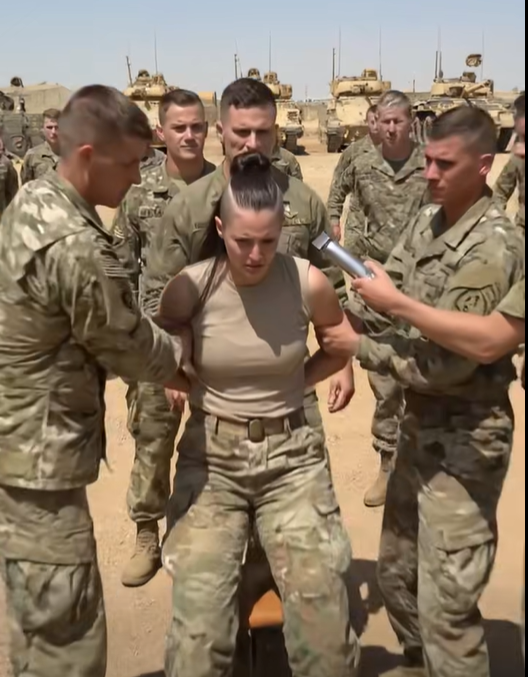
“Shave Her Head,” the Sergeant Ordered Coldly. “If Discipline Won’t Break Her, Maybe Humiliation Will.” But What They Didn’t Know Was That the Woman They Underestimated Would Bring Their Entire Base to Its Knees.
General Alexander Vance had heard the whispers for months: Fort Blackwood was rotting from within. Soldiers spoke in hushed tones of systematic humiliation disguised as “discipline,” falsified training records, missing supply funds that somehow vanished into private accounts, and a toxic command climate built on fear and intimidation. Every official inspection came back sparkling clean […]
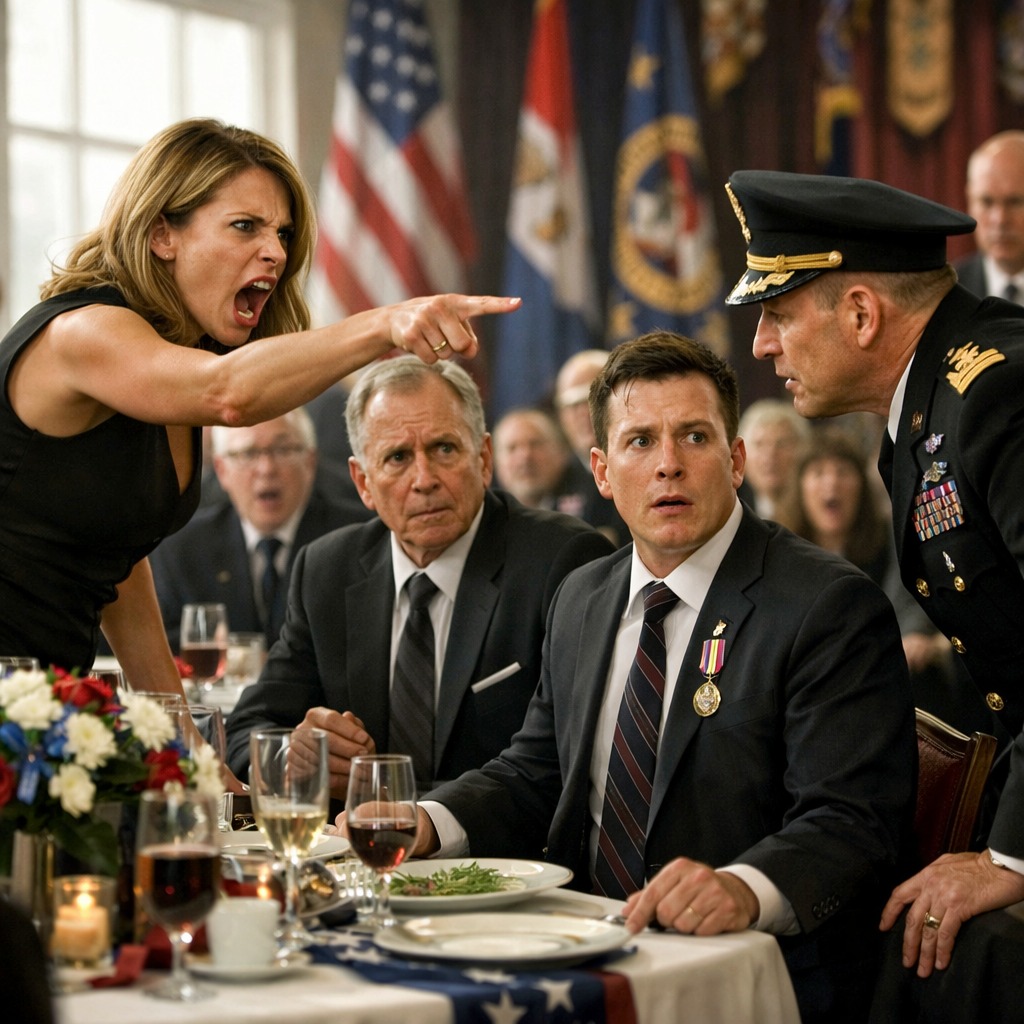
At A Veterans’ Dinner, The Colonel Leaned Toward My Brother And Asked One Simple Question: “Can You Tell Me How You Earned This Decoration, Son?” His Face Turned White. He Pointed At My Father And Said: “He Told Me It Belonged To Our Uncle.” The Uncle Never Existed.
The Ridgewood Armory smelled like every other veterans’ event I’d ever attended: floor wax, overcooked chicken, old coffee, and the faint metallic tang of too many American flags. Fluorescent lights buzzed overhead, casting a harsh glow on rows of folding tables and men in ill-fitting blazers trying to look like they still belonged in uniform. […]
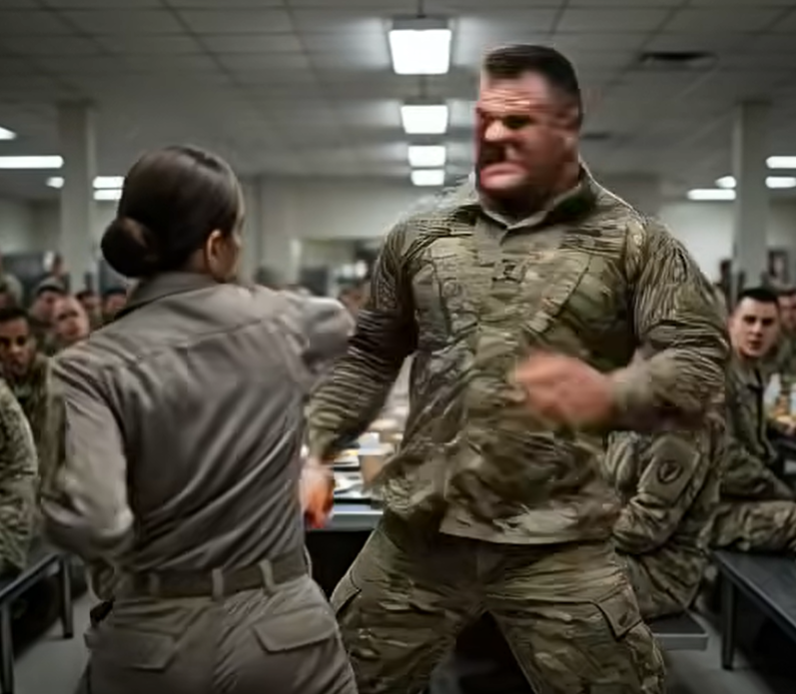
“Die, B*tch,” He Spat, Swinging a Massive Fist in the Mess Hall. He Thought I Was an Easy Target — He Had No Idea He Just Attacked a Classified SEAL Shadow Operative.
I was running on fumes. Seventy-two hours of off-the-books reconnaissance in the frozen Alaskan wilderness had left every muscle screaming. My joints ached from crawling through ice-crusted snow, my eyes burned from staring through night-vision gear, and the only thing keeping me upright was the promise of a hot meal and twelve hours of blackout […]
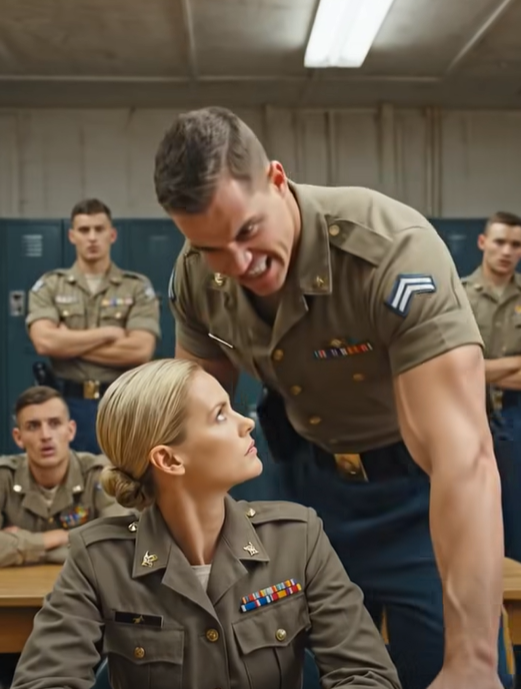
“Do You Know Who I Am?” He Pushed Her — Seconds Later, One ID Card Ended His Career
The dim lights of Rusty’s Bar flickered like dying stars just outside Camp Pendleton. It was a Friday night, the kind where Marines came to forget the sand and the screams they carried home from deployment. I had come here for the opposite reason — to disappear. My name is Commander Thalia Renwick. Highly decorated […]
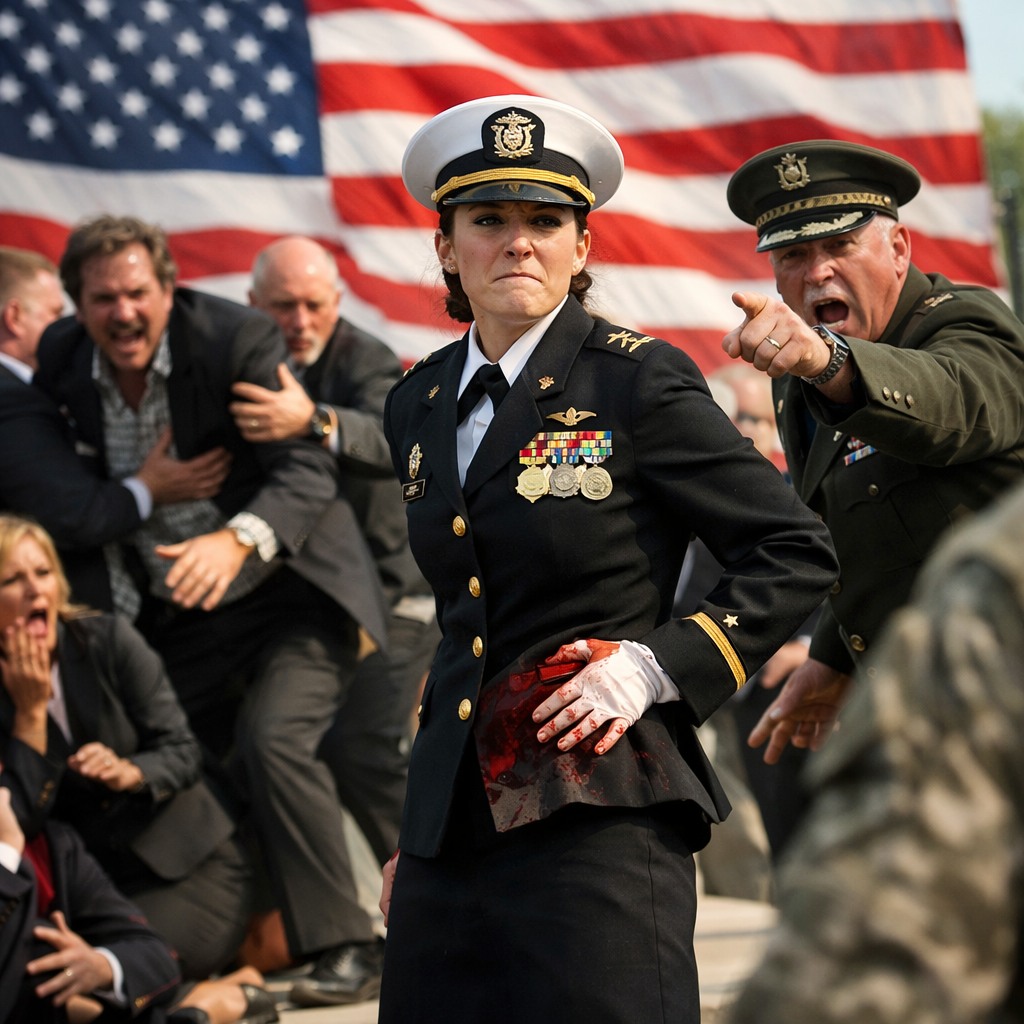
15 Years After My Dad Kicked Me Out, I Saw Him At My Sister’s Wedding. He Sneered: “If It Wasn’t For Pity, No One Would’ve Invited You.” I Just Smiled And Sipped My Wine. Then The Bride Took The Mic And Changed Everything.
The South Carolina sun was merciless that June afternoon, turning the outdoor wedding venue into a glittering oven. I stood near the back in my crisp Army dress uniform, the brass buttons and medals catching the light with every breath. At 34 years old, I had come home for my little sister’s wedding — the […]
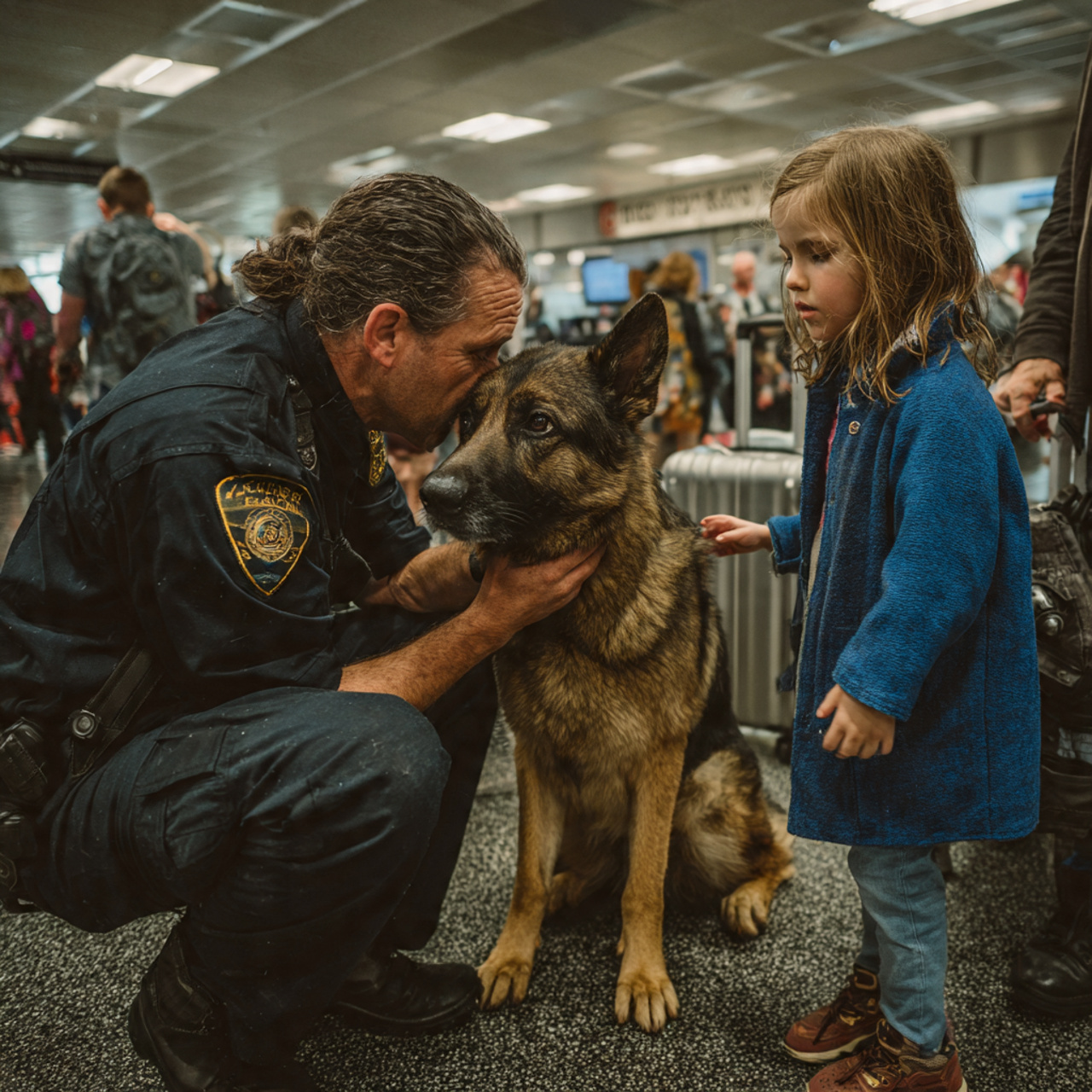
“A POLICE DOG FROZE IN THE AIRPORT. THEN A LITTLE GIRL TAPPED HIS HEAD. WHAT HAPPENED NEXT MADE EVERY TRAVELER STOP. HAVE YOU EVER WITNESSED A SILENT CRY FOR HELP?
The bustling international airport was a whirlwind of rolling suitcases, hurried announcements, and weary travelers rushing to their gates. Officer Liam Mercer patrolled the terminal with his loyal K9 partner, Rex — a highly trained German Shepherd known for his sharp instincts in detection and child safety operations. Everything seemed routine until Rex suddenly froze […]
End of content
No more pages to load