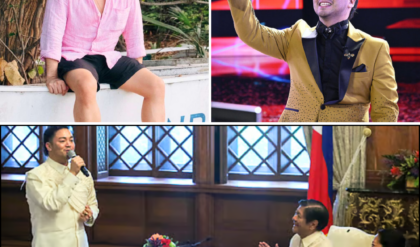
In the bustling heart of Johannesburg’s CBD, on a seemingly ordinary Tuesday afternoon—December 16, 2025—South Africa lost one of its most vibrant media personalities in a shocking act of violence. Warrick Stock, better known as DJ Warras, was gunned down outside a hijacked building he was helping to secure. The 40-year-old radio host, television presenter, podcaster, and club DJ was approached by assailants who opened fire, ending a life full of energy, opinion, and passion. But in the days following the tragedy, friends and sources close to him have revealed chilling details: DJ Warras sensed rising tension and knew something was wrong, yet chose to stay calm and proceed with his work—forcing the nation to confront the warning signs that only became clear after it was too late.

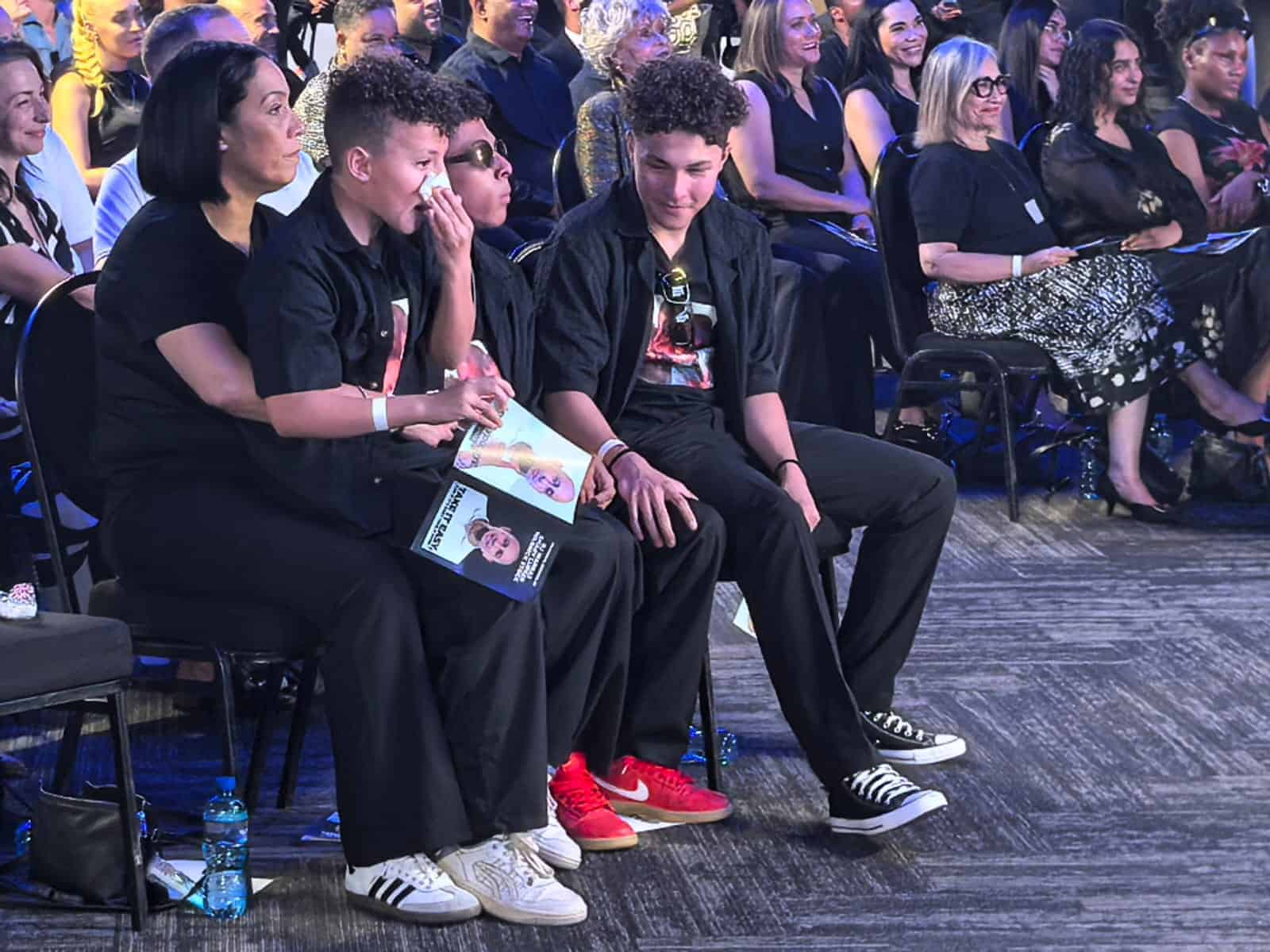
DJ Warras, a devoted father of three young sons—Ethan, Troy, and Kiyaan—leaves behind a family shattered by grief. His eldest son Ethan, alongside his younger brothers, attended a deeply emotional memorial service where tributes poured in, highlighting the void left in their lives. The Stock family described Warrick as the “heart and anchor” of their home—a loving and proud father whose greatest joy was his children. Now, these boys face a future without the man who was not only their provider but their hero, a stark reminder of how violence in South Africa robs families of their foundations.
Born in Durban and raised with a fierce work ethic, Warrick Stock built an impressive career in entertainment. Starting at YFM in 2008, he quickly rose through the ranks, moving to 5FM where he hosted popular shows that blended music with sharp social commentary. His television breakthrough came as co-host of SABC1’s Live AMP, a role he held for years, bringing infectious energy to millions of viewers. Later, he co-hosted the candid podcast The Shady PHodcast with DJ PH, earning the nickname “The Shady Lurker” for his fearless takes on current affairs. Beyond the mic and screen, Warras remained a dedicated club DJ, mentoring young talent and celebrating South Africa’s diverse music scene.

In recent years, Warras expanded into business, launching a private security company focused on VIP protection and event security. It was this venture that drew him into the dangerous world of Johannesburg’s hijacked buildings—properties illegally occupied and often controlled by criminal syndicates. On the day of his death, he was at Zambezi House near the Carlton Centre, overseeing the installation of biometric access and CCTV systems as part of efforts to reclaim the building. Sources say he had been deeply involved in similar operations, viewing it as a way to combat urban decay and contribute to safer communities.
But this work came with risks that Warras was acutely aware of. In the weeks leading up to the shooting, he had obtained five protection orders against individuals linked to hijacked properties—legal steps that underscored growing threats to his safety. Friends recall subtle changes in his demeanor: a heightened alertness, mentions of carrying a firearm for self-protection, and quiet expressions of concern about escalating tensions. One close associate shared that Warras “sensed the rising danger but chose to stay calm,” determined not to let fear derail his mission. He reportedly downplayed warnings, reassuring those around him that precautions were in place.
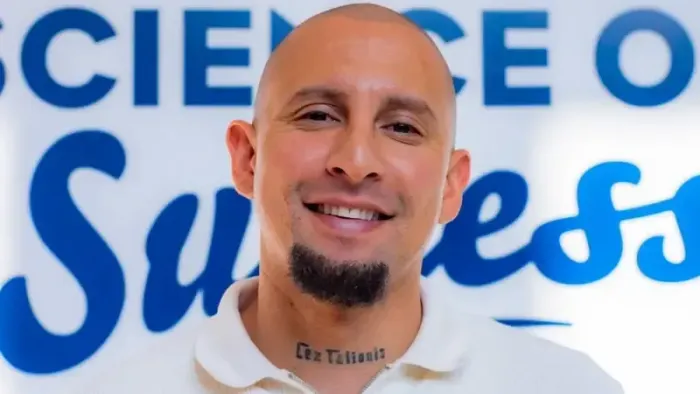
Tragically, those subtle signs—a guarded conversation here, a vigilant glance there—went unnoticed or unheeded by many until after the fatal shots rang out. CCTV footage captured a suspect approaching and firing, with Warras attempting to flee before collapsing. The brazen daylight attack, allegedly tied to disputes over building control, has ignited national outrage over crime, hijackings, and the failure to address syndicates plaguing Johannesburg’s inner city.
The aftermath has seen swift police action, with raids on hijacked buildings and arrests of suspects linked to the murder. Protests erupted, calling for stronger measures against illegal occupations and related violence. Political figures weighed in, blaming systemic issues, while the entertainment industry mourned a trailblazer who spoke truth to power.
For Warras’ family, the pain is profound. His sister Nicole was among those at the scene, and the family’s statement spoke of “indescribable heartbreak” at the senseless loss. At the memorial, colleagues like Pearl Thusi and Sizwe Dhlomo paid tribute, remembering a man who uplifted others and faced challenges head-on. His children, too young to fully grasp the enormity, stood as poignant symbols of what was stolen.
DJ Warras’ story is one of talent, courage, and tragedy—a man who saw problems in his city and tried to fix them, even as danger loomed. The subtle signs he exhibited, now painfully clear in hindsight, serve as a haunting reminder: in a country grappling with violence, ignoring the quiet warnings can come at an irreversible cost. As investigations continue and the nation reflects, Warras’ legacy endures through his music, his words, and the three young lives he leaves behind, forever changed.