In mid-January 2026, a quiet but powerful movement began in Toronto when Canadian rapper Jae Deen announced he would stop eating solid food entirely. Surviving only on water, he launched “Starving for Sudan,” a hunger strike aimed at raising $100,000 for humanitarian aid amid Sudan’s devastating crisis. What started as a personal act of solidarity quickly exploded online, leaving fans stunned, divided, and ultimately moved to deep respect when they learned more about the man behind the sacrifice.
Jae Deen, born in Canada to Sudanese immigrant parents, has built a modest but dedicated following in the Muslim hip-hop scene. His music blends conscious lyrics with Islamic themes—tracks about faith, identity, family, and social justice that resonate strongly within Muslim youth communities. Unlike mainstream rappers chasing viral hits, Jae focuses on purpose-driven art, often performing at community events, mosques, and charity drives. His decision to fast came from a place of deep frustration: Sudan, his ancestral homeland, was enduring one of the worst humanitarian disasters in recent memory, with millions facing famine, displacement, and violence amid ongoing conflict. Reports painted a grim picture—over 30 million people needing urgent aid, widespread malnutrition, and children dying from hunger-related causes. Yet global attention remained limited, overshadowed by other crises.
On January 12, 2026, Jae posted a raw video explaining his plan. “I’m ashamed the internet is silent about this,” he said, voice steady but eyes heavy with emotion. “People are starving in Sudan while we scroll past. If I can feel even a fraction of that hunger for a week or more, maybe it’ll wake people up.” He set a goal of $100,000 through donations to UmRelief, a trusted nonprofit providing food, medical supplies, and emergency relief in Sudan. He committed to a water-only fast until the target was met—or until his body forced him to stop.
The response was immediate and polarized. Supporters flooded his GoFundMe and Instagram with donations, messages of solidarity, and prayers. Within days, the fundraiser climbed past $26,000. Hundreds joined him in a symbolic fast, some pledging shorter periods, others vowing to match his commitment. A growing group of over 200 people—activists, students, community members—participated, turning the campaign into a collective movement. Jae shared daily updates: weight loss, fatigue, dizziness, but also unwavering resolve. “Day 6: I’m starving, but Sudan is starving worse,” he posted, eyes sunken but spirit unbroken.
Critics emerged quickly. Some called the act dangerous and irresponsible, warning of health risks like organ damage, electrolyte imbalance, or even death. Medical experts pointed out that prolonged water fasting without supervision is life-threatening, especially beyond a few days. Others questioned the optics: Was this genuine sacrifice or performative activism? A few accused him of exploiting tragedy for clout, though Jae consistently deflected praise, redirecting attention to Sudan’s suffering. “This isn’t about me,” he repeated. “It’s about the kids who don’t have a choice.”
The division deepened online. Supporters argued the extremity was necessary to break through apathy—normal fundraisers often fade into the noise, but a rapper visibly wasting away forced conversation. Critics countered that sustainable aid comes from systemic change, not individual suffering. Yet as the days passed and the total rose, the narrative shifted. By day nine, the $100,000 goal was reached. Jae announced the milestone in a tearful Instagram Live, thanking donors and breaking his fast slowly with dates and water. The campaign didn’t stop there—donations continued, surpassing the target and inspiring spin-off efforts.
When the hip-hop world realized who Jae Deen was, respect poured in. Many hadn’t known him before; his reach was niche, focused on Muslim and conscious rap circles rather than mainstream charts. But as clips spread, peers and larger platforms took notice. AllHipHop covered the story, highlighting his determination. Al Jazeera shared his message, amplifying it globally. Muslim artists and influencers reposted, calling it a powerful act of zakat (charity) in action. Even those skeptical of the method acknowledged the outcome: real money for real aid in a forgotten crisis.
Sudan’s crisis had escalated dramatically. Conflict between rival factions displaced millions, destroyed infrastructure, and triggered famine warnings. Children died from malnutrition while the world’s attention drifted. Jae’s fast put a human face on the statistics—someone willing to feel hunger so others might not. His Sudanese heritage added authenticity; this wasn’t distant charity but personal pain. He spoke of family members affected, of childhood stories from relatives who fled war, and of guilt over living safely in Canada while relatives suffered.
The broader impact rippled outward. Over 200 people joined partial or full fasts, creating a chain of awareness. Other artists organized concerts and auctions for Sudan relief. Jae’s campaign showed how one person’s extreme commitment could spark collective action in an era of short attention spans. It also raised uncomfortable questions about activism: When is sacrifice justified? Does the end always justify the means? Medical voices urged caution, emphasizing safer ways to fundraise, while supporters defended the urgency—sometimes shock is needed to pierce indifference.
Jae Deen emerged from the fast weakened but resolute. He lost significant weight, experienced health challenges, but recovered steadily with medical monitoring. He continued advocating, sharing updates on aid distribution and urging sustained support. The hip-hop community, often criticized for materialism, saw a rare example of sacrifice for something bigger. Respect grew not because he was a superstar, but because he acted when many stayed silent.
In a world numbed by endless crises, Jae Deen’s hunger strike forced a pause. It divided opinions but united people in action. $100,000—and more—reached Sudan because one rapper chose to starve so others might eat. Extreme? Yes. Shocking? Absolutely. But in the end, when the numbers came in and lives were touched, the hip-hop world bowed its head—not in shock, but in quiet respect.
News

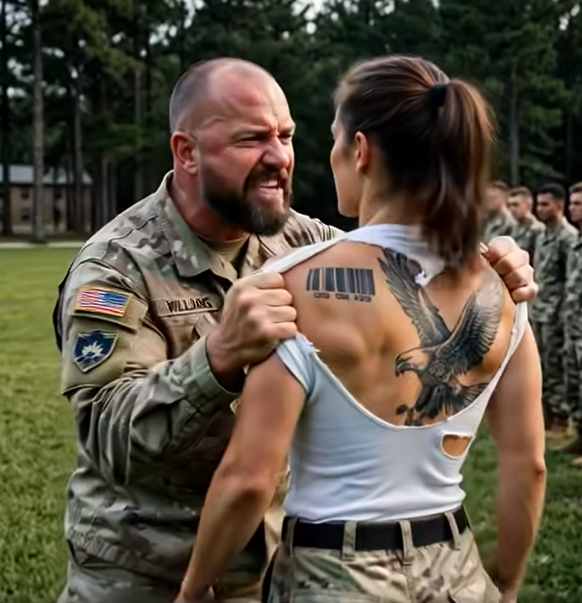
“Shave Her Head,” the Sergeant Ordered Coldly. “If Discipline Won’t Break Her, Maybe Humiliation Will.” But What They Didn’t Know Was That the Woman They Underestimated Would Bring Their Entire Base to Its Knees.
General Alexander Vance had heard the whispers for months: Fort Blackwood was rotting from within. Soldiers spoke in hushed tones of systematic humiliation disguised as “discipline,” falsified training records, missing supply funds that somehow vanished into private accounts, and a toxic command climate built on fear and intimidation. Every official inspection came back sparkling clean […]
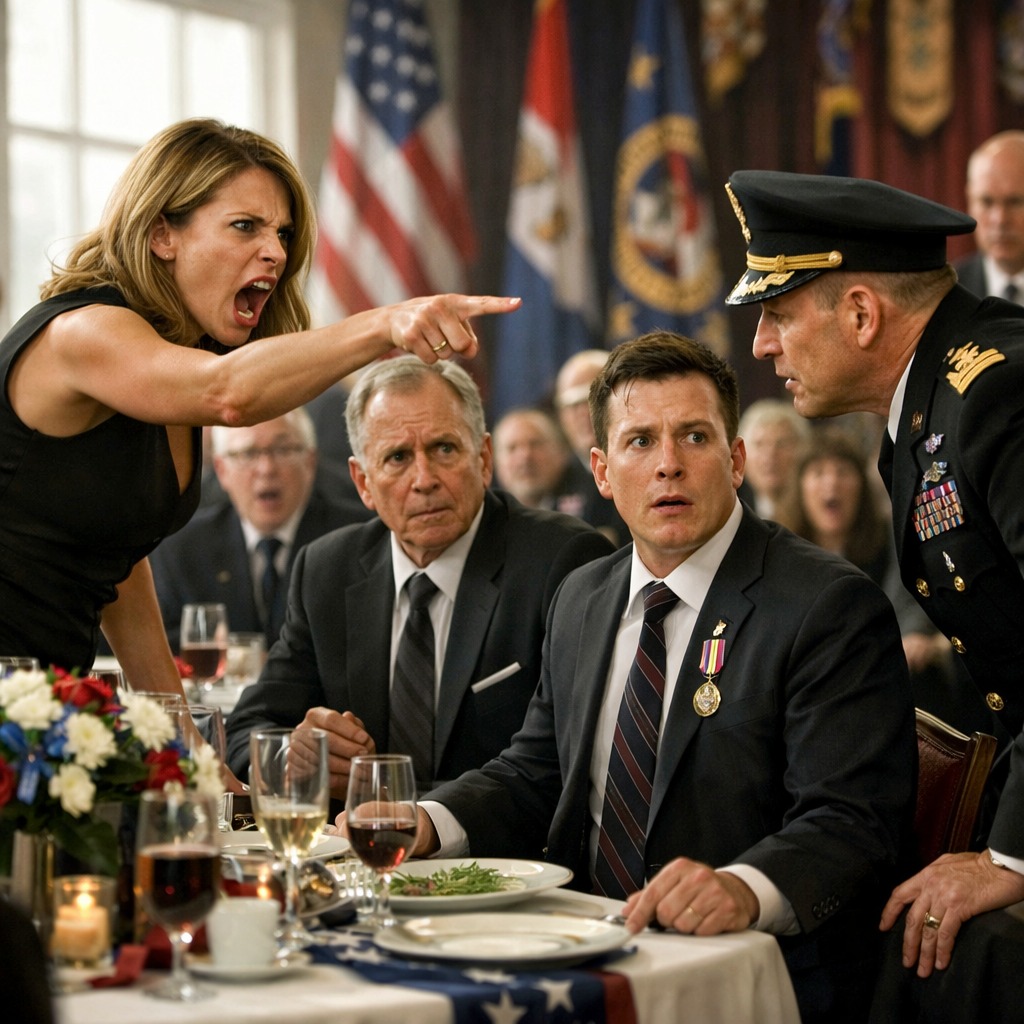
At A Veterans’ Dinner, The Colonel Leaned Toward My Brother And Asked One Simple Question: “Can You Tell Me How You Earned This Decoration, Son?” His Face Turned White. He Pointed At My Father And Said: “He Told Me It Belonged To Our Uncle.” The Uncle Never Existed.
The Ridgewood Armory smelled like every other veterans’ event I’d ever attended: floor wax, overcooked chicken, old coffee, and the faint metallic tang of too many American flags. Fluorescent lights buzzed overhead, casting a harsh glow on rows of folding tables and men in ill-fitting blazers trying to look like they still belonged in uniform. […]

“Die, B*tch,” He Spat, Swinging a Massive Fist in the Mess Hall. He Thought I Was an Easy Target — He Had No Idea He Just Attacked a Classified SEAL Shadow Operative.
I was running on fumes. Seventy-two hours of off-the-books reconnaissance in the frozen Alaskan wilderness had left every muscle screaming. My joints ached from crawling through ice-crusted snow, my eyes burned from staring through night-vision gear, and the only thing keeping me upright was the promise of a hot meal and twelve hours of blackout […]

“Do You Know Who I Am?” He Pushed Her — Seconds Later, One ID Card Ended His Career
The dim lights of Rusty’s Bar flickered like dying stars just outside Camp Pendleton. It was a Friday night, the kind where Marines came to forget the sand and the screams they carried home from deployment. I had come here for the opposite reason — to disappear. My name is Commander Thalia Renwick. Highly decorated […]

15 Years After My Dad Kicked Me Out, I Saw Him At My Sister’s Wedding. He Sneered: “If It Wasn’t For Pity, No One Would’ve Invited You.” I Just Smiled And Sipped My Wine. Then The Bride Took The Mic And Changed Everything.
The South Carolina sun was merciless that June afternoon, turning the outdoor wedding venue into a glittering oven. I stood near the back in my crisp Army dress uniform, the brass buttons and medals catching the light with every breath. At 34 years old, I had come home for my little sister’s wedding — the […]
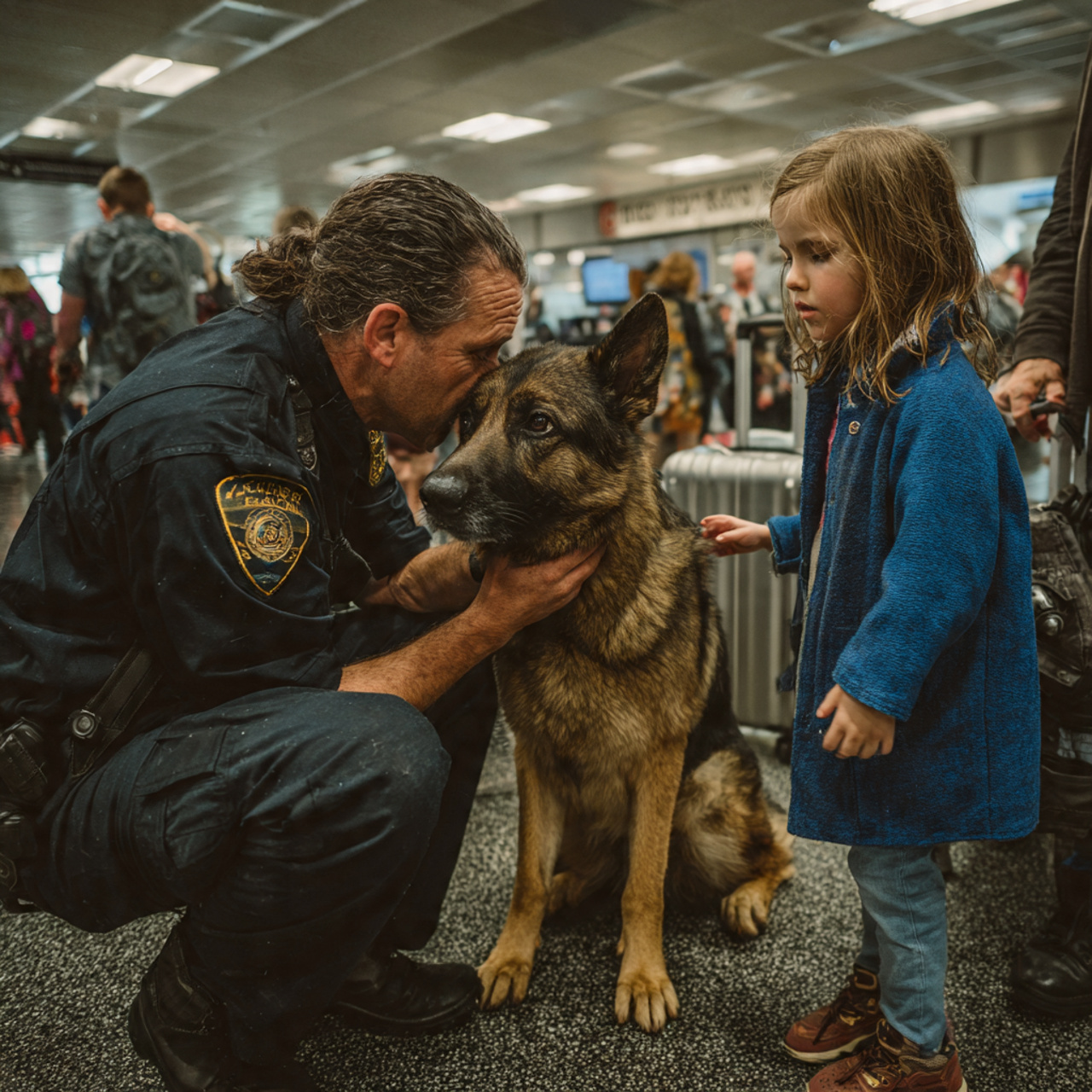
“A POLICE DOG FROZE IN THE AIRPORT. THEN A LITTLE GIRL TAPPED HIS HEAD. WHAT HAPPENED NEXT MADE EVERY TRAVELER STOP. HAVE YOU EVER WITNESSED A SILENT CRY FOR HELP?
The bustling international airport was a whirlwind of rolling suitcases, hurried announcements, and weary travelers rushing to their gates. Officer Liam Mercer patrolled the terminal with his loyal K9 partner, Rex — a highly trained German Shepherd known for his sharp instincts in detection and child safety operations. Everything seemed routine until Rex suddenly froze […]
End of content
No more pages to load