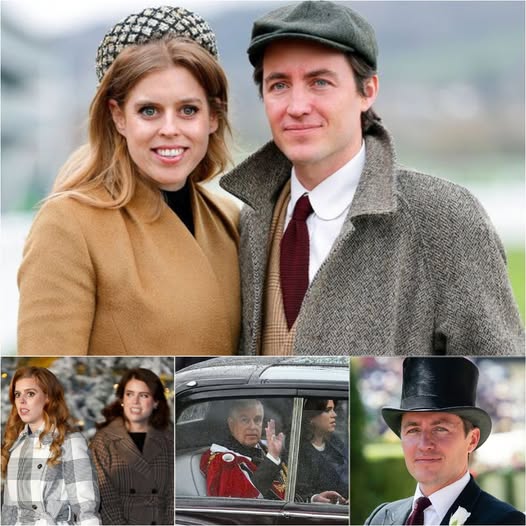
Desperation has gripped the disgraced former Prince Andrew as the noose tightens around his neck in the escalating Epstein-linked scandal. Sources close to the royal fallout reveal Andrew Mountbatten-Windsor—arrested on his 66th birthday, February 19, 2026—is frantically pushing for a major behind-the-scenes deal that could keep him out of a prison cell forever. The price? Voluntarily renouncing his spot in the line of succession to the British throne, a move insiders say he’d make “in a second” to avoid the one fate he dreads most: incarceration.
The bombshell arrest at Sandringham—on suspicion of misconduct in public office—stemmed from explosive revelations in newly unsealed Epstein files. Documents suggest Andrew, during his 2001-2011 tenure as UK trade envoy, improperly shared confidential government reports with the convicted sex offender Jeffrey Epstein. Emails show him forwarding sensitive trade intel from trips to Hong Kong, Vietnam, Singapore, and even potential investments in Afghanistan—actions that could amount to a betrayal of public trust. If convicted, the maximum penalty is life imprisonment. No charges have been filed yet; Andrew was released after 11 hours of intense questioning but remains under active investigation, with police raids continuing at properties in Berkshire and Norfolk.
This isn’t Andrew’s first brush with Epstein’s toxic legacy. Stripped of his “His Royal Highness” title, military honors, and patronages in recent years after settling a civil sexual assault lawsuit with Virginia Giuffre (who later died by suicide), he has denied wrongdoing repeatedly. Yet the criminal probe has pushed him into uncharted territory: the first arrest of a senior British royal in nearly four centuries. The scandal has reignited fury over Epstein’s network, Andrew’s past associations, and questions of whether royal privilege shielded him too long.
Now, with the threat of jail looming larger than ever, Andrew is reportedly willing to play his last card. Royal commentator Rob Shuter broke the exclusive: Andrew is offering to step aside from the line of succession—currently eighth—as part of a potential agreement that could secure leniency or derail harsher outcomes. “He would sacrifice his place in a second if it keeps him out of a cell,” one insider told Shuter. “Jail is the one outcome he cannot control.” The logic is brutally simple: voluntary renunciation would be the “cleanest” way to remove him constitutionally, sparing the government the need for complex legislation while giving authorities a symbolic win that might soften prosecutorial zeal.

The stakes couldn’t be higher. Government officials have already signaled they’re “considering” legislation to strip Andrew from the succession line entirely—preventing him from ever ascending the throne—even without charges. Prime Minister Keir Starmer’s team has drafted similar bills for other disgraced figures, hinting the net could widen. King Charles III, already battling health issues and the weight of a turbulent reign, has publicly pledged “full and wholehearted” cooperation with the investigation, emphasizing that “the law must take its course.” Privately, sources say the King is “deeply concerned” but determined to protect the institution above all else.
William, the heir apparent, has long advocated distancing the family from Andrew’s scandals. His quiet strategy of modernization—transparency, slimmed-down roles, focus on duty—gains urgency now. The arrest has intensified calls for reform, with experts warning the monarchy’s relevance hangs by a thread amid public skepticism. Andrew’s potential deal isn’t just self-preservation; it’s a lifeline for the Firm to cut ties cleanly without endless legal spectacle.
Critics slam the idea as another elite escape hatch. Victims’ advocates and anti-monarchy voices demand full accountability—no sweetheart deals, no quiet exits. If Andrew walks free by trading his succession spot, what message does that send? That even royals can bargain their way out of consequences? Yet supporters argue the misconduct charge—while serious—doesn’t involve direct Epstein sex-trafficking allegations; it’s about leaked documents, a white-collar betrayal rather than personal abuse.
The probe drags on: forensic analysis of seized devices, witness interviews (including Andrew’s former protection officers), and possible further questioning. Timelines stretch months or years in complex cases involving digital evidence and official records. Outcomes range from charges to quiet drop, but prison remains a real specter—life maximum if convicted.
Andrew’s life as he knew it is over. Exile whispers circulate—perhaps the Middle East, far from British press scrutiny—if charges fizzle. But jail? That’s the nightmare he can’t buy or charm his way out of. His reported willingness to sacrifice succession status screams panic: a man once untouchable now grasping at any deal to stay free.
The monarchy teeters. Charles’s reign faces its gravest test; William’s future leadership hangs on navigating the fallout. Andrew’s desperate bargain—renounce or risk the cell—could reshape the line of succession and the crown’s image forever. Whether it works remains the question gripping Britain: Can a disgraced royal trade privilege for freedom, or will justice finally catch up?
As raids continue and headlines scream, one thing is clear: Andrew Mountbatten-Windsor is cornered. And jail, he knows, is the one door he cannot control.
News
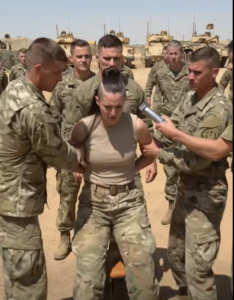
“Shave Her Head,” the Sergeant Ordered Coldly. “If Discipline Won’t Break Her, Maybe Humiliation Will.” But What They Didn’t Know Was That the Woman They Underestimated Would Bring Their Entire Base to Its Knees.
General Alexander Vance had heard the whispers for months: Fort Blackwood was rotting from within. Soldiers spoke in hushed tones of systematic humiliation disguised as “discipline,” falsified training records, missing supply funds that somehow vanished into private accounts, and a toxic command climate built on fear and intimidation. Every official inspection came back sparkling clean […]
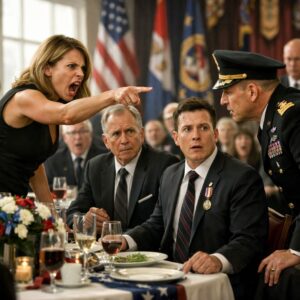
At A Veterans’ Dinner, The Colonel Leaned Toward My Brother And Asked One Simple Question: “Can You Tell Me How You Earned This Decoration, Son?” His Face Turned White. He Pointed At My Father And Said: “He Told Me It Belonged To Our Uncle.” The Uncle Never Existed.
The Ridgewood Armory smelled like every other veterans’ event I’d ever attended: floor wax, overcooked chicken, old coffee, and the faint metallic tang of too many American flags. Fluorescent lights buzzed overhead, casting a harsh glow on rows of folding tables and men in ill-fitting blazers trying to look like they still belonged in uniform. […]
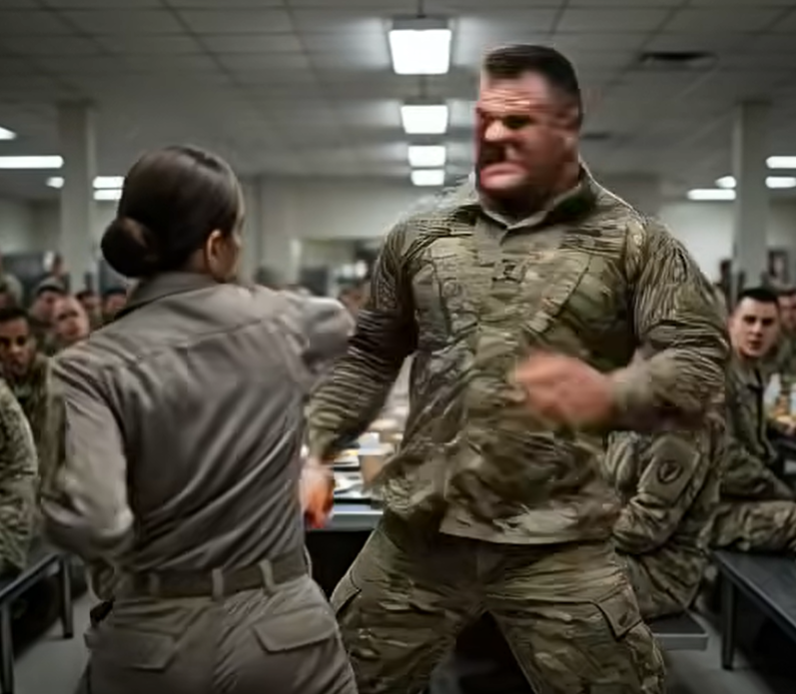
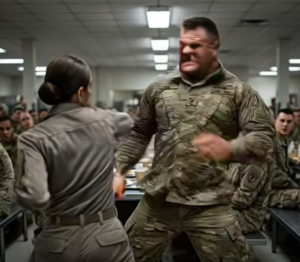
“Die, B*tch,” He Spat, Swinging a Massive Fist in the Mess Hall. He Thought I Was an Easy Target — He Had No Idea He Just Attacked a Classified SEAL Shadow Operative.
I was running on fumes. Seventy-two hours of off-the-books reconnaissance in the frozen Alaskan wilderness had left every muscle screaming. My joints ached from crawling through ice-crusted snow, my eyes burned from staring through night-vision gear, and the only thing keeping me upright was the promise of a hot meal and twelve hours of blackout […]
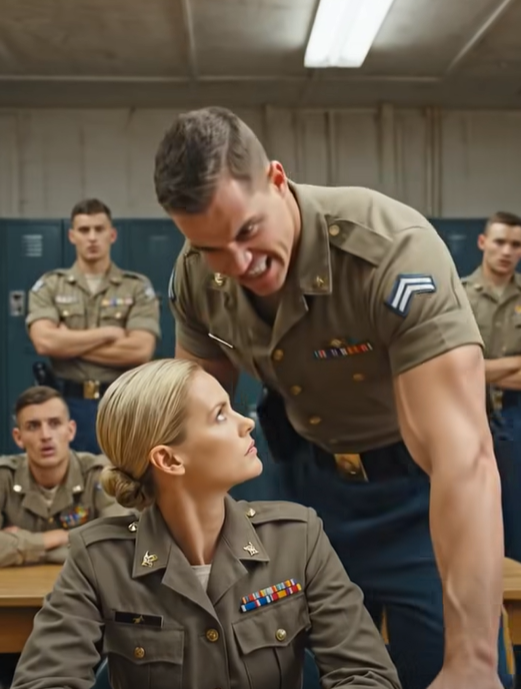
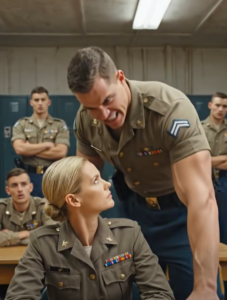
“Do You Know Who I Am?” He Pushed Her — Seconds Later, One ID Card Ended His Career
The dim lights of Rusty’s Bar flickered like dying stars just outside Camp Pendleton. It was a Friday night, the kind where Marines came to forget the sand and the screams they carried home from deployment. I had come here for the opposite reason — to disappear. My name is Commander Thalia Renwick. Highly decorated […]
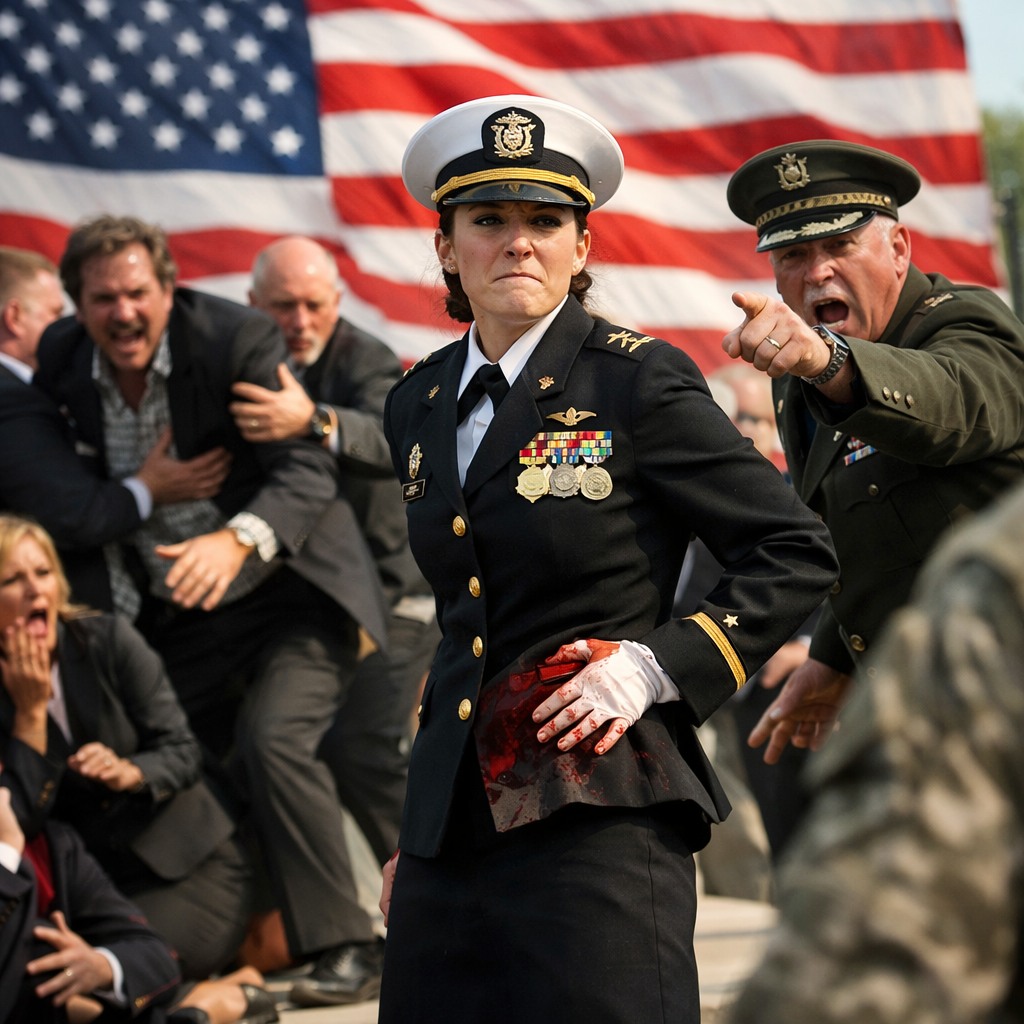
15 Years After My Dad Kicked Me Out, I Saw Him At My Sister’s Wedding. He Sneered: “If It Wasn’t For Pity, No One Would’ve Invited You.” I Just Smiled And Sipped My Wine. Then The Bride Took The Mic And Changed Everything.
The South Carolina sun was merciless that June afternoon, turning the outdoor wedding venue into a glittering oven. I stood near the back in my crisp Army dress uniform, the brass buttons and medals catching the light with every breath. At 34 years old, I had come home for my little sister’s wedding — the […]
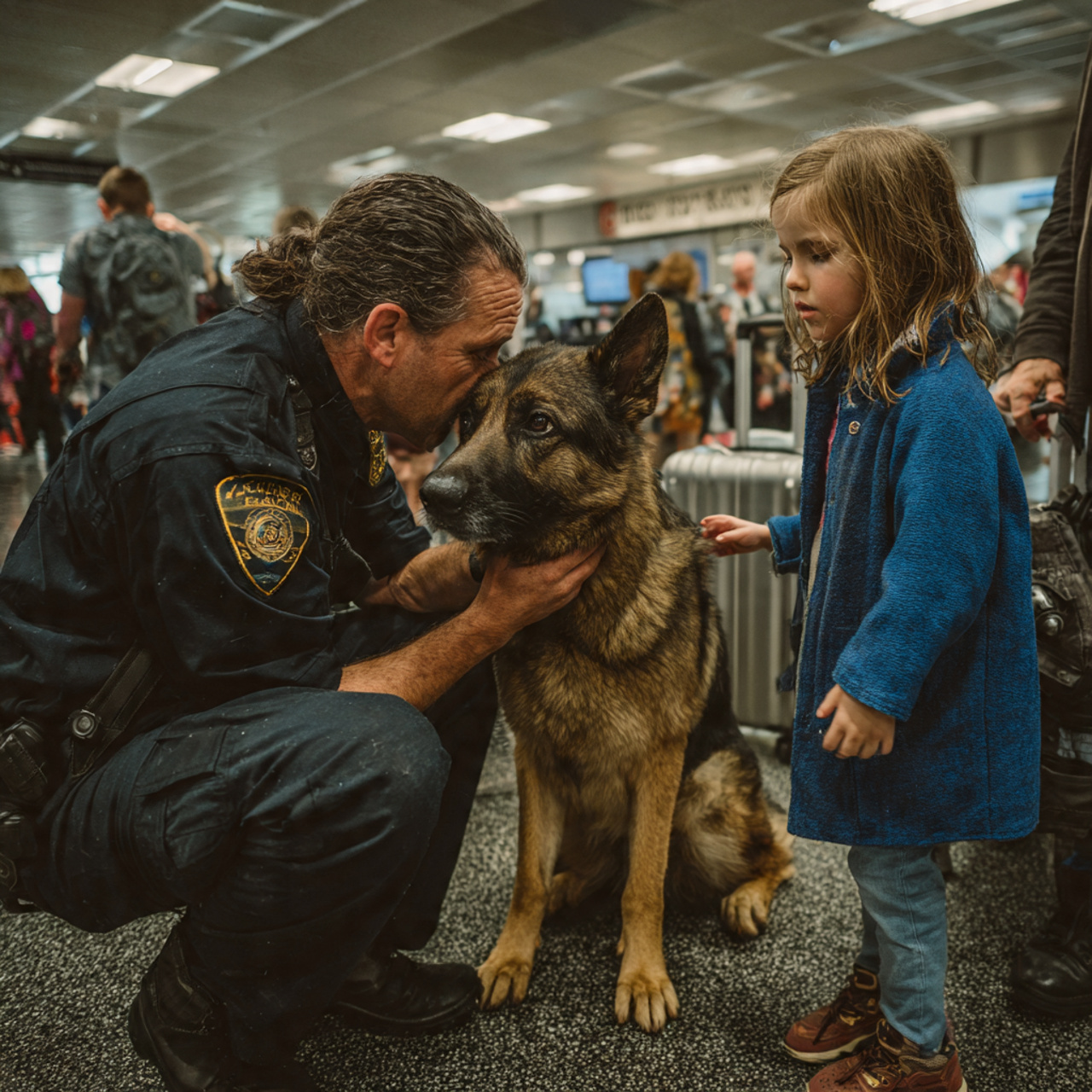
“A POLICE DOG FROZE IN THE AIRPORT. THEN A LITTLE GIRL TAPPED HIS HEAD. WHAT HAPPENED NEXT MADE EVERY TRAVELER STOP. HAVE YOU EVER WITNESSED A SILENT CRY FOR HELP?
The bustling international airport was a whirlwind of rolling suitcases, hurried announcements, and weary travelers rushing to their gates. Officer Liam Mercer patrolled the terminal with his loyal K9 partner, Rex — a highly trained German Shepherd known for his sharp instincts in detection and child safety operations. Everything seemed routine until Rex suddenly froze […]
End of content
No more pages to load