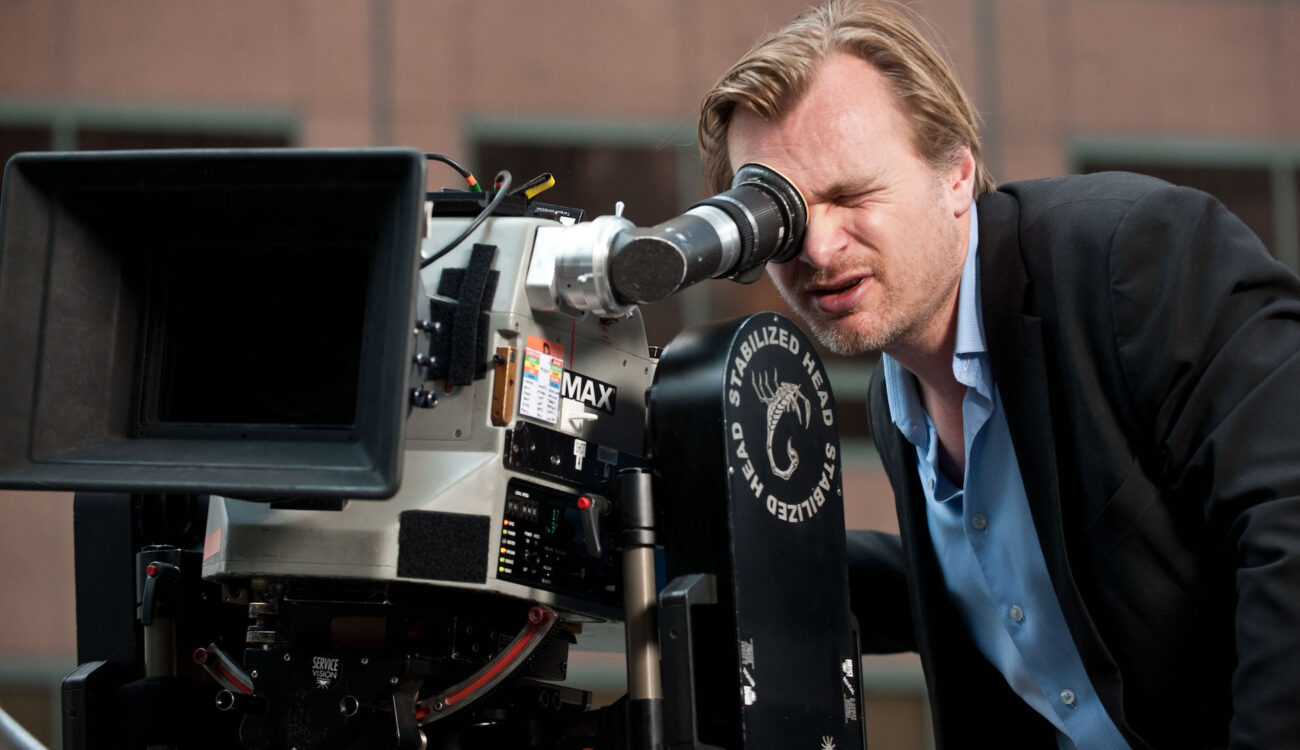
In the ever-evolving landscape of Hollywood, few directors command as much respect and influence as Christopher Nolan. Known for epic blockbusters like The Dark Knight, Inception, Interstellar, and the Oscar-sweeping Oppenheimer, Nolan has built his legacy on crafting cinematic experiences designed for the grandeur of the big screen. Yet, amid the rise of streaming giants, Nolan has remained a staunch defender of theatrical exhibition, repeatedly criticizing platforms that prioritize home viewing over cinema halls. His most pointed remarks have been aimed at Netflix, with the director firmly declaring that he will never collaborate with the service – a position rooted in his belief that true cinema demands an exclusive theatrical window.
Nolan’s philosophy is simple yet profound: if a film is made for theaters, it must be experienced there first and foremost. He has described Netflix’s approach to releases – often simultaneous streaming and limited theatrical runs – as fundamentally at odds with the essence of filmmaking. Forcing audiences to choose between a home screen and a cinema, or worse, making high-profile originals available instantly on streaming, undermines the communal, immersive power of movies. “If you make a theatrical film, it’s meant to be experienced in theaters,” Nolan has emphasized, calling simultaneous releases a policy that “completely undermines what cinema is supposed to be.”
This conviction isn’t new; it traces back years, amplified by Nolan’s passion for formats like IMAX and 70mm film, which lose their impact on smaller devices. He views Netflix’s model as bizarre and counterproductive, arguing that it discourages proper support for theatrical distribution. While the streaming behemoth has revolutionized access to content, producing acclaimed originals and reaching global audiences instantly, Nolan sees this as coming at the cost of cinematic integrity. Theatrical releases build anticipation, foster cultural events, and allow films to breathe in the marketplace before transitioning to home formats – a window he believes is essential for blockbuster success and artistic respect.
The rift deepened during the pandemic era, when studios experimented with day-and-date releases to bolster streaming subscribers. Nolan’s fallout with longtime partner Warner Bros. over their 2021 strategy of simultaneous HBO Max debuts highlighted his frustrations, leading him to take Oppenheimer to Universal instead. That film’s monumental success – nearly $1 billion at the box office, multiple Oscars including Best Picture and Best Director – validated his approach. Audiences flocked to theaters, often seeking out premium formats like IMAX, proving that exclusive windows can drive massive turnout.
Nolan’s critique extends beyond logistics to the soul of storytelling. He argues that cinema thrives on scale: overwhelming visuals, thunderous sound design, and the shared energy of a darkened auditorium. Streaming, while convenient, fragments this experience, reducing epic narratives to background viewing on laptops or phones. His films are engineered for immersion – non-linear timelines, practical effects, and intricate soundscapes that demand attention. Diminishing that through rushed streaming availability feels like a betrayal of the medium’s potential.
Despite occasional softening – acknowledging streaming’s role in democratizing film – Nolan remains resolute. He has praised competitors like Amazon for allowing generous theatrical windows before streaming, a model he finds viable. Netflix, however, has historically resisted wide, exclusive theatrical pushes for its originals, opting instead for limited qualifying runs or direct-to-platform drops. This, Nolan contends, creates an untenable environment for directors committed to the big screen.
Industry insiders note Nolan’s influence extends to advocacy. As a vocal leader in directors’ circles, he champions policies preserving theatrical primacy, influencing debates on release strategies and even merger concerns. His success with Oppenheimer has emboldened studios to prioritize cinema, reminding executives that patience pays off. Viewers rewarded the film with sold-out screenings, word-of-mouth buzz, and cultural phenomenon status – elements harder to replicate in a streaming-first world.
Looking ahead, Nolan’s upcoming projects, including his highly anticipated adaptation of The Odyssey slated for IMAX-exclusive release in 2026, continue this tradition. Shot on large-format film with groundbreaking techniques, it promises another event designed for theaters. Partnering with Netflix would contradict everything he stands for: no exclusive window, no premium format optimization, no communal spectacle.
Yet, Nolan’s stance isn’t about gatekeeping; it’s about elevation. He recognizes streaming’s value for certain stories – documentaries, niche indies, or TV-style narratives – but insists blockbuster cinema belongs in halls first. Physical media, too, plays a role in his vision; he encourages owning films on Blu-ray to preserve them from the whims of licensing deals that can vanish titles overnight.
In an era where streaming dominates headlines, Nolan’s defiance is a reminder of cinema’s enduring magic. His refusal to compromise has not only sustained his artistic vision but inspired a resurgence in theatrical attendance. As Hollywood navigates hybrids of old and new, Nolan stands firm: true masterpieces deserve the spotlight of the silver screen, unshared with the glow of a streaming queue. For fans of immersive, event-driven filmmaking, that’s a vow worth celebrating – and one that ensures his legacy will echo through packed auditoriums for years to come.