At 22, Braden Rumfelt already carries the kind of story that feels scripted for inspiration. The substitute teacher from North Carolina once dreamed of a professional athletic career—baseball and football were his worlds. But two major surgeries forced him to shelve those ambitions, redirecting his path in ways he never anticipated. What could have been a crushing end instead became the beginning of something new: a powerful voice, a guitar in hand, and a surprising audition on American Idol Season 24 that has viewers and judges alike convinced he has what it takes to win.
Braden grew up in a small town where sports were king. He excelled on the diamond and the gridiron, earning attention from scouts and dreaming of college scholarships or even the pros. But injuries piled up. The first surgery came after a torn ligament in his shoulder during baseball season. Recovery was long, painful, and uncertain. Just when he thought he was back on track, a second procedure—on his knee—ended any realistic hope of playing at a high level. Doctors told him his body simply couldn’t take the punishment anymore. At 19, the future he’d mapped out vanished.
Music had always been a quiet constant in his life. His family sang in church, his mom played piano, and he picked up guitar as a teenager to fill empty evenings. After the surgeries, the instrument became more than a hobby—it became therapy. He started writing songs about pain, loss, resilience, and the small-town faith that kept him going. He posted covers and originals on social media, slowly building a following among friends and locals. But he never imagined those songs would carry him to a national stage.
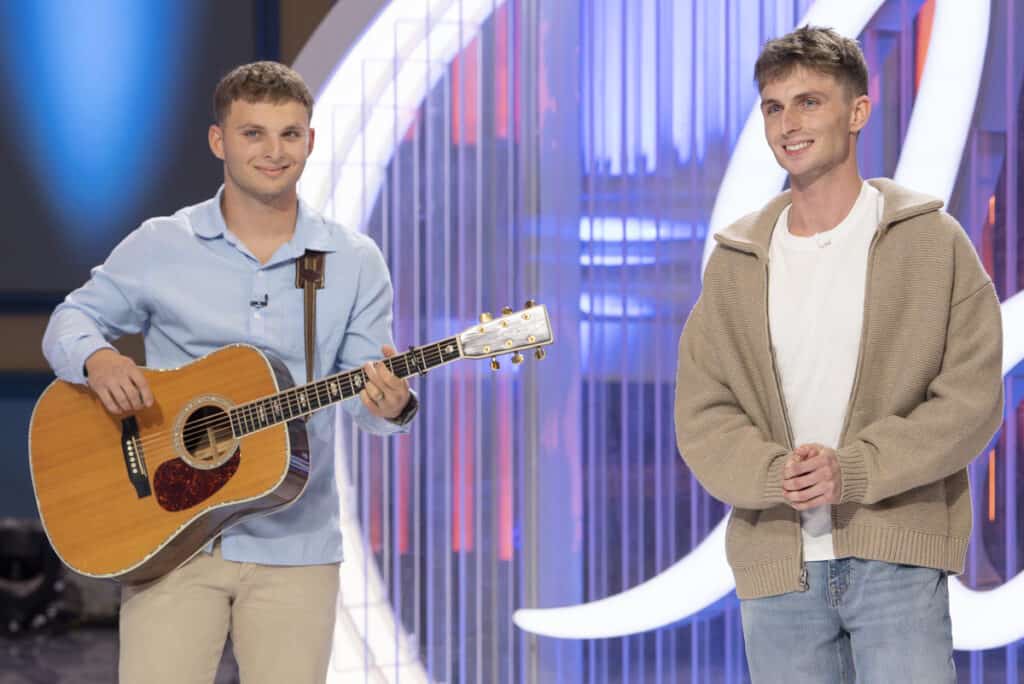
His American Idol audition aired during the second week of Season 24 auditions in early February 2026. Braden walked in wearing a simple hoodie and jeans, guitar slung over his shoulder, looking more like a substitute teacher than a future star. He told the judges—Luke Bryan, Lionel Richie, and Carrie Underwood—about his athletic dreams, the surgeries, and how music became his lifeline when everything else fell apart. Then he sang an original song he wrote during recovery, a mid-tempo country-soul ballad about picking yourself up when life knocks you down.
The performance was raw, honest, and technically impressive. His voice had a rich, warm tone with a slight rasp that gave it character. He played clean, confident guitar while delivering lyrics that felt lived-in rather than rehearsed. When he finished, the judges sat in stunned silence for a beat before erupting.
Luke Bryan was the first to speak. “Man, you’ve got it,” he said, shaking his head. “That voice, that story, that guitar playing—you’ve got everything it takes to be the next American Idol. I mean it.” Lionel Richie called the performance “soulful and real,” praising how Braden turned personal pain into something universal. Carrie Underwood, often reserved, smiled wide and said the songwriting and delivery reminded her of artists who win because they connect deeply with listeners. All three gave enthusiastic yes votes, sending him to Hollywood Week with momentum.
Viewers immediately understood why the judges were so moved. Clips of the audition spread rapidly online, racking up millions of views within days. Fans praised the authenticity: no gimmicks, no over-the-top theatrics—just a young man telling his truth through music. Comments flooded in: “This guy’s story is inspiring,” “His voice has so much heart,” “Luke wasn’t kidding—he could really win this.” Many related to his journey of having dreams derailed by injury or illness, then finding purpose in art.
Braden’s backstory adds layers to his appeal. After high school, he enrolled in college to become a teacher while working part-time jobs and coaching youth sports on the side. He’s stayed close to his roots—still lives near family, attends the same church he grew up in, and credits his parents and faith for keeping him grounded. When he talks about music, he speaks of it as a gift he’s still learning to steward, not a ticket to fame. That humility shines through on camera, making him relatable in a competition often filled with larger-than-life personalities.
His original song choice for the audition was deliberate. He wanted to show who he is now—not just a talented singer, but someone who has walked through real darkness and come out stronger. The lyrics about falling, getting back up, and finding light in the struggle resonated deeply with viewers who’ve faced their own setbacks. The fact that he wrote it himself added another level of authenticity; he’s not relying on covers or someone else’s words.
As he heads to Hollywood Week, Braden faces tougher competition and higher stakes. The judges’ early praise sets expectations high, but he’s already proven he can handle pressure. His story—athlete sidelined by injury, finding his voice in music, stepping onto one of TV’s biggest stages—has inspired a wave of support. Fans have started fan pages, shared his older social media performances, and rallied behind him as “the comeback kid.”
Whether he wins the competition or not, Braden Rumfelt has already achieved something powerful: he turned pain into purpose and gave hope to others who feel their dreams have been taken away. Luke Bryan’s prediction that he has what it takes to be the next American Idol feels less like hype and more like recognition of something real. In a show built on dreams, Braden’s journey reminds everyone that sometimes the most compelling stories start when the original plan falls apart.
News
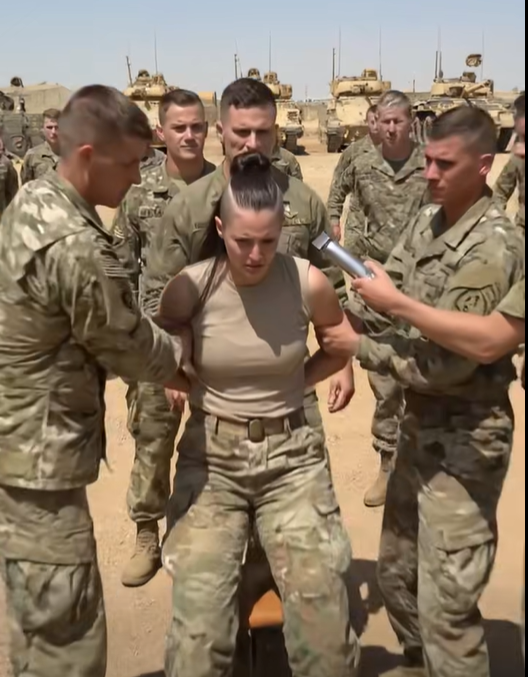
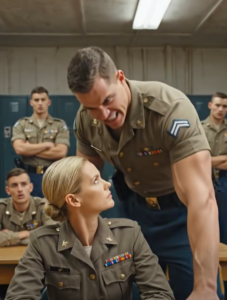
“Shave Her Head,” the Sergeant Ordered Coldly. “If Discipline Won’t Break Her, Maybe Humiliation Will.” But What They Didn’t Know Was That the Woman They Underestimated Would Bring Their Entire Base to Its Knees.
General Alexander Vance had heard the whispers for months: Fort Blackwood was rotting from within. Soldiers spoke in hushed tones of systematic humiliation disguised as “discipline,” falsified training records, missing supply funds that somehow vanished into private accounts, and a toxic command climate built on fear and intimidation. Every official inspection came back sparkling clean […]
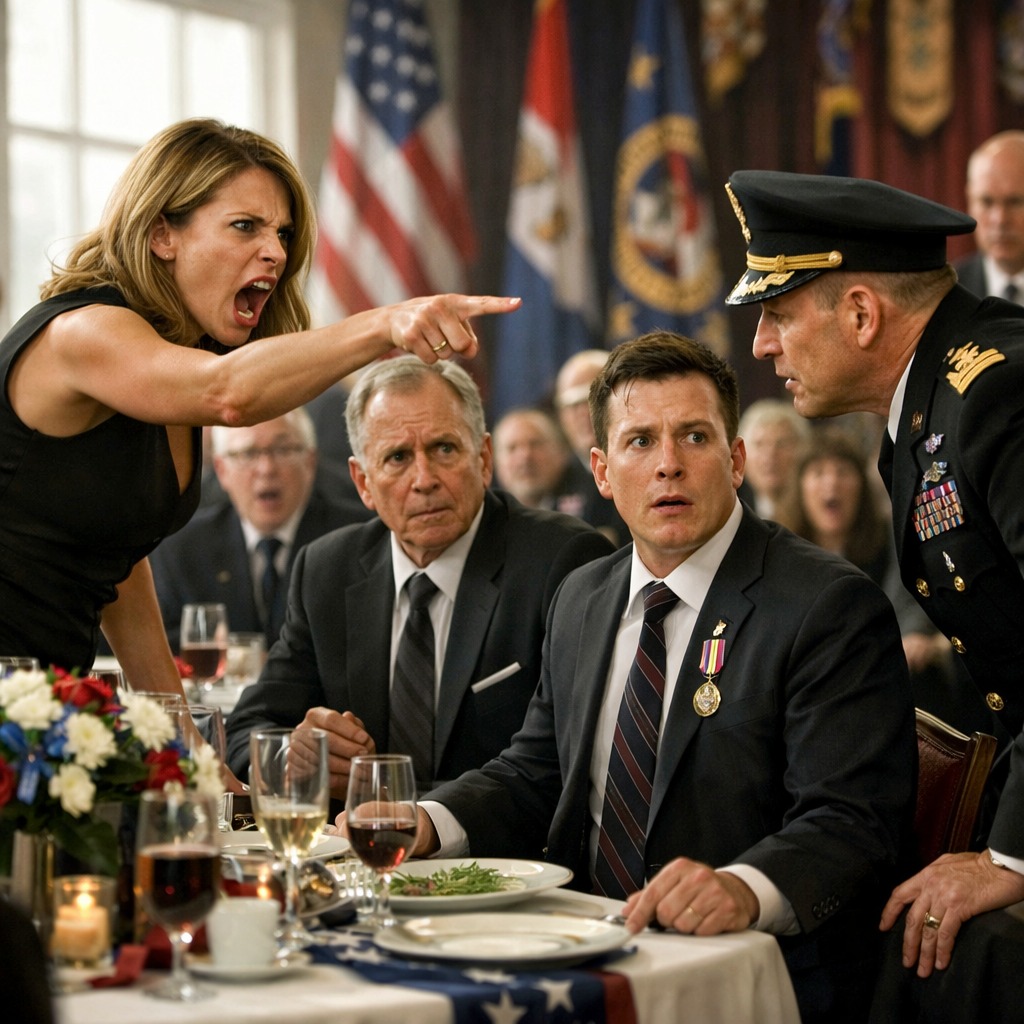
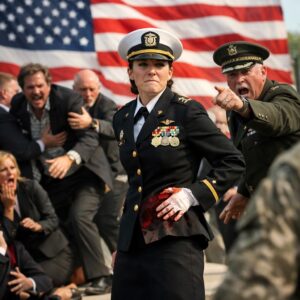
At A Veterans’ Dinner, The Colonel Leaned Toward My Brother And Asked One Simple Question: “Can You Tell Me How You Earned This Decoration, Son?” His Face Turned White. He Pointed At My Father And Said: “He Told Me It Belonged To Our Uncle.” The Uncle Never Existed.
The Ridgewood Armory smelled like every other veterans’ event I’d ever attended: floor wax, overcooked chicken, old coffee, and the faint metallic tang of too many American flags. Fluorescent lights buzzed overhead, casting a harsh glow on rows of folding tables and men in ill-fitting blazers trying to look like they still belonged in uniform. […]
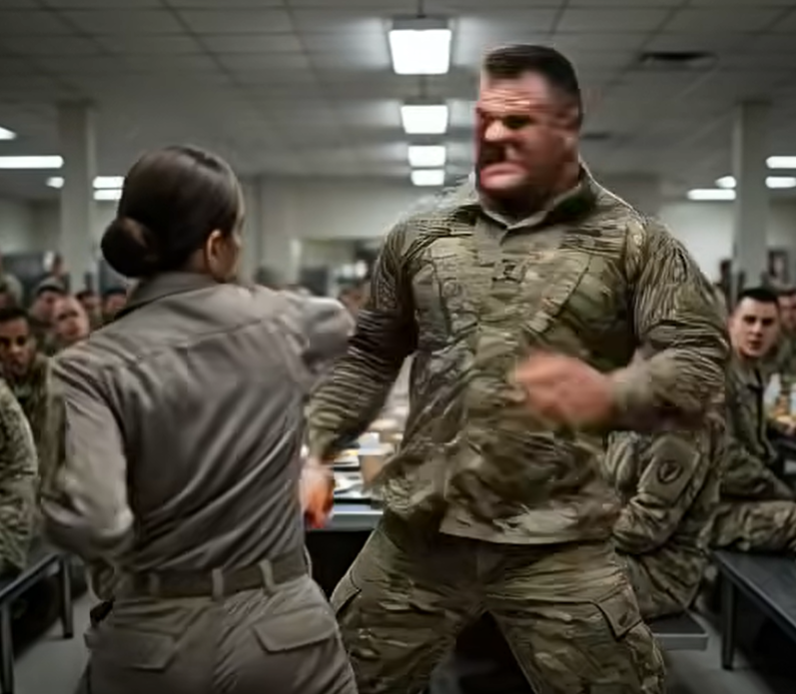
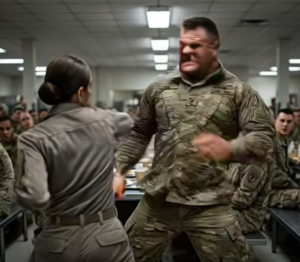
“Die, B*tch,” He Spat, Swinging a Massive Fist in the Mess Hall. He Thought I Was an Easy Target — He Had No Idea He Just Attacked a Classified SEAL Shadow Operative.
I was running on fumes. Seventy-two hours of off-the-books reconnaissance in the frozen Alaskan wilderness had left every muscle screaming. My joints ached from crawling through ice-crusted snow, my eyes burned from staring through night-vision gear, and the only thing keeping me upright was the promise of a hot meal and twelve hours of blackout […]
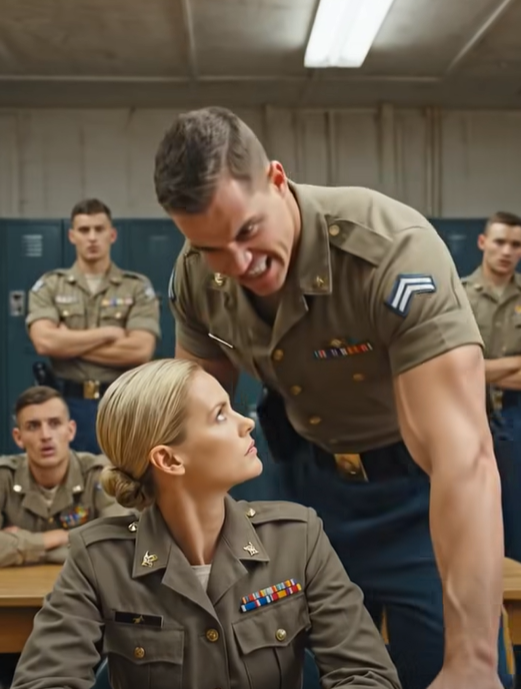
“Do You Know Who I Am?” He Pushed Her — Seconds Later, One ID Card Ended His Career
The dim lights of Rusty’s Bar flickered like dying stars just outside Camp Pendleton. It was a Friday night, the kind where Marines came to forget the sand and the screams they carried home from deployment. I had come here for the opposite reason — to disappear. My name is Commander Thalia Renwick. Highly decorated […]
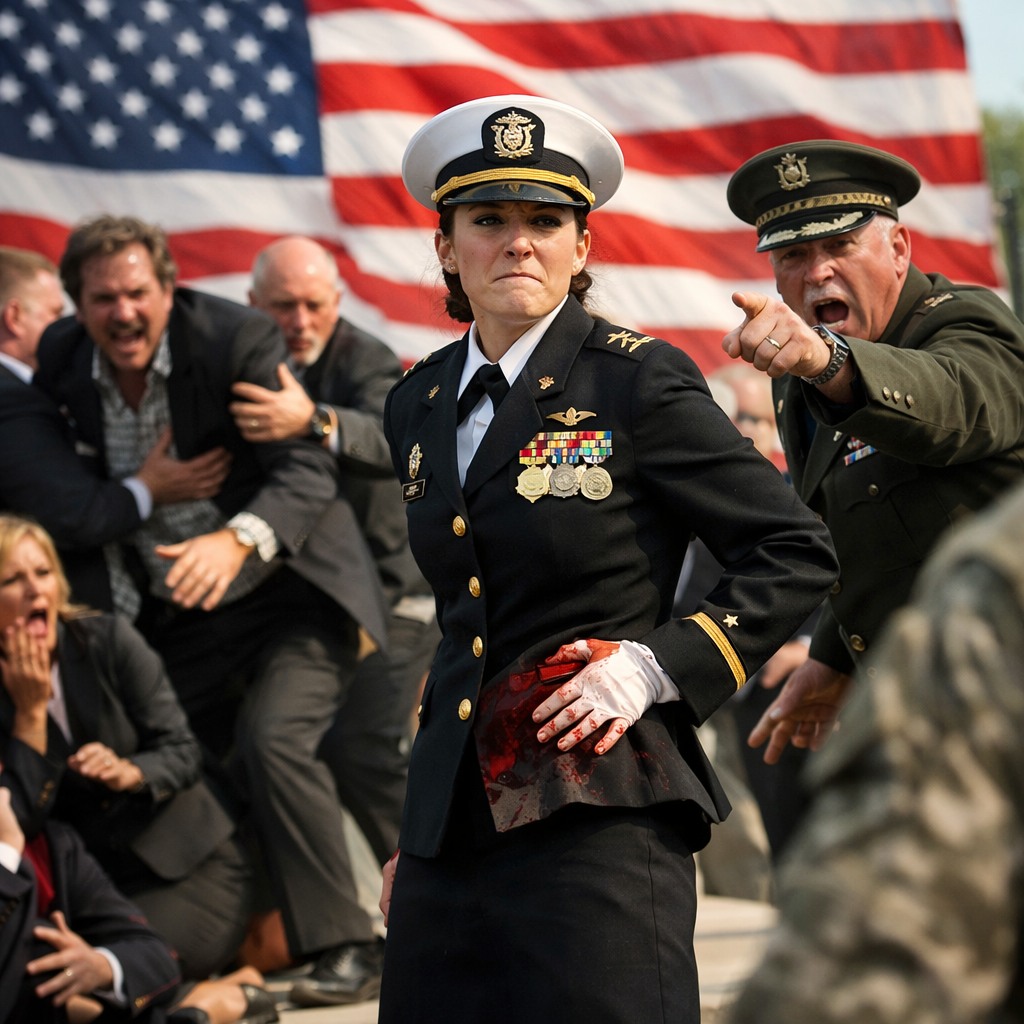
15 Years After My Dad Kicked Me Out, I Saw Him At My Sister’s Wedding. He Sneered: “If It Wasn’t For Pity, No One Would’ve Invited You.” I Just Smiled And Sipped My Wine. Then The Bride Took The Mic And Changed Everything.
The South Carolina sun was merciless that June afternoon, turning the outdoor wedding venue into a glittering oven. I stood near the back in my crisp Army dress uniform, the brass buttons and medals catching the light with every breath. At 34 years old, I had come home for my little sister’s wedding — the […]
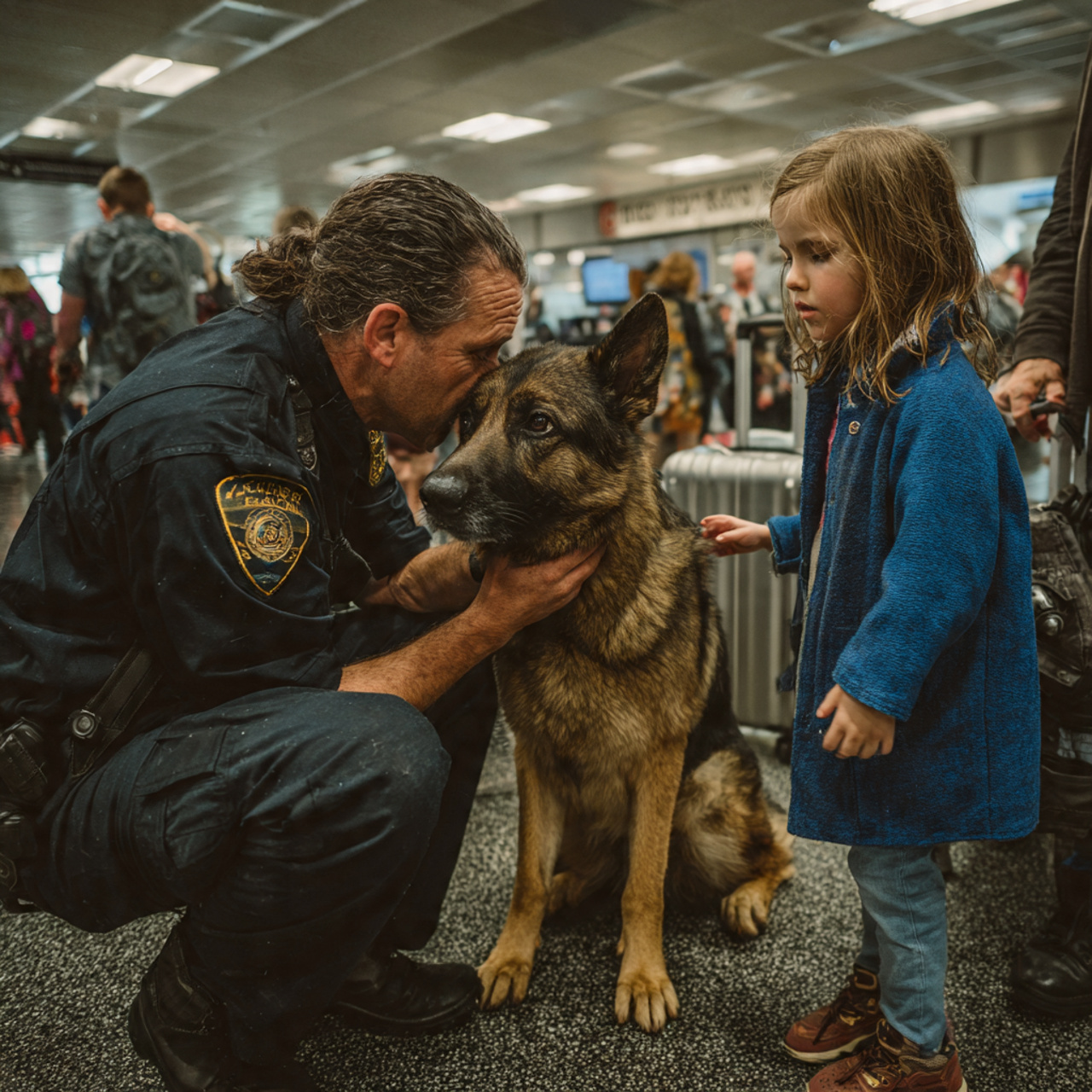
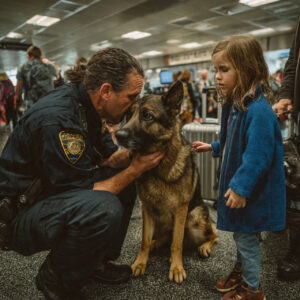
“A POLICE DOG FROZE IN THE AIRPORT. THEN A LITTLE GIRL TAPPED HIS HEAD. WHAT HAPPENED NEXT MADE EVERY TRAVELER STOP. HAVE YOU EVER WITNESSED A SILENT CRY FOR HELP?
The bustling international airport was a whirlwind of rolling suitcases, hurried announcements, and weary travelers rushing to their gates. Officer Liam Mercer patrolled the terminal with his loyal K9 partner, Rex — a highly trained German Shepherd known for his sharp instincts in detection and child safety operations. Everything seemed routine until Rex suddenly froze […]
End of content
No more pages to load