The emergency room never sleeps — but on television, until now, it mostly operated in daylight. HBO’s breakout medical drama The Pitt has captivated audiences with its raw, real-time portrayal of a single chaotic 15-hour shift at a busy Pittsburgh trauma center. Yet as the adrenaline-fueled days unfold on screen, fans have become obsessed with what happens when the sun goes down. The so-called “night shift” — those mysterious 11 hours left unexplored — has sparked a frenzy of speculation, petitions, and full-blown demands for a spin-off. And now, star Shawn Hatosy, who plays the enigmatic night-shift attending physician Dr. Jack Abbott, has thrown fuel on the fire by openly admitting he would “love to be a part” of it.
The idea exploded in popularity during Season 2, as brief glimpses of Abbott, Dr. Shen, Dr. Ellis, and their nocturnal crew teased a completely different side of hospital life. While the day shift grapples with the steady stream of accidents, family dramas, and medical emergencies under bright fluorescent lights and bustling hallways, the night shift promises something far more unpredictable: the wild, shadowy hours when the city’s underbelly emerges, when desperation peaks, and when the ER becomes a pressure cooker of bizarre cases, moral dilemmas, and raw human vulnerability.
Fans argue that those 11 “empty” hours represent untapped gold. Imagine fireworks gone wrong on the Fourth of July turning into mass casualties at 2 a.m., or the eerie calm of a snowstorm in Pittsburgh suddenly shattered by a multi-vehicle pile-up involving impaired drivers. Night brings a different rhythm — fewer administrators, more autonomy for the doctors, and a cast of characters who thrive in the darkness. Hatosy himself painted a vivid picture in recent interviews, describing the night shift as a place that attracts a very specific type of personality. “It requires a certain type of person,” he noted, hinting that Abbot has deliberately chosen nights for reasons that run deeper than scheduling. The cases, he suggested, get “wild” — a far cry from the more structured chaos of daytime.
What makes the spin-off idea so intoxicating is the potential for tonal shift. The Pitt already stands out for its gritty realism, fast-paced dialogue, and refusal to sugarcoat the emotional toll of emergency medicine. A night-shift version could lean even darker and more intense: longer shadows, ethical gray areas, exhausted staff pushed to their breaking points, and patients whose stories reveal the city’s hidden struggles with addiction, violence, and mental health after dark. Some fans envision it as almost a companion series — same hospital, different energy — while others dream of a full franchise expansion where the two shifts occasionally intersect in dramatic crossovers.
Hatosy’s enthusiasm has only amplified the excitement. The Emmy-winning actor, who has become a breakout favorite as the steady, no-nonsense Dr. Jack Abbott, didn’t just politely entertain the question. He leaned in, expressing genuine interest in exploring more of Abbot’s world and the supporting night-shift characters that audiences have quickly grown to love despite their limited screen time. His comments have lit up social media, with hashtags like #ThePittNightShift and #11HoursEmpty trending as fans flood comment sections with ideas, fan art, and passionate pleas to HBO.

Yet not everyone is convinced a spin-off would be a good move. HBO executives, including content chief Casey Bloys, have previously pushed back against immediate franchise ambitions, calling it potentially “arrogant” to assume the show’s success justifies multiple versions so soon. Showrunners John Wells and R. Scott Gemmill have been more open, admitting they have discussed the possibility of a full night-shift season and even joked about a winter-themed Pittsburgh episode. They stress, however, that their priority remains delivering strong stories for the main series before branching out. Some critics worry that splitting focus could dilute the tight ensemble chemistry that makes The Pitt so compelling, or that a darker night shift might veer too far into melodrama and lose the grounded authenticity that has earned the show critical acclaim and loyal viewers.
The debate touches on larger questions about television storytelling in the streaming era. Can a single-location medical drama sustain a franchise the way police procedurals or legal shows have? Would audiences tune in for 11 straight hours of nocturnal intensity, or would the novelty wear off? Supporters point to the success of other spin-offs that expanded universes without weakening the original — think Grey’s Anatomy and its short-lived but memorable companions, or the way Chicago Fire spawned an entire “One Chicago” empire. Detractors counter that The Pitt’s strength lies in its laser focus on one shift, one day, and one team under relentless pressure.
Regardless of the corporate hesitations, the fan appetite is undeniable. Social media is filled with creative pitches: a Halloween night shift filled with costume-related injuries and pranks gone wrong, or a quiet Christmas Eve that spirals into a city-wide crisis. Others want deeper character dives — exploring why certain doctors prefer nights, the personal demons they battle in the quiet hours, or the unique bonds formed when the rest of the world is asleep. The limited appearances of the night crew in Season 2 have only heightened the intrigue; viewers crave more of their dynamic, their inside jokes, and the subtle tensions that hint at richer backstories.
Hatosy’s willingness to embrace the idea adds significant weight. As someone who has also stepped behind the camera to direct episodes, he understands both the creative and logistical challenges. His comments suggest he sees real potential in unlocking “a whole world” of stories that the day shift simply cannot access. Whether that manifests as a full spin-off series, a special limited season, or even occasional night-focused episodes within the main show remains to be seen — but the conversation is very much alive.
For now, The Pitt continues to deliver powerful daytime drama that has hooked millions with its authenticity and heart. Noah Wyle’s Dr. Robby and the core day-shift team remain the emotional center, but the night shift lurks in the background like an untold chapter waiting to be written. Fans are not just asking for more television; they are demanding to experience the full 24-hour cycle of life inside one of America’s busiest trauma centers — the quiet lulls, the sudden surges, and the moments when medicine feels less like a job and more like a battlefield.
As Shawn Hatosy put it, the night shift attracts a certain kind of person — and apparently, a certain kind of viewer too. With Season 2 still unfolding and buzz building, the question is no longer whether audiences want to see those 11 empty hours filled. The real question is how long HBO can resist giving them exactly what they crave: a darker, rawer, and perhaps even more addictive look at the ER when the lights dim and the real chaos begins.
The Pitt has already proven it can handle the intensity of daylight. Now fans — and at least one key star — are ready to find out if it can survive, and thrive, after dark.
News
15 Years After My Dad Kicked Me Out, I Saw Him At My Sister’s Wedding. He Sneered: “If It Wasn’t For Pity, No One Would’ve Invited You.” I Just Smiled And Sipped My Wine. Then The Bride Took The Mic And Changed Everything.
The South Carolina sun was merciless that June afternoon, turning the outdoor wedding venue into a glittering oven. I stood near the back in my crisp Army dress uniform, the brass buttons and medals catching the light with every breath. At 34 years old, I had come home for my little sister’s wedding — the […]
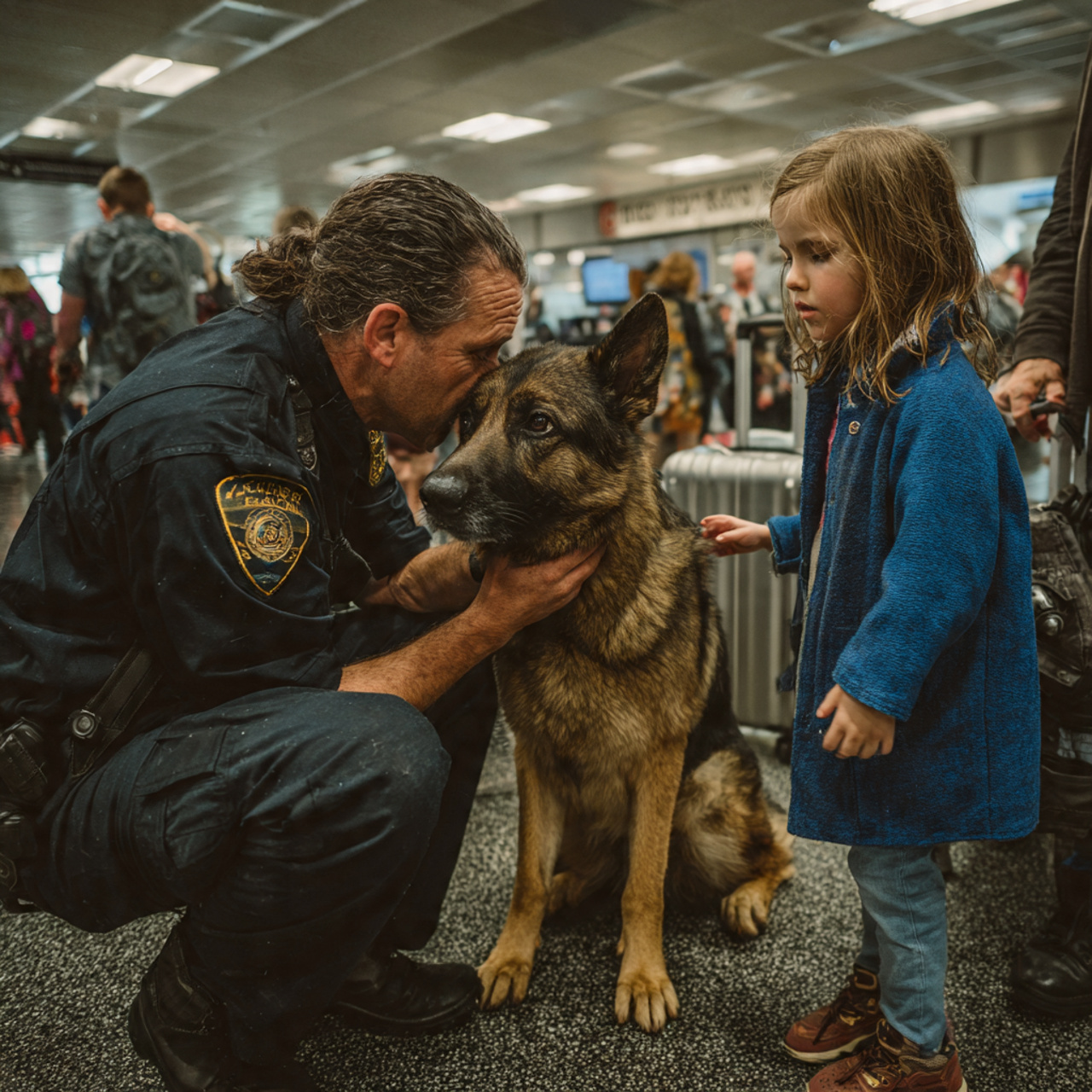
“A POLICE DOG FROZE IN THE AIRPORT. THEN A LITTLE GIRL TAPPED HIS HEAD. WHAT HAPPENED NEXT MADE EVERY TRAVELER STOP. HAVE YOU EVER WITNESSED A SILENT CRY FOR HELP?
“A POLICE DOG FROZE IN THE AIRPORT. THEN A LITTLE GIRL TAPPED HIS HEAD. WHAT HAPPENED NEXT MADE EVERY TRAVELER STOP. HAVE YOU EVER WITNESSED A SILENT CRY FOR HELP? “The airport was a blur of rolling suitcases and muffled announcements until the world stopped. My partner, Rex, went rigid beside me, a statue of […]
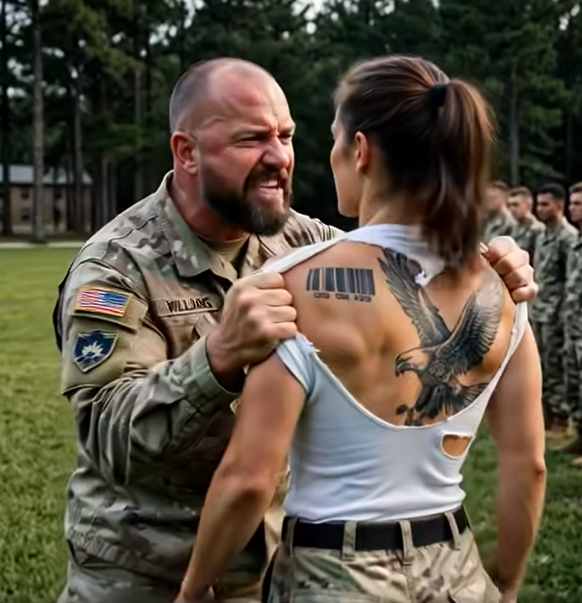
‘DEADWEIGHT?’ — THEY TORE THE SEAL GIRL’S SHIRT, AND THE GENERAL FROZE WHEN HE SAW HER KILL-CODE TATTOO
My name is Rebecca Kane. By the time I stepped off the Black Hawk at Fort Carson, Colorado, I already knew the first rule of special operations: men don’t fear a woman until she stops asking for permission. Twenty-eight years old. Special operations qualified. Transferred under sealed orders into the most brutal inter-branch advanced combat […]

HARRY SHATTERED? Chelsy Davy’s Baby #3 News Hits Prince Harry at His Most Vulnerable Moment!
In a twist no one saw coming, Prince Harry is rumored to be struggling behind closed doors after discovering that his ex, Chelsy Davy, has just welcomed her third child. Insiders claim the news has resurfaced old dreams of the life he once imagined — and the contrast is said to be hitting harder than […]

Kate Middleton’s Blunt Warning to Prince Harry: “This Needs to Stop” After Meghan Markle’s Latest ‘Disrespectful’ Move
Tensions within the British royal family have simmered for years, but a new flashpoint has emerged that reportedly pushed the Princess of Wales to take decisive action. According to well-placed insiders, Kate Middleton is preparing to deliver a direct and firm warning to her brother-in-law Prince Harry regarding what many in royal circles view as […]
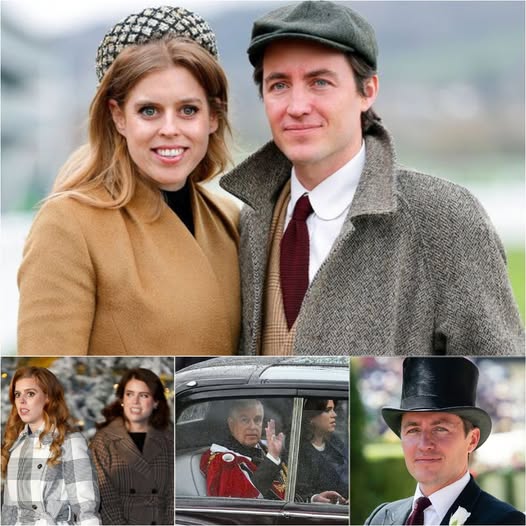
The Quiet Church Service That Turned Heads: Edoardo Mapelli Mozzi’s Unexpected Behavior Sparks Debate
The atmosphere inside the Cotswolds church was exactly as one would expect for a traditional service — calm, respectful, and steeped in centuries-old decorum. Guests sat quietly, the soft murmur of prayers and hymns filling the sacred space. Princess Beatrice and her sister Princess Eugenie were present alongside their husbands, Edoardo Mapelli Mozzi and Jack […]
End of content
No more pages to load