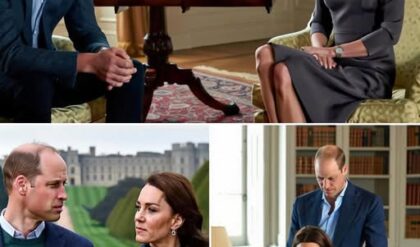
Prince William is opening up again about something fans have long admired in him—his belief in the power of support, partnership, and the people who help us stay grounded. In a heartfelt moment during a recent visit to a youth center in Wales, he reflected on how none of us make it through life alone, and how having someone steady by your side can shape everything from confidence to purpose. His message struck a chord with thousands who know exactly what it means to lean on a partner, a friend, or a family member who makes you stronger simply by being there. William’s reflections touched on the idea that behind many of life’s achievements is someone offering encouragement, honesty, patience, and love—the kind of support that doesn’t ask for the spotlight but quietly holds everything together. Fans are praising him for speaking so openly about the value of having a strong, supportive figure in life, and for reminding everyone that true strength often comes from partnership.
In the grand tapestry of royal life, where public duties and private battles intertwine, Prince William has always stood out for his authenticity. At 43, the heir to the throne navigates a world of ancient traditions and modern expectations with a groundedness that feels refreshingly human. His latest candid remarks came not from a scripted speech at Buckingham Palace, but from an unassuming conversation at the Youth Shedz headquarters in Conwy, North Wales. There, amid tools and timber where young people build skills and self-esteem, William connected deeply with founder Scott Jenkinson and his wife Sian. When Scott shared how Sian’s unwavering presence had pulled him through personal hardships, William nodded emphatically. “This is it!” he exclaimed, before delivering his now-viral line: “Behind every average man is an even better wife.” The room erupted in laughter, but the words landed with profound resonance, encapsulating a truth William has lived and learned through his own journey.
This isn’t mere quip; it’s a philosophy forged in the fires of experience. William’s life has been a masterclass in the transformative power of support systems. From the chaos of his parents’ high-profile divorce in the 1990s to the recent storms of family health crises, he’s witnessed firsthand how isolation can erode even the sturdiest foundations. His mother, Diana, Princess of Wales, was a whirlwind of compassion and vulnerability, teaching him early that emotional openness is a superpower. Yet, her tragic death in 1997 left a void that William has spoken about rawly—how the absence of that steady hand amplified his teenage struggles at Eton. “You lose sight of who you are,” he once confided in a mental health documentary, underscoring the isolation that comes without anchors.

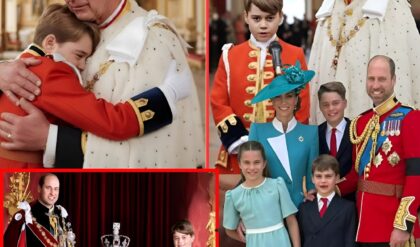
Enter Catherine, Princess of Wales, the woman who has become William’s ultimate pillar. Their partnership, now in its 14th year of marriage, is a testament to quiet fortitude. Kate, as she’s affectionately known, doesn’t just stand beside him; she propels him forward. During her own battle with cancer earlier this year—a diagnosis that shook the world and tested the family’s resilience—William stepped into the role of caregiver with grace. He juggled solo royal engagements, from environmental summits in Brazil to charity launches in Leeds, all while ensuring their three children—Prince George, 12; Princess Charlotte, 10; and Prince Louis, 7—felt secure. In a rare interview with Brazilian TV host Luciano Huck ahead of the Earthshot Prize awards in November, William revealed how they approached the tough conversations with their kids. “We choose to communicate a lot more with our children,” he said. “Most of the time, hiding stuff from them doesn’t work.” This openness, he added, stems from a desire to build trust, echoing the supportive dialogues he wishes he’d had more of in his youth.
Kate’s influence extends beyond crisis management; it’s woven into the fabric of their daily life. At home in their Windsor estate, Adelaide Cottage, the couple prioritizes “normal” family rituals—board games, school runs, and screen-free dinners—that ground them amid the pomp. William has credited Kate’s steadying presence for helping him channel his energies into causes like mental health and homelessness. Through initiatives like Heads Together, launched in 2016, they’ve championed the idea that vulnerability isn’t weakness but a bridge to connection. “It’s okay not to be okay, and it’s okay to ask for help,” William often says, a mantra that resonates because it’s lived. Fans on social media have flooded platforms with stories of their own “Kate-like” figures—partners who listen without judgment, friends who show up unannounced, siblings who offer tough love. One viral thread read: “William gets it. My wife isn’t just my better half; she’s my entire foundation. #TeamPartnership.”
This emphasis on support isn’t isolated to the personal; it’s a cornerstone of William’s vision for the monarchy’s future. In an October interview with comedian Eugene Levy for Apple TV+’s “A Royal Reluctant Traveler,” he delved into the “overwhelm” of family worries, admitting that protecting his loved ones from media intrusion remains his fiercest priority. “The damage it can do to your family life is something that I vowed would never happen to my family,” he said, referencing the paparazzi frenzy that scarred his childhood. Yet, he’s optimistic about evolution. “I want to bring about real change,” he told The Telegraph in May, speaking of a slimmer, more relatable institution under his eventual reign. This includes amplifying voices from the margins—youth workers like Scott Jenkinson, who turn sheds into sanctuaries for at-risk teens, or rangers in Africa fighting poachers, as highlighted at the Tusk Conservation Awards where William marked 20 years of patronage last week.
Family, too, plays a starring role in this narrative. At the glitzy Tusk event on November 26, William was enveloped by loved ones: cousin Zara Tindall and her husband Mike, radiating equestrian warmth; and Diana’s nieces, Lady Eliza and Lady Amelia Spencer, elegant reminders of his mother’s legacy. Their presence wasn’t coincidental; it symbolized the web of kinship that bolsters him. “Family is everything,” William has said, a sentiment echoed in his support for causes like the Rob Burrow Centre for Motor Neurone Disease, opened in Leeds earlier this month. There, he met Lindsey Burrow, widow of the late rugby star, and shared stories of grief’s quiet solidarity. “It’s crucial in those first few years to have support like this,” he noted, drawing from his own losses.
Public reaction has been electric. On X (formerly Twitter), hashtags like #WilliamWisdom and #PowerOfPartnership trended globally, with users sharing anecdotes from caregivers to coaches. “As a single dad, this hits hard—my sister is my ‘better half’ without the romance,” one post read, amassing thousands of likes. Women, in particular, have embraced the humor in William’s remark, with op-eds in outlets like The Independent musing, “Every woman I know wants a wife to run the show.” It’s a nod to the invisible labor—emotional, logistical, inspirational—that often falls to partners, especially in high-stakes lives like the Waleses’. Yet, William flips the script, positioning support as mutual: Kate has spoken of his “endless patience” during her recovery, while he praises her “incredible inner strength.”
Looking ahead, William’s words feel like a blueprint for resilience in turbulent times. As 2025 closes with whispers of upcoming milestones—like George’s impending school transition—the Prince’s focus remains on fostering environments where support thrives. His Homewards project, partnering with charities to eradicate homelessness, embodies this: no one succeeds in silos. At Youth Shedz, he marveled at how simple tools empower lives, much like how a listening ear rebuilds confidence. “Partnerships like this change everything,” he told the group, eyes lighting up.
In a world quick to celebrate solo triumphs, William’s ode to the “behind-the-scenes” heroes is revolutionary. It humanizes the crown, reminding us that even princes need props—literal and figurative. As he and Kate prepare for the holidays at Sandringham, surrounded by the Firm’s festive traditions, one can’t help but smile at the irony: the man destined for solitary sovereignty knows his greatest power lies in shared shoulders. True strength, he teaches, isn’t in standing tall alone; it’s in lifting each other higher. And in that quiet truth, William doesn’t just lead—he inspires us all to look beside us and say thanks.