Inside the Wire: Derek Chauvin’s Brutal Post-Conviction Reality and the Shadow of May 2020
🔥 St@bbed 22 times in a prison law library, hunted by gang members, and fighting to survive behind thick concrete walls… the brutal reality of Derek Chauvin’s daily existence has just been blown wide open.
For the former cop whose face sparked a global movement, the fallout didn’t end when the courtroom gavel dropped. Shuffled across maximum-security facilities under heavy guard after a fellow inmate nearly took his life with an improvised knife, Chauvin’s existence is defined by extreme isolation, constant threats, and a desperate legal battle to overturn his convictions.
Is he just another inmate doing hard time, or a walking target living on borrowed time in the federal system?
The terrifying details of his new reality are leaking out—and you won’t believe how he spends every single minute behind bars. 👇
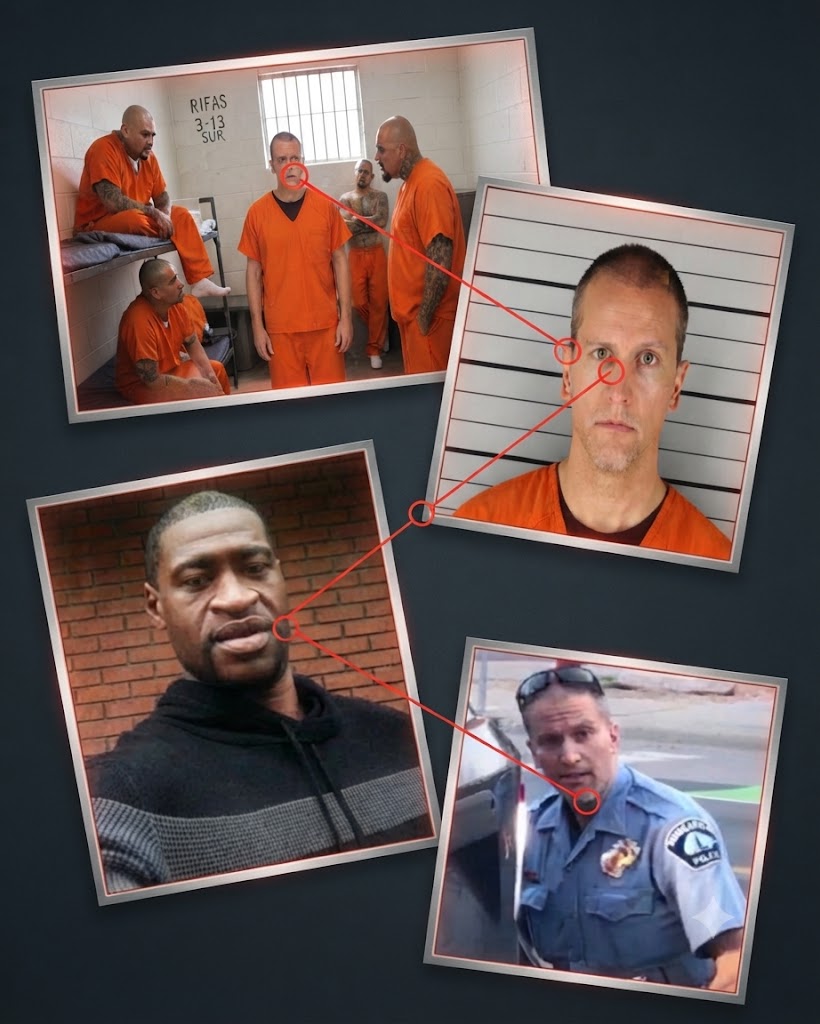
Years after his conviction became a watershed moment in modern American history, former Minneapolis police officer Derek Chauvin continues to navigate a correctional landscape fraught with unprecedented danger, intensive protective custody, and a relentless string of failed appeals. Serving concurrent state and federal sentences totaling over two decades at the Federal Correctional Institution (FCI) in Big Spring, Texas, Chauvin’s life inside the prison system remains a focal point of intense public fascination, safety debates, and security measures.
The Anatomy of an Attempted Hit
The most stark reminder of Chauvin’s radioactive status within the inmate population occurred on November 24, 2023, while he was housed at FCI Tucson in Arizona. According to federal indictments and investigative reports, John Turscak—a former gang leader and FBI informant serving a lengthy sentence—targeted Chauvin in the institution’s law library.
Using an improvised knife, Turscak stabbed Chauvin 22 times in a sudden and frenzied assault. Correctional officers rushed into the area and deployed life-saving measures, ultimately subduing the attacker and preventing what investigators stated could easily have been a murder. Turscak later told investigators that he deliberately targeted Chauvin due to his immense notoriety surrounding the killing of George Floyd. The chilling attack instantly laid bare the profound vulnerability of high-profile public figures incarcerated within the federal prison network.
The Shuffling of a High-Risk Inmate
In the wake of the near-fatal stabbing, the Federal Bureau of Prisons executed a series of high-security transfers to insulate Chauvin from further retaliation. Following initial hospitalization and a temporary stint at a transfer facility in Oklahoma City, Chauvin was moved to FCI Big Spring in Texas—a low-security facility featuring supplementary administrative safeguards designed to manage vulnerable prisoners.
Legal counsel and security experts have repeatedly pointed out that high-profile law enforcement officers inside the prison system face unique existential threats. Even in lower-security environments, the weight of his conviction ensures that Chauvin remains heavily segregated from the general population, spending the vast majority of his day under strict administrative watch to prevent copycat attacks or gang-orchestrated hits.
Legal Hail Marys and the Road Ahead
While physical survival remains an hourly challenge, Chauvin’s legal team continues to pursue longshot post-conviction relief. Having exhausted multiple state-level appeals and seeing the U.S. Supreme Court decline to hear previous challenges, Chauvin’s defense has pivoted toward attempting to overturn his federal guilty plea. Legal filings have argued issues regarding ineffective assistance of counsel and sought fresh reviews of medical evidence and physical specimens from the original trial.
However, legal analysts note that overturning established federal and state murder convictions remains an extraordinarily steep uphill battle, with his projected release timeline stretching well into the late 2030s. As other former officers involved in the 2020 incident have steadily completed their shorter sentences and transitioned out of custody, Chauvin remains isolated—a stark symbol of a legal reckoning that continues to echo across the nation.