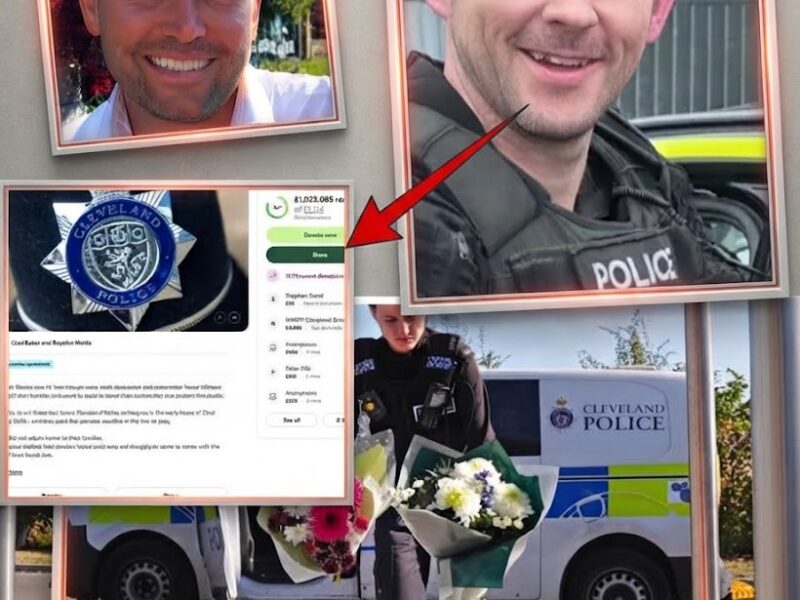
The £26 Million Reality Check: How the A66 Tragedy Exposed Cleveland Police’s Breaking Point
🚨 A £24 MILLION DESPERATE GAP… AND A CITY SITTING ON A TINDERBOX.
When the government threw a quick £2 million lifeline at Cleveland Police following the catastrophic A66 disaster, they probably thought it would silence the critics. They were wrong.
Chief Constable Victoria Fuller just dropped a bombshell that has left Whitehall exposed: the force doesn’t need millions—they need a staggering £26 million just to keep afloat. Meanwhile, as massive funeral processions grind Middlesbrough to a halt, force schools into emergency early closures, and spark furious community debates over security, the staggering fallout from the Volkswagen Passat tragedy continues to spiral out of control.
With fallen heroes PC Matthew Blades and PC Tom Clough mourned, questions are mounting over how a severely underfunded force is supposed to handle a full-scale regional crisis. Is a breaking point inevitable?
The numbers don’t add up, the community is on edge, and the full story goes far deeper than anyone is admitting… 👇
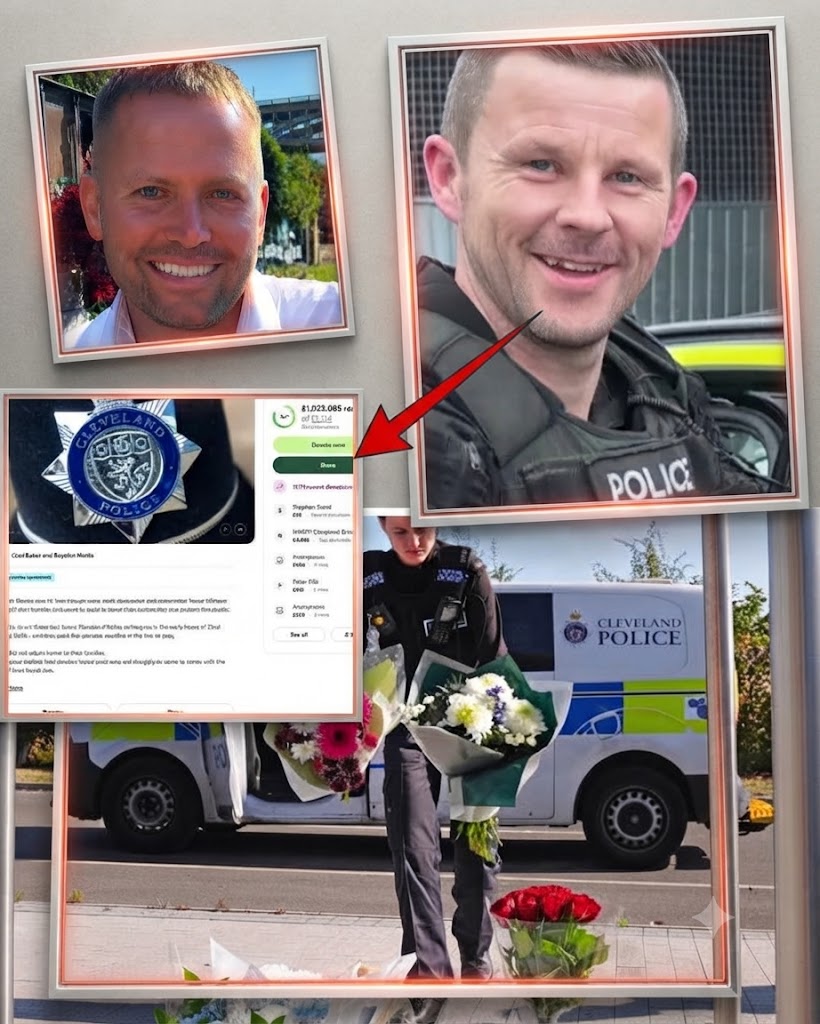
In the wake of any major national tragedy, the immediate government response is measured in figures, funds, and fast-tracked relief. But when Westminster announced an additional £2 million allocation for Cleveland Police following the horrific A66 crash that claimed seven lives—including two beloved police officers—the gesture was met not with gratitude, but with a stark reality check.
Chief Constable Victoria Fuller broke her silence to deliver an uncomfortable truth: the emergency injection is a drop in the ocean. According to the force’s leadership, Cleveland Police requires an estimated £26 million to genuinely address the systemic vulnerabilities plaguing the region. That leaves an unmanageable £24 million chasm—a financial abyss that has brought long-simmering tensions surrounding resources, local crime, and community strain sharply into focus.
The Anatomy of a Funding Crisis
The fatal August 22 head-on collision on the A66 near South Bank—which saw a Volkswagen Passat traveling the wrong way collide with a marked police vehicle, resulting in the deaths of five youths and armed response officers PC Matthew Blades and PC Tom Clough—sent shockwaves across the United Kingdom.
In response to the tragedy and subsequent retaliatory tensions, the Home Office scrambled to support the strained north-east force, deploying around 200 temporary officers alongside the £2 million funding package. Yet, in an exclusive media briefing, Fuller laid bare the structural decay of her department. Operating with staffing levels historically akin to a rural territory despite battling metropolitan-level crime rates and deep-seated regional deprivation, Cleveland Police has seen some of the sharpest officer reductions since 2010.
“I need that all the time,” Fuller stated, addressing the reality of short-term surges versus long-term structural deficits. The shortfall highlights a broader systemic failure: regional forces coping with high-intensity organized crime while strapped for the financial resources necessary to guarantee baseline public and officer safety.
Funerals, Gridlock, and Community Strain
The financial debate is occurring against a backdrop of immense local volatility. As the weeks following the crash have unfolded, Middlesbrough has become the site of emotionally charged, high-security funeral processions for those who lost their lives.
The memorial services—including those for the teenagers and young men involved in the Passat—have triggered severe logistical headaches across Teesside. Massive crowds, tightly managed traffic diversions, and a heavy, proportionate police presence have disrupted daily life. Most notably, the processions forced several local schools, such as Acklam Grange and Outwood Academy, to implement emergency early closures to protect students and manage the congestion rippling down Ladgate Lane and Acklam Road.
While local authorities and police worked to maintain public order—noting that the services largely passed without major unlawful disruption—the situation has divided public opinion. Education Secretary Lucy Powell acknowledged the “huge anxieties and worries in the community”, walking a delicate line between defending headteachers’ safety prerogatives and addressing parental frustrations over lost learning time.
Questions That Refuse to Fade
For the families of PC Matthew Blades and PC Tom Clough, the ongoing turmoil serves as a painful backdrop to their private grief. The officers died while fulfilling their duties, leaving behind a grieving “police family” and a community forced to reckon with the dangerous realities faced by frontline emergency workers every night.
As independent investigations by the Independent Office for Police Conduct (IOPC) press forward, the narrative in Middlesbrough has shifted from a localized traffic accident to a profound examination of civic infrastructure. The £24 million gap between what was offered and what is desperately required remains an echoing symbol of neglected northern policing.
Until structural reform arrives—and until forces like Cleveland are integrated into larger, fully-resourced strategic frameworks—the ghosts of the A66 will continue to loom large over a community demanding answers, security, and sustainable change.