“Oh No, It’s Fine!”: Captain Brushed Off Gasoline Stench and Extreme Overcrowding Minutes Before Explosion
The 35-person tourist catamaran operating off the coast of the Dominican Republic was effectively a floating time bomb from the exact moment it pulled away from the dock. Panicked passengers directly confronted the vessel’s captain regarding a suffocating, overwhelming smell of raw gasoline and dangerous overpacking as bodies crowded every available inch of deck space, only to be dismissed with a casual wave and a reassuring smile right before the ocean erupted into a devastating wall of fire. Survivor accounts have laid bare the fatal oversights and profound negligence that trapped dozens of holidaymakers onboard.
The harrowing journey, which began as a routine excursion returning from the picturesque Saona Island toward the resort town of Bayahibe, quickly curdled into an absolute nightmare. According to tourists who managed to escape the inferno, the vessel was packed well beyond safe operational thresholds, leaving little room to maneuver even before thick, acrid plumes of black smoke began billowing from the engine compartments. When alarmed travelers voiced their immediate fears about the pungent fuel odor permeating the salt air, they were met with arrogant indifference by crew members who insisted everything was completely under control.

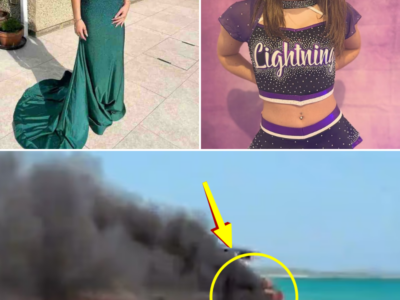
That deadly illusion shattered within seconds as a catastrophic blast tore through the front of the catamaran near the boundaries of Cotubanama National Park. Eyewitnesses described a blinding wall of fire racing across the deck as terrified passengers scrambled frantically for safety, with many forced to leap directly into the open sea to escape the rapidly spreading flames. The explosion left nearly two dozen individuals suffering from severe burns, broken bones, and critical trauma, turning a sunlit Caribbean holiday into a chaotic mass-casualty disaster.
Among those caught in the devastating inferno was 16-year-old British cheerleading coach Abigail Lainton, who was traveling alongside her siblings while awaiting her GCSE results. Sustaining horrific first- and second-degree burns across 60% of her body, Abigail fought a courageous three-day battle for survival in an intensive care unit before her organs ultimately failed. Her tragic death, alongside injuries sustained by her sister and brother, transformed a localized maritime failure into an international heartbreak that resonated deeply from the Caribbean back to her hometown of Swindon.
As local authorities, international consulates, and maritime investigators launch comprehensive inquiries into the disaster, attention remains rigidly fixed on the glaring safety lapses that preceded the blast. The unheeded warnings regarding vessel overcrowding and the toxic stench of leaking fuel highlight a systemic disregard for human life in pursuit of quick tourist revenue. Survivors and grieving families argue that the tragedy was entirely preventable if basic maritime protocols had been enforced instead of brushed aside with casual dismissals.
The echoes of that catastrophic explosion continue to haunt the survivors and relatives demanding absolute accountability from the charter operators and local regulators. The fatal choice to ignore the physical warning signs etched into the air that afternoon stands as an enduring monument to corporate negligence and maritime recklessness. Ultimately, the smiling dismissal delivered by the captain moments before the disaster will forever symbolize the ultimate cost of prioritizing profit over the safety of innocent passengers.