Backtracking or Damage Control? Why NetEase’s Sudden Policy Reversal on ‘Marvel Rivals’ Has Fans Alarmed
🚨 DID NETEASE JUST SURRENDER TO THE OUTRAGE MOB? Marvel Rivals has been praised for refusing to bend the knee to modern progressive politics, but their latest move has fans completely stunned… 🚨
When online critics screamed “racism” because a popular Black character’s swimsuit skin wasn’t given the highest rarity tier, the developers did the unthinkable: they completely caved and changed it. Are the studio’s anti-woke defenses finally cracking, or is this just harmless corporate damage control?
See why traditional gamers are furious about the sudden policy reversal! 👇🔥
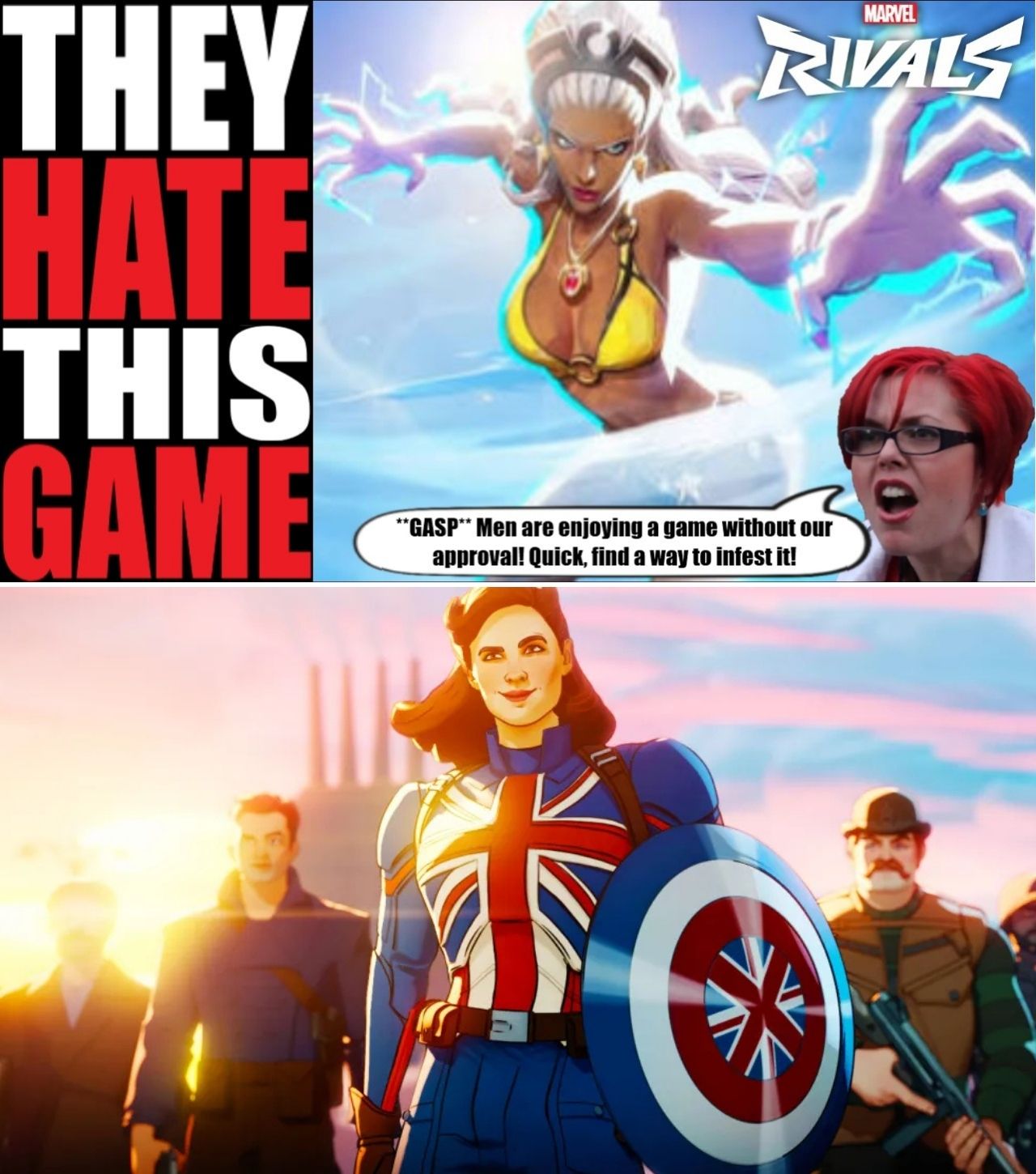
Since its explosive debut, NetEase’s hero shooter Marvel Rivals has occupied a very unique space in the modern gaming landscape. While many Western AAA titles have faced intense scrutiny for sanitizing character designs to appease progressive sensibilities, Marvel Rivals leaned aggressively in the opposite direction. Featuring visually striking, highly stylized character models and popular cosmetic skin drops, the game became a massive commercial hit by unapologetically catering to traditional gamer aesthetics—often drawing the ire of mainstream gaming journalists in the process.
However, even the most resilient bulwarks against modern outrage culture occasionally show cracks. This week, Marvel Rivals found itself at the center of a fresh controversy after NetEase swiftly capitulated to social media pressure regarding a cosmetic skin, leaving a vocal segment of its core fanbase feeling betrayed and questioning the studio’s long-term resolve.
The Swimsuit Skins and the Outrage Cycle
The controversy began when NetEase rolled out a series of seasonal swimsuit skins for several of the game’s female characters. Historically, the game’s core demographic celebrated these cosmetic releases, while progressive critics frequently targeted them for objectification. But this time, the complaint shifted from prudish moralizing to accusations of systemic bias.
A fierce outcry erupted on platforms like X (formerly Twitter) and Bluesky over the treatment of Storm, one of the game’s most prominent Black characters. Fans pointed out that while other female characters received top-tier “Legendary” cosmetic classifications for their summer outfits, Storm’s upcoming swimsuit skin, titled Sacred Skies, was slated as an “Epic” tier cosmetic.
Within hours, posts criticizing the rarity disparity went viral, pulling in tens of thousands of interactions. Critics quickly framed the tier difference not as a standard business decision, but as evidence of racial bias within the development team.
The Swift Capitulation
For a community that has spent years urging game developers to ignore outrage mobs and stand firm against weaponized accusations of bigotry, NetEase’s response was a bitter pill to swallow. Rather than holding their ground or ignoring the complaints, the developers moved with surprising speed to appease the critics.
NetEase released an official statement addressing the backlash head-on. The studio announced that Storm’s Sacred Skies cosmetic would be officially upgraded from Epic to Legendary status. Furthermore, the upgrade would include brand-new lobby animations and an updated MVP animation. To appease players who had already voiced financial concerns, NetEase confirmed that the price of the cosmetic would remain unchanged, and anyone who purchased it would receive the upgraded tier for free.
The developer concluded its statement by promising additional Legendary cosmetics for Storm later in the year, while appealing to the community to maintain a positive environment and refrain from harassing staff members.
A Dangerous Precedent?
While corporate customer service pivots are a dime a dozen in the live-service gaming space, the reaction from the hardcore Marvel Rivals community was overwhelmingly negative. To the anti-woke gaming demographic, caving to accusations of racism—even over something as trivial as skin rarities in a video game—sets a dangerous precedent.
Commentators and content creators quickly weighed in, arguing that NetEase had fallen into a classic trap. “You underestimate my power,” gaming commentator Doctor Disaster remarked during a video breakdown of the controversy, criticizing the studio for yielding to online pressure. “If you do this… they will only smell blood in the water and they will make more demands.”
The fear among traditional gamers is that once a developer shows they are susceptible to being bullied by social media activists wielding accusations of bigotry, the outrage mob will return with greater frequency. Many fans pointed out that earlier complaints—such as progressive demands for specific queer couples and relationship storylines to be added to the game—were successfully ignored by NetEase because the studio simply didn’t engage. The sudden willingness to alter a paid cosmetic in response to race-based accusations has created a jarring double standard in the eyes of the community.
The Battle for the Soul of Live-Service Gaming
Live-service games rely entirely on community trust and momentum. NetEase has built an enormously successful product by offering an alternative to the sanitized, politically driven design philosophies dominating Western studios. For millions of players, Marvel Rivals represented a safe haven where gameplay and aesthetic appeal came before ideological compliance.
Whether this single cosmetic upgrade is merely a minor, pragmatic business concession or the slippery slope of a broader corporate compromise remains to be seen. But for a fanbase fiercely protective of their hobby, the message was unmistakable: even the most defiant Chinese developers are not entirely immune to the pressures of modern internet outrage. As NetEase moves forward with future updates and character releases, the community will be watching closely to see if the studio stands its ground the next time the culture war comes knocking at its door.