Backtracking or Olive Branch? How Playground Games’ ‘Fable’ Reboot Sparked Speculation Over Character Redesigns
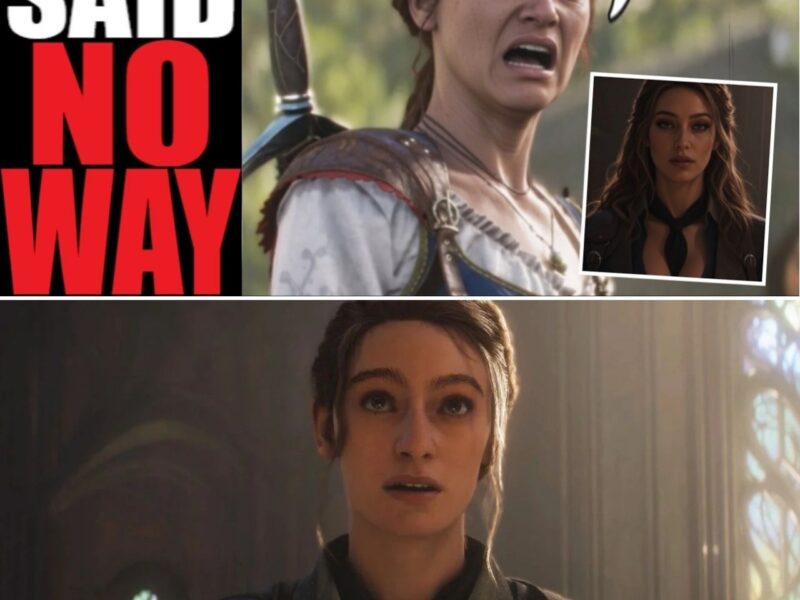
🚨 DID MICROSOFT JUST SURRENDER TO THE CHUDS? After years of massive backlash and brutal ratios, the highly controversial Fable reboot has apparently made a massive, last-minute change… 🚨
Remember the heavily criticized, rugged female protagonist that the internet universally roasted? Fresh footage from Playground Games just dropped a radically different look that has fans completely stunned. Did new Xbox leadership quietly force developers to fix the character models before the upcoming 2027 release, or is it too little, too late?
See the explosive before-and-after breakdown before the studio tries to bury it! 👇🔥
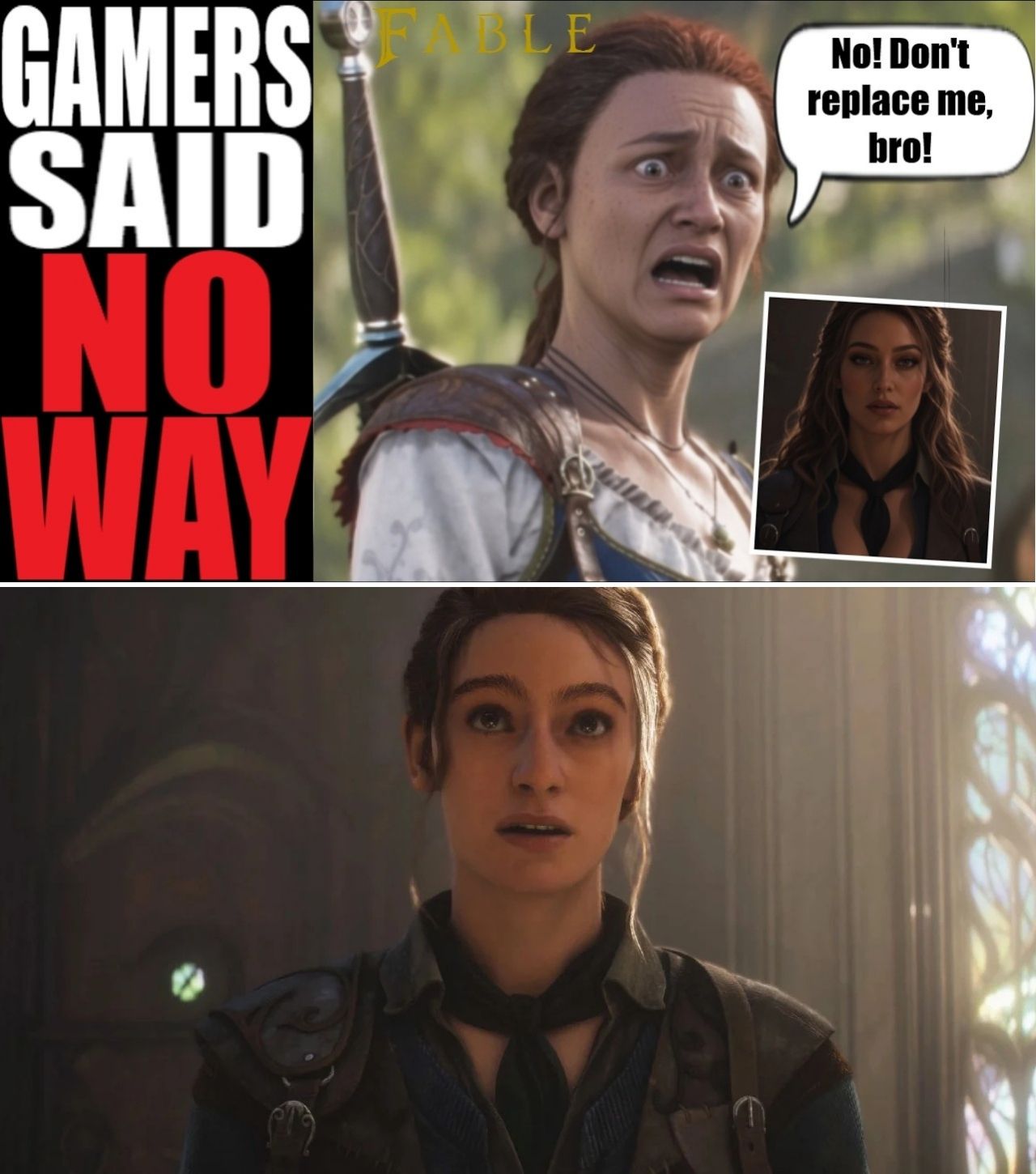
For nearly a decade, the development of Playground Games’ upcoming Fable reboot has been one of the most tumultuous sagas in modern Xbox history. Initially announced back in 2020, the project has faced steep hurdles, long stretches of radio silence, and a severe culture-war firestorm over its artistic direction. But a newly released promotional clip from the official Fable social media channels has sent shockwaves through the gaming community, sparking intense speculation that the studio has quietly overhauled its controversial protagonist to appease a disgruntled fanbase.
The source of the renewed debate is a brief visual showcase released by Playground Games, which features a rendering of the female player character that looks drastically different from the polarizing model first introduced in the game’s initial reveal trailers. For a community that has spent years clashing with developers over perceived modern political aesthetics, the change has ignited a fierce discussion about corporate backtracking, changing leadership at Xbox, and the financial pressures facing AAA blockbusters.
The Anatomy of a PR Disaster: Looking Back at 2023
To understand why a simple character model update is causing a massive industry-wide stir, one must revisit the disastrous rollout of the Fable trailers at the Xbox Games Showcases in 2023 and 2024.
When Playground Games finally pulled back the curtain on actual in-game footage, the response from the core gaming audience was icy at best and hostile at worst. The trailers prominently featured a rugged, unconventional female protagonist. In the cinematic narrative, non-playable characters audibly reacted to the protagonist’s distinct facial features, treating her appearance as a focal point of the world.
While the developers likely intended to lean into a whimsical, British-humor-infused style of fantasy where characters aren’t conventionally airbrushed, the timing and political climate of the industry told a different story. The gaming community, already fatigued by what they perceived as a systemic industry-wide push to eliminate traditional beauty standards in favor of “modern audience” sensibilities, revolted.
The backlash was measurable. On official YouTube uploads, the 2023 trailer was ratioed into oblivion, pulling roughly 26,000 likes against a staggering 64,000 dislikes—nearly a 3:1 negative ratio. The comment sections were flooded with complaints about uncanny valley character design, with fans expressing frustration that they were seemingly being forced to play a pre-determined, unappealing avatar in an RPG franchise historically known for deep customization. The following year’s trailer suffered a similarly dismal reception, sitting at roughly 22,000 likes to 42,000 dislikes.
Following the poor reception, Playground Games went into a prolonged period of silence, eventually confirming delays that pushed the game’s release window into early 2027.
The Character Creator and Late-Stage Adjustments
Industry insiders and commentators have pointed out glaring clues suggesting that Fable underwent a chaotic development cycle, likely scrambling to implement features that were missing from the original vertical slice.
Early in 2026, Playground Games began teasing the game’s character creation suite. However, critics were quick to note that if a robust character creator had existed from the beginning, the simplest public relations countermeasure to the initial ugliness backlash would have been to simply tell fans they could customize their hero however they saw fit. The fact that the studio absorbed years of negative PR without clarifying the existence of a creator strongly implies it was a late-stage addition, cobbled together to stanch the bleeding after the trailers bombed.
Further evidence of development friction appeared in early technical previews, where early builds showed male character models utilizing overly stylized, hyper-feminine animation loops before being quietly patched.
Commentators like popular YouTube host Doctor Disaster have analyzed these shifts through the lens of corporate oversight. With new leadership taking the reins at Xbox—including executive Asha Sharma—there is a growing theory that corporate brass stepped in to douse the flames. The newly revealed footage shows a female protagonist with significantly softer, more traditionally feminine features, prompting many to wonder if the studio has capitulated to pressure from the “chuds” (the internet slang used to describe traditional, anti-woke gamers).
The High Financial Stakes of a Decade-Long Development
Playground Games does not have the luxury of ignoring its audience. Building a massive open-world RPG over the course of nearly seven to ten years requires an astronomical financial investment.
While official budgets have not been publicly itemized, industry estimates suggest that Fable will carry a production and marketing cost easily clearing the $250 million mark. To achieve profitability under modern corporate metrics, the game will likely need to shift a minimum of 6 million copies worldwide in its opening window. For historical context, the highest-selling entry in the original Lionhead Studios Fable trilogy topped out at just over 5 million lifetime sales.
This narrow margin for error explains why a course correction—even a subtle one regarding marketing optics and character aesthetics—might be occurring behind closed doors at Xbox. Alienating the franchise’s historical core demographic in pursuit of an elusive “modern audience” that historically under-indexes on traditional RPG purchases is a financial gamble few publishers are willing to make after observing high-profile industry flops.
Too Little, Too Late?
Despite the visual softening of the protagonist in recent promotional material, skepticism among hardcore gamers remains remarkably high. Many view the sudden aesthetic pivot as a desperate, superficial band-aid applied too late in the development cycle.
Critics point to other recent titles from Xbox-associated studios as proof that the underlying corporate culture remains unchanged. For instance, recent character creation suites in sister studios’ titles have continued to embrace ambiguous gender styling and baggy, neutral clothing options, fueling fears that ideological mandates are still deeply embedded in the creative pipelines.
As Fable marches toward its projected February 2027 release date, it stands as a fascinating case study in modern game development. It represents the collision between artistic stubbornness and consumer backlash, proving that even multi-billion-dollar tech giants cannot entirely ignore the economic gravity of their core audience. Whether the final product manages to capture the whimsical magic of the original trilogy while surviving nearly a decade of development hell remains to be seen, but one thing is certain: all eyes will be on Albion when the game finally hits shelves.