Forensic Pathologists Launch Probe Into Mysterious Circumstances Surrounding Missing Hiker’s Death
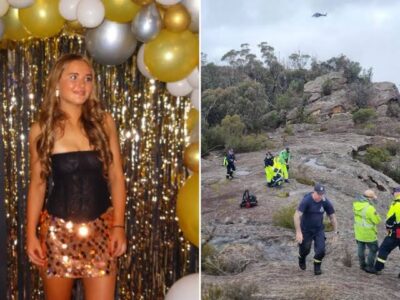
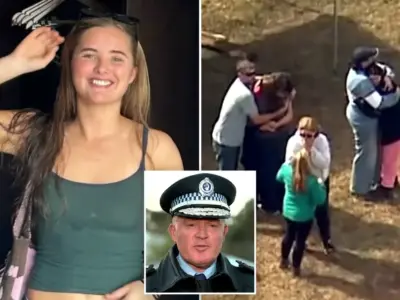
Following the recovery of 18-year-old Lily Hooper from a remote section of Nattai National Park, forensic pathology teams and criminal investigators have launched an exhaustive probe to determine exactly how the young hiker lost her life. Authorities have confirmed that there were no immediate obvious indicators or external signs explaining her death at the scene, leaving crucial details open regarding her final hours in the dense Australian bushland. The discovery brought an end to an intensive eight-day search operation involving nearly 1,000 personnel, including specialized police units, emergency services, and dedicated volunteers.

The teenager’s unlocked vehicle was found parked near the trailhead on Wanganderry Road on the night she was reported missing, yet the precise timeline between her arrival at the park and her death remains completely unresolved. Investigators from the local police district are actively gathering evidence in line with standard protocols, while a formal report is being prepared for the coroner to investigate the exact time, place, and underlying circumstances of her passing. As forensic experts await official autopsy results, the broader inquiry is expected to examine the physical evidence recovered from the scene, her injuries, and the extreme environmental challenges she faced.
The search operation itself highlighted the immense geographical obstacles presented by the New South Wales Southern Highlands, where rugged sandstone formations, steep cliffs, and thick vegetation severely limited visibility and movement. Search coordinators noted that the dense tree canopy rendered aerial rescue and observation helicopters largely ineffective during the week-long effort, forcing ground crews on foot to navigate punishing terrain. Weather conditions also compounded the difficulty, with freezing overnight temperatures and strong winds impacting the remote sectors where the teenager was ultimately located.
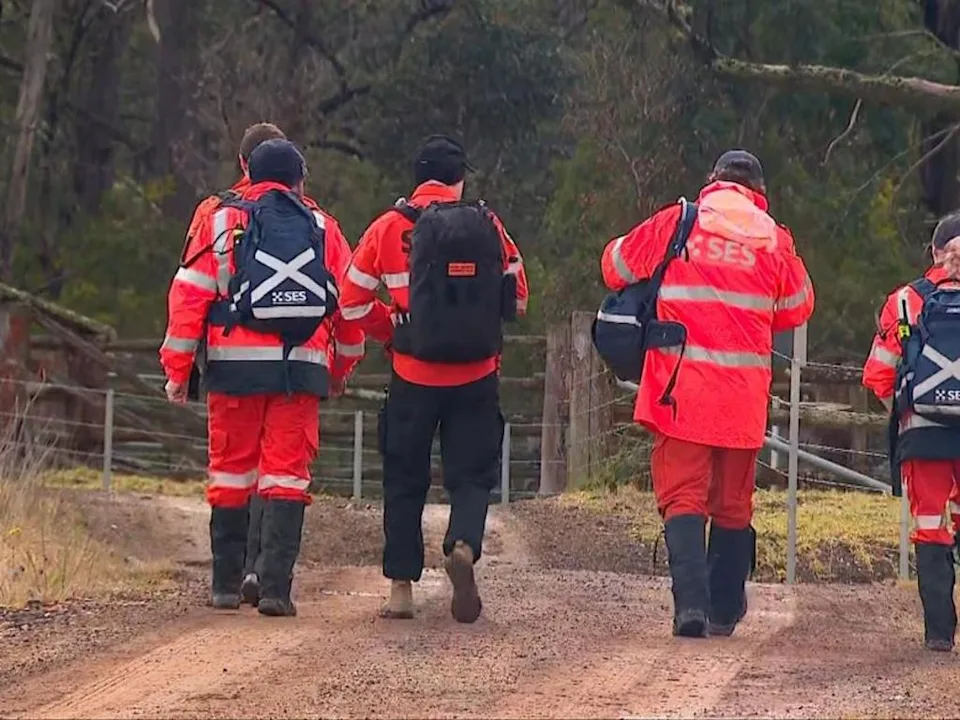
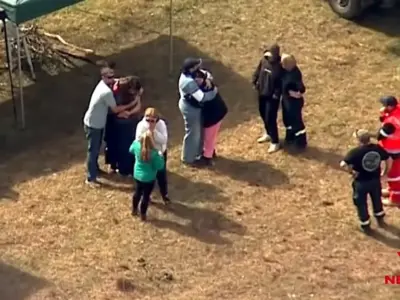
The recovery was further complicated by an extraordinary communication breakdown on the ground, where initial field radio transmissions mistakenly signaled to commanders that the missing teenager had been found alive. This unverified report briefly flashed across media channels and parliamentary proceedings before senior police leadership issued a devastating correction less than ten minutes later. Police officials subsequently offered an unreserved public apology to the family for the additional trauma and confusion caused by the miscommunication during an already agonizing ordeal.
As coronial investigators and police review operational logs to examine the precise circumstances surrounding the tragedy, the focus remains on the ongoing forensic examinations. State authorities, community leaders, and investigators emphasize that definitive answers will only emerge once the formal autopsy and coronial review processes are fully completed. In the meantime, the community continues to reflect on the immense scale of the multi-agency search effort and the profound loss of a young life cut short in the wilderness.