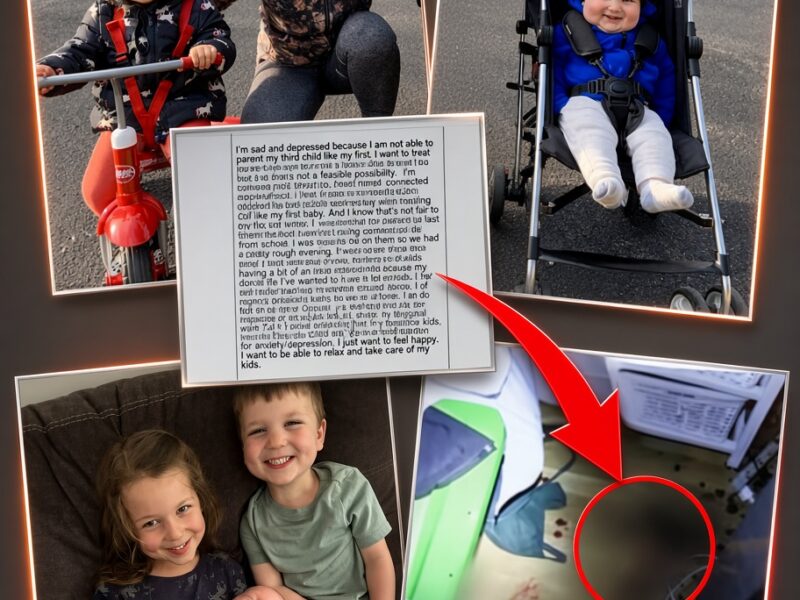
Inside the Mind of Lindsay Clancy: Private Journal Entries Reveal Deep Psychological Contradictions and Maternal Anguish
A private phone journal has just blown the Lindsay Clancy trial wide open, revealing a heartbreaking—and deeply disturbing—inner conflict.
In her own words, she admitted to resenting her older children for stealing the “first baby” experience from her youngest—while simultaneously writing that she was utterly terrified of failing them.
Was this the tortured mind of a mother drowning in severe postpartum psychosis, or something much darker? The jury is facing an impossible choice… 👇
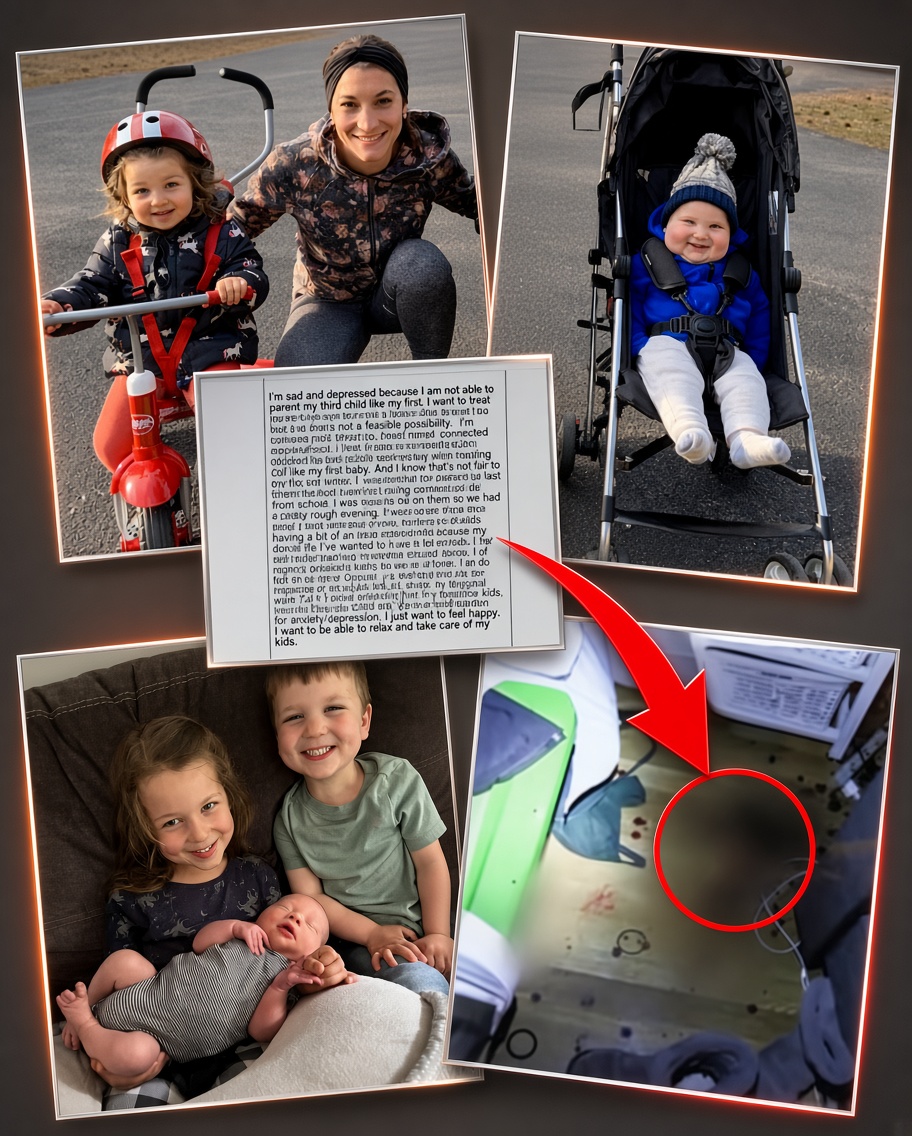
As the high-stakes murder trial of Lindsay Clancy continues to unfold in Plymouth Superior Court, the prosecution and defense have turned a microscopic lens on the former labor and delivery nurse’s digital footprint. Among the most compelling pieces of evidence entered into the record are deeply personal journal entries and notes recovered directly from Clancy’s phone.
These private writings expose a jarring internal contradiction: a mother grappling with intense feelings of resentment toward her older children, paired side-by-side with crippling anxiety and a profound fear of failing her family.
The Burden of Comparison and Secret Resentment
According to court documents and evidence presented during the trial, Clancy penned a candid and raw note on her phone detailing the emotional friction she experienced after the birth of her third child, Callan.
“I think I sort of resent my other children because they prevent me from treating Cal like my first baby,” Clancy wrote, acknowledging almost immediately within the same text that she recognized the unfairness of the sentiment. She described feeling overwhelmed when her older children, Cora and Dawson, returned home from school, noting how her own depressed state bled into the household atmosphere and culminated in difficult evenings.
For the defense, these entries serve as raw, unvarnished proof of a deteriorating mental state—illustrating the heavy psychological toll of severe postpartum depression, sleep deprivation, and the crushing pressure to bond equally across multiple young children while enduring rapid medication shifts. Clinical experts testifying on maternal mental health note that intrusive thoughts and complex, uncomfortable feelings of overload are frequently experienced by mothers suffering from acute perinatal psychiatric complications—though they rarely culminate in total cognitive collapse.
Terror, Overload, and the Fear of Failing
Yet, intertwined with the admissions of frustration were notes reflecting an opposite, equally intense emotional extreme: a paralyzing terror regarding her children’s safety and development.
In separate phone notes and search histories analyzed by investigators, Clancy expressed a hyper-fixation on modern parenting expectations, writing, “I’m terrified of something happening to my kids or doing something wrong to mess up their development”. She detailed how information overload and years of hyper-focusing on every minute detail of childcare had become an “unhealthy” obsession, leaving her living “moment to moment” trapped in a cycle of insomnia, brain fog, and exhaustion.
The prosecution, however, views these contrasting entries through a starkly different lens. Assistant District Attorneys have argued that Clancy’s digital records—which included searches for medical side effects, psychosis, and methods of self-harm, alongside logistical planning on the day of the tragedy—demonstrate a calculated awareness of her actions rather than an uncontrollable psychotic break. The state contends that articulating internal struggles in a private journal does not absolve an individual of criminal responsibility when tragedy ultimately strikes.
A Legacy of Unanswered Questions
As jurors pore over the digital diary entries, text messages, and medical timelines, the Lindsay Clancy trial remains an agonizing window into the complexities of maternal mental health. Whether her private admissions of resentment and terror represent the classic symptoms of an unravelling mind or clues to a premeditated path, the haunting contradiction of her words will remain a central fixture of one of the most polarizing trials in modern legal history.