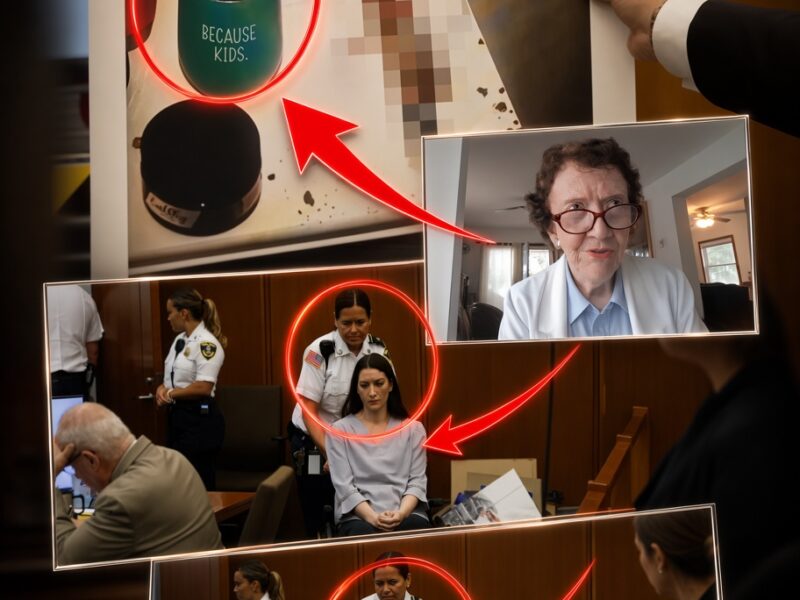
Beyond the Verdict: Why Legendary FBI Profiler Dr. Ann Burgess Argues Lindsay Clancy Must Remain Secured Regardless of Court Outcome
Even if the jury buys the insanity defense, a chilling truth remains: Lindsay Clancy might never be safe to walk among us again.
When a legendary FBI profiling pioneer—the real-world genius behind Mindhunter—steps forward to drop a massive warning about what happens after the verdict, you know the stakes have reached a terrifying new level.
What does science say about her true mental state? The answer will send shivers down your spine… 👇
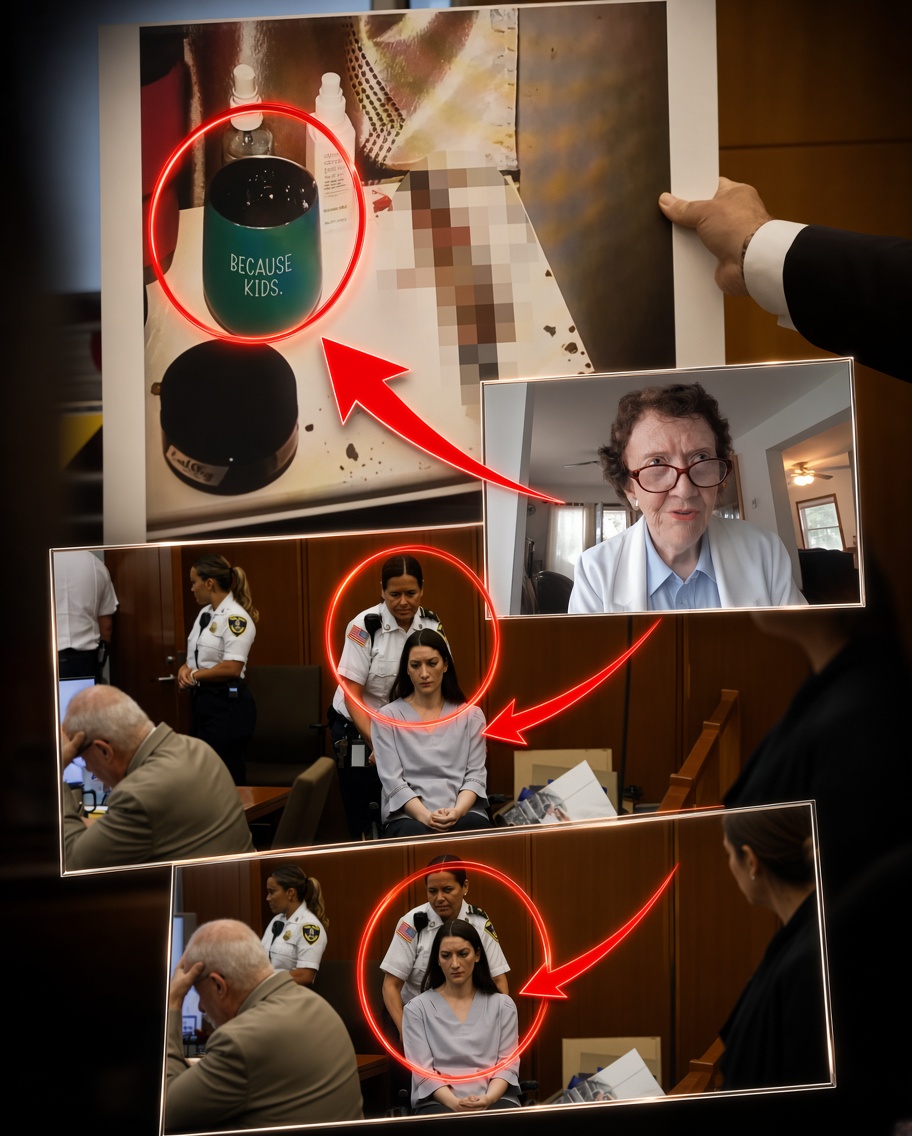
As the high-stakes murder trial of Lindsay Clancy barrels toward its legal climax in Plymouth Superior Court, the courtroom battles over postpartum psychosis, medical accountability, and premeditation have captivated the nation. Yet, away from the immediate theater of cross-examinations and dueling expert testimonies, a much larger question of public safety and forensic science has emerged.
Dr. Ann Burgess—the pioneering psychiatric nurse and legendary forensic researcher whose groundbreaking work with the FBI’s Behavioral Science Unit helped shape modern criminal profiling and inspired the Netflix series Mindhunter—has issued a stark, sobering assessment. According to Burgess, the legal debate over whether Clancy possessed criminal responsibility at the time of the January 2023 tragedy completely overshadows an underlying, immutable reality: the profound behavioral danger presented by acute psychotic episodes of this magnitude, regardless of legal verdicts.
The Core Distinction Between Legal Guilt and Public Safety
The legal architecture of the Duxbury mother trial rests on a knife-edge. Defense attorneys have stipulated to the physical mechanics of how 5-year-old Cora, 3-year-old Dawson, and 8-month-old Callan died, framing the central defense entirely around a lack of criminal responsibility driven by severe postpartum psychosis and adverse medication reactions. Under Massachusetts law, a verdict of “not guilty by reason of lack of criminal responsibility” is not an acquittal or an immediate walk out the courtroom doors; rather, it mandates commitment to a secure psychiatric facility.
However, public discourse frequently conflates a non-guilty insanity verdict with total absolution. This is precisely where Dr. Burgess’s expert framework intervenes. Drawing on decades of clinical evaluation of violent offenders and trauma-induced psychological breaks, forensic experts emphasize that severe mental decompensation resulting in extreme violence requires long-term, highly-secured institutional containment to protect both the individual and society—irrespective of whether a jury determines the actor possessed the cognitive capacity to form legal intent.
The Complex Legacy of Postpartum Psychosis in the Courtroom
Burgess’s warning cuts to the heart of why the Clancy case has ruptured public consensus. Unlike traditional premeditated homicides, cases involving severe postpartum psychosis force the judicial system to reckon with a state of altered reality where a mother suffering from acute delusions or command hallucinations believes she is acting out of a distorted sense of protection or mercy.
While the defense has marshaled extensive journal entries, testimonies of racing thoughts, and documentation of a failing psychiatric safety net to prove Clancy was trapped in an uncontrollable medical nightmare, prosecutors have countered by highlighting digital footprints and planned logistics to argue for calculated intent. Yet, from a behavioral profiling perspective, Dr. Burgess’s stance serves as a reminder that an explanation rooted in severe mental illness does not equate to a predictable or safe reintegration into the public sphere.
A Precedent-Setting Conclusion
As jurors prepare to weigh weeks of harrowing testimony, emotional 911 calls, and complex psychiatric depositions, the ultimate verdict will reverberate far beyond the borders of Massachusetts. Whether the court ultimately labels Clancy’s mental state at the time of the tragedy as criminal calculated action or the catastrophic culmination of medical and psychological failure, the overarching consensus from top forensic minds remains absolute: the conclusion of a trial does not erase the deep, structural dangers inherent in severe psychological crises. For the legal system, the medical community, and a watching nation, the shadow cast by the events in Duxbury will demand vigilance for generations to come.