Beyond the Monolith: Why HBO’s Most Critically Acclaimed Gems Deserve a Second Look
Are these the greatest HBO shows ever made, or did the internet just completely sleep on them? 🤫
We all know The Sopranos and Game of Thrones, but HBO’s vault is hiding absolute masterclasses that vanished into thin air. From psychological prison experiments that broke the rules to historic masterpieces hiding in plain sight, people are just now realizing what they missed.
Did your favorite hidden gem make the cut, or did pop culture completely leave it behind? The debate in the forums is getting nasty. 👇
When discussing the prestige television landscape, Home Box Office (HBO) is universally acknowledged as the undisputed titan. For decades, the network has defined cultural epochs with monumental hits like The Sopranos, The Wire, Succession, and Game of Thrones. However, this towering shadow often acts as a double-edged sword. For every series that achieves global phenomenon status, several other productions—many boasting near-perfect critical scores and exceptional craftsmanship—are routinely eclipsed and forgotten by mainstream audiences.
The Masterclass That Time Forgot Take, for instance, the historical biographical miniseries John Adams (2008). Starring Paul Giamatti in a tour-de-force performance as America’s second president, the seven-part series offers a remarkably grounded, unromanticized depiction of the American Revolution and the early republic. Despite sweeping awards ceremonies—including a record-breaking 13 Emmy Awards—the miniseries rarely enters contemporary conversations about peak television, overshadowed by flashier historical dramas or modern fantasy epics.
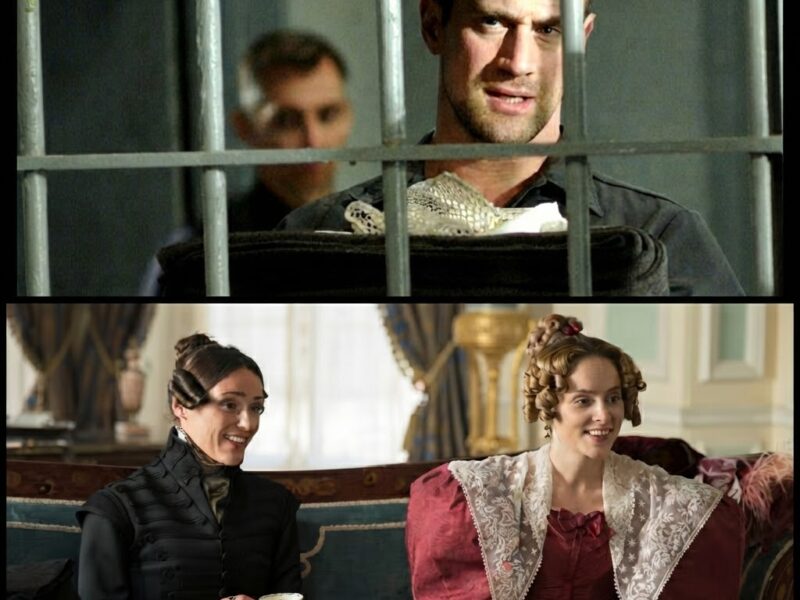
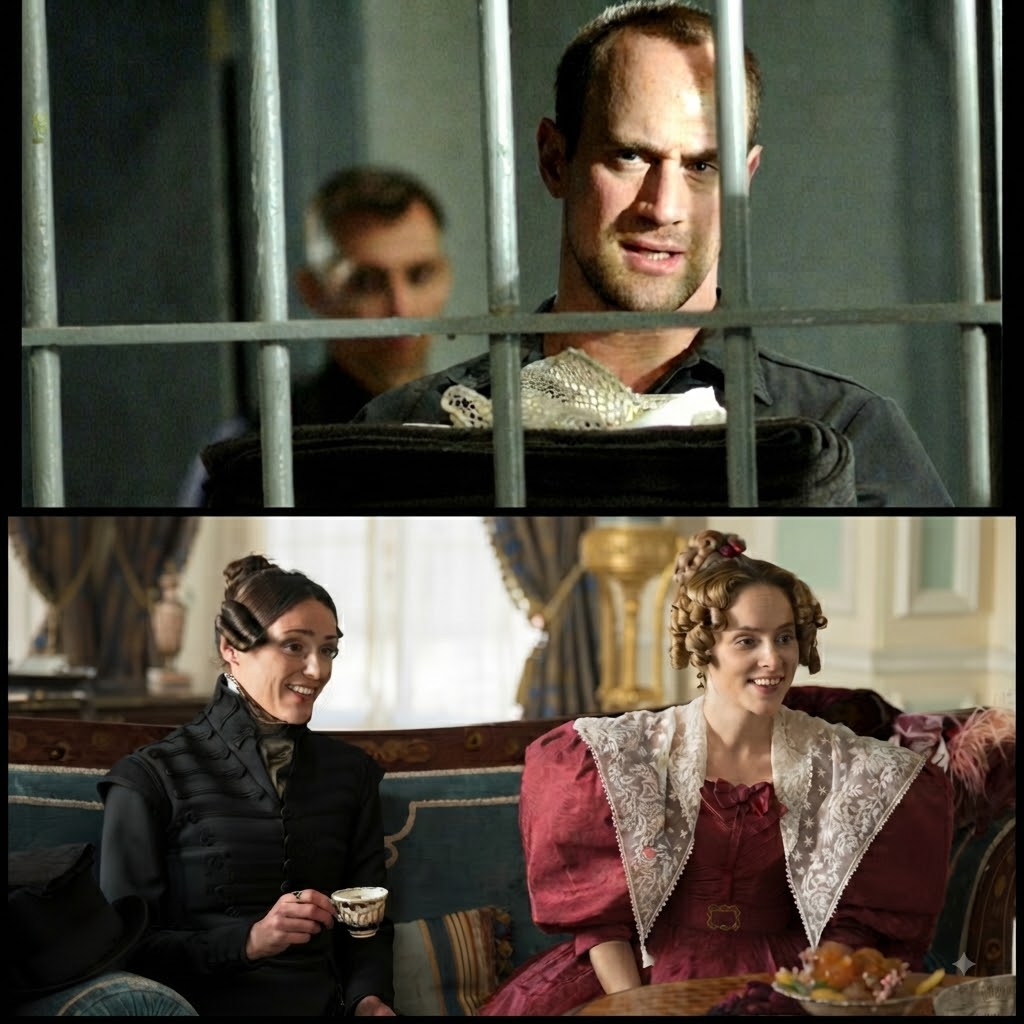
Similarly, political and period character studies like Sally Wainwright’s Gentleman Jack (2019–2022) pushed boundaries with Suranne Jones portraying Anne Lister, the “first modern lesbian” landowner in 19th-century Yorkshire. Boasting a stellar 92% Rotten Tomatoes score, the series combined biting wit with meticulous historical detail based on Lister’s actual encoded diaries. Yet, despite passionate fan campaigns following its abrupt cancellation after two seasons, it remains a niche favorite rather than a household name.
Pioneering Darkness and Psychological Grit Long before prestige television made antiheroes fashionable, HBO’s Oz (1997–2003) laid the structural groundwork for the network’s golden age. Created by Tom Fontana, the gritty, theatrical prison drama took viewers inside the experimental Emerald City unit of Oswald Maximum Security Penitentiary. Pushing boundaries with a 93% Rotten Tomatoes approval rating, Oz tackled brutal institutional corruption, systemic violence, and complex moral ambiguity years before The Sopranos ever aired. Yet, modern streaming marathons frequently bypass it in favor of its spiritual successors.
A similar fate befell more recent psychological thrillers like Sharp Objects (2018). Adapted from Gillian Flynn’s bestselling novel and directed by Jean-Marc Vallée, the eight-part miniseries featured Amy Adams in a harrowing performance as a self-harming journalist returning to her stifling Missouri hometown to cover the murders of two young girls. Despite its critical acclaim, atmospheric dread, and masterclass performances by Patricia Clarkson and Eliza Scanlen, the limited series is frequently overshadowed by flashier psychological mysteries.
The Complex Shadow of Comparison Even comedies and dark satires struggle against the weight of expectations. Bill Hader’s critically adored tragicomedy Barry (2018–2023) holds an astonishing 98% rating on Rotten Tomatoes, blending brutal hitman action with surreal Hollywood satire. Yet, because of its premise involving a conflicted killer with a double life, it was frequently subjected to reductive comparisons to Showtime’s Dexter upon its launch, causing some mainstream viewers to overlook how drastically different—and arguably sharper—Hader’s existential character study truly was.
Rediscovering the Vault In an era dominated by algorithmic recommendations and rapid-fire content churn, the visibility of older or riskier prestige projects continues to shrink. Streaming platforms often prioritize new, high-concept IP over self-contained, character-driven masterclasses that demand patience and emotional investment.
For television historians and dedicated fans, these forgotten series serve as a reminder that artistic perfection does not always guarantee long-term cultural ubiquity. As libraries expand and viewing habits evolve, unearthing these buried titles offers a fascinating look at the risks HBO took long before safety became the industry standard.