Trial Erupts as Defense Grills Psychiatrist Over Lindsay Clancy’s Escalating Drug Cocktail
“You knew she was getting worse?”—the chilling question that just brought a murder trial to a dead, breathless stop. 🚨
A psychiatrist was just dragged through hours of brutal cross-examination about the terrifying cocktail of drugs she prescribed to Lindsay Clancy as her mind visibly unraveled over four months. Did a reckless, rotating door of psychiatric pills push a desperate mother over the edge into madness, or is the defense desperately trying to shift the blame to a scapegoat?
The explosive courtroom showdown that has true-crime communities screaming at their screens is unfolding right now—get the jaw-dropping details before the next witness takes the stand 👇🔥
The Lindsay Clancy murder trial has officially transformed from a tragic criminal proceeding into a blistering indictment of the American mental health system.
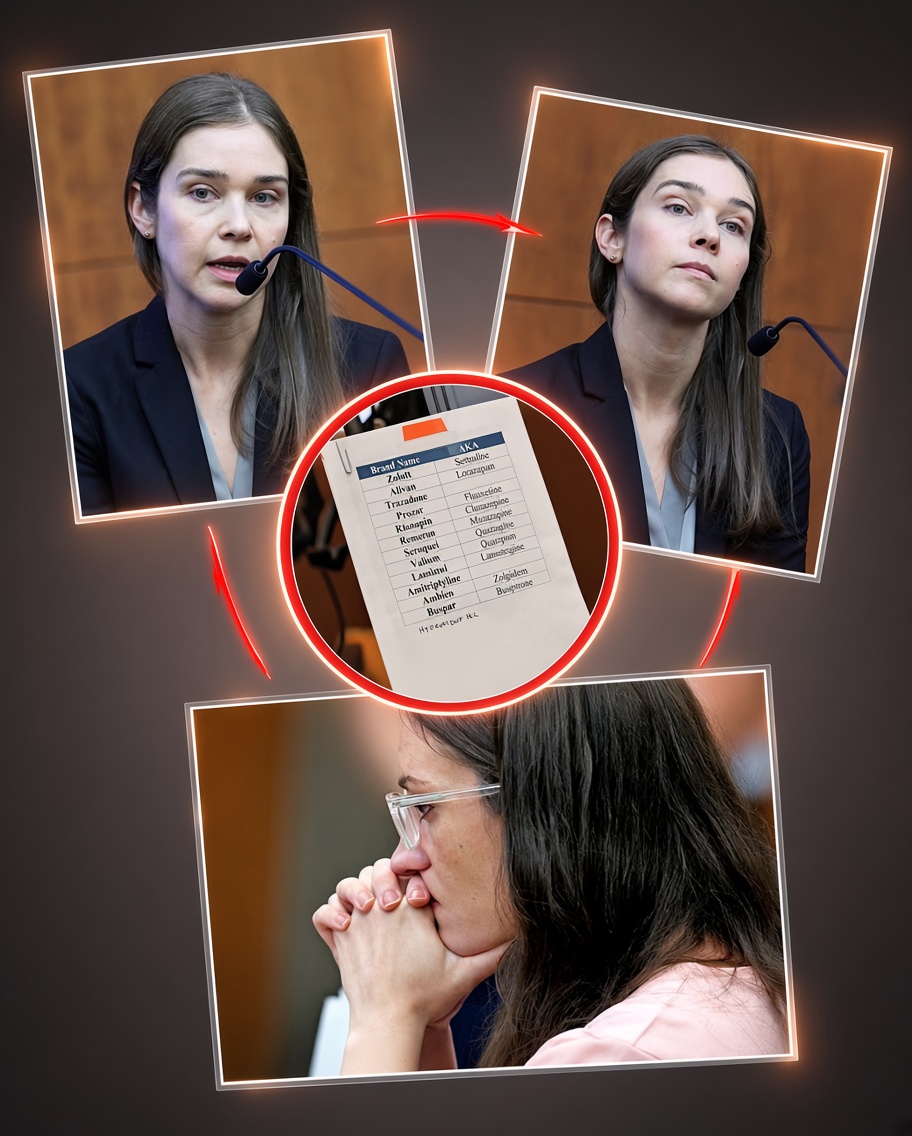
In what is rapidly becoming the most explosive chapter of the trial thus far, Dr. Jennifer Tufts—Clancy’s former psychiatrist—was subjected to hours of combative, relentless questioning by defense attorney Kevin Reddington. The core of Reddington’s devastating cross-examination hinged on a terrifying premise: that Tufts and other medical professionals watched a postpartum mother’s mental state rapidly deteriorate over four months, yet continued to flood her system with a chaotic, ever-changing cocktail of psychiatric drugs.
The tension in Plymouth Superior Court reached a fever pitch as Reddington hammered the doctor on her treatment notes, side effects, and the ultimate, catastrophic outcome of January 24, 2023, when Clancy allegedly strangled her three young children—Cora, Dawson, and Callan—before attempting suicide.
For a deeply polarized public watching the trial clips on TikTok, X, and Reddit, the testimony has ignited a fiery debate: Is Lindsay Clancy a cold-blooded killer, or a victim of severe involuntary intoxication brought on by medical negligence?
The Four-Month Pharmaceutical Spiral
To understand the defense’s strategy, one must look at the dizzying timeline of prescriptions administered to Clancy between September 2022 and January 2023. Reddington meticulously walked the jury through this period, painting a picture of a woman being treated like a pharmaceutical guinea pig.
The trial revealed that when Tufts first treated Clancy in September 2022, she recommended Zoloft (sertraline), a common SSRI used for anxiety and depression. Clancy, who was reportedly fearful of medication side effects, initially hesitated but eventually began taking it in October.
The results, according to Tufts’ own clinical notes, were disastrous. Tufts testified that Clancy felt “awful” after the dosage was increased. She suffered from extreme insomnia, crying spells, diarrhea, and a pervasive “mental fog”. Even more alarmingly, Clancy reported “overnight racing thoughts” and a sudden, paranoid fear of developing suicidal ideation.
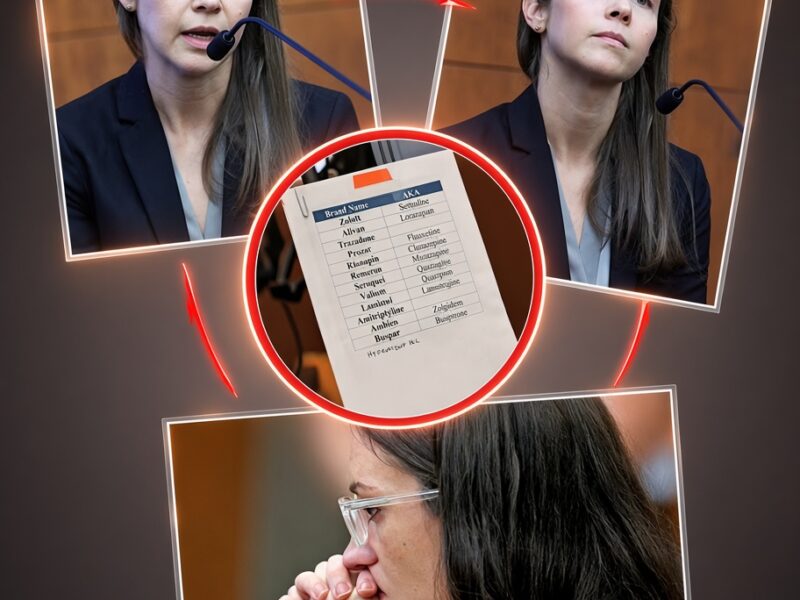
Tufts discontinued the Zoloft, replacing it with Ativan, a benzodiazepine, to manage the acute anxiety. But the pharmaceutical carousel had just begun. Over the next few months, Clancy was prescribed or recommended an astonishing array of drugs—including Buspar, Benadryl for sleep, Valium, Remeron, Seroquel, Trazodone, and Amitriptyline.
Reddington seized on a specific note from Tufts on January 6, 2023, just weeks before the murders. Clancy had just been discharged from a five-day inpatient stay at McLean Hospital, a prestigious psychiatric facility.
“She wasn’t improving and she wasn’t unchanged. She appeared a little bit worse,” Tufts admitted on the stand, noting that Clancy was visibly “deteriorating”.
“You knew she was getting worse?” the defense’s line of questioning demanded, aggressively challenging why the medical intervention consisted of adding and subtracting pills rather than securing long-term, involuntary inpatient care for a woman whose mind was clearly breaking.
The “Black Box” Warning and Pushed Over the Edge
One of the most heated exchanges of the day centered around the FDA’s “black box warning” on SSRIs like Zoloft.
Reddington forcefully asked Tufts if she had warned Clancy that a known side effect of the drug was suicidal thoughts and ideations. Tufts calmly responded that she had not explicitly mentioned it, stating, “That’s specifically in children. So I don’t think I mentioned that because it wasn’t relevant”.
That single answer sent shockwaves through online maternal health communities. On TikTok and X (formerly Twitter), mental health advocates and mothers expressed sheer outrage.
“Dismissing a black box warning for suicide just because the patient is an adult postpartum woman is exactly why the maternal mortality rate is a crisis in this country,” wrote one viral X user in a thread tracking the trial. “They throw pills at these women and ignore the glaring red flags when the pills make them crazy.”
The defense’s ultimate theory culminated with the events of January 16 and January 23. Tufts had prescribed Amitriptyline, an older tricyclic antidepressant. On January 23—the day before the murders—Clancy reported having a racing heart, no motivation, and feeling entirely “numb” with no emotion. Tufts testified that she decided to slowly increase the Amitriptyline dose to help reduce the depression.
Reddington argued that this final medication adjustment essentially “pushed her over the edge,” triggering the catastrophic psychotic break that led to the deaths of the children.
The Prosecution Fights Back: Patient Autonomy and Missing Pills
While the defense painted a picture of a victimized, overmedicated mother, the prosecution fought back fiercely, using physical evidence to dismantle the “involuntary intoxication” narrative.
Prosecutor Jennifer Sprague conducted a sharp re-direct examination, pulling out the actual physical pill bottle of Amitriptyline that was filled on January 16 with 30 pills. Sprague revealed to the jury that only eight pills were missing from the bottle.
If Clancy was only taking one 10mg pill a day, Sprague argued, she could not have been taking the increased 20mg dose that Reddington claimed “pushed her over the edge”. Tufts agreed, stating, “If she didn’t take 20mg, then that’s correct”.
The prosecution also highlighted that Clancy was highly selective about her medication. Tufts confirmed under oath that Clancy was essentially taking her medication “when she decided it was a good time for her to take it”.
This point was echoed by earlier testimony from nurse practitioner Rebecca Jollotta, who noted that while she made recommendations, the patient ultimately “has the autonomy” to follow them or not. The state’s narrative is clear: Lindsay Clancy was not a helpless zombie controlled by doctors; she was a lucid adult who managed her own intake and made calculated decisions—including the decision to murder her children.
A Divided Internet and a Jury’s Dilemma
As the court recessed, the digital battleground of Reddit’s r/TrueCrimeDiscussion and various true-crime Discord servers lit up with debates over accountability.
“The defense wants to put the doctors on trial so Lindsay can get away with murder,” argued one top-voted Reddit comment. “She lied to the doctors, she refused to take the meds as prescribed, and she said she had no plan to harm anyone. You can’t blame the psychiatrist when the patient is manipulating the system.”
Conversely, the “Justice for Lindsay” faction views the trial as a terrifying exposure of a broken system. “She begged for help. She said she felt like she was going to die. She was clearly experiencing severe adverse reactions to these drugs, and their answer was just to give her more drugs,” countered another user. “That is the definition of a medically induced tragedy.”
As the trial hurtles toward its conclusion, the jury faces an incredibly complex task. They must look past the emotional horror of three dead children and dive deep into the pharmacology of postpartum mental healthcare. They must decide where the side effects end and where the true Lindsay Clancy begins.
Did the medical system fail Lindsay Clancy by pushing her into a chemically induced psychosis? Or is the defense weaponizing her psychiatric history to mask the calculated actions of a killer? The answer will not only decide a mother’s fate, but it may also alter how postpartum mental health is treated in America forever.