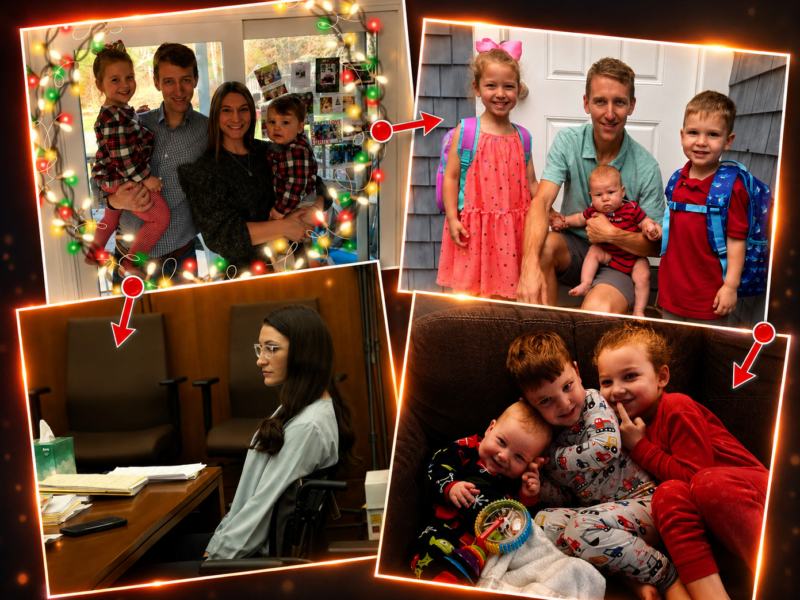
OVERMEDICATED AND TURNED AWAY: Courtroom Bombshell Reveals Lindsay Clancy Was Rejected by Psych Program on Her ‘Worst Day’
A mother pushed to the absolute brink, screaming for a lifeline—and the medical system allegedly slammed the door right in her face. 🚨
On her “worst day,” Lindsay Clancy begged for rescue from dark, terrifying thoughts, but a top psychiatric program rejected her because she was dangerously “overmedicated” by her own doctors. 💊 Was this a horrific, fatal failure by the healthcare system, or is the defense spinning a calculated web of excuses for the unthinkable?
The explosive new courtroom bombshell is tearing the internet apart and changes everything—read the shocking details before the next trial update drops 👇🔥
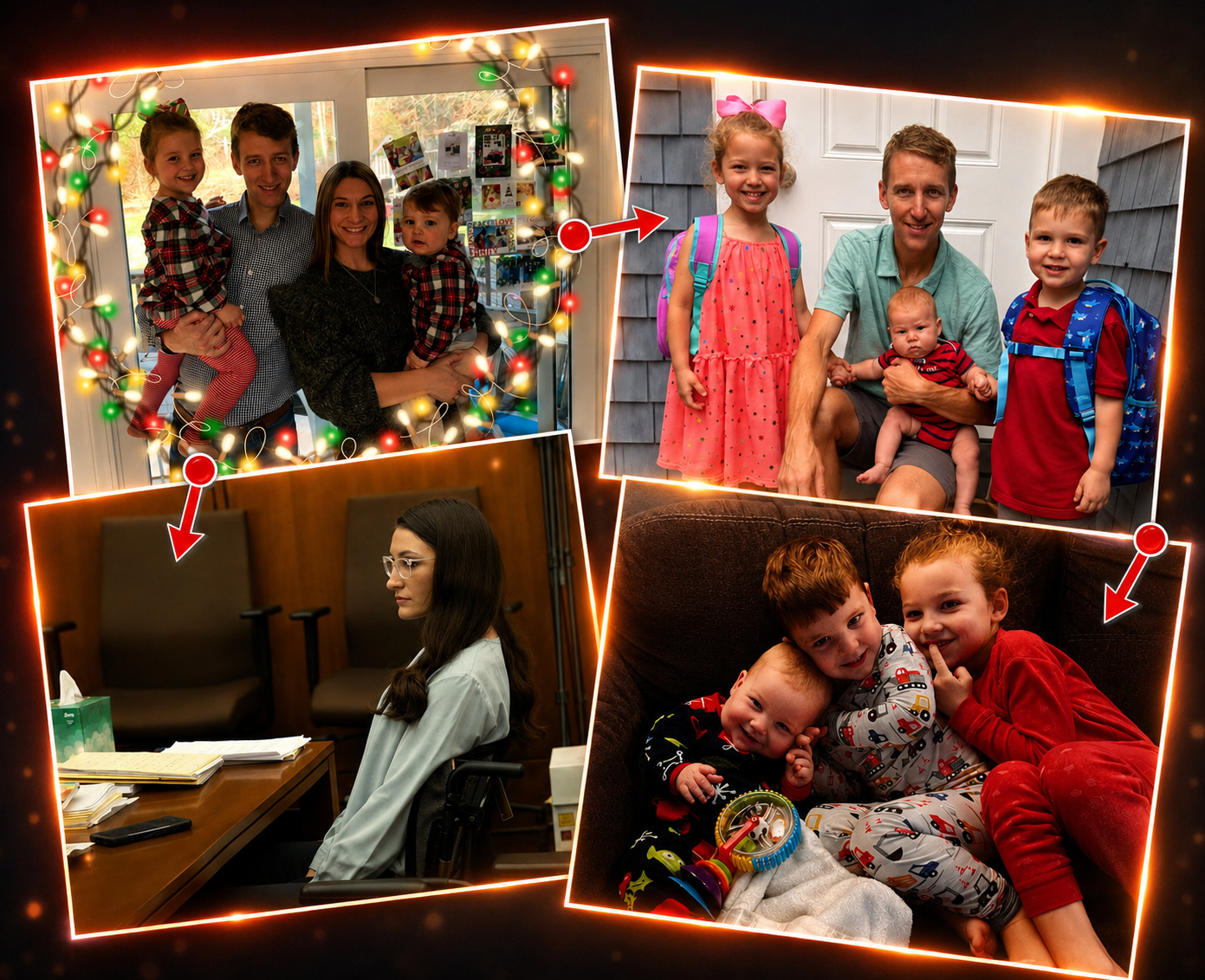
It was exactly one month before the unthinkable happened. December 15, 2022, was described in a Massachusetts courtroom this week as Lindsay Clancy’s “worst day”. Plagued by persistent, dark, and intrusive thoughts of suicide, the 35-year-old mother of three and her husband, Patrick, made a desperate plea for help.
But instead of finding a safe haven, a bombshell courtroom allegation suggests the healthcare system shut its doors on her for a chilling reason: she was already pumped too full of psychiatric drugs.
In a dramatic Tuesday session of the ongoing murder trial that has captivated and divided the nation, defense attorney Kevin Reddington dropped a staggering claim during his cross-examination. He alleged that a specialized postpartum outpatient program refused to admit Clancy because they were terrified she was profoundly “overmedicated” by her prescribing clinicians.
The revelation has set social media ablaze, shifting the fierce public debate from the horrors of the crime itself to the glaring, potentially fatal cracks in the maternal mental health care system. As millions follow the case on platforms like TikTok, X, and Reddit, the harrowing timeline of Clancy’s descent into psychiatric chaos is coming under intense, furious scrutiny.
The “Worst Day” and the Cry for Help
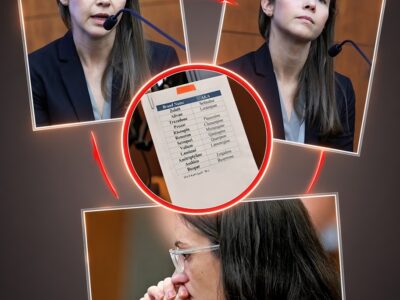
The heart-wrenching details emerged during the testimony of Rebecca Jollotta, a second psychiatric nurse practitioner at South Shore Health who treated Clancy in the critical weeks leading up to the January 24, 2023, tragedy.
According to Jollotta’s testimony, on December 15, 2022, Patrick Clancy called her office with a dire update. It had been a devastating week, and that specific Thursday was Lindsay’s “worst day”. She was drowning in horrible, intrusive thoughts of ending her own life, prompting Jollotta to advise the couple to head immediately to the emergency room at Massachusetts General Hospital, which houses a dedicated psychiatric unit. Jollotta testified that she strongly recommended inpatient care.
Clancy did go to the ER, but in a decision that now looms as a tragic turning point, she opted to remain an outpatient. She subsequently attempted to attend a program at the Women and Infants Hospital of Rhode Island.
It was here that Reddington unleashed his courtroom thunderbolt.
“Did you know that in fact they wouldn’t accept her into the postpartum program because of their concern she had been overmedicated by drugs and they wanted to find out?” Reddington fired at Jollotta.
Jollotta, maintaining her composure on the stand, simply replied, “I can’t speak to that”.
After less than a week, Clancy was discharged from the Rhode Island program. Jollotta testified she was deeply concerned by the discharge. By December 30, Patrick Clancy was calling again, stating his wife was safe but desperately wanted to be admitted to McLean Hospital, a prestigious psychiatric facility in Belmont, Massachusetts.
“I’m desperate and really need help,” Jollotta recalled Clancy telling her during this frantic period. Yet, remarkably, when asked by prosecutors if she ever suspected Clancy was suffering from postpartum psychosis—the severe condition that the defense argues drove her to strangle her three young children—Jollotta was unequivocal: “I did not”.
The Toxic Cocktail: A Timeline of Chemical Chaos
The allegation that Clancy was “overmedicated” is not just courtroom theatrics; it is heavily corroborated by a dizzying, terrifying timeline of prescription changes that digital sleuths and true-crime communities have been meticulously tracking.
On Reddit’s r/TrueCrimeDiscussion and r/CasesWeFollow, users have compiled extensive logs based on civil lawsuits and trial testimonies, painting a picture of a woman treated like a pharmaceutical guinea pig.
In October 2022, Clancy reported feeling “awful” with extreme insomnia and racing thoughts after an increase in her Zoloft dosage. By November, the spiral accelerated. In a span of just a few weeks, she was allegedly prescribed a chaotic cocktail of heavy-duty psychiatric medications.
According to community-compiled timelines drawn from court records, after a brief, failed stint on Prozac in late November, a different nurse practitioner allegedly prescribed Ambien, Remeron, and Klonopin—all at once. The results were catastrophic. Following a dose of Remeron, Clancy reportedly experienced severe dissociation, describing the world as distorted and unreal, leaving her confused and unable to drive.
When she switched to Jollotta’s care on November 29, bipolar disorder was considered, and Seroquel was introduced. Days later, Patrick Clancy allegedly connected his wife’s escalating suicidal thoughts directly to the Seroquel. By December 6, she was prescribed Valium.
This pharmaceutical whiplash—Zoloft, Prozac, Ambien, Remeron, Klonopin, Seroquel, Valium—was administered to a sleep-deprived, postpartum mother in a matter of weeks. For the defense, this is the smoking gun: a severe, chemically induced psychosis born from medical negligence.
Social Media Erupts: Murderer or Victim of Malpractice?
The revelation of the “worst day” and the alleged rejection from the outpatient program has poured gasoline on an already raging online fire. On TikTok, where the #LindsayClancy hashtag has amassed hundreds of millions of views, the public is violently polarized.
“She begged for help. Her husband begged for help. They went to the ER, they called the nurses, they tried to get into a program, and the system literally said ‘No, you have too many drugs in your system’—drugs THE SYSTEM gave her!” vented one viral TikTok creator. “This wasn’t just a failure; it was a setup for tragedy.”
In Discord servers and X (formerly Twitter) threads dedicated to maternal health, mothers are expressing profound outrage. The narrative is shifting toward a sweeping indictment of how postpartum mental health is handled in America. “They throw pills at mothers instead of offering real, monitored therapy. The ‘overmedicated’ defense isn’t an excuse; it’s an indictment of our healthcare system,” read one highly engaged post.
However, the sympathy is far from universal. The comment sections on mainstream conservative outlets, along with vocal factions on Reddit, remain staunchly focused on justice for the true victims: five-year-old Cora, three-year-old Dawson, and seven-month-old Callan.
“She had the wherewithal to use Apple Maps to time how long her husband would be gone so she could meticulously carry this out,” argued a top comment on a recent X thread. “Being overmedicated doesn’t teach you how to meticulously plan a triple homicide. She is looking for a scapegoat.”
Prosecutors echo this sentiment, painting a picture of a woman who, while undoubtedly struggling with severe depression, acted with calculation. They point to the fact that medical professionals like Jollotta saw no signs of psychosis—only extreme anxiety and depression. They argue that Clancy’s actions were deliberate, not the result of a sudden, medication-induced psychotic break.
The Stakes: A Battle for the Truth
As the trial hurtles forward in Plymouth Superior Court, the jury of 12 women and six men faces an agonizing task. They must sift through complex medical jargon, conflicting psychiatric evaluations, and the unbearable emotional weight of three dead children.
If convicted of first-degree murder, Lindsay Clancy will spend the rest of her life in a Massachusetts state prison without the possibility of parole. If the jury accepts Reddington’s defense—that she was overmedicated into a state of involuntary intoxication or postpartum psychosis, rendering her not criminally responsible—she will be committed to a state psychiatric hospital.
Tuesday’s testimony regarding December 15 guarantees that the role of the medical establishment will be on trial just as much as Lindsay Clancy herself. Was she a cold-blooded killer masking her intentions behind a smokescreen of psychiatric complaints? Or was she a desperate mother, screaming into the void, only to be handed another pill and turned away at the threshold of salvation?
As the courtroom doors close for the day, the internet continues to rage, searching for answers in a tragedy where there are no winners, only victims.