Beyond the Netflix Spotlight: True-Crime Community Re-examines the Idaho Murders Through Alternative Lens
Millions of people watched Netflix’s The Idaho Murders: College Nightmare, but according to true-crime experts and investigators, we might only have the tip of the iceberg… 🔍⚖️
From disputed timelines to forensic evidence that Netflix barely touched, six other documentaries are currently dropping bombshells that completely shift the narrative surrounding Bryan Kohberger. Fans are already in a heated debate after a specific, overlooked detail in one of these docs is being called the “game changer” that rewrites everything we thought we knew about that night in Moscow.
Do you know what the investigation missed? The truth might be far more complex than you think. 👇
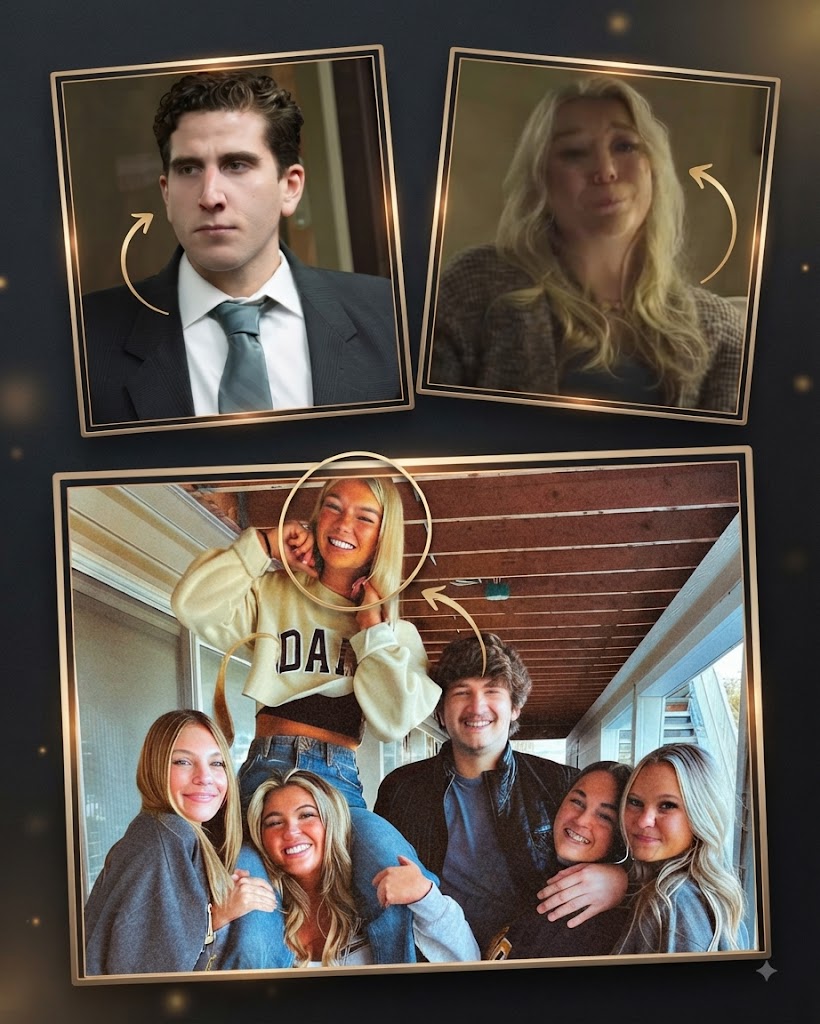
The 2022 tragedy in Moscow, Idaho—resulting in the deaths of University of Idaho students Madison Mogen, Kaylee Goncalves, Ethan Chapin, and Xana Kernodle—remains one of the most scrutinized criminal investigations in modern American history. While Netflix’s recent production, The Idaho Murders: College Nightmare, brought the harrowing details of the case to a global audience, it has simultaneously triggered a surge in interest toward alternative investigations. True-crime enthusiasts and researchers are now turning to six lesser-known documentaries, arguing that these projects explore forensic nuances and timeline discrepancies that the Netflix special opted to simplify or omit.
Unpacking the Disputed Timelines
At the heart of the renewed online debate are the precise movements of the victims and the defendant, Bryan Kohberger, on the night of November 13, 2022. While mainstream reporting has largely adhered to the prosecution’s established timeline, several independent documentaries currently circulating on streaming platforms and forensic-focused YouTube channels point to conflicting witness testimonies and cellular data anomalies.
These alternative works argue that the sequencing of events—specifically the timing of the victims’ last known interactions and the speed at which Kohberger’s vehicle was captured on traffic cameras—warrants further scrutiny. By utilizing maps, drone footage, and granular analysis of public police records, these documentaries attempt to challenge the established narrative, often raising questions that have become central talking points on platforms like Reddit’s r/IdahoMurders and various true-crime Discord servers.
Forensic Evidence Under the Microscope
Perhaps the most significant friction point lies in the interpretation of the forensic evidence. While Netflix’s narrative centers on the DNA evidence found on a knife sheath and the digital footprints attributed to Kohberger, other investigative documentaries have spent substantial time analyzing the crime scene logistics.
One particular documentary—which has gained significant traction for its deep-dive approach—focuses on the architectural layout of the King Road residence and the “acoustic evidence” gathered from nearby security systems. Viewers have cited this specific segment as a turning point in their understanding of the investigation, claiming it highlights inconsistencies in how the crime may have unfolded within the limited timeframe provided by the state. This angle has fueled speculation regarding the presence of potential accomplices or alternative theories, topics that have been largely sidelined in more conventional media summaries.
A Community Divided by Detail
The true-crime community remains deeply divided over the value of these alternative documentaries. Critics argue that some of these projects risk muddying the waters of an active legal case, potentially spreading misinformation that could impact jury perception or cause further distress to the families involved. Conversely, proponents argue that a “multitude of voices” is necessary to maintain public oversight of high-profile cases involving law enforcement and judicial processes.
As Bryan Kohberger’s trial continues to be a focal point of intense legal and media preparation, the existence of these varying narratives highlights a broader shift in how modern true-crime consumers engage with justice. Audiences are no longer content with a single, linear documentary; they are actively seeking out contradictory evidence, cross-referencing public records, and participating in an ongoing, decentralized investigation that continues to evolve long after the headlines fade.
Whether these alternative theories ultimately prove to be prophetic or simply part of the intense, hyper-online culture of true-crime consumption, they serve as a reminder of the public’s insatiable desire for total transparency in the face of such a profound loss.