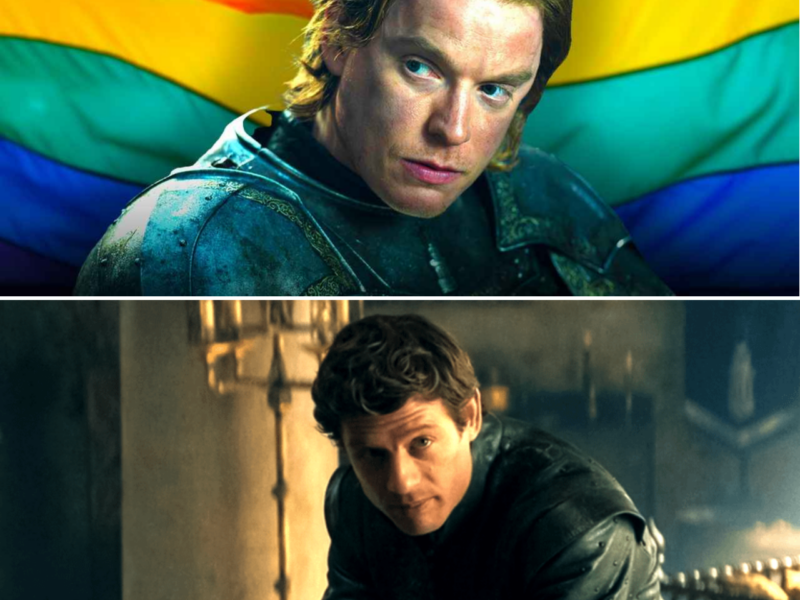
Unmasking the Hightower Insinuations: Is Gwayne Hightower Gay in ‘House of the Dragon’?
IS GWAYNE HIGHTOWER HIDING A SECRET? 🏳️🌈⚔️
The House of the Dragon fandom is currently spiraling over a major insinuation from Season 3! After that tense reunion at Tumbleton, Ormund Hightower didn’t hold back, firing off biting, personal insults that have fans convinced he was mocking Gwayne Hightower for his sexuality. 🐍
From “brother in arms” jokes to derogatory comments about bathing habits, the tension between these cousins is hitting an all-time high. But is it just petty rivalry, or a deliberate clue about Gwayne’s true self? Theories are exploding online—and even Gwayne’s sharp eye for “comely” men is being dragged into the debate! 🏰👀
Get the full breakdown of the evidence here: 👇👇👇
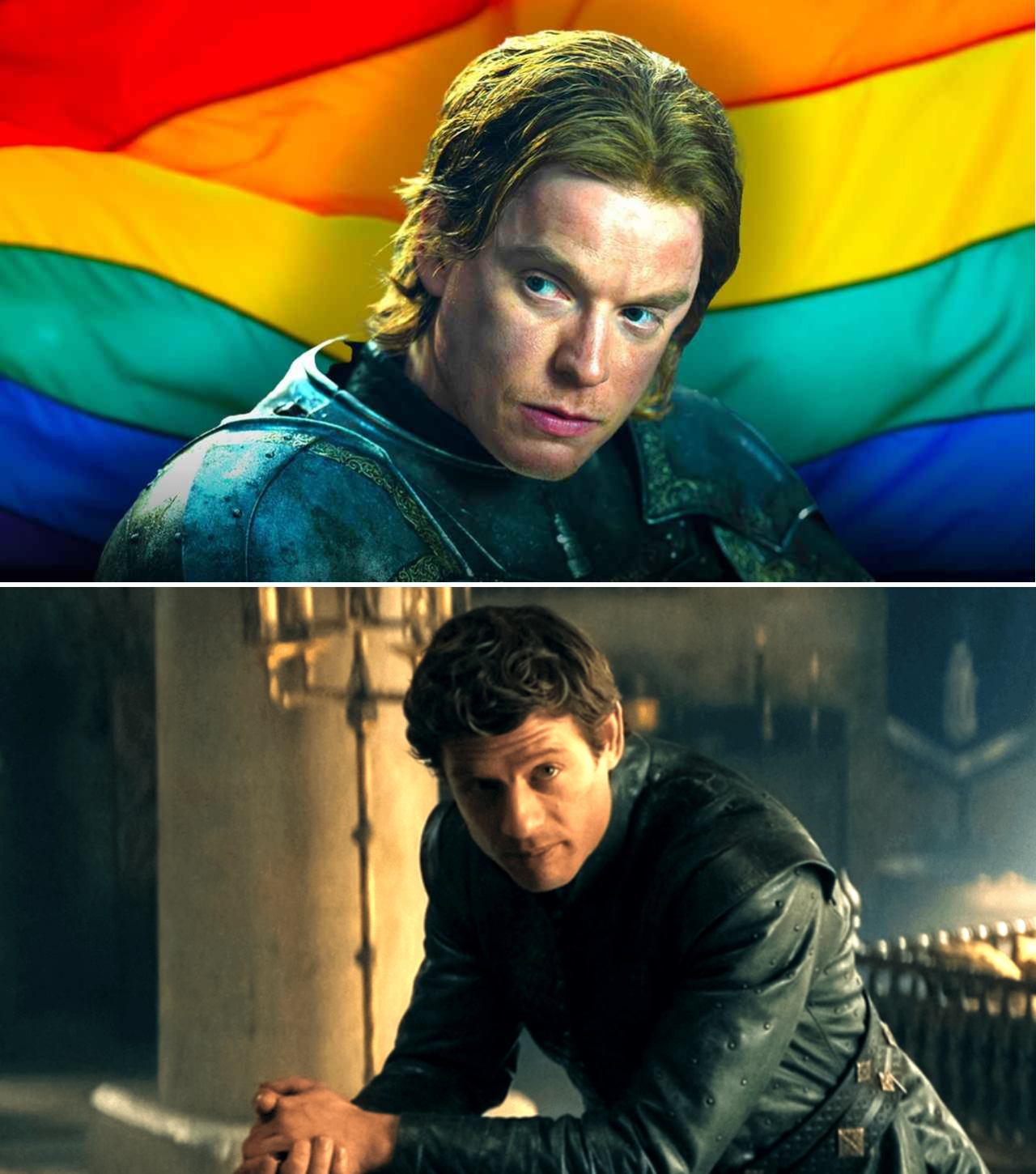
The Dance of the Dragons is a conflict defined by power, succession, and blood, but House of the Dragon Season 3 has introduced a layer of personal scrutiny that has fans debating the sexuality of one of the Hightower family’s most stoic members: Ser Gwayne Hightower.
While the show remains primarily focused on the grand-scale maneuvering of the Targaryen civil war, the recent episode “Faceless Men” provided a rare moment of character-driven tension. During a fraught reunion at Tumbleton, Gwayne’s first cousin, Ormund Hightower, unleashed a series of cutting insults that have led many viewers to conclude that the series is leaning into the implication that Gwayne is gay.
The Source of the Insinuation
The friction between Gwayne and Ormund is palpable. Ormund, defined by his narcissistic desire to manipulate the young Daeron Targaryen for his own gain, view’s Gwayne’s presence as a threat to his authority. However, Ormund’s attacks against Gwayne transcend mere political rivalry.
During their time at Tumbleton, Ormund targeted Gwayne with snide, thinly veiled remarks. When Gwayne discussed the physical hardships of life on the road—specifically the lack of a proper bed—Ormund retorted, “I’m sure you’ve found solace in your brother in arms.” The comment, dripping with disdain, was widely interpreted by the audience as a direct mockery of Gwayne’s suspected sexual orientation.
Later, the antagonism intensified when Ormund instructed Daeron to ensure Gwayne took a bath, pointedly warning Daeron to “keep his back against the wall.” To many viewers, the subtext of these remarks functioned as a medieval equivalent to real-world derogatory tropes, signaling that Ormund is not only aware of Gwayne’s sexuality but uses it as a weapon to belittle him in front of their kin.
The “Comely” Clue
Beyond Ormund’s barbs, fans have pointed to Gwayne’s behavior during an ambush by Rhaenyra’s assassins. After the skirmish, Gwayne immediately identified the imposter posing as Arrion Baratheon. His reasoning—that the real Arrion is a different height, has a different hair color, and is more “comely”—has become a focal point of debate.
While defenders argue that Gwayne’s highborn upbringing necessitates a deep knowledge of Westerosi lineages, proponents of the theory argue that the specific focus on the assassin’s attractiveness—his “comeliness”—is a coded detail that points to Gwayne’s interests. In a show that often uses subtle dialogue to define character traits, this moment is being scrutinized as a deliberate, if quiet, signal about Gwayne’s private life.
The George R.R. Martin Tradition
It is important to note that House of the Dragon often employs the same narrative techniques used by George R.R. Martin in his source material. The author is known for depicting queer characters without explicit, modern labels, opting instead for subtle hints and social context.
From the nuanced relationship between Renly Baratheon and Loras Tyrell in the books, to the broader implications found throughout the A Song of Ice and Fire canon, Martin’s world often leaves these details for the reader to infer. House of the Dragon appears to be adopting this approach with Gwayne. There has been no on-screen confirmation of his sexuality, and we have yet to see him in a romantic context. However, the show is clearly providing enough breadcrumbs for the audience to draw their own conclusions.
Why It Matters
The debate over Gwayne’s sexuality is emblematic of the show’s shift toward character depth. While House of the Dragon is praised for its plot-driven intensity, these small, interpersonal moments are what ground the characters in reality. By highlighting Gwayne as someone who navigates a society defined by rigid expectations while potentially hiding a fundamental part of himself, the show adds a layer of vulnerability to his otherwise honorable and duty-bound persona.
As the war for the Iron Throne reaches its boiling point, whether Gwayne Hightower’s sexuality is explicitly confirmed remains to be seen. What is clear, however, is that the show’s writers are comfortable letting the implications speak for themselves. Whether viewed as an act of cruel mockery from Ormund or a quiet truth about Gwayne, these insinuations have turned a side character into the subject of one of the season’s most engaging character studies.
As Tumbleton becomes a chessboard for the war, one thing is certain: the Hightower family’s internal conflicts are just as dangerous as the dragons they command.