The Resynced Effect: Why Assassin’s Creed is Returning to Its Roots
Ubisoft is officially changing the future of Assassin’s Creed. ⚔️🔥
Assassin’s Creed Black Flag Resynced isn’t just a win; it’s a total game-changer. With 2 million copies sold on DAY ONE and a massive surge in player count on Steam, the message is loud and clear: the era of the massive, fatigue-inducing RPG monolith is over.
But what does this mean for the future of the Creed? Rumors are swirling about Code Name Stardust (a potential AC1 remake for its 20th anniversary), a linear return-to-form with Assassin’s Creed Hex, and even a massive, high-budget Netflix adaptation being shot on location in Italy. Is Ubisoft finally pivoting back to the narrative-heavy, passionate roots that made the series a legend?
The corporate cycle is brutal—and the recent layoffs at Ubisoft Barcelona are a harsh reminder of the human cost behind these hits—but the future of the series has never looked this transformative. Don’t get left behind. 👇
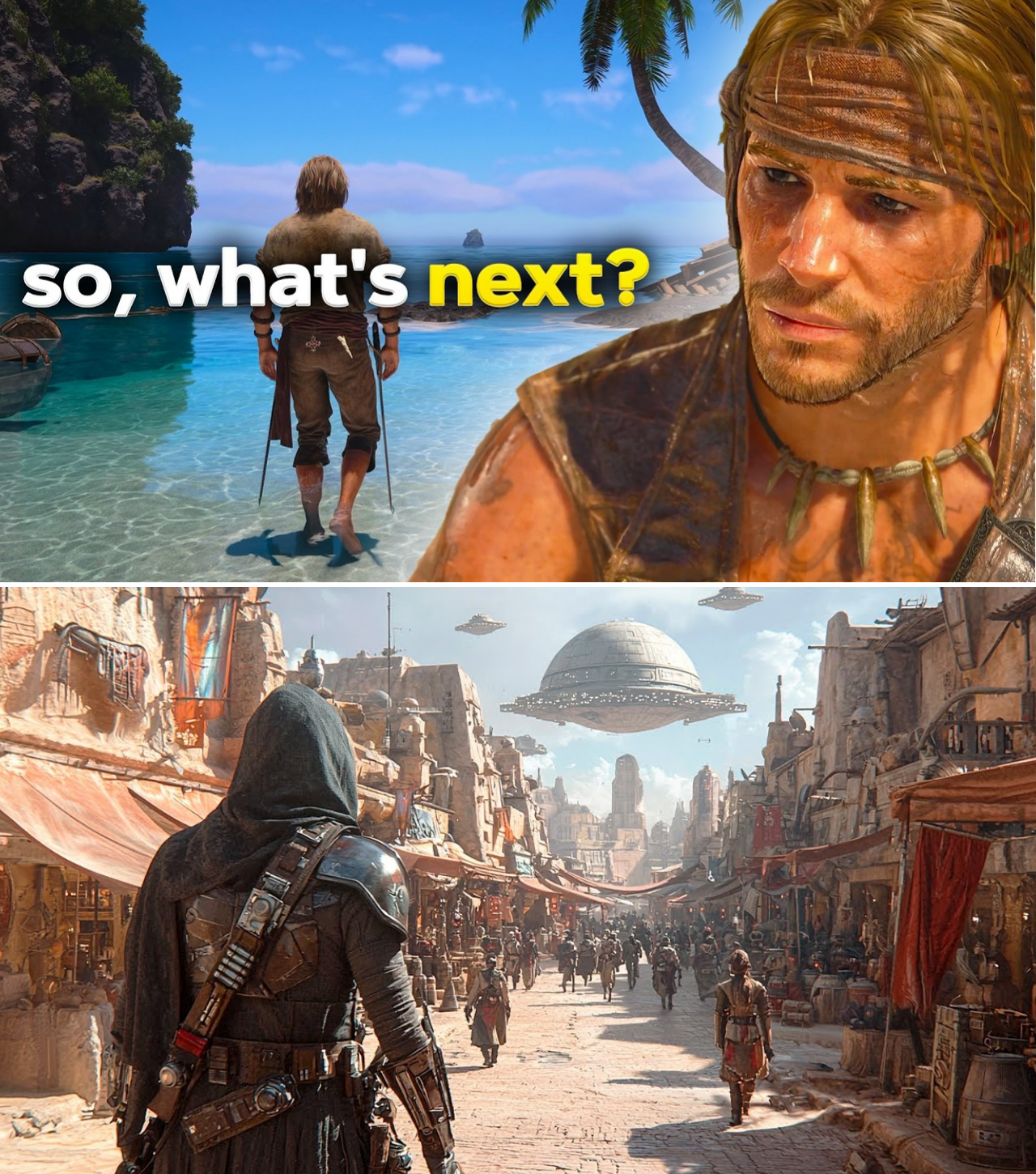
The success of Assassin’s Creed Black Flag Resynced has sent shockwaves through the industry, and it isn’t just because of the pirate adventure itself. By shifting 2 million copies in its first 24 hours and peaking at over 100,000 concurrent players on Steam, the game has provided Ubisoft with an undeniable data point: players are exhausted by the “endless RPG” formula and are hungering for the narrative-heavy, focused experiences of the past.
A Pivot in Strategy
For nearly a decade, the Assassin’s Creed franchise leaned heavily into sprawling, level-gated RPGs. While commercially successful, these titles often left the core fanbase feeling fatigued by repetitive “map clearing.” Black Flag Resynced has effectively signaled the end of this era. Industry analysts now suggest that Ubisoft is pivoting toward a strategy similar to Capcom’s highly successful Resident Evil remake model: utilizing established, beloved blueprints to deliver high-quality, modernized experiences.
The “Stardust” Roadmap: Remakes and Revivals
The roadmap ahead is reportedly ambitious. Leaks point to a project titled Code Name Stardust, widely speculated to be a full-scale remake of the original Assassin’s Creed in time for its 20th anniversary. Fans are particularly vocal about one demand: preserve the integrity of the Desmond Miles saga.
Meanwhile, the next mainline entry, Assassin’s Creed Hex, promises a shift toward a more atmospheric, linear structure. With lead writer Darby McDevitt—a veteran of Black Flag and Revelations—at the helm, there is genuine hope that Hex will recapture the series’ lost narrative magic.
The Bittersweet Reality: The Human Cost
While the commercial triumph of Resynced is being celebrated, the news of 51 layoffs at Ubisoft Barcelona—a team instrumental to the project—has cast a long shadow. As the industry celebrates the “comeback” of the franchise, the human cost remains a sobering reality, highlighting the volatility of modern development cycles where even “multi-million dollar hits” do not guarantee job security.
Hope for the Netflix Horizon
Finally, the upcoming Netflix live-action series is beginning to show promise. Eschewing heavy green-screen reliance, production is currently underway across historic Italian locations like Florence and Lucca. With a “mind-blowing” budget and a cast that includes Lewis McCartney, there is a tangible effort to move away from the generic tropes of previous adaptations.
Conclusion: The Path Forward
The future of Assassin’s Creed is currently in a state of transformation. By looking backward, Ubisoft has accidentally discovered that the most sustainable path forward involves embracing the passion, narrative depth, and focused gameplay that defined the series in its infancy. Whether this marks a permanent shift remains to be seen, but for the first time in years, the franchise feels like it has found its compass again.