THE TES6 MELTDOWN: Leaks Reveal Internal Turmoil, Engine Disasters, And Why Todd Howard’s Final Masterpiece Might Be Dead On Arrival
🧠 BETHESDA JUST RIPPED REEDEMER TRUTH! The horrifying secret behind The Elder Scrolls 6 development is finally out! 🛑
It’s been nearly a DECADE since that original 30-second teaser trailer, and the latest leaks coming straight out of Xbox and Bethesda insiders have confirmed our worst nightmares. Leaked details surrounding the actual state of Todd Howard’s ultimate fantasy RPG reveal why the game has been systematically trapped in development hell—and it involves a complete engine crisis and a terrifying creative pivot that could fundamentally ruin the franchise forever. Fans are absolutely losing their minds on Reddit and X as the realization sinks in that Bethesda might be gearing up for the biggest corporate disaster in gaming history. Are we actually looking at a total cancellation risk, or is it going to release as a completely unrecognizable, broken mess? 😱⚔️
The full, unfiltered truth behind the gaming world’s most mysterious project has just dropped. Check it out right now! 👇
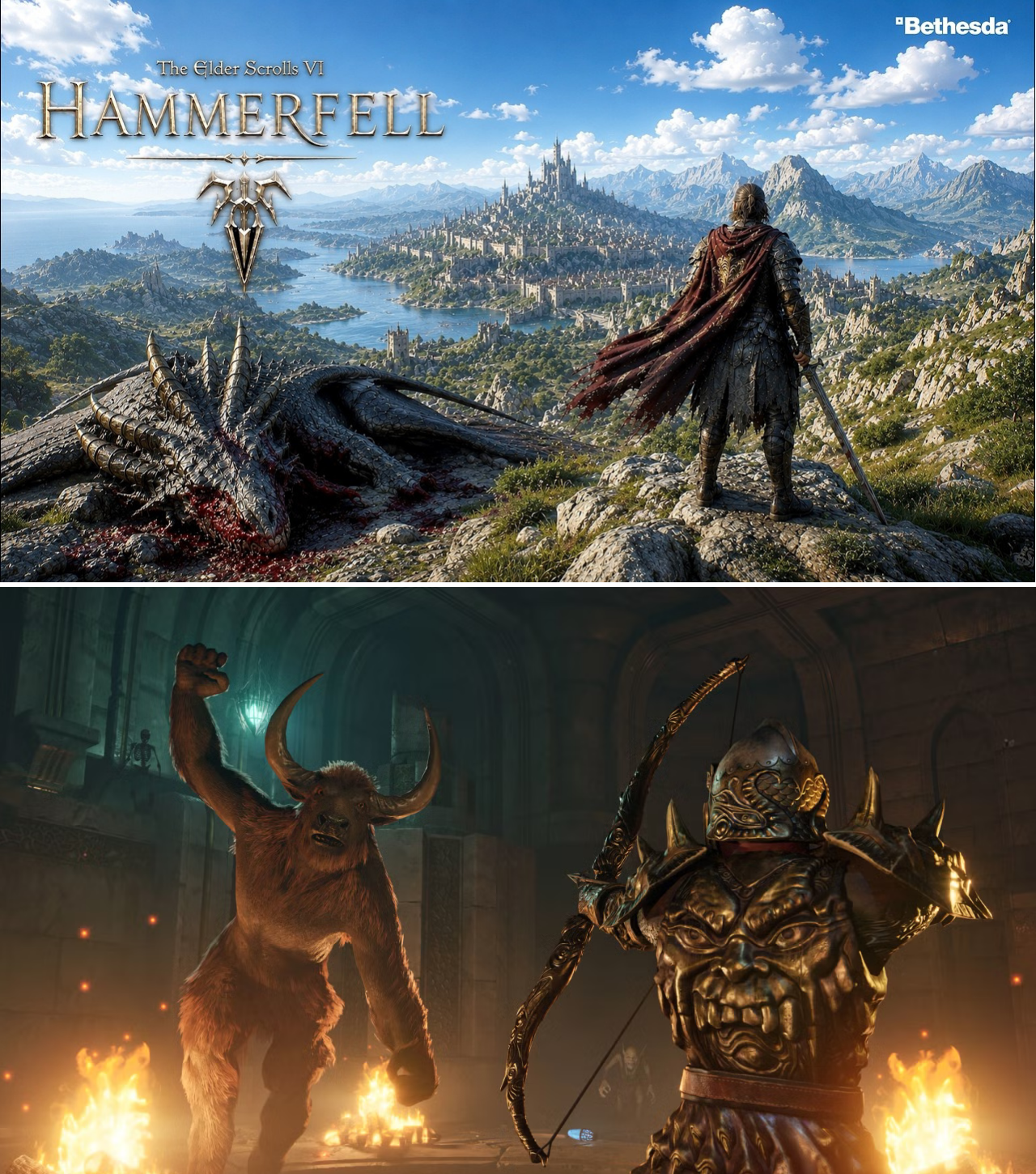
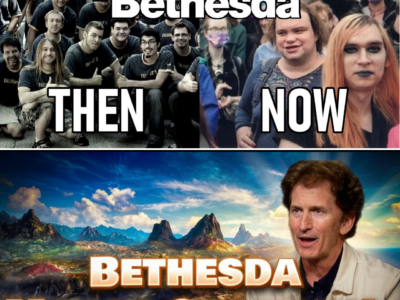
It has been nearly eight years since Bethesda Game Studios took the stage at E3 2018 to announce The Elder Scrolls VI (TES6) with a simple, panning 36-second cinematic shot of a mountain range. At the time, the teaser sent shockwaves through the entertainment industry, assuring millions of fans that the legendary follow-up to Skyrim was officially on the horizon. Fast forward to the present day, and that horizon has completely vanished. What was meant to be the crown jewel of Xbox’s studio acquisitions has instead transformed into the industry’s most notorious phantom.
Now, a massive wave of insider leaks, developer movements, and community red flags are painting a deeply troubling portrait of what is happening behind closed doors at Bethesda. The gaming community across Reddit, X, and various enthusiast discords has shifted from eager anticipation to pure panic. The emerging consensus among prominent gaming analysts is that The Elder Scrolls VI is trapped in a devastating loop of developmental paralysis, technical limitations, and creative identity crises that could spell disaster for the once-beloved studio.
The Phantom Game: A Decade of Nothing
The core of the community’s outrage stems from the sheer passage of time without a single scrap of tangible information. The Elder Scrolls V: Skyrim originally launched in 2011, defining an entire generation of open-world RPG design. As the years bleed into the late 2020s, fans are realizing they have waited over a decade and a half for a proper sequel, with nothing to show for it but a logo.
“Every single day that passes without gameplay or concrete updates makes the community more suspicious,” noted a prominent gaming commentator in a viral deep-dive on the game’s ongoing production struggles. “We are looking at a scenario where a game was announced almost a decade ago, yet insider documents suggest it only entered full production relatively recently following the messy rollout of Starfield.”
The long shadow of Starfield looms heavily over the development of TES6. Bethesda spent years pouring the vast majority of its creative resources, workforce, and marketing budgets into their space-faring IP. However, the lukewarm critical and fan reception to Starfield—which many criticized as outdated, heavily loading-screen-reliant, and emotionally sterile—has forced Bethesda into a defensive corner. The studio can no longer rely on its classic formula to win over modern audiences, throwing the entire foundational design of TES6 into absolute chaos.
The Creation Engine 2 Crisis: An Antique Foundation
At the absolute center of the technical panic is Bethesda’s stubborn reliance on its proprietary software architecture, the Creation Engine 2. While the engine was heavily upgraded to support the procedural generation and planetary scales of Starfield, industry technical experts argue that the core framework remains fundamentally antiquated compared to modern competitors utilizing Unreal Engine 5.
Leaked internal discussions from Bethesda developers suggest that the studio is fighting a losing battle against its own tools. The engine’s rigid physics limitations, infamous cell-loading systems, and outdated animation pipelines are severely clashing with the grand, hyper-immersive world Todd Howard allegedly wants to build for the next Tamriel adventure.
The technical dilemma is severe: if Bethesda builds TES6 on the exact same engine foundation as Starfield, the game risks looking and feeling obsolete the day it launches. Rumors circulating within Xbox enthusiast circles suggest that Microsoft executives have quietly pressured Bethesda to overhaul large portions of the game’s code, leading to massive internal friction and shifting targets that have quietly pushed the projected release date further into the future than anyone dares to publicly admit.
The Structural Bottleneck: The Creation Engine’s reliance on legacy scripting methods means that adding complex modern mechanics—such as seamless city transitions, advanced destructible environments, and highly reactive AI systems—often breaks the game’s stability entirely, forcing developers to continuously compromise their creative vision.
Creative Identity Crisis: The Live-Service Temptation
Beyond the technical nightmares, community watchdogs are terrified of a potential creative pivot within Bethesda. Over the last few years, parent company Microsoft has made it explicitly clear that it values high-engagement, recurring-revenue products to feed the Xbox Game Pass ecosystem.
This corporate pressure has fueled rampant speculation on r/Gaming and r/ElderScrolls that TES6 might not be the pure, uncompromising single-player epic fans are expecting. Rumors suggest that developers have actively experimented with implementing subtle multiplayer components, persistent online elements, or aggressive “Creation Club” microtransaction storefronts directly into the core gameplay loop.
The fear that Bethesda will compromise the sanctity of a mainline Elder Scrolls title to satisfy corporate monetization quotas has pushed the community to the brink of a full revolt. Fans point to the disastrous launch of Fallout 76 as clear evidence that when Bethesda attempts to force live-service elements into their traditional RPG design, the results are catastrophic.
The Todd Howard Legacy and the Risk of Total Collapse
For Executive Producer Todd Howard, The Elder Scrolls VI is widely considered to be his creative swansong—his final massive project before potentially stepping back from his historic role as the face of Bethesda. The pressure to deliver a historical masterpiece that eclipses Skyrim is immense, but the current corporate and technological landscape makes that goal look increasingly impossible.
The internet’s patience has completely run out. If the game launches and fails to immediately capture the cultural zeitgeist the way Skyrim did, it could permanently destroy the Bethesda brand name. The studio’s reputation took massive hits from Fallout 76 and Starfield, leaving them with zero remaining goodwill in the bank.
The Verdict: A Mythical Horizon
The Elder Scrolls VI is rapidly morphing from an anticipated game into a cautionary tale of modern AAA game development. The combination of an ancient engine foundation, severe production delays caused by Starfield, potential corporate interference regarding live-service features, and a deafening lack of official transparency has created an atmosphere of profound dread.
Bethesda is currently holding a tiger by the tail. They cannot afford to rush the game out as a broken mess, yet every single year they spend delaying it further increases the impossible, gargantuan expectations of a fan base that has been waiting since 2011. If the current wave of insider leaks is any indication, the road to the next chapter of Tamriel is paved with corporate chaos and technical nightmares. Unless Todd Howard can pull off an absolute miracle, The Elder Scrolls VI risks becoming the most expensive, overhyped disappointment in the history of interactive entertainment.