Psychologists Examine “Dark Triad” Traits Following Conviction in Murder of Adopted Toddler Preston Davey
The murder of adopted toddler Preston Davey has prompted renewed discussion among psychologists and criminologists about the personality characteristics sometimes associated with extreme acts of violence, including a group of traits commonly referred to as the “Dark Triad.”
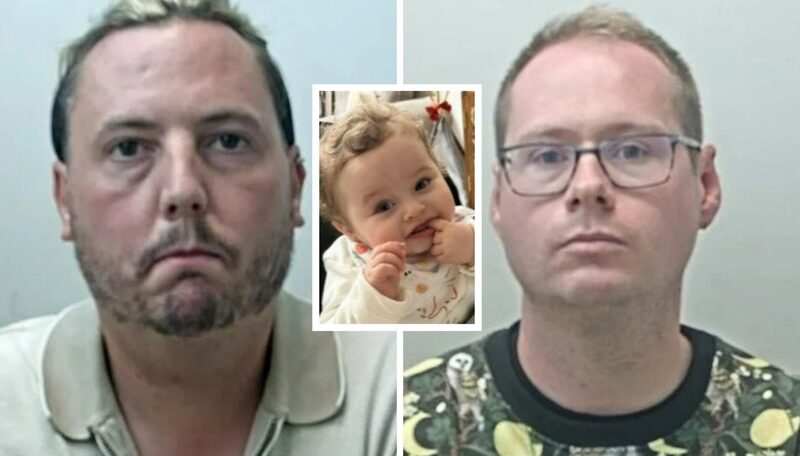
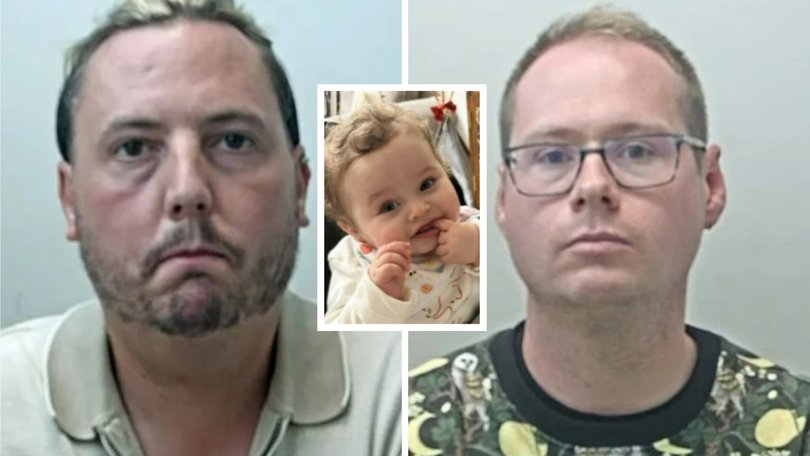
The discussion follows the conviction of Jamie Varley, a former teacher and safeguarding lead who received a whole-life prison sentence after being found guilty of murdering 18-month-old Preston. The court heard extensive medical, forensic, and digital evidence documenting the abuse the child endured before his death.
Experts discuss “Dark Triad” personality traits
Following the conclusion of the trial, psychologists commenting on the case have referenced the concept known as the “Dark Triad”—a term used in psychology to describe the coexistence of three personality traits: psychopathy, narcissism, and Machiavellianism.
Researchers emphasize that the “Dark Triad” is a theoretical framework used to study personality characteristics and does not constitute a clinical diagnosis. It also cannot be used to determine criminal responsibility for any individual without appropriate psychological assessment.
Commentators discussing the Preston case have noted that some behaviors described during the trial have prompted broader conversations about how manipulative, callous, and controlling conduct can sometimes appear in cases involving severe child abuse.
Digital evidence became a central part of the prosecution’s case
During the trial, prosecutors presented digital evidence recovered from electronic devices seized during the investigation.
According to evidence heard in court, investigators discovered numerous videos documenting Preston’s treatment inside the family home.
Prosecutors argued the recordings demonstrated repeated acts of abuse rather than isolated incidents and showed that the child was subjected to prolonged suffering over an extended period.
The recordings formed part of the prosecution’s evidence presented to the jury and were considered alongside medical findings, forensic evidence, and witness testimony.
Court hears allegations of repeated abuse
Jurors were told that some recordings showed Preston being deliberately prevented from sleeping, while others allegedly documented abusive treatment that prosecutors argued reflected a pattern of sustained cruelty.
Because of the graphic and distressing nature of the material, much of the evidence was not released publicly.
The jury viewed selected portions during the trial, while prosecutors summarized additional recordings as part of their case.
Medical experts also testified regarding the extensive injuries Preston sustained before his death, explaining that the evidence was consistent with repeated episodes of abuse rather than an isolated event.
Whole-life order imposed
After hearing weeks of evidence, the jury found Jamie Varley guilty of murder.
The trial judge imposed a whole-life order, one of the most severe sentences available under English law, meaning Varley will never be eligible for parole.
In sentencing remarks, the judge described the abuse inflicted on Preston as exceptionally serious and noted the sustained nature of the offending revealed during the investigation.
Broader questions about child protection
The case has prompted renewed examination of adoption procedures and safeguarding systems throughout England.
Officials have indicated that relevant agencies are reviewing the circumstances surrounding Preston’s placement to determine whether improvements can be made to better protect vulnerable children in the future.
Child protection specialists have emphasized that adoption assessments involve extensive background checks, interviews, home studies, and ongoing monitoring, but acknowledge that no safeguarding system can entirely eliminate the risk of abuse.
Remembering Preston
Throughout the proceedings, prosecutors repeatedly reminded the court that the focus of the case remained Preston—a toddler whose life ended before his second birthday.
Family members and child welfare advocates have described him as an innocent child who deserved the opportunity to grow up in a safe and loving home.
While psychologists continue discussing the behavioral patterns highlighted during the trial, legal experts stress that criminal responsibility was determined not by personality theories but by the evidence presented in court.
For Preston’s loved ones, the conclusion of the trial marks the end of the criminal proceedings but not the end of their grief, as they continue remembering the young boy whose life was cut tragically short.