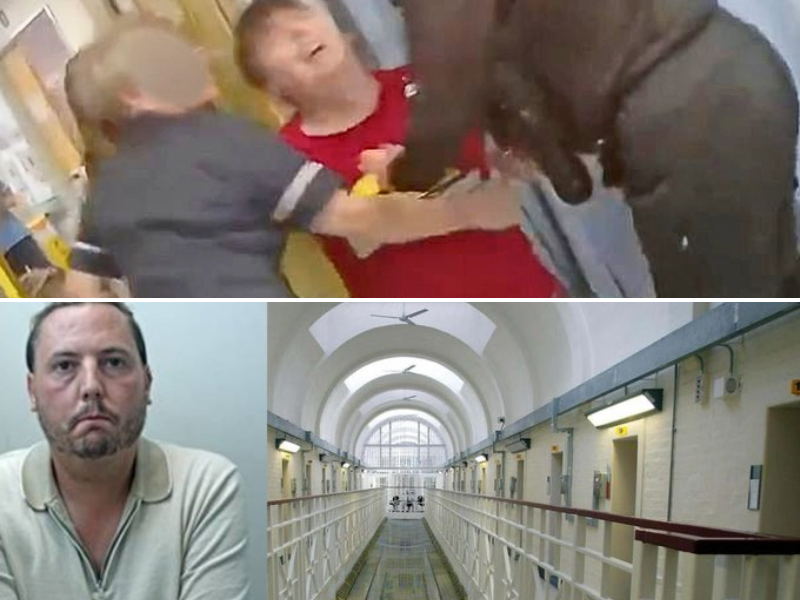
Jamie Varley Begins Whole-Life Sentence As Prison Authorities Manage Security Following Child Murder Conviction
Jamie Varley has entered the UK prison system after receiving a whole-life order for the murder of 13-month-old Preston Davey, bringing one of Britain’s most disturbing child abuse cases into a new phase as correctional authorities assess his long-term security arrangements.
The former secondary school teacher was sentenced after being convicted of murdering and sexually abusing the adopted toddler, while his former partner, John McGowan-Fazakerley, also received a lengthy prison sentence for offences connected to Preston’s death. The sentencing concluded a trial that heard extensive medical, forensic, and digital evidence concerning the abuse suffered by the child.
Following the conclusion of the criminal proceedings, attention has shifted to where Varley will serve his sentence and how prison authorities intend to manage his incarceration.
Whole-life orders are among the most severe sentences available under English law and mean an offender will spend the remainder of his life in prison unless exceptional legal circumstances arise. Such sentences are reserved for the most serious crimes and are imposed only in a limited number of cases.
Because of the nature of the offences, prison authorities routinely conduct detailed security and risk assessments when determining where offenders will be held. Officials do not normally disclose operational decisions relating to individual prisoners, citing safety and security considerations.
Public reports have stated that Varley has been transferred into the high-security prison estate. Authorities have not publicly discussed his day-to-day regime or confirmed specific operational measures inside the prison.
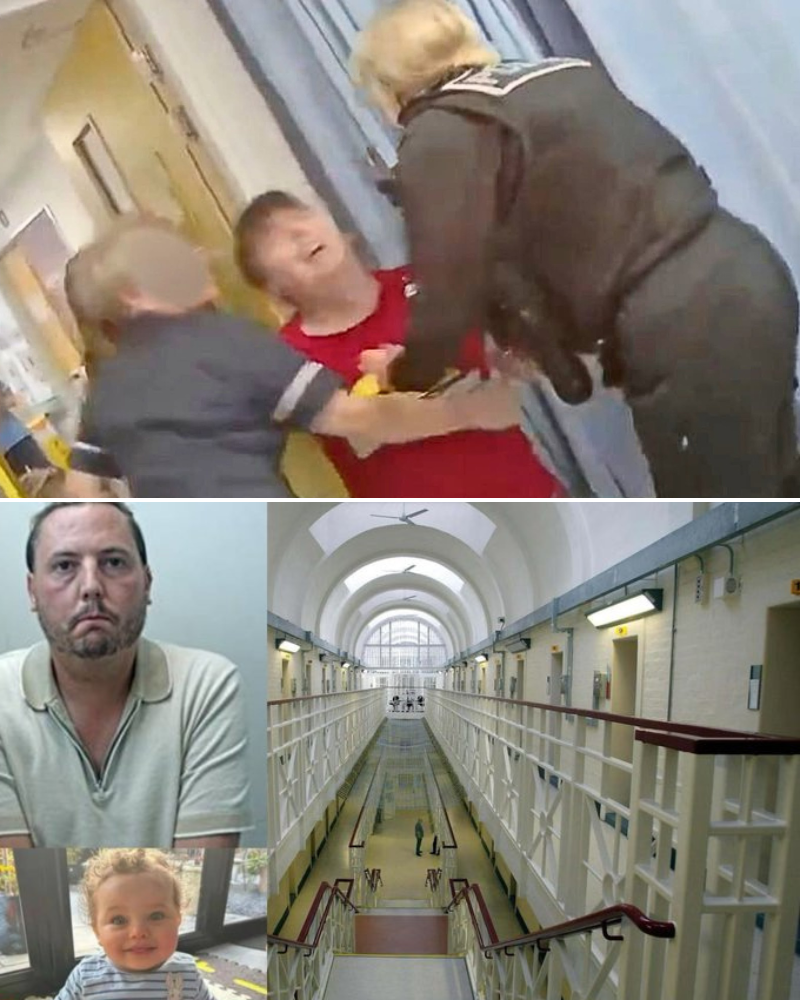
Correctional specialists note that inmates convicted of offences against children are frequently considered vulnerable within the prison population. Depending on individual risk assessments, prison authorities may implement protective measures that can include restricted association, dedicated accommodation, or temporary separation from the general population where necessary.
Former prison officials have explained that such arrangements are designed to reduce the risk of violence while maintaining order inside high-security institutions. Decisions are based on ongoing assessments rather than automatic rules and may change over time as circumstances evolve.
Following the sentencing, widespread public reaction focused on Preston rather than the offender. Family members and supporters continued paying tribute to the toddler while child protection organizations renewed calls for improvements in safeguarding systems and earlier intervention when warning signs appear.
The case has also prompted renewed discussion about the management of high-profile offenders after conviction. Experts note that prisons have a legal responsibility both to enforce sentences and to maintain the safety of everyone held in custody, regardless of the crimes for which they were convicted. For that reason, authorities generally avoid commenting on unverified reports concerning individual prisoners or internal security arrangements.
Varley’s conviction followed a lengthy investigation that included medical evidence documenting extensive injuries, digital forensic analysis, and testimony from numerous witnesses. The trial concluded with the judge describing the offences as among the most serious considered by the court, leading to the imposition of a whole-life order.
Although the criminal proceedings have now concluded, the wider impact of the case continues to be felt. Child welfare professionals, legal experts, and policymakers have pointed to the investigation as another reminder of the importance of effective safeguarding and coordinated responses when concerns about a child’s welfare emerge.
For Preston’s family and those who followed the case, the focus remains on the young child whose life was tragically cut short. While Jamie Varley now begins serving the remainder of his sentence under the supervision of the prison system, the broader legacy of the case is likely to remain centered on protecting vulnerable children and preventing similar tragedies in the future.