
Fury Erupts as Labour Announces Three More Military Bases Will Be Converted to House 3,750 Migrants to Close Asylum Hotels
The Labour government has triggered widespread community anger by selecting three former military facilities to accommodate thousands of asylum seekers as part of efforts to close expensive hotel contracts. The locations in Bicester, RAF Barnham, and RAF Linton-on-Ouse would hold a combined total of 3,750 individuals if the plans are approved. The controversial move has reactivated a previously abandoned 1,500-person scheme in North Yorkshire and includes extending the lease of the heavily contested Crowborough training camp until 2030, despite ongoing local protests.
Residents near the proposed sites have voiced strong opposition, organizing petitions and public meetings to challenge the decisions. Many argue that converting active or recently decommissioned military bases disrupts local infrastructure and places additional strain on already stretched public services including schools, healthcare, and housing. Critics claim the government is prioritizing rapid accommodation solutions over meaningful consultation with affected communities, leading to accusations of top-down decision-making that ignores grassroots concerns.
The plans come amid broader efforts to reduce the cost of asylum accommodation, which has ballooned in recent years due to rising arrivals and limited processing capacity. Hotel contracts have become a significant financial burden on taxpayers, prompting ministers to seek alternative sites. Supporters of the policy argue that repurposing underused military facilities offers a practical and cost-effective solution while providing basic shelter for those awaiting asylum decisions. However, local councils and MPs from affected areas have warned that the sudden influx could overwhelm services and alter the character of rural and semi-rural communities.
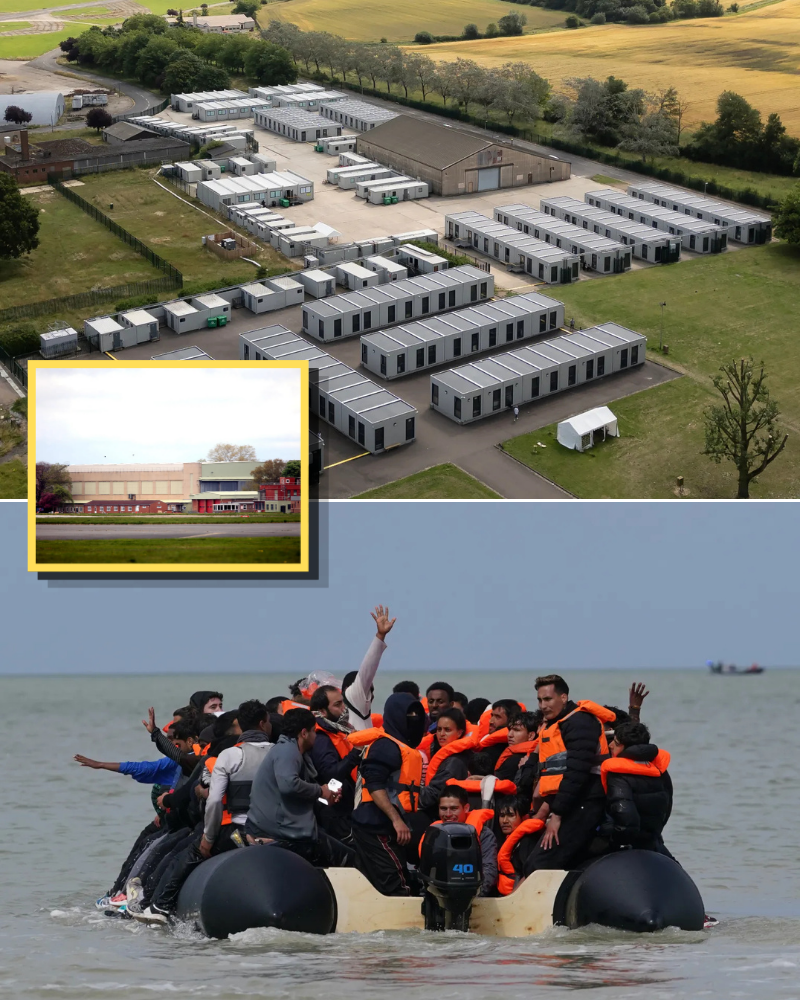
In North Yorkshire, the reactivation of the 1,500-person plan at RAF Linton-on-Ouse has particularly angered residents who successfully campaigned against a similar proposal in 2022. The site’s revival has led to renewed protests and legal challenges from local authorities concerned about traffic, crime, and integration pressures. Meanwhile, the extension of the Crowborough lease until 2030 has reignited demonstrations at the Sussex camp, where locals have long complained about noise, security issues, and the impact on nearby villages.
Government officials maintain that the moves are necessary to manage the asylum backlog and fulfill international obligations while reducing hotel expenditure. They have promised enhanced security measures and community support funding for the selected sites. However, opposition parties and independent MPs have criticized the approach as reactive rather than strategic, calling for a more comprehensive immigration policy that addresses root causes and border control alongside accommodation solutions.
The controversy has highlighted deep divisions over migration policy and the balance between humanitarian responsibilities and community impacts. Public meetings in Bicester and other affected towns have drawn large crowds, with residents expressing frustration over what they see as insufficient transparency and consultation. Some have raised concerns about potential effects on local employment, particularly in areas with existing military ties that could be altered by the conversions.
As the plans move forward, the government faces mounting pressure to address community fears while managing the complex logistics of housing thousands of asylum seekers. The situation remains fluid, with legal challenges and political debates likely to continue as local authorities and residents push back against the rapid repurposing of former military sites. The coming weeks will test whether the policy can be implemented smoothly or if widespread opposition will force further adjustments.