Investigation Continues After Georgia Family Pool Tragedy Raises Questions About Water Safety
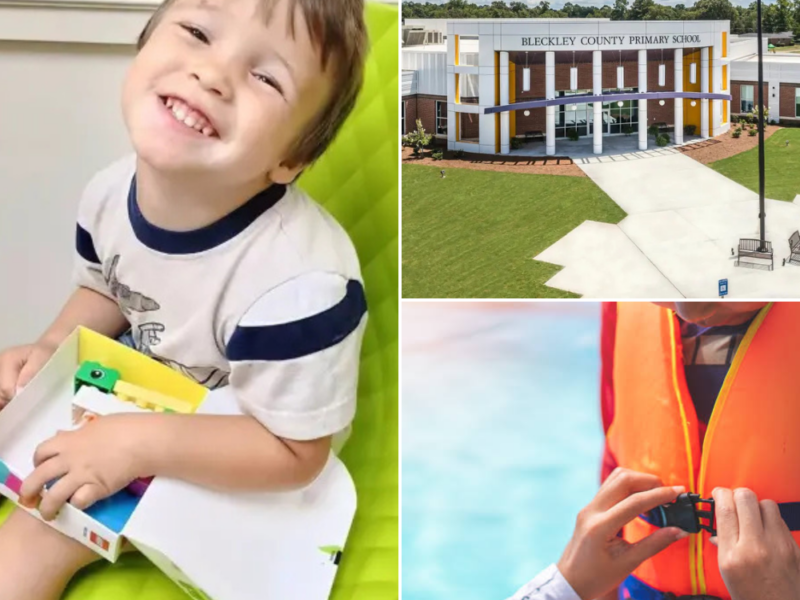
What began as an ordinary Sunday afternoon in Bleckley County, Georgia, ended in unimaginable loss after a young child was found unresponsive in a backyard swimming pool despite precautions that family members believed would help keep him safe.
The death of 3-year-old James has left relatives, neighbors, and the wider community searching for answers while renewing conversations about childhood water safety, supervision, and how quickly emergencies can unfold in familiar environments.
Authorities continue reviewing the circumstances surrounding the incident and have urged caution against drawing conclusions before findings are complete.
According to public accounts, the child had been spending time at home with family before going outside into the backyard area.
Family members believed they had taken protective steps before water activity and expected those measures would reduce risk.
At some point afterward, an emergency developed in the pool area.
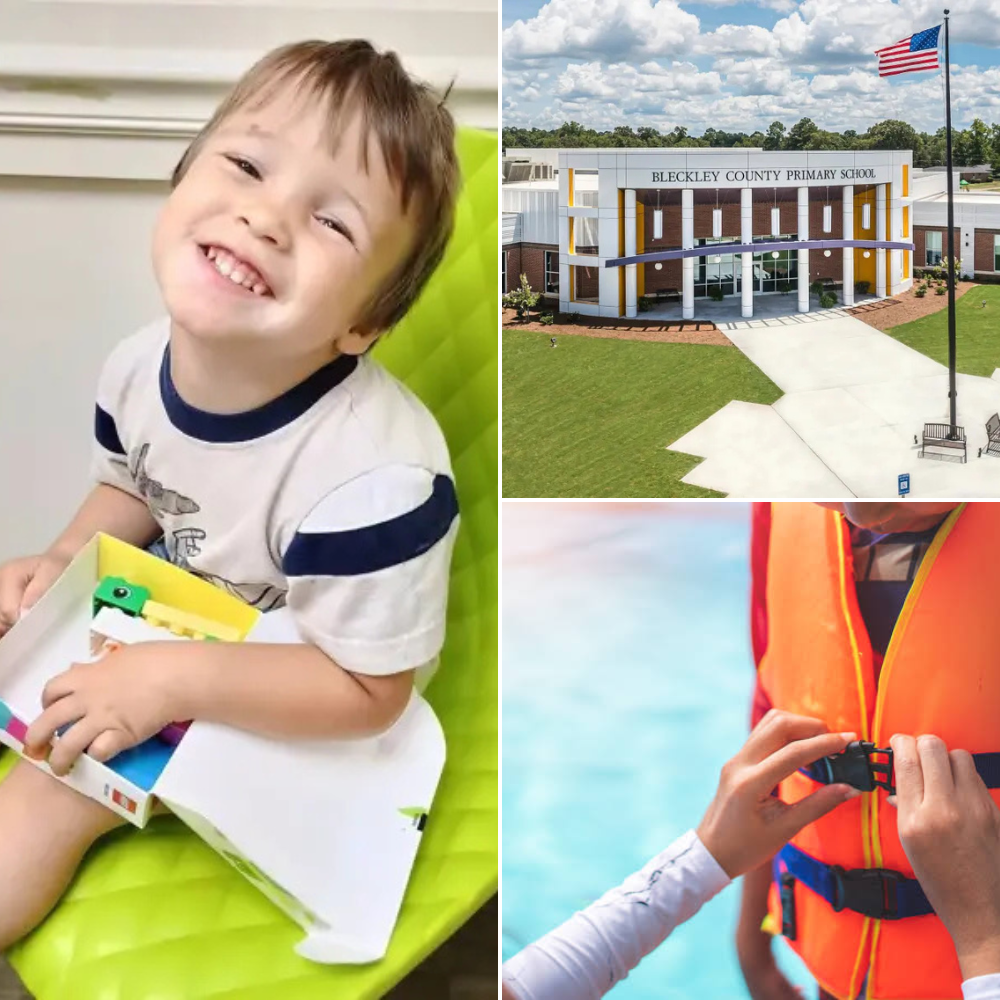
When the child was discovered, emergency services were contacted and responders moved quickly to provide assistance.
Despite rescue efforts and medical treatment, the child later died.
The incident immediately raised difficult questions because relatives believed precautions had already been in place.
Public discussion quickly focused on whether the flotation device involved functioned as intended and whether additional factors contributed to the outcome.
Authorities have not publicly released final conclusions and emphasized that review of circumstances remains ongoing.
Safety specialists frequently note that different flotation products are designed for different purposes and should not automatically be viewed as substitutes for direct supervision.
Investigators examining incidents involving water environments often review multiple factors including supervision conditions, product type, positioning, environmental conditions, and timing.
Officials have not publicly attributed responsibility or identified a single confirmed cause.
The tragedy generated strong emotional reactions because of how quickly ordinary routines can become emergencies.
Water safety organizations have long warned that incidents involving children often occur quietly and within short periods of time.
Unlike common expectations shown in films and television, drowning emergencies may happen without loud distress signals.
That reality has contributed to repeated public awareness campaigns emphasizing constant supervision around water.
Family members and community supporters later shared messages of grief and remembrance.
People described James as energetic, curious, and deeply loved.
Supporters expressed sympathy and reflected on how devastating it can be when parents believe they have taken reasonable safety precautions only to face circumstances they never expected.
Many public responses focused on compassion rather than blame.
The incident also renewed broader discussion around pool safety education.
Experts frequently recommend layered approaches that combine active supervision, barriers, swimming education, emergency readiness, and appropriate safety equipment selected for the specific environment.
They note that no single precaution should be expected to remove risk entirely.
Public agencies often emphasize that protection works best when multiple measures operate together.
Authorities have continued urging patience while information is reviewed.
Officials emphasized that understanding what happened requires careful examination rather than assumptions based on early descriptions.
No final investigative findings have been announced.
For now, a family continues grieving a child whose afternoon at home ended in tragedy.
And across the community, the event has become another difficult reminder that water emergencies can develop quietly, quickly, and sometimes in situations that initially appear controlled.
As investigators continue their work, many people remain focused not only on unanswered questions but also on remembering a young life that ended far too soon.