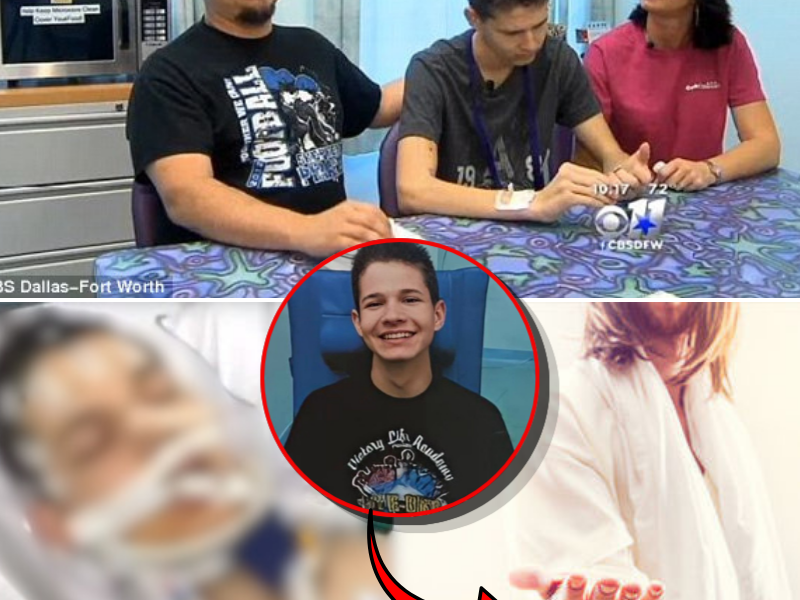
Teen Athlete’s Recovery Draws Attention After He Shared What He Remembered During Cardiac Emergency
What began as a routine school day became a medical emergency that few people expected a healthy teenager to survive.
When student athlete Zack Clements suddenly collapsed during class, classmates, teachers, and emergency responders were forced into a race against time. In the days that followed, attention centered first on survival and later on the personal account Zack shared after waking up.
Years after the incident, people continue discussing the story for two different reasons — the medical recovery itself and the unusual memory Zack described afterward.
Zack was attending classes at Victory Life Academy in Texas when he unexpectedly collapsed.
People nearby immediately realized something was wrong and emergency response procedures began.
Witness accounts later described confusion inside the classroom as staff and responders worked to stabilize him.
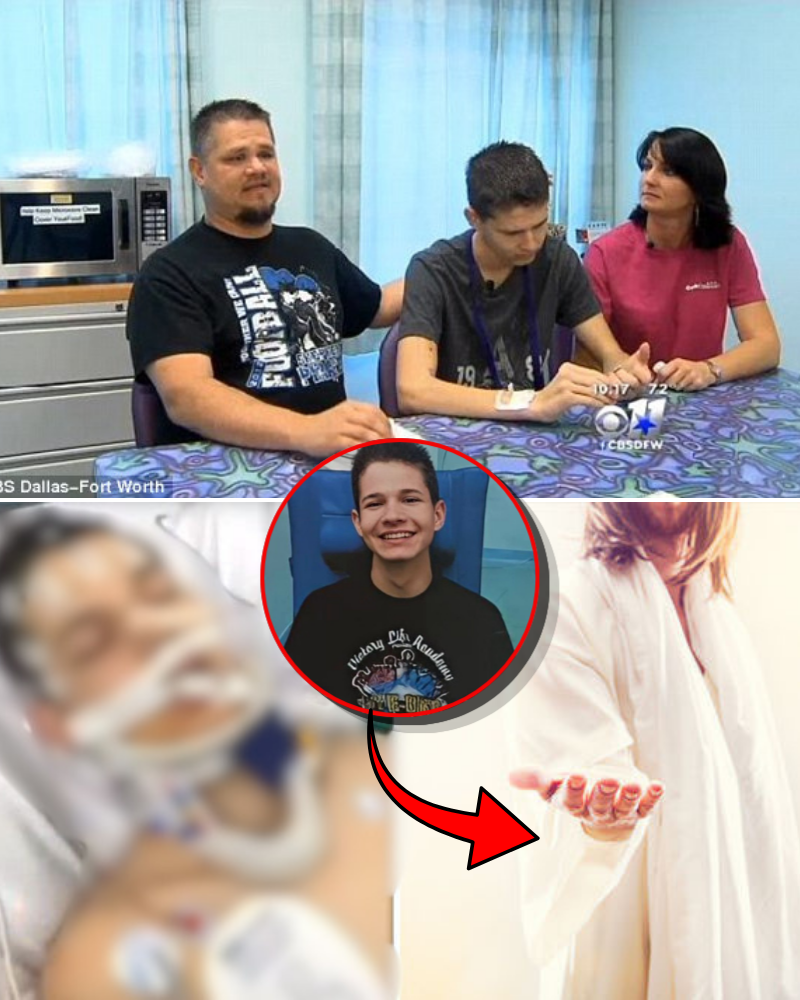
Medical teams performed resuscitation efforts before Zack was transported to Cook Children’s Medical Center in Fort Worth for further treatment.
Family members later spoke publicly about the uncertainty surrounding the first hours after the collapse.
Doctors focused on stabilizing Zack and monitoring his neurological recovery.
According to public accounts, his condition remained serious while medical teams continued treatment.
Stories involving sudden cardiac emergencies often attract attention because survival outcomes can depend heavily on how quickly care begins.
In Zack’s case, the fact that he regained consciousness became the moment people remembered most.
As recovery continued, Zack later shared a personal memory from the period when he had been unconscious.
According to his own description, he remembered being in darkness before seeing a long-haired, bearded figure.
He later said the figure spoke to him and left him with a sense of calm.
His account spread widely online and was interpreted differently depending on personal beliefs.
Some viewed it through a religious lens.
Others saw it as an example of how the brain can create vivid experiences during medical emergencies.
Researchers studying near-death experiences have documented reports that include visual imagery, altered awareness, strong emotions, and memorable conversations.
Scientists continue exploring how those experiences occur and whether they relate to changes in perception during periods of severe physical stress.
No medical consensus concludes that such experiences prove events occurring outside normal biological processes.
Even so, many people who go through them describe the memories as meaningful and deeply personal.
For Zack’s family, public conversations about interpretation mattered less than the outcome.
Their focus remained on the fact that he survived.
Messages shared afterward centered on gratitude toward responders, medical staff, school personnel, and everyone involved in his care.
Supporters described the recovery as remarkable regardless of how individuals interpreted Zack’s experience.
The story also encouraged discussion around cardiac awareness in young people.
Medical professionals often note that serious cardiac events can occur unexpectedly, even among teenagers who appear active and healthy.
Rapid response, CPR knowledge, emergency planning, and access to medical equipment remain important factors in survival.
Many people following Zack’s story later focused on those practical lessons.
Years later, Zack’s experience continues circulating because it sits at the intersection of medicine, personal memory, and questions people naturally ask after surviving extreme situations.
Some people remember the recovery.
Others remember the account he shared after waking.
But for those closest to him, the central fact remains simple:
a student suffered a sudden cardiac emergency,
people acted quickly,
treatment worked,
and he returned to continue a life that very nearly ended in an ordinary school day.