Investigators Review Multiple Safety Decisions As Brazil Bridge Jump Inquiry Expands
The investigation into the death of 21-year-old Maria Eduarda Rodrigues de Freitas during a rope jump activity in Brazil has entered a new stage as authorities continue examining operational decisions, staff responsibilities, and procedures carried out in the moments before the fatal incident.
What initially appeared to many observers to be a tragic accident has since developed into a broader inquiry involving technical analysis, witness accounts, evidence handling, and questions surrounding how safety measures were managed during preparation for the jump.
Authorities have not released final findings but confirmed that the review extends beyond equipment alone.
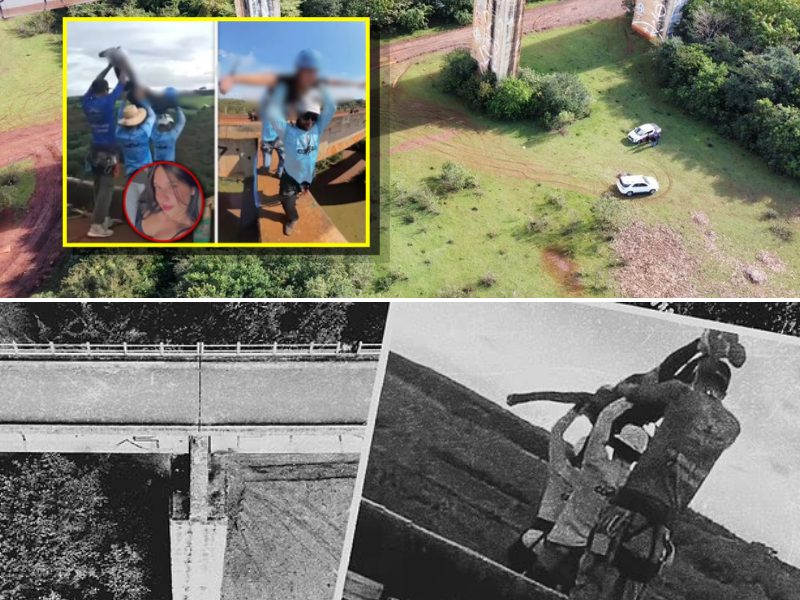
Maria Eduarda died after participating in a supervised bridge jump activity in Limeira.
Emergency responders attended the location and investigators began collecting physical evidence, interviewing staff, and reviewing available recordings.
Early public attention focused heavily on equipment and whether the incident resulted from a mechanical failure.
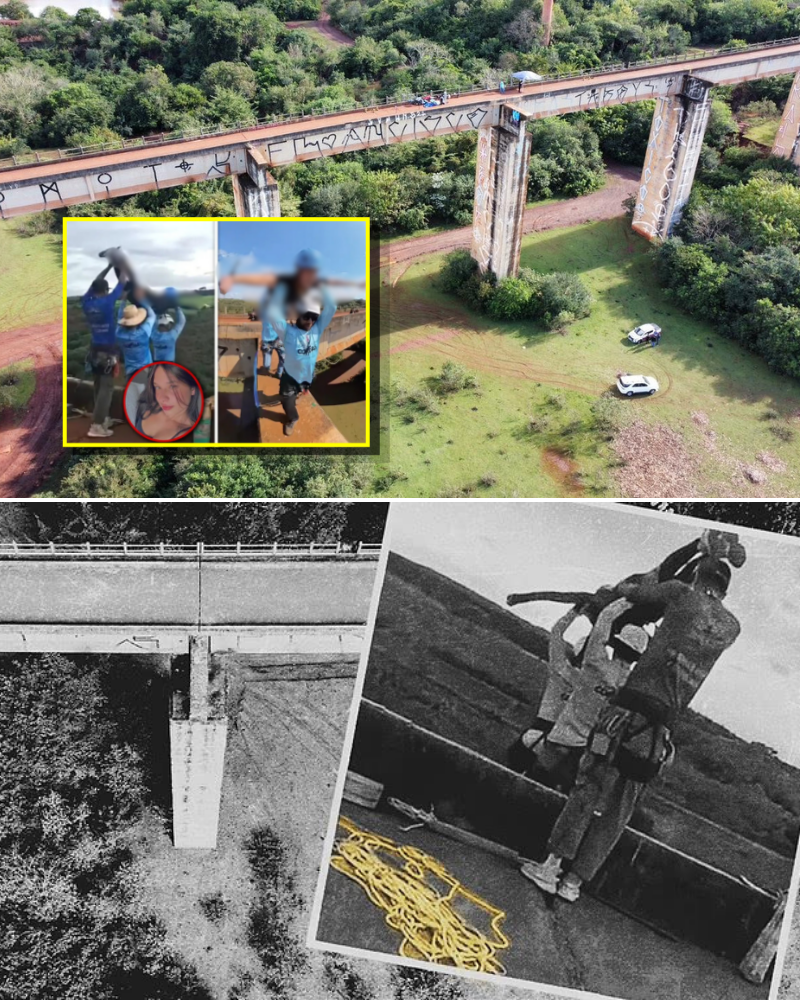
As investigative work progressed, authorities indicated that operational procedures and human decisions also formed part of the review.
Officials emphasized that no final reconstruction had yet been announced.
Investigators later began examining whether standard preparation steps had been completed correctly.
According to reporting surrounding the inquiry, authorities reviewed communication between staff members, participant positioning, confirmation procedures, and the sequence of actions immediately before the jump.
Specialists involved in high-risk recreation note that safety systems normally depend on multiple independent checks intended to reduce the possibility of a single error leading to catastrophe.
Authorities have not publicly released a final list of failures or formally attributed responsibility.
As the investigation widened, legal action was announced involving members of the operating team.
Authorities stated that arrests related to the broader inquiry did not automatically determine guilt and that criminal proceedings remain separate from technical findings.
Officials emphasized that the legal process would continue evaluating individual conduct, operational responsibility, and available evidence before reaching conclusions.
Public discussion intensified after attention turned toward recorded material connected to the event.
Investigators examined the handling of a camera believed to have been associated with the activity.
Authorities later reviewed whether digital evidence had been preserved appropriately following the incident.
Officials indicated that questions surrounding evidence management formed an independent part of the investigation and should not be interpreted as proof regarding the cause of the fatal event itself.
The case also renewed discussion about adventure tourism oversight and expectations around commercial risk activities.
Industry observers noted that activities involving height and specialized systems typically rely on layered procedures including briefing, visual confirmation, equipment checks, verbal verification, and final authorization.
Experts warned against reducing complex incidents to a single explanation before technical review concludes.
Public reaction remained centered on grief and unanswered questions.
Many people expressed frustration at the possibility that preventable factors may have contributed to the outcome.
Others emphasized the importance of allowing investigators to complete their work before assigning blame.
Family supporters continued calling for transparency and a full explanation of what happened.
Authorities have continued urging caution around speculation.
Officials stated that the investigation remains active and that technical findings must be supported by evidence rather than assumptions built around early reports or social media narratives.
No final public determination has been released regarding exact cause, sequence, or responsibility.
For now, investigators remain focused on reconstructing events step by step.
What began as a recreational experience became a fatal incident.
And while public attention continues searching for a single moment of failure, authorities maintain that the final answers will come only through the complete investigative process rather than early interpretations of how the tragedy unfolded.