Nurse on Duty Witnesses Her Own 3-Year-Old Son Rushed to ER After Park Monument Crushes Him
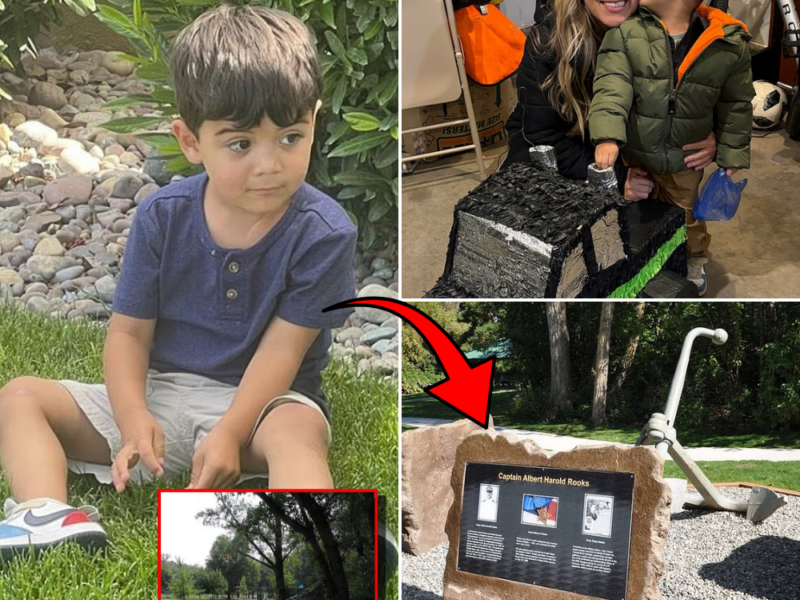
It began as an ordinary afternoon of family time at Rooks Park in Walla Walla, Washington. Three-year-old Kaleb Ortega was enjoying outdoor play with his father, Miguel Ortega, and his five-year-old sister, Kamila. The children explored the scenic park, known for its trails, river views, and historical exhibits maintained by the U.S. Army Corps of Engineers. Without any warning, a large stone monument honoring U.S. Naval Capt. Albert H. Rooks and the USS Houston suddenly destabilized. The heavy structure toppled in a matter of seconds, pinning the helpless toddler beneath its weight in a devastating crush. Eyewitness accounts described the incident as instantaneous, leaving little time for anyone to react as the boulder-like display collapsed onto the young boy.
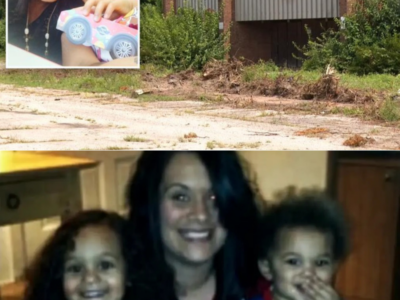
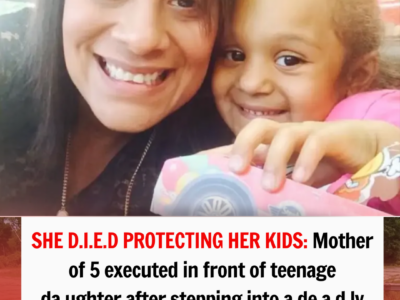
Emergency responders arrived swiftly at the scene following reports of an unresponsive child. Paramedics worked urgently to stabilize Kaleb before rushing him by ambulance to the local hospital under full sirens. Inside the emergency department, a dedicated nurse was performing her regular shift when the trauma team wheeled in the incoming casualty. In a heartbreaking twist of fate, the nurse realized the critically injured child on the gurney was her own son. Claudia Garcia, Kaleb’s mother, was forced to confront an unimaginable nightmare as she watched medical staff fight to save her little boy’s life. The emotional toll on the family was profound, with the mother witnessing the full extent of the resuscitation efforts in real time.
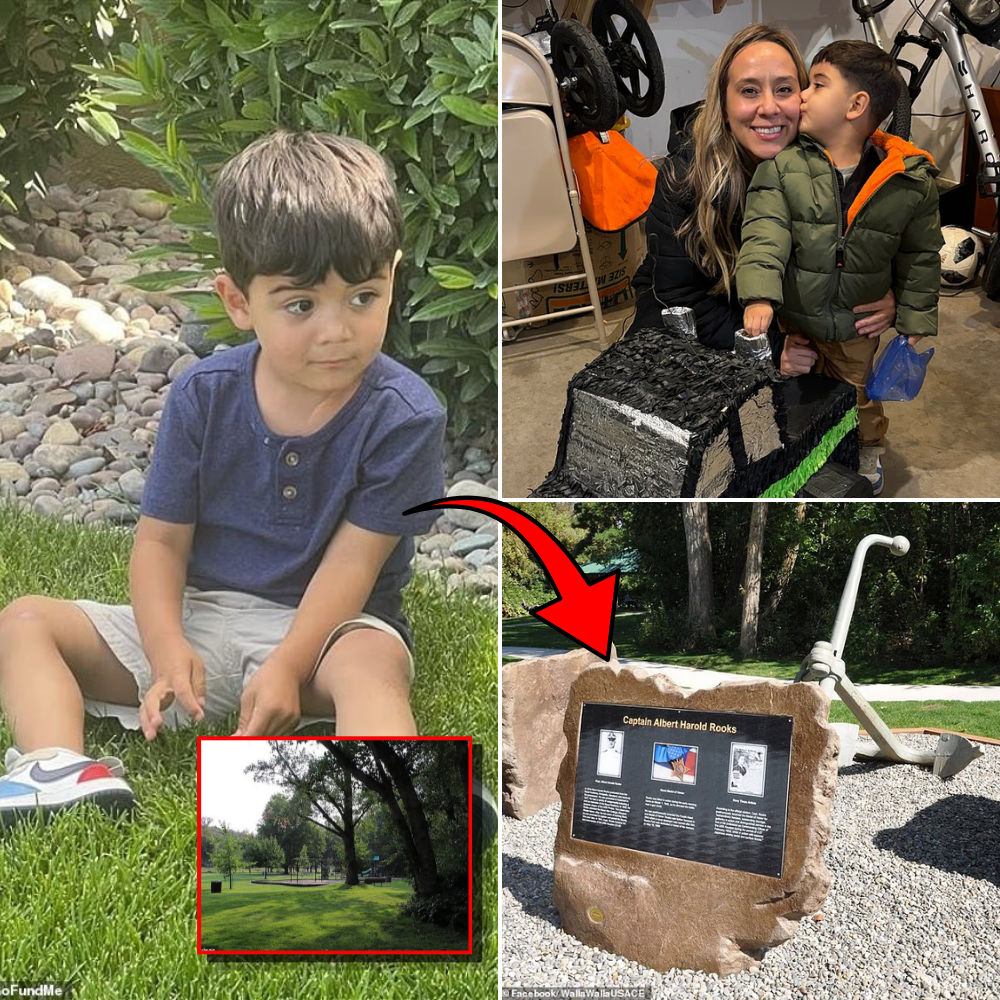
The accident prompted an immediate lockdown of Rooks Park. Authorities closed the popular public space for safety inspections and investigations, with the U.S. Army Corps of Engineers maintaining the closure for approximately two weeks. Detectives from the Walla Walla County Sheriff’s Office determined there was no foul play involved, classifying the event as a tragic accident. Community members expressed shock and sorrow over the loss of a vibrant young child described by those who knew him as full of joy and energy. Fundraisers quickly emerged to support the grieving Ortega family as they navigated the sudden devastation.
A major product liability lawsuit filed by Kaleb’s parents has since shed light on alleged issues with the monument’s design and installation. The complaint, filed in Walla Walla County Superior Court, targets several companies involved in creating and erecting the display, including Boulder Designs and associated firms. According to the filing, the monument was excessively top-heavy, unstable, and inadequately anchored for a public park frequented by families and children. Lawyers argue that the support system failed to account for foreseeable interactions, such as children playing nearby, and lacked proper warnings about potential hazards. The suit seeks damages for parental and bystander emotional distress stemming from the fatal incident.
The landmark in question served as an interpretive exhibit commemorating naval history. Yet the lawsuit claims a fatal design flaw allowed the heavy stone element to fall without apparent provocation. Park visitors had no indication of instability, and the structure’s placement in an open area accessible to toddlers amplified the risk. The rapid collapse left Kaleb with severe crushing injuries that proved insurmountable despite heroic medical intervention. His death on April 1, 2026, has raised broader questions about safety standards for public monuments and memorials in recreational spaces across the country.
In the aftermath, the family’s legal action highlights potential shortcomings in how such installations are engineered, inspected, and maintained. Experts suggest that similar displays in parks and historical sites may require more rigorous stability testing, especially in areas where young children play freely. The lawsuit also underscores the secondary trauma experienced by first responders and medical personnel who become personally entangled in emergencies involving their own loved ones. For Claudia Garcia, the shift that began like any other transformed into a parent’s worst fear realized in the most clinical setting imaginable.
The tragic death of little Kaleb Ortega serves as a sobering reminder of how quickly everyday outings can turn catastrophic. As the civil case proceeds, it may prompt reviews of safety protocols at similar sites managed by government agencies and private contractors. Rooks Park, once a beloved community gathering spot, now carries the weight of this heartbreaking loss. The Ortega family, supported by local residents through fundraisers and condolences, continues to mourn a bright child whose life was cut far too short. Authorities and the involved companies face scrutiny over whether better precautions could have prevented the fatal collapse of the monument. In quiet moments, the community reflects on the fragility of life and the enduring impact of one ordinary afternoon at the park.