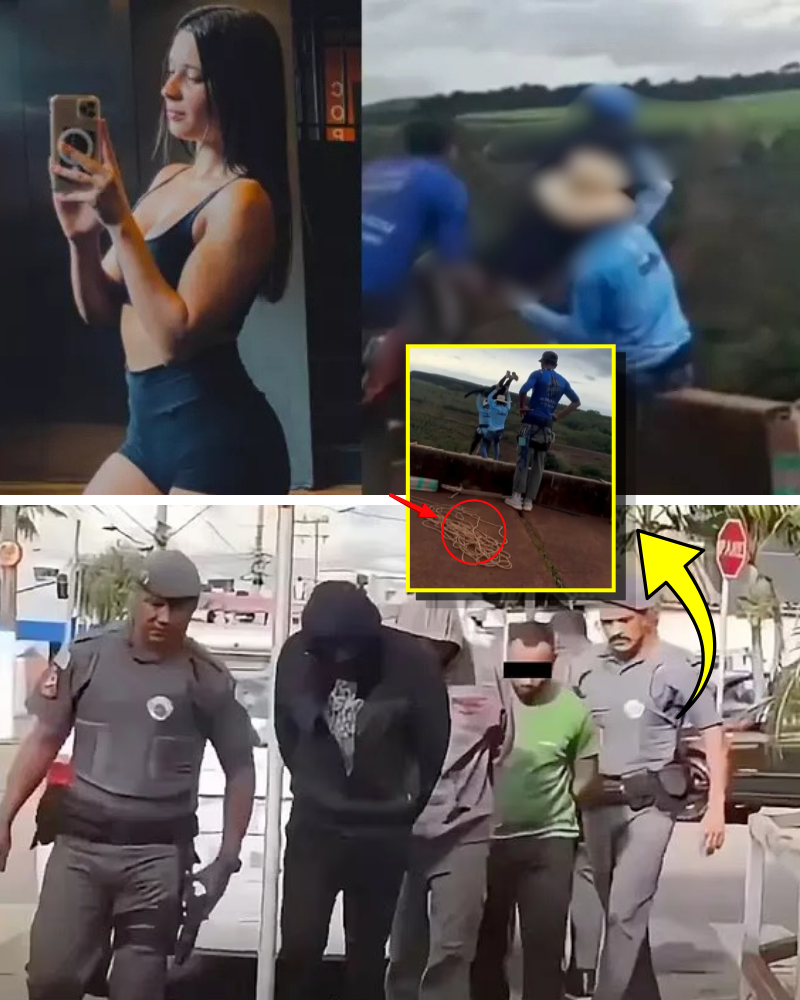
Investigation Expands After Additional Arrests In Fatal Bungee Jump Incident Involving 21-Year-Old Student
Authorities have expanded the criminal investigation into the fatal bungee jumping incident that claimed the life of a 21-year-old student, marking a new phase in a case that has raised difficult questions about adventure tourism safety, operator responsibility, and oversight procedures.
The latest legal developments followed earlier investigative activity surrounding the excursion team involved in the jump, as prosecutors and police continued reviewing evidence connected to the operation.
The case attracted widespread public attention because of allegations that critical safety procedures may not have been completed before the jump occurred.
According to public reporting, the student was participating in a supervised recreational activity when the fatal incident took place.
Witnesses described confusion and shock immediately after the event as staff and emergency responders reacted to what initially appeared to be a routine jump sequence that suddenly turned into an emergency.
Authorities later opened a formal investigation and began collecting statements, operational records, and technical evidence.
Early reporting focused heavily on whether required checks had been completed correctly.
Investigators reviewed equipment procedures, staff responsibilities, and communication protocols used before participants entered the jump sequence.
Officials have not publicly released final findings regarding the exact chain of failures.
Authorities emphasized that determining responsibility requires analysis of training records, equipment systems, and staff actions rather than relying on isolated witness accounts.
As the investigation progressed, additional arrests were announced.
Police stated that investigators were examining whether more than one person may have contributed to decisions connected to preparation and operation.
Authorities have not publicly described the arrests as proof of guilt and stressed that legal proceedings remain ongoing.
Prosecutors continue evaluating available evidence before final judicial determinations.
The development intensified scrutiny on commercial adventure experiences and safety culture.
Industry specialists noted that activities involving height and specialized equipment typically rely on layered verification systems designed to prevent a single mistake from creating catastrophic consequences.
Those systems often include visual confirmation, verbal confirmation, equipment review, and final operational checks.
Public reaction to the case has been especially emotional because of the victim’s age and the expectation that organized recreational activities operate under controlled conditions.
Messages shared online reflected sympathy for the family and concern over whether safety standards were followed appropriately.
Observers also questioned whether broader industry practices should be reviewed.
Investigators have continued avoiding detailed public discussion while proceedings remain active.
Officials stated that releasing incomplete conclusions could interfere with evidence assessment and future court action.
Authorities also cautioned against circulating unverified descriptions of the incident timeline.
Supporters of stronger regulation argued that the case should become a catalyst for reviewing oversight and operational accountability.
Others stressed the importance of allowing investigators to complete technical analysis before drawing broader conclusions.
The discussion expanded beyond one incident and became part of a larger conversation about risk management in commercial adventure activities.
For now, the confirmed picture remains limited:
a young woman died during a supervised jump experience,
the investigation has widened,
additional arrests have been made,
and authorities continue working to determine whether errors, negligence, or other failures contributed to the tragedy.
As the legal process moves forward, investigators maintain that final conclusions must come through documented evidence and court proceedings rather than public interpretation of early reports.