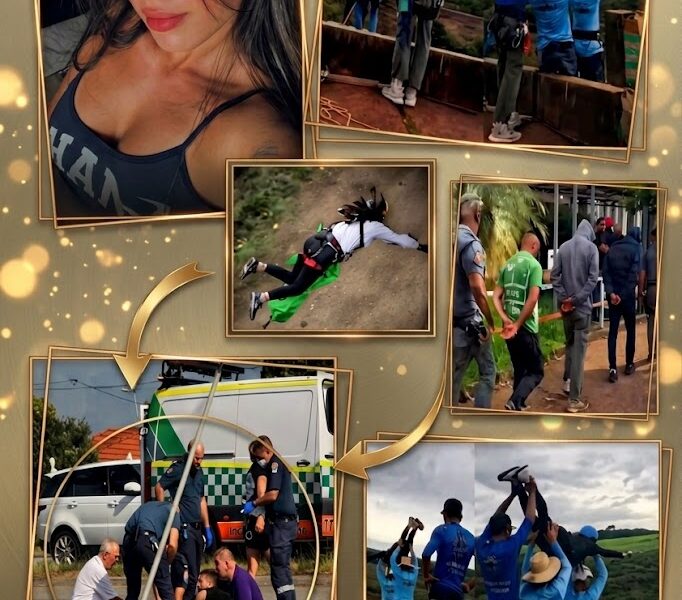
SHADOW THRILLS: How Illegal Instagram ‘Death Traps’ and Ghost Infrastructure Led to the Brazilian Rope-Jump Horror
THE INSTAGRAM ILLUSION: The glossy social media ads promised 21-year-old Maria Eduarda the ultimate adrenaline rush—but she unknowingly stepped straight into an underground death trap.
Behind the flashy filters, professional-looking harnesses, and viral TikTok videos of the “Entre Cordas” group lay a dark, unregulated underworld. Investigators have just pulled back the curtain on a massive network of illegal “extreme tourism” rackets operating entirely in the shadows of the internet.
They weren’t a real company. They had no licenses, zero safety redundancies, and were playing Russian roulette with young influencers’ lives for just $35 a jump. The leaked list of their upcoming “secret locations” across South America has just been exposed, and it will send shivers down your spine. 👇👇👇
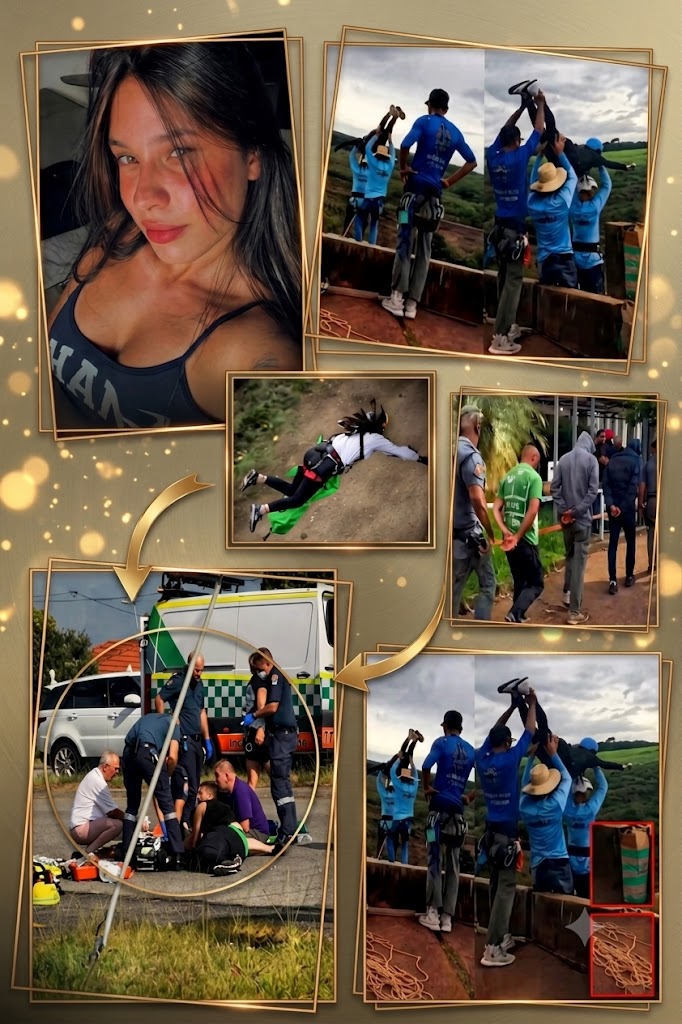
To her thousands of social media followers, 21-year-old Maria Eduarda Rodrigues de Freitas was living the dream. A vibrant physical education graduate, her final Instagram story featured a sleek check-in wristband, a joke about facing her fears, and a stunning backdrop of the high-altitude Skeleton Bridge in São Paulo.
Hours later, she was dead.
While the horrifying viral video of her 40-meter unattached plunge has triggered global outrage, a deeper, more insidious reality is emerging from the investigation. Maria Eduarda was not the victim of a freak accident by a legitimate sports franchise. Instead, digital forensic investigators and regional authorities confirm she was lured in by a highly lucrative, unregulated underworld of “clandestine extreme tourism” operating entirely through social media algorithms.
The group behind the tragedy, Entre Cordas (Between Ropes), has unmasked a terrifying modern phenomenon: digital-first pop-up cartels that trade human lives for cash and viral clout.
The Aesthetic Algorithm of Danger
According to digital marketers and true-crime sleuths tracking the case on Reddit, Entre Cordas and its digital lookalikes mastered the art of the “Instagram Illusion.” Their profile feeds were a flawless mosaic of high-definition slow-motion drops, smiling young influencers, military-grade gear close-ups, and sweeping aerial drone shots.
To the untrained eye of a Gen-Z adrenaline seeker, the operation looked entirely corporate and hyper-safe. They charged a modest fee of 180 Brazilian Reals (roughly $35 USD) via direct digital transfers, circumventing traditional banking audits.
The reality behind the screen, however, was a logistical nightmare.
“These groups operate exactly like pop-up rave promoters or illegal street racers,” a Brazilian investigative journalist noted on a popular Discord true-crime server. “They don’t own property. They don’t have liability insurance. They buy cheap rigging gear online, look up knot-tying tutorials, and use heavily filtered footage to convince kids they are a premium brand. It’s a total illusion.”
Exploiting the Ghost Infrastructure
A critical element of this shadow industry is the utilization of what urban explorers call “ghost infrastructure.” Entre Cordas deliberately chose the Skeleton Bridge for their operations because it is an abandoned federal structure.
Because the bridge sits in a jurisdictional gray zone—not actively patrolled by local municipal police but neglected by federal authorities—it became the perfect lawless playground. The illegal operators could set up their wooden platforms, run dozens of paying customers through a meat-grinder of high-risk jumps, and pack up before any regulatory body could issue a citation.
Local authorities have since admitted that Entre Cordas had been running these illegal events at the Skeleton Bridge for over a year. They even ran sponsored, geo-targeted ads on Instagram and TikTok to attract local college students, completely flying under the radar of federal oversight until a body hit the rocks.
Zero Redundancies, Maximum Profit
International rope-jumping and bungee associations have fiercely condemned the operation on X (formerly Twitter), pointing out the fatal flaws inherent to underground setups.
In a licensed, legal extreme sports operation, safety is built on mandatory redundancies. There are always secondary backup lines, dual-locking carabiners, and most importantly, a “two-man rule” where a secondary jumpmaster must physically inspect and touch the primary anchor link before a participant is cleared for launch.
Leaked statements from the ongoing police investigation reveal that Entre Cordas operated on a chaotic, rapid-fire assembly line system to maximize profit per hour. On the day of Maria’s death, the staff was reportedly rushing to clear a backlog of jumpers before sunset. In the frantic rush to push bodies off the edge and collect cash, the fundamental rule of checking the physical connection to the bridge was completely abandoned.
The Threat is Far From Over
The arrest of six individuals connected to Entre Cordas has done little to calm public panic. Tech-savvy netizen watchdogs have already discovered that while the main Entre Cordas social media pages were scrubbed within minutes of Maria’s fall, several sister accounts and copycat groups are still active.
These rogue outfits are currently actively booking “secret-location” rope jumps, canyon swings, and extreme ziplining excursions across Brazil, Colombia, and Peru for the upcoming summer months. They simply change their brand names, buy fresh SIM cards, and let the social media algorithms find their next victims.
As Maria Eduarda’s family prepares for a grueling legal battle against operators who possess no corporate assets to seize, the tragedy stands as a grim warning for the digital age: in the world of underground extreme tourism, a verified checkmark and a beautiful aesthetic can be a mask for a fatal drop.